
Menopausal dry skin is mechanistically different from environmentally or age-related dry skin — estrogen decline reduces ceramide production in the epidermis, decreases dermal hyaluronic acid and collagen synthesis, and reduces sebum output from sebaceous glands. Effective treatment addresses all three layers: the epidermal barrier (ceramides + fatty acids in moisturizer), the dermis (retinoids to stimulate collagen; peptides as supporting actives; oral collagen supplementation), and the deeper cause (transdermal estrogen or HRT consideration, discussed with a doctor). Over-the-counter skincare can meaningfully improve comfort and appearance but cannot fully replicate the direct skin effects of adequate estrogen without prescriber guidance.
- Estrogen receptors are present throughout all skin layers — the epidermis, dermis, and subcutaneous tissue all have estrogen-responsive cells; declining estrogen simultaneously impairs keratinocyte function (epidermal barrier), fibroblast activity (collagen/HA synthesis), and sebaceous gland output (sebum/lipid production).
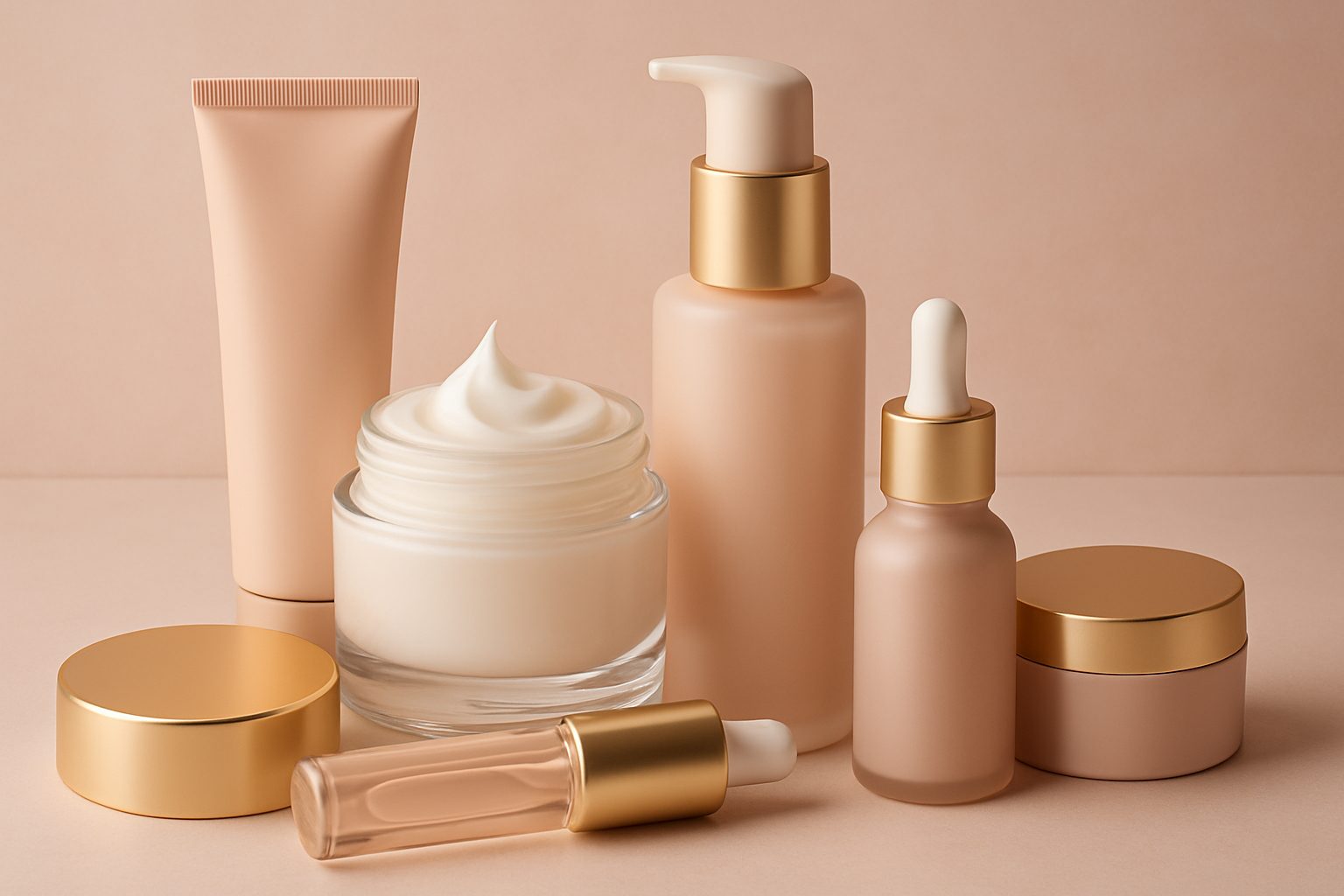
- The ceramide hierarchy for menopausal skin: CeraVe Moisturizing Cream (ceramides NP/AP/EOP + HA + niacinamide at affordable price) and Dr. Jart+ Ceramidin (ceramide concentrate with barrier focus) consistently outperform generic drugstore creams that use single-ceramide formulations; the multi-ceramide approach more accurately restores the depleted lipid matrix.
- Topical estradiol (HRT cream or gel applied to skin) not only addresses hot flashes and systemic symptoms but has direct measured effects on the skin treated directly — facial transdermal estrogen is being studied as a topical anti-aging intervention; most systemic HRT also produces skin benefits via estrogen’s systemic fibroblast and keratinocyte stimulation.
- Squalane oil (from olive or sugarcane, not shark liver) is a particularly appropriate lipid for menopausal skin — it is a natural skin lipid that declines steeply after 30, is non-comedogenic, and provides lipid replenishment without the heaviness of traditional face oils; safe for post-menopausal skin that’s also acne-prone from hormonal changes.
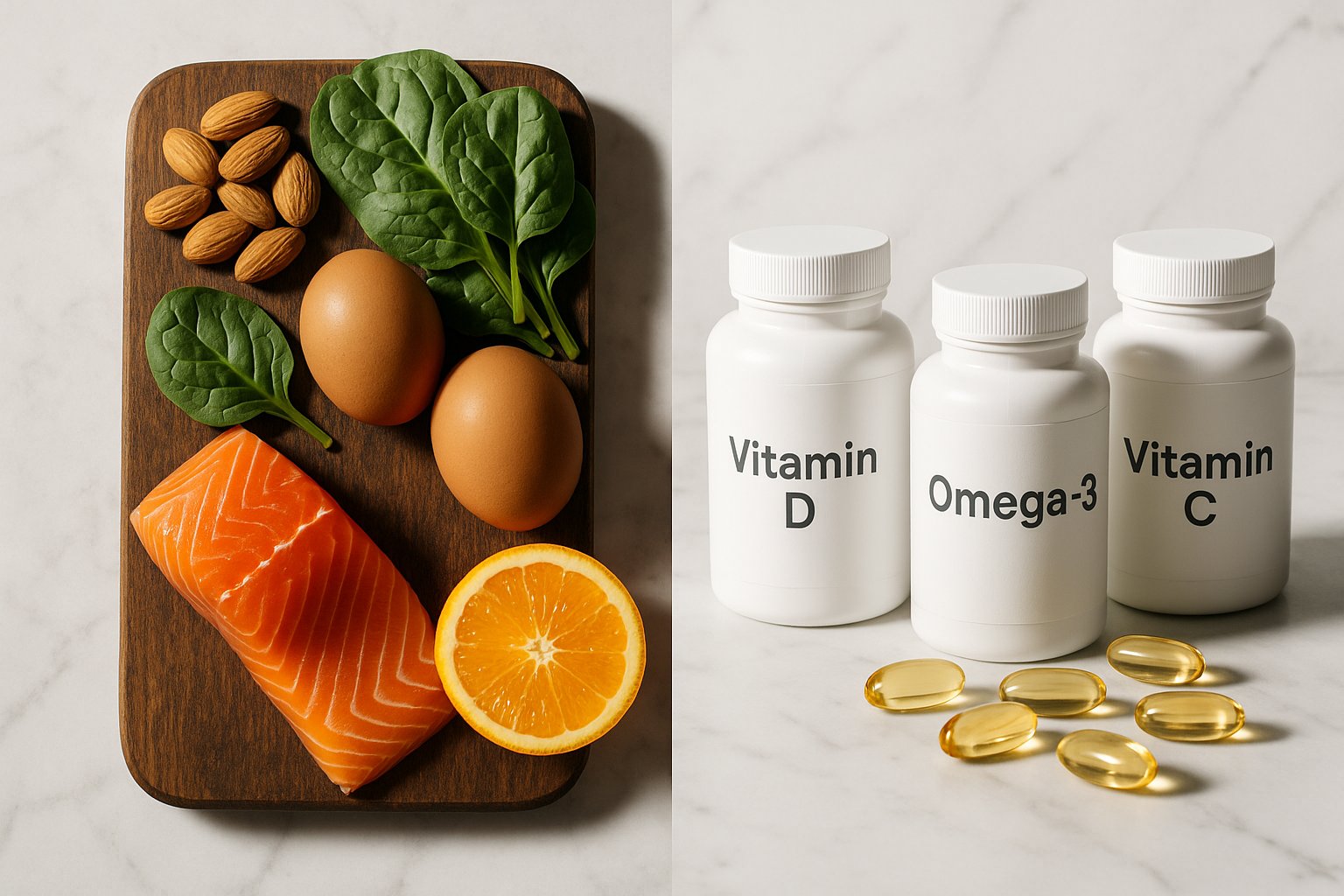
- Internal hydration matters more than often acknowledged: postmenopausal women are more susceptible to systemic dehydration due to reduced thirst perception (arginine vasopressin dysregulation); 2–2.5 L daily water intake combined with omega-3 supplementation provides systemic support that no topical moisturizer can replicate.
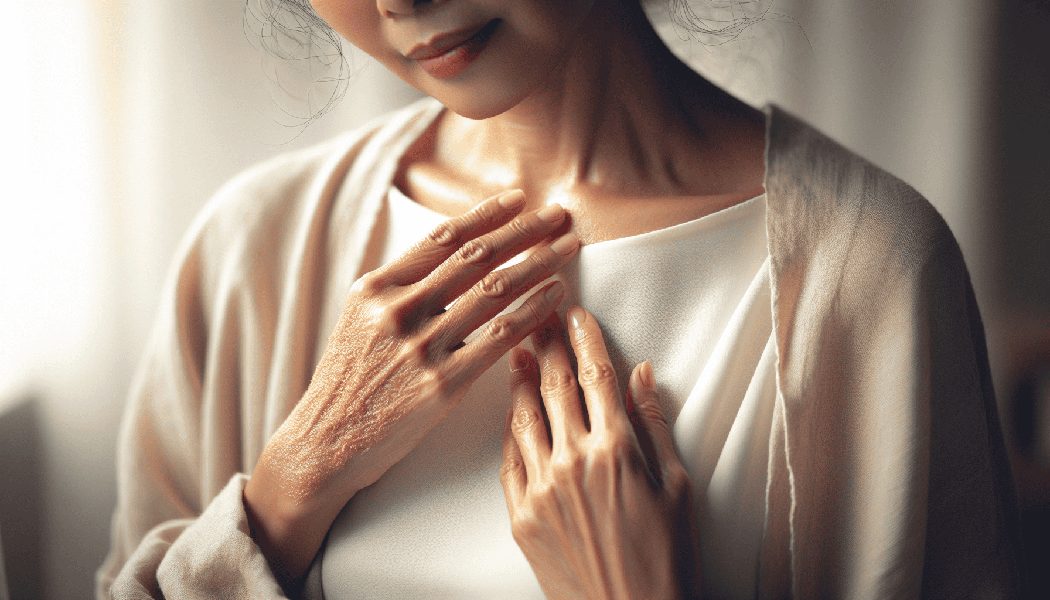
Menopausal dry skin is not just “normal aging.” It is often the visible result of falling estrogen, lower lipid production, weaker barrier function, and reduced water-binding capacity in the skin. That is why skin can suddenly feel tighter, rougher, itchier, and more reactive during perimenopause and after menopause.
The good news: the best skincare for menopausal dry skin is usually simple. You do not need a 12-step routine. You need a barrier-first routine built around gentle cleansing, humectants, skin-identical lipids, and daily sunscreen.
Why Menopausal Skin Gets So Dry
As estrogen declines, skin tends to lose collagen, hydration, elasticity, and thickness. Reviews on menopausal skin changes describe increased dryness, impaired barrier function, and more visible wrinkling during this stage of life. Older research also found a rapid decline in skin collagen after menopause, helping explain why skin feels both drier and less resilient.
Common symptoms of menopausal dry skin
– Tightness after cleansing
– Flaking or rough texture
– Itching or stinging
– Makeup that suddenly looks patchy
– More visible fine lines from dehydration
– Sensitivity to products you used to tolerate
The Best Ingredients for Menopausal Dry Skin
If your skin is dry and hormonally changing, ingredient choice matters more than brand hype.
1. Ceramides, cholesterol, and fatty acids
These are core barrier lipids. A healthy skin barrier depends on them, and when the barrier is compromised, transepidermal water loss rises. Ceramide-based moisturizers are well studied for improving barrier integrity and hydration, especially in dry or damaged skin.
2. Glycerin and hyaluronic acid
These humectants attract water into the upper layers of skin. Glycerin is one of the most reliable, low-irritation hydrators in skincare. Hyaluronic acid can also help, especially when sealed in with a cream.
3. Squalane
Squalane is lightweight, non-fragrant, and excellent for locking in moisture without feeling overly heavy. It works especially well when skin feels dry but also somewhat sensitive.
4. Niacinamide
Niacinamide can support barrier function, reduce redness, and improve the look of dull, dry skin. Lower strengths are often best for reactive menopausal skin.
5. Petrolatum or ointment balms
For severe dryness, petrolatum is still one of the most effective occlusives available. It reduces water loss better than many luxury creams.
A Simple Menopausal Dry Skin Routine
The best routine is one you can do every day without irritating your skin.
Morning Routine
Gentle cleanser or just rinse
If your skin feels very dry, you may not need a full cleanser in the morning. A lukewarm water rinse or a creamy, non-foaming cleanser is often enough.
Hydrating serum
Apply a serum with glycerin, hyaluronic acid, or panthenol to slightly damp skin.
Barrier-repair moisturizer
Look for a cream that contains ceramides, cholesterol, fatty acids, glycerin, or squalane. Richer textures are usually better than gel creams during menopause.
Broad-spectrum SPF 30+
UV exposure worsens collagen loss, pigmentation, and dryness. Daily sunscreen is essential, even on cloudy days.
Evening Routine
Cream or oil cleanser
Remove sunscreen and makeup without stripping the skin.
Moisturizer
Use a thicker cream at night than you do during the day.
Seal very dry areas
If needed, apply a thin layer of petrolatum or a balm over the cheeks, around the mouth, or anywhere that flakes.
What to Avoid if Menopausal Skin Is Dry and Sensitive
Menopausal dryness often gets worse with harsh cleansers, frequent acids, strong retinoids, fragrance-heavy products, hot water, and scrubs. Retinoids can still help aging skin, but they should be introduced slowly and buffered with moisturizer if dryness is significant.
How to Choose the Best Moisturizer
When shopping for the best skincare for menopausal dry skin, prioritize function over trend.
Look for these label clues
– “Barrier repair”
– “Ceramides”
– “Cholesterol”
– “Fatty acids”
– “Glycerin”
– “Fragrance-free”
– “Cream” or “balm” rather than “gel”
If your skin also breaks out, choose a non-comedogenic cream with ceramides and niacinamide rather than a very heavy fragranced butter.
Lifestyle Habits That Help
Skincare matters, but daily habits matter too.
Helpful support strategies
– Use a humidifier in dry indoor air
– Keep showers warm, not hot
– Apply moisturizer within a few minutes of washing
– Stay consistent instead of constantly switching products
– Talk with a clinician if dryness is severe, persistent, or affecting intimate skin and eyes too
Because menopause can affect skin systemically, some women also discuss hormone therapy with their physician. Current reviews suggest hormone therapy may improve skin thickness, elasticity, and hydration in some women, but it is not prescribed solely for cosmetic benefit.
FAQ
What is the best skincare for menopausal dry skin?
A gentle cleanser, hydrating serum, ceramide-rich moisturizer, and daily sunscreen is the best starting routine for most women.
Are ceramides good for menopausal skin?
Yes. Ceramides help repair the barrier and reduce water loss, which is especially useful when skin becomes dry, thin, and reactive during menopause.
Should menopausal dry skin use retinol?
Possibly, but carefully. Start with a low-strength formula one or two nights per week and prioritize barrier repair first.
Why does my skin suddenly feel tight after 45?
Hormonal changes can reduce oil production, hydration, collagen, and barrier strength, making skin feel tighter and drier than before.
Is expensive skincare necessary?
No. Menopausal dry skin usually responds best to boring, well-formulated basics: gentle cleanser, rich moisturizer, and sunscreen.
References
– Thornton, 2013, Dermato-Endocrinology
– Merzel Šabović et al., 2024, Skin Health and Disease
– Yong et al., 2025, Experimental Dermatology
– Lynde et al., 2023, Dermatology and Therapy
– Affinito et al., 1999, Maturitas
Related Articles
- Best Moisturizer for Women Over 45
- Estrogen Decline and Collagen Loss Explained
- Ceramides vs Peptides in Menopause Skincare
- Longevity Skincare Routine for Women Over 40
- Best Ceramide Creams for Barrier Repair



Leave a Reply