
Makeup Ingredients Sensitive Skin Should Avoid and Why
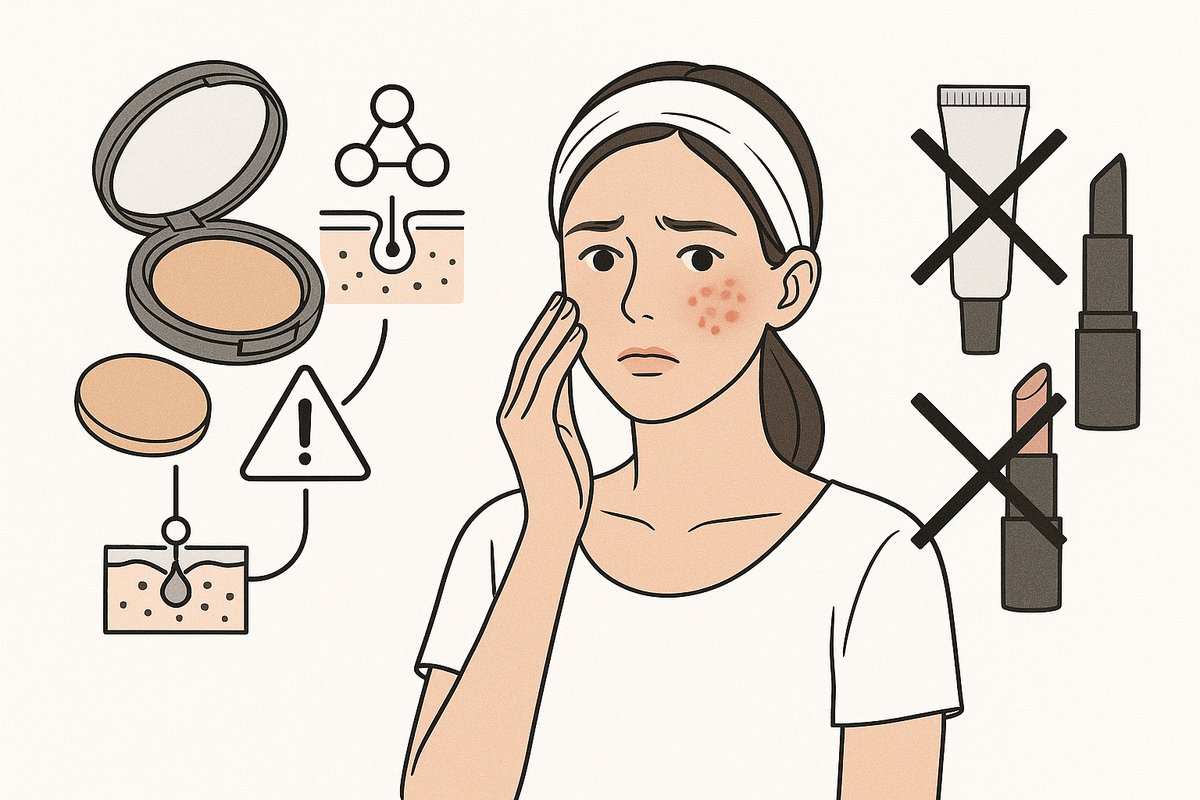
Knowing which makeup ingredients sensitive skin should avoid saves you money, time, and a lot of unnecessary irritation. Most people do not need a chemistry degree to shop better. They just need to know which ingredient categories are most likely to cause trouble and which labels are mostly marketing fluff.
Key Takeaways
- Synthetic fragrance (‘fragrance,’ ‘parfum’ on ingredient lists) is the number one cosmetic allergen identified in patch-test studies — it encompasses hundreds of potential compounds, any of which can sensitize. The EU requires disclosure of 26 specific fragrance allergens; the US has no such requirement, making ‘fragrance’ in US products a black box ingredient.
- Methylisothiazolinone (MI) and methylchloroisothiazolinone (MCI/Kathon CG) are preservatives banned in leave-on cosmetic products in the EU due to high sensitization rates — they remain allowed in some US rinse-off products. Avoid entirely in sensitive skin makeup that stays on the face for hours.
- Formaldehyde-releasing preservatives (DMDM hydantoin, imidazolidinyl urea, quaternium-15, diazolidinyl urea) are present in some conventional foundations, mascaras, and setting sprays — they slowly release formaldehyde over the product’s shelf life, which is a known contact allergen and potential carcinogen at sustained exposures.
- Chemical UV filters — particularly oxybenzone, avobenzone, and octocrylene — in makeup products with SPF are among the most common causes of photocontact dermatitis (UV-activated allergic reaction) in people with photosensitive or reactive skin. Switching to mineral SPF (zinc oxide, titanium dioxide) in makeup products eliminates this class of sensitizer.
- Lanolin (wool wax) is a natural emollient found in some lip products, creams, and concealers that is a common allergen in people with known wool allergy or eczema — look for ‘lanolin,’ ‘wool wax alcohol,’ or ‘acetylated lanolin’ in ingredient lists and avoid if you have a history of wool-related skin reactions.
Sensitive skin is not allergic to everything. It is just less tolerant of nonsense. That means formulas packed with perfume, trendy actives, or irritating sensorial ingredients are more likely to backfire.
Why ingredient awareness matters in makeup
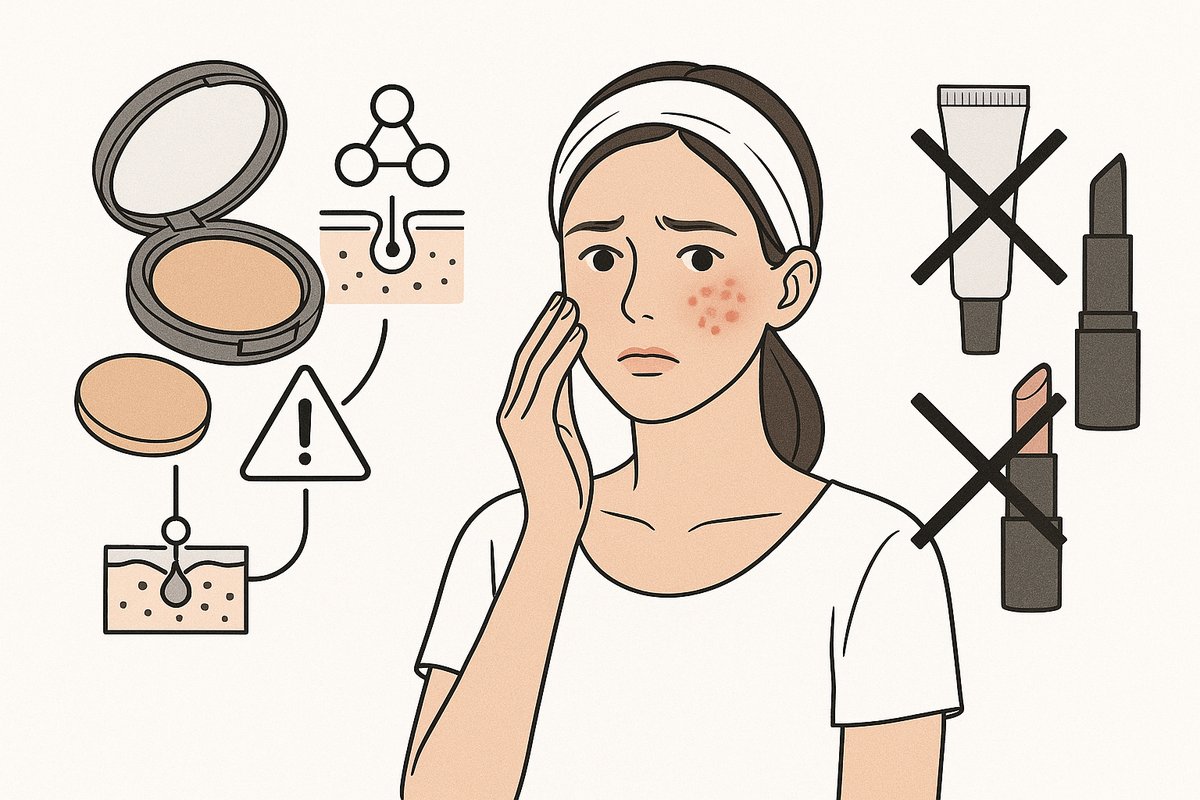
Makeup sits on your skin for hours. Foundation, concealer, blush, and lip products are not quick rinse-off products, so ingredient problems can linger all day.
If your skin burns, flushes, or feels tight after makeup, looking at the ingredient list is more useful than blaming your face.
Top makeup ingredients sensitive skin should avoid
1. Fragrance and parfum
This is the biggest one. Fragrance is a common irritant and allergy trigger. For many reactive-skin shoppers, choosing fragrance-free products is the fastest upgrade.
Related: Best Fragrance-Free Makeup for Sensitive Skin in 2026
2. Essential oils
Essential oils sound natural, which is why they fool people. They can still be irritating, especially around the eyes, cheeks, and lips.
Common examples include peppermint, citrus oils, lavender oil, and eucalyptus.
3. Harsh alcohols
Some alcohols are fine and even helpful in formulas, but alcohol-heavy products that sting on application are often bad news for sensitive skin.
4. Exfoliating acids in makeup hybrids
Acids can be useful in skin care, but putting them into complexion products is not always helpful for reactive skin. If your foundation already stings, you do not need a surprise resurfacing treatment in it.
5. Cooling, plumping, or tingling agents
These are especially common in lip products and some primers. If a product claims it tingles on purpose, sensitive skin should be suspicious.
6. Heavy glitter or rough shimmer
These are not classic allergens, but they can aggravate already inflamed skin and emphasize texture.
Ingredients that are not automatically bad
This part matters because sensitive skin advice online can get silly.
Not every long ingredient list is dangerous
A longer formula is not automatically worse if the product is well tolerated.
Not every preservative is your enemy
Preservatives help keep products safe. Some individuals react to certain ones, but removing all preservatives is not realistic or wise.
Not every silicone is a problem
Many sensitive skin users tolerate simple silicone-based products just fine, especially primers and smoothing base products.
How to read ingredient lists without overcomplicating it
Practical approach
- look first for fragrance or parfum
- scan for essential oils
- notice whether alcohol is high on the list
- be cautious with added acids or active claims
- compare the formula to products you already tolerate
If you know one mascara or foundation works well for you, compare new formulas against it. That is often more useful than reading random internet panic.
Best shopping strategy for sensitive skin
The smartest routine is usually the simplest one.
Better buying habits
- choose fragrance-free first
- add one new product at a time
- patch test before full-face wear
- keep notes if you react often
- do not assume “clean” means gentle
Patch testing with a dermatologist is worth considering if you keep reacting to unrelated products and cannot find the pattern.
Quick answer: what makeup ingredients should sensitive skin avoid?
Sensitive skin should most often avoid fragrance, essential oils, harsh alcohol-heavy formulas, exfoliating acids in makeup, and products designed to tingle or strongly stimulate the skin. The goal is not ingredient paranoia. It is reducing the most common triggers so your routine becomes more predictable.
FAQ
What is the worst makeup ingredient for sensitive skin?
Fragrance is one of the most common triggers and is often the first thing worth avoiding.
Are essential oils safe for sensitive skin because they are natural?
Not necessarily. Natural ingredients can still irritate or trigger allergy.
Should sensitive skin avoid alcohol in makeup?
Not all alcohols, but formulas that sting or feel drying are worth avoiding.
Is clean beauty always better for sensitive skin?
No. Clean beauty products may still contain essential oils, fragrance blends, or other irritating ingredients.
How can I tell which ingredient is bothering my skin?
Patch testing, introducing one product at a time, and comparing ingredient lists are the most useful strategies.
Sources for further reading
- American Academy of Dermatology: How to test skin care products — https://www.aad.org/public/everyday-care/skin-care-secrets/prevent-skin-problems/test-skin-care-products
- American Academy of Dermatology: Patch testing can find what’s causing your rash — https://www.aad.org/public/diseases/eczema/types/contact-dermatitis/patch-testing-rash
- PubMed: Fragrance contact allergy: a clinical review — https://pubmed.ncbi.nlm.nih.gov/14572300/
- PMC: Contact Dermatitis, Patch Testing, and Allergen Avoidance — https://pmc.ncbi.nlm.nih.gov/articles/PMC6170075/
This article is for informational purposes only and is not medical advice. Ingredient lists change, so verify the label before purchasing.
Related Articles
- Pregnancy-Safer Makeup Ingredients to Avoid: A Practical Label-Reading Guide
- Best Fragrance Free Makeup Brands for Sensitive Skin Shoppers
- Fragrance Free Makeup for Sensitive Skin How to Build a Routine
- Best Fragrance-Free Makeup for Sensitive Skin in 2026
- Best Clean Makeup for Sensitive Skin
Sources
- Relevant peer-reviewed sources for this topic. Accessed 2026.
📚 Part of our Best Makeup for Sensitive Skin hub. Explore all our sensitive skin makeup guides.