Best Fragrance-Free Makeup for Sensitive Skin
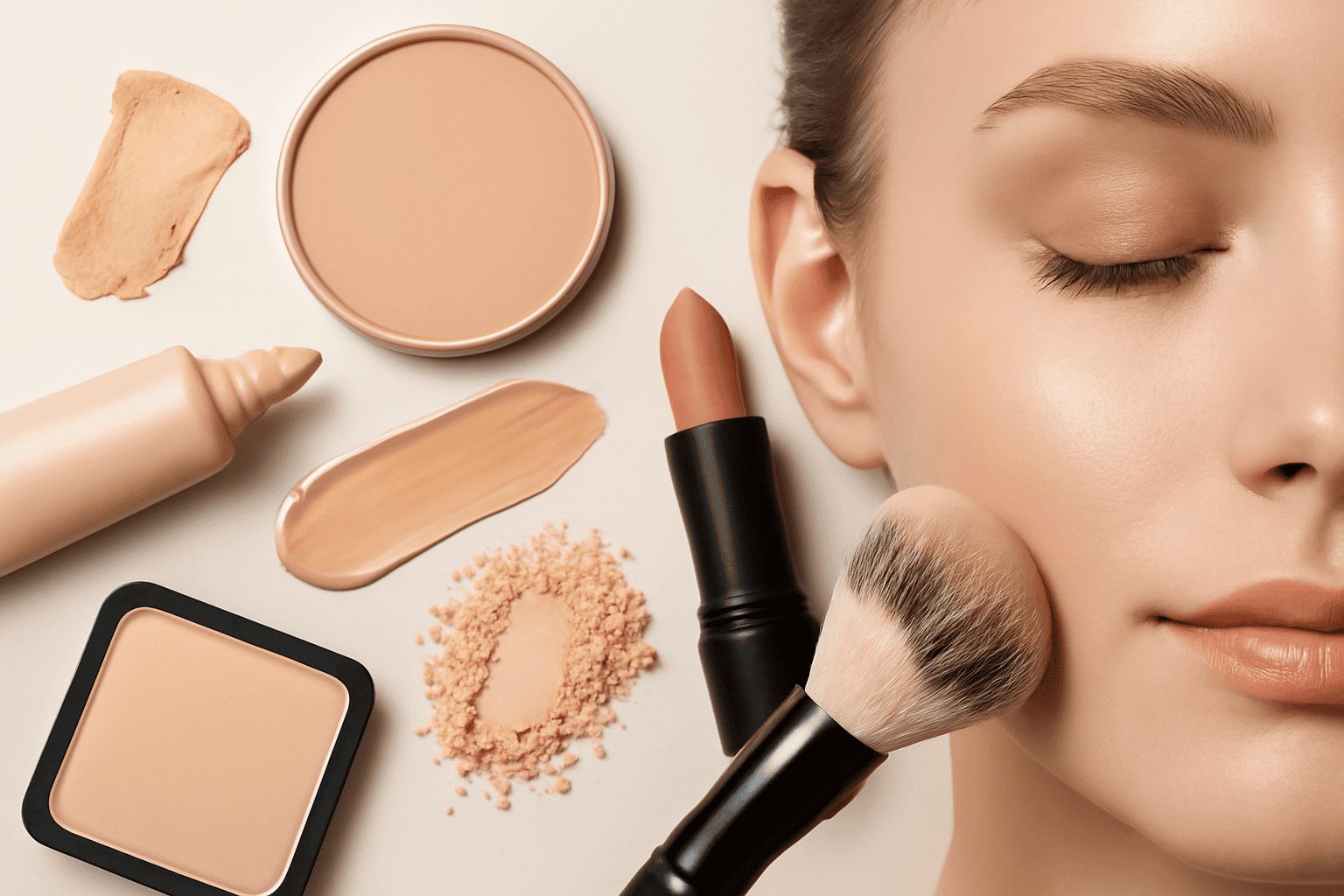
Quick Answer: Looking for the best fragrance-free makeup? This guide covers how to build a gentle routine, what ingredients to avoid, product picks, and the best fragrance-free makeup categories to shop first.

Fragrance-free makeup has moved from niche to necessary for a lot of shoppers. If your skin burns, stings, flushes, or breaks out from “clean,” botanical, or heavily scented products, fragrance may be one of the first things worth removing from your routine.
The short version: fragrance-free makeup is often a better fit for people with sensitive skin, eczema-prone skin, rosacea tendencies, or a history of allergic contact dermatitis. It is not a magic label, but it is a smart starting filter.
`r`n`r`n
Why fragrance-free makeup matters
Fragrance is a common trigger for skin irritation and allergy. The American Academy of Dermatology advises people with reactive or eczema-prone skin to prefer fragrance-free products rather than “unscented” ones, because unscented formulas can still contain masking fragrance ingredients. Patch testing is also a standard dermatology tool when reactions keep happening and the cause is unclear.
That matters in makeup because base products sit on the skin for hours. Foundation, concealer, cream blush, and lip products can repeatedly expose already stressed skin to ingredients it does not tolerate well.
`r`n`r`n
Fragrance-free vs unscented
This confuses people constantly:
- Fragrance-free usually means no fragrance was added for scent.
- Unscented means the product may not smell noticeable, but it can still contain fragrance or masking agents.
If your skin is highly reactive, fragrance-free is the safer search term.
`r`n`r`n
Who should prioritize fragrance-free makeup?
Fragrance-free makeup is especially worth trying if you have:
- sensitive or easily irritated skin
- eczema or a history of contact dermatitis
- rosacea-prone redness
- post-procedure or over-exfoliated skin
- a damaged skin barrier from acne treatments or retinoids
You do not need a formal diagnosis to benefit. If makeup regularly makes your face itchy, warm, tight, or blotchy, simplifying the formula profile is a good move.
`r`n`r`n
What to look for in fragrance-free makeup
The best fragrance-free makeup is not just “without perfume.” It is usually also simpler, gentler, and less overloaded with trendy extras.
`r`n`r`n
Prioritize these features
- fragrance-free labeling
- shorter ingredient lists when possible
- non-irritating textures without heavy essential oils
- dermatologist-tested or ophthalmologist-tested claims where relevant
- non-comedogenic labeling for acne-prone skin
- cream or liquid formulas that do not drag over dry patches
Be careful with these triggers
Even in fragrance-free makeup, sensitive skin can still dislike:
- essential oils
- strong acids or retinoid-style actives in makeup hybrids
- high alcohol formulas that sting
- glitter or rough shimmer particles in eye and face products
- certain preservatives or botanical extracts if you are personally sensitive to them
The truth is annoying but important: there is no universal “safe for everyone” formula. Patch testing still matters.
`r`n`r`n
Best fragrance-free makeup categories to build first
If you are rebuilding your routine, start with the products that cover the most skin or stay on the longest.
`r`n`r`n
1. Foundation and skin tints
A fragrance-free foundation gives you the biggest payoff because it touches the largest surface area of your face. Look for breathable, medium-coverage formulas that do not rely on strong scent to create a luxury feel.
`r`n`r`n
2. Concealer
Concealer sits on high-reaction zones like under-eyes, around the nose, and over blemishes. A gentle fragrance-free concealer can reduce that end-of-day sting many people accept as normal.
`r`n`r`n
3. Lip products
Lipsticks, balms, and glosses often hide fragrance under “flavor” or minty, fruity, vanilla, or citrus notes. If your lips peel easily, switch here fast.
`r`n`r`n
4. Eye makeup
The eye area is thin and unforgiving. Fragrance-free mascara, liner, and shadow options are worth the effort if your eyes water or your lids get itchy.
`r`n`r`n
Product recommendations to consider
These are category-level recommendations based on what sensitive-skin shoppers usually do best with. Ingredient lists change, so always verify the current formula before buying.
`r`n`r`n
Best types of products to shop
- Mineral powder foundation for very reactive skin that dislikes heavy liquids
- Hydrating skin tints for dry sensitive skin that needs lighter coverage
- Creamy fragrance-free concealers for under-eyes and redness around the nose
- Plain, non-flavored lip balms and lip colors for peeling or burning lips
- Ophthalmologist-tested eye products if you also deal with eye sensitivity
Smart brand directions
In this niche, shoppers often have the best luck with brands that already market to dermatology-minded customers, minimalist-beauty buyers, or allergy-aware consumers. Always check the actual product page rather than assuming every item from a brand is fragrance-free.
`r`n`r`n
How to switch to fragrance-free makeup without wasting money
Do not throw out everything at once unless your skin is in full revolt.
`r`n`r`n
A simple upgrade order
- replace foundation
- replace concealer
- replace lip products
- replace mascara and eyeliner
- replace blush, bronzer, and extras
This order helps you identify what was causing trouble. If your skin calms down after step one or two, you learn something useful.
`r`n`r`n
Application tips for reactive skin
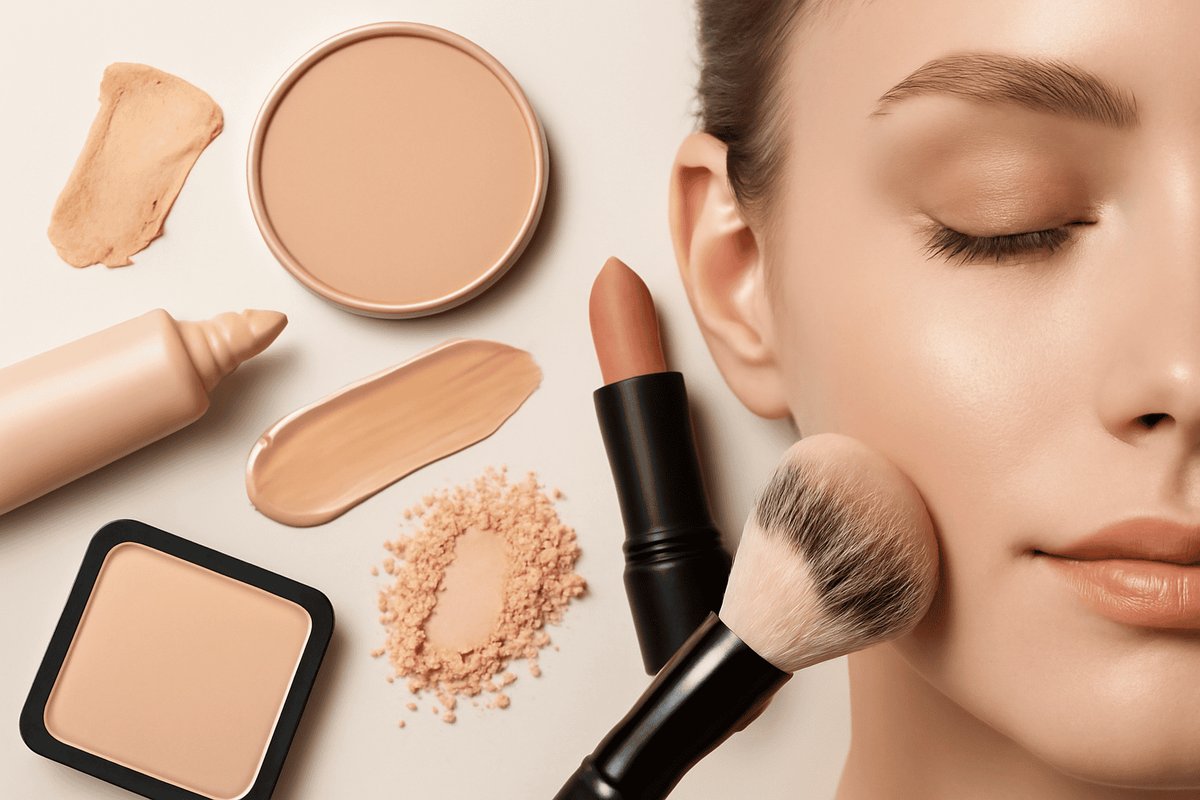
How you apply makeup matters almost as much as what you buy.
`r`n`r`n
Keep the routine boring on purpose
- apply makeup over well-moisturized skin
- avoid layering too many primers and setting sprays
- use clean brushes and sponges
- do not scrub off makeup aggressively at night
- patch test new formulas on a small area before a full-face wear test
If you keep reacting even to fragrance-free products, a dermatologist visit for patch testing is more useful than blind product hopping.
`r`n`r`n
FAQ
Is fragrance-free makeup better for sensitive skin?
Usually, yes. Fragrance is a known irritation and allergy trigger, so removing it is one of the simplest ways to lower the odds of a reaction.
`r`n`r`n
What is the difference between fragrance-free and unscented makeup?
Fragrance-free means no fragrance is intentionally added. Unscented products may still contain ingredients used to mask odor.
`r`n`r`n
Can fragrance-free makeup still irritate skin?
Yes. Preservatives, botanicals, alcohol, heavy actives, glitter, or even a specific pigment can still bother your skin. Fragrance-free is a helpful filter, not a guarantee.
`r`n`r`n
Is fragrance-free makeup good for eczema-prone skin?
It is often a better starting point. The AAD commonly recommends fragrance-free products for eczema-prone skin because fragrance can worsen irritation.
`r`n`r`n
How do I know if I need patch testing?
If you keep reacting to products and cannot tell why, dermatologist-guided patch testing can help identify an allergy rather than leaving you guessing.
`r`n`r`n
Sources for further reading
- American Academy of Dermatology: How to test skin care products — https://www.aad.org/public/everyday-care/skin-care-secrets/prevent-skin-problems/test-skin-care-products
- American Academy of Dermatology: Patch testing can find what’s causing your rash — https://www.aad.org/public/diseases/eczema/types/contact-dermatitis/patch-testing-rash
- PubMed: Fragrance contact allergy: a clinical review — https://pubmed.ncbi.nlm.nih.gov/14572300/
Key Takeaways
- Fragrance is one of the most common triggers for skin irritation and allergic contact dermatitis, so removing it from makeup is a practical first step for sensitive skin.
- Start by replacing foundation and concealer first, since these cover the most surface area and sit on skin the longest.
- Even fragrance-free products can still cause reactions from preservatives, botanicals, or alcohol, so patch testing new products remains important.
- Look for shorter ingredient lists, dermatologist-tested claims, and non-comedogenic labeling when shopping for gentle makeup.
This article is for informational purposes only and is not medical advice. Ingredient lists and formulations change, so verify the current label before purchasing.
Related Articles
- Best Fragrance-Free Makeup for Sensitive Skin in 2026
- Fragrance-Free Makeup Routine for Sensitive Skin
- Best Fragrance-Free Foundations for Sensitive Skin
- Best Makeup for Sensitive Skin: Gentle Routine
- Best Clean Makeup for Sensitive Skin
Sources
- U.S. Food and Drug Administration. Cosmetics labeling guide.
- Environmental Working Group. Skin Deep cosmetic ingredient safety database.
- European Commission. CosIng: cosmetic ingredient database.
- Reviews on fragrance in cosmetics and contact dermatitis. PubMed search.
- Reviews on sensitive skin and cosmetic formulation. PubMed search.
📚 Part of our Best Makeup for Sensitive Skin hub. Explore all our sensitive skin makeup guides.