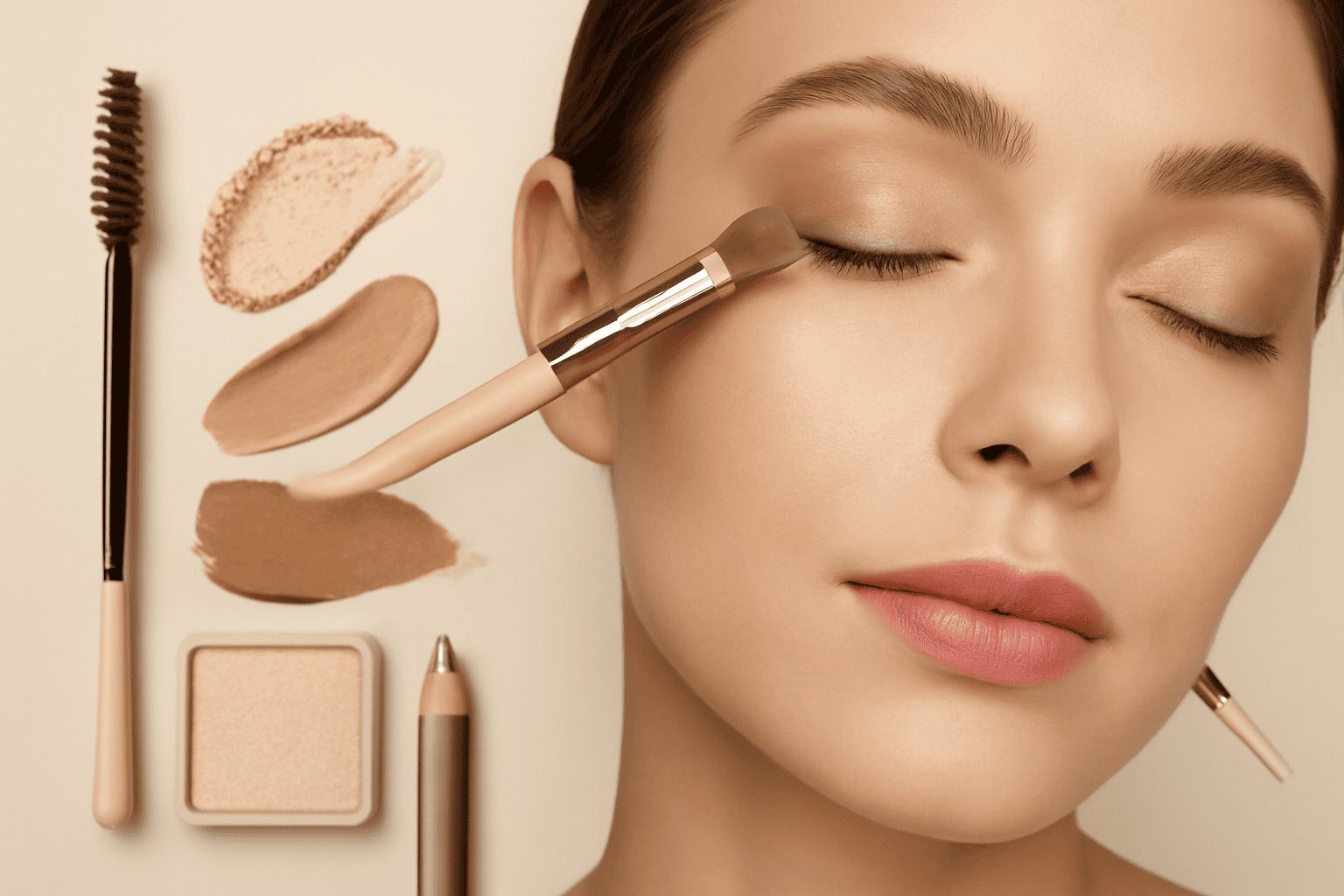
Best Makeup for Sensitive Skin: Products That Stay Calm
The best makeup for sensitive skin is rarely the flashiest. It usually does not tingle, smell expensive, or promise twelve benefits in one bottle. It just sits nicely on the skin, looks natural, and comes off without drama.
Key Takeaways
- The 20/5 rule for sensitive skin ingredient lists: if a product has more than 20 ingredients or more than 5 that you cannot identify, the probability of a sensitizing ingredient rises significantly. Simpler formulations with 10-15 well-understood ingredients are inherently safer for reactive skin.
- Mineral makeup is not automatically safer than conventional — contamination of mica with heavy metals (lead, arsenic) in non-certified sources is a real concern. Look for ‘cosmetic grade’ mica and iron oxides from brands with third-party testing for heavy metal content.
- Makeup brushes and sponges for sensitive skin should be made from synthetic fibers (not natural hair), washed weekly with fragrance-free brush cleaner, and dried thoroughly before use — dirty, natural-hair brushes harbor bacteria and mold that transfer to sensitized skin and exacerbate reactions.
- Layering products correctly reduces sensitization risk: on sensitive skin, fewer layers are always preferable. Consider whether each product is essential — replacing a foundation + powder + blush combo with a tinted SPF that provides skin tone evening plus coverage plus protection reduces the total sensitizer load dramatically.
- React to a makeup product: remove immediately with cool water, apply fragrance-free barrier ointment (Vaseline, Aquaphor), and avoid all makeup on the affected area for 48 hours. If reaction persists beyond 72 hours, consult a dermatologist for patch testing to identify the specific allergen.
That is exactly what sensitive skin needs. If your face reacts to random products, the goal is not to chase whatever is trending. The goal is to build a routine with fewer triggers, fewer layers, and fewer surprises.
Knowing what to avoid is half the battle. For a breakdown of the most common culprits, see our guide to which makeup ingredients sensitive skin should avoid and why they cause reactions.
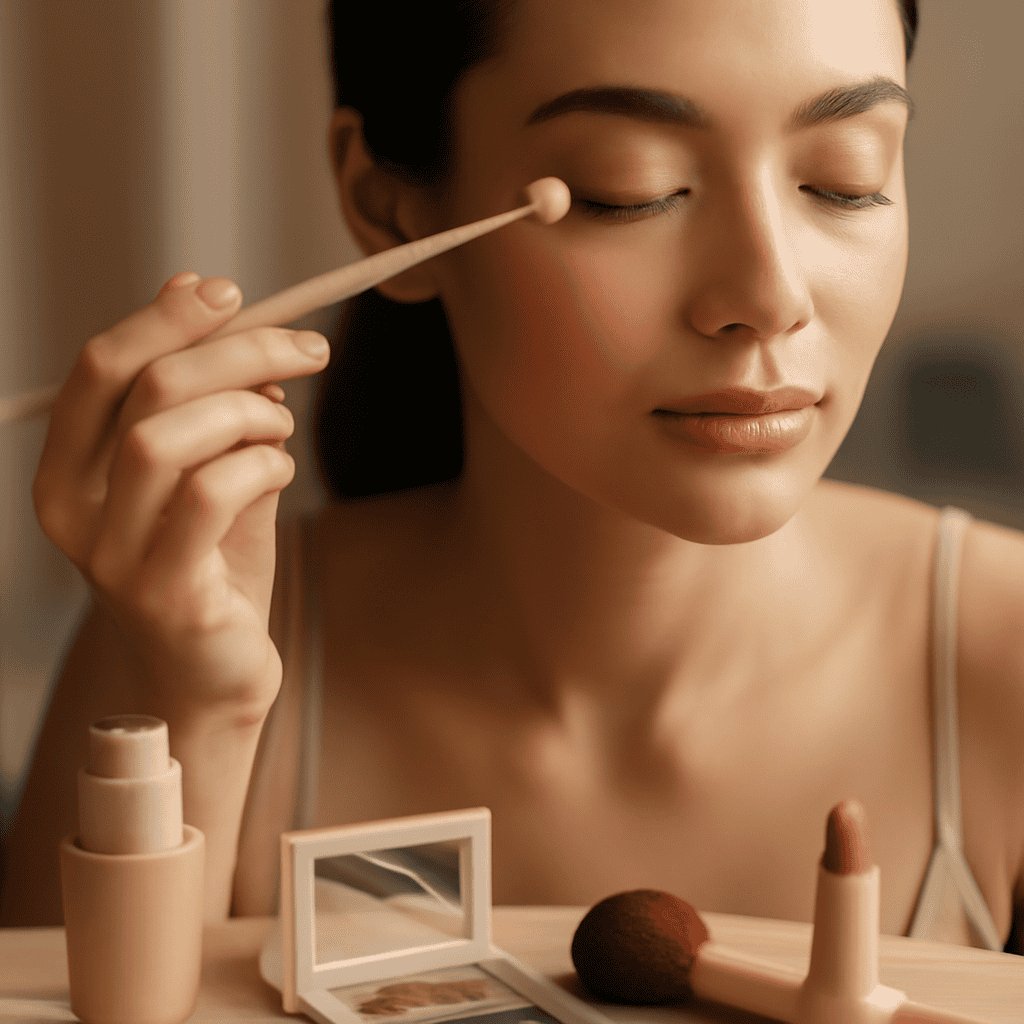
What makes makeup good for sensitive skin?
Sensitive skin is really about reactivity. You may not have one formal diagnosis, but your skin tends to sting, flush, itch, or become tight after product use.
Finding a primer that works with reactive skin can be tricky. For tested options that skip common irritants, see our roundup of gentle primers designed for sensitive skin that won’t cause stinging or burning.
The best makeup for sensitive skin respects that reality.
Core traits to look for
- fragrance-free formulas
- simple ingredient lists when possible
- comfortable textures that do not drag
- natural or satin finishes
- easy removal with gentle cleansing
- optional non-comedogenic claims if acne is also an issue
Best makeup categories to prioritize
Not every product matters equally. Start where your skin gets the most exposure.
Foundation and skin tint
This is usually the most important category because it covers the largest amount of skin. Many sensitive-skin shoppers do best with light-to-medium coverage rather than thick full-coverage formulas.
Concealer
A creamy concealer matters because it goes on the most reactive zones: under-eyes, around the nose, and on blemishes.
Primer
This is optional. If your skin is already stable without primer, skipping it is often the smarter move.
Blush and powder
Soft cream blush or finely milled powder can work well, but heavy glitter or very dry formulas may be less forgiving.
Ingredients and formula styles to avoid
Sensitive skin routines improve fast when you stop rewarding bad formulas.
Common triggers
- fragrance and parfum
- essential oils
- harsh alcohols that sting on application
- exfoliating acids in makeup hybrids
- rough shimmer or glitter on compromised skin
- thick long-wear products that require scrubbing off
“Natural” does not automatically mean gentle. Some of the worst reactive-skin experiences come from heavily botanical products.
Best formula picks by skin type
Dry sensitive skin
Choose hydrating skin tints, creamy concealers, and cream blushes that blend without catching on flakes.
Oily sensitive skin
A breathable soft-matte foundation or mineral powder often works well. Avoid the temptation to over-dry everything.
Reactive acne-prone skin
Look for fragrance-free, non-comedogenic options and use spot concealer instead of piling on thick layers everywhere.
Mature sensitive skin
Natural-finish liquids and flexible concealers tend to outperform heavy matte products that settle into texture.
How to apply makeup when your skin flares easily
Safer makeup habits
- moisturize first
- let your skin care settle
- use clean tools
- apply thin layers
- stop using anything that burns or itches
If your makeup only works when your skin is perfectly calm, it is not that reliable.

How to remove makeup without making sensitivity worse
Removal can be where good routines fall apart.
Better removal habits
- use a gentle fragrance-free remover or cleanser
- avoid rough washcloth scrubbing
- loosen eye makeup before wiping
- follow with a bland moisturizer
The easier your makeup is to remove, the more likely your barrier is to stay intact.
Quick answer: what is the best makeup for sensitive skin?
The best makeup for sensitive skin is fragrance-free, comfortable, and simple. Most people do best with a breathable foundation or skin tint, a creamy concealer, and a minimal number of extra layers. If a product burns, smells strong, or needs aggressive removal, it is probably not worth keeping.
FAQ
What kind of makeup is best for sensitive skin?
Fragrance-free, simple formulas with comfortable textures and fewer common irritants are usually best.
Is mineral makeup good for sensitive skin?
Often yes, especially powder foundations with shorter ingredient lists, though dry skin may prefer gentle liquids.
Should sensitive skin use primer?
Only if it noticeably helps. Many people with sensitive skin do better with fewer layers.
Why does my makeup sting even when it looks fine?
Stinging often points to irritation from fragrance, alcohol, actives, or a compromised skin barrier.
How do I find makeup that will not irritate me?
Patch test, introduce one product at a time, and keep notes on what your skin tolerates.
Sources for further reading
- American Academy of Dermatology: How to test skin care products — https://www.aad.org/public/everyday-care/skin-care-secrets/prevent-skin-problems/test-skin-care-products
- American Academy of Dermatology: Patch testing can find what’s causing your rash — https://www.aad.org/public/diseases/eczema/types/contact-dermatitis/patch-testing-rash
- PMC: Contact Dermatitis, Patch Testing, and Allergen Avoidance — https://pmc.ncbi.nlm.nih.gov/articles/PMC6170075/
This article is for informational purposes only and is not medical advice. Persistent or severe reactions should be evaluated by a dermatologist.
Related Articles
- Best Makeup for Oily Skin in Summer: Products and Techniques That Hold Up
- Mature Skin Makeup Guide: Best Foundations, Cream Products, and Age-Flattering Techniques
- Best Clean Makeup for Sensitive Skin
- Best Makeup for Sensitive Skin: A Gentle Routine That Actually Works
- Best Fragrance Free Makeup Brands for Sensitive Skin Shoppers
Sources
- Relevant peer-reviewed sources for this topic. Accessed 2026.
📚 Part of our Best Makeup for Sensitive Skin hub. Explore all our sensitive skin makeup guides.