Best Fungal Acne Safe Foundation Options
If you are trying to find the best fungal acne safe foundation, the short answer is this: look for lightweight formulas without fatty acids, esters, polysorbates, or fermented ingredients that may aggravate malassezia-prone skin. The best options usually have simple ingredient lists, a natural-skin finish, and enough coverage to even tone without trapping heat or oil.
Foundation is one of the riskiest product categories for fungal acne because of how many oils and esters base formulas contain. See a breakdown of base-product ingredients that can feed fungal acne for what to watch out for.
Quick Answer
Foundation is typically the highest-risk makeup product for fungal acne because it covers the entire face and must adhere to skin for hours — requiring emollient, oil, and ester ingredients that can feed Malassezia folliculitis. Safe foundation options prioritize: water-based or silicone-based formulas, minimal plant oil content, no fermented ingredient base (avoid foundations with fermented filtrates, sake extracts, or rice water), and gel or serum-type formulas with primarily water and glycerin as the emollient base. Mineral powder foundations are the lowest-risk category overall.
Key Takeaways
- The safest foundation format for fungal acne is a mineral powder foundation (zinc oxide and iron oxide based), which avoids the lipid-based emollients entirely and sits on skin without feeding Malassezia. Jane Iredale, Colorescience, and BareMinerals Original foundation are well-referenced safe options in the fungal acne community.
- For liquid or serum foundations, the key Malassezia safety check is the emollient system: safe emollients include dimethicone, cyclopentasiloxane, glycerin, propanediol, and C12-13 alkyl lactate (not a fatty acid ester). Problematic emollients include isopropyl myristate, coconut oil, sunflower oil, olive oil, and most plant-derived oil ingredients.
- ILIA Super Serum Skin Tint is frequently cited as Malassezia-safe by the f.c.t. community: its formula uses water, glycerin, and squalane (squalane from sugar cane is considered safe, as it is a single compound that Malassezia does not readily metabolize) as the primary base rather than plant oils.
- La Roche-Posay Toleriane Teint Foundation is a consistently recommended fungal acne safe liquid foundation: the formula is oil-free, fragrance-free, and uses a niacinamide-inclusive formula without fermented or fatty-acid-ester ingredients that concern fungal acne patients.
- Checking foundations on the Skincarisma or HalfJP Malassezia safety tools online allows systematic ingredient analysis — these tools flag each ingredient against the known Malassezia feeding list and indicate which specific ingredients are problematic, enabling safer buying decisions than guessing from label claims alone.
Foundation shopping gets harder when your skin is reactive. A formula can look beautiful for a few hours, then leave you with itchy bumps, congestion, or a flare you regret for days. That is why fungal-acne-safe makeup matters. The goal is not just coverage. It is coverage that respects a sensitive skin barrier.
What Makes a Foundation Fungal Acne Safe
Fungal acne, often used to describe malassezia folliculitis, tends to flare when products contain ingredients that feed yeast or create a heavy, occlusive environment. While makeup alone is not always the root cause, certain formulas can make breakouts worse.
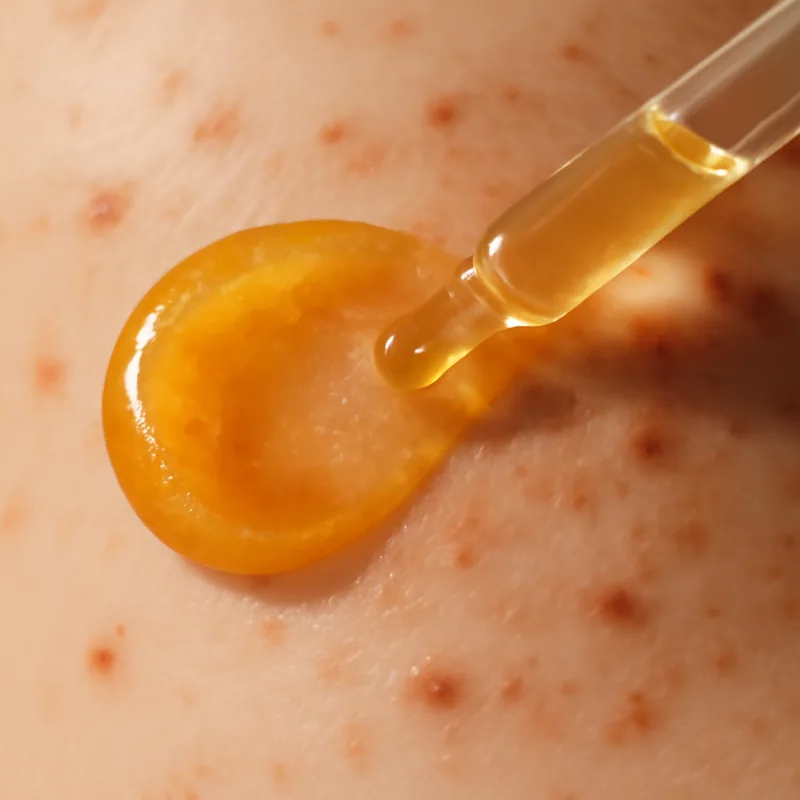
Ingredients to be cautious about
When scanning a foundation label, many fungal-acne-conscious shoppers try to avoid:
- fatty acids and certain oils
- esters
- polysorbates
- some fermented ingredients
- heavy waxy textures that sit hot on the skin
Because formulas change, always double-check the ingredient list before buying. A product that was once safe can be reformulated.
Best Texture Types for Fungal Acne Prone Skin
Not every foundation texture performs the same way on malassezia-prone skin.
Lightweight liquid foundations
These are often the easiest starting point. A thin liquid foundation spreads more evenly, feels less suffocating, and layers well over fungal-acne-safe moisturizer and sunscreen.
Serum foundations
Serum-style bases can work well if the ingredient list stays simple. They usually provide a skin-like finish and are less likely to feel heavy during long wear.
Powder foundations
Powder can be useful if your skin gets shiny quickly or if cream formulas tend to trigger bumps. The tradeoff is that powder sometimes emphasizes flakes if your barrier is dry or irritated.
What to Look For in the Best Fungal Acne Safe Foundation
Breathable coverage
Medium buildable coverage is often the sweet spot. It hides unevenness without creating a thick film on the skin.
Non-greasy finish
A satin or soft-matte finish usually works better than an overly dewy base for skin that is both reactive and congestion-prone.
Fragrance-free or low-irritant formulas
Fungal acne often overlaps with sensitive skin. Added fragrance, essential oils, or strong actives can make a bad situation worse.
Good wear over sunscreen
Many people managing fungal acne already use sunscreen diligently. A good foundation should sit well over SPF without pilling or patching.
How to Choose the Right One for Your Skin Type
Oily and breakout-prone
Choose a lightweight liquid or powder foundation with a soft-matte finish. Avoid rich cream formulas that slide around and feel heavy by midday.
Dry but acne-prone
You may still prefer a fungal-acne-safe liquid foundation, but prep matters. Use a simple hydrating toner or gel moisturizer first so the foundation does not catch on dry patches.
Red and sensitive
Pick a formula with calm, neutral coverage rather than one packed with shimmer or added fragrance. If redness is your main concern, pair foundation with a thin layer of green corrector only where needed.
Application Tips That Help Prevent Flares
Use clean tools
Dirty brushes and sponges can add bacteria, oil, and leftover product back onto the skin. Wash them often, especially if you are actively dealing with bumps or itching.
Apply thin layers
One thick layer is more likely to cake and trap oil. Two thin layers usually look better and feel lighter.
Spot conceal instead of over-applying foundation
You do not need full coverage everywhere. Use foundation to even overall tone, then add concealer only where necessary.
Remove makeup thoroughly
Even a safe formula can become a problem if it sits on skin overnight. Gentle removal is part of fungal-acne-safe makeup strategy.
Common Mistakes to Avoid
Choosing “clean beauty” over ingredient safety
Marketing words do not mean a foundation is fungal-acne-safe. Ingredient lists matter more than branding.
Assuming all oil-free foundations are safe
Oil-free formulas can still contain esters or other ingredients many fungal-acne-prone users avoid.
Ignoring the full routine
A great foundation cannot compensate for a triggering primer, sunscreen, or setting spray. Evaluate the whole face routine together.
FAQ: Best Fungal Acne Safe Foundation
What foundation is best for fungal acne prone skin?
The best foundation for fungal acne prone skin is usually a lightweight, non-greasy formula with a simple ingredient list and no common malassezia triggers.
Is powder foundation better for fungal acne?
Powder foundation can be better for very oily skin or for people who react to heavy cream formulas, but it depends on the full ingredient list and your skin barrier.
Can foundation trigger fungal acne?
Yes, some formulas may worsen malassezia-related bumps, especially if they contain problematic ingredients or feel very occlusive on the skin.
How do I test a new fungal acne safe foundation?
Patch test first, wear it for several hours on a small area, and check for itchiness, tiny bumps, or heat before using it all over the face.
Related Articles
- Best Fungal Acne Safe Primers for Smooth Long Wear Makeup
- Best Fungal Acne Safe Concealer for Spot Coverage Without Congestion
- Best Fungal Acne Safe Blush and Bronzer for a Natural Finish
- Makeup Ingredients to Avoid With Fungal Acne
- Best Non-Comedogenic Acne-Safe Makeup in 2026