Best Fungal Acne Safe Concealer
The best fungal acne safe concealer is one that gives targeted coverage without a thick, greasy texture or ingredients that may aggravate malassezia-prone skin. In most cases, lightweight liquid concealers with simple ingredient lists perform better than rich pot concealers or balm-like formulas.
Quick Answer
Concealer for fungal acne (Malassezia folliculitis) presents a particular challenge because concealers are typically the most emollient and oil-rich makeup products — their high moisture and adhesive content requires lipid-based emollients that can feed Malassezia yeast. The safest concealers for fungal acne are: mineral-based powder concealers (lowest risk), lightweight water-based liquid concealers with minimal oil and ester content, and silicon-based concealers (dimethicone is safe for Malassezia). Avoid concealers with significant plant oil content, fermented ingredients, or fatty acid esters in the first 10 ingredients.
Key Takeaways
- Silicone-based concealers (dimethicone, cyclopentasiloxane as primary base ingredients) are naturally safe for fungal acne because silicones are not lipids and cannot be metabolized by Malassezia — making silicone-heavy formulas an ideal Malassezia-safe high-coverage option for skin where oil-based concealers would worsen breakouts.
- Water-based concealers with minimal oil content (HA-based or aqueous glycerin-based formulas) are the second safest option: verify the full ingredient list checking that no plant oils, fermented extracts, or long-chain fatty acid esters appear in the first 15 ingredients.
- e.l.f. Hydrating Camo Concealer is widely referenced in the fungal acne community as a safe option — its formula uses water-based emollients and hyaluronic acid as primary hydrators rather than plant oils, making it compatible with Malassezia-sensitive skin at an accessible price point.
- Niacinamide in concealer is beneficial for fungal acne beyond just ingredient safety: niacinamide has demonstrated activity against Malassezia proliferation and reduces post-inflammatory hyperpigmentation from fungal acne lesions, making it a doubly useful ingredient for the condition.
- Application hygiene matters for fungal acne alongside ingredient safety: using disposable concealer applicators or washing the sponge applicator daily prevents bacterial and fungal contamination of the product that can re-introduce Malassezia to the skin with each application.
Concealer sounds small, but it can make or break a routine. When you are already dealing with texture, redness, or tiny itchy bumps, the wrong concealer can cling, cake, and create even more congestion. The right one should disappear into the skin while helping you look more even and less inflamed.
Why Concealer Matters for Fungal Acne Prone Skin
Foundation covers broad areas, but concealer usually sits directly on the spots you are most worried about. That means it often gets layered more heavily over active bumps, healing marks, and red patches.
Why texture matters
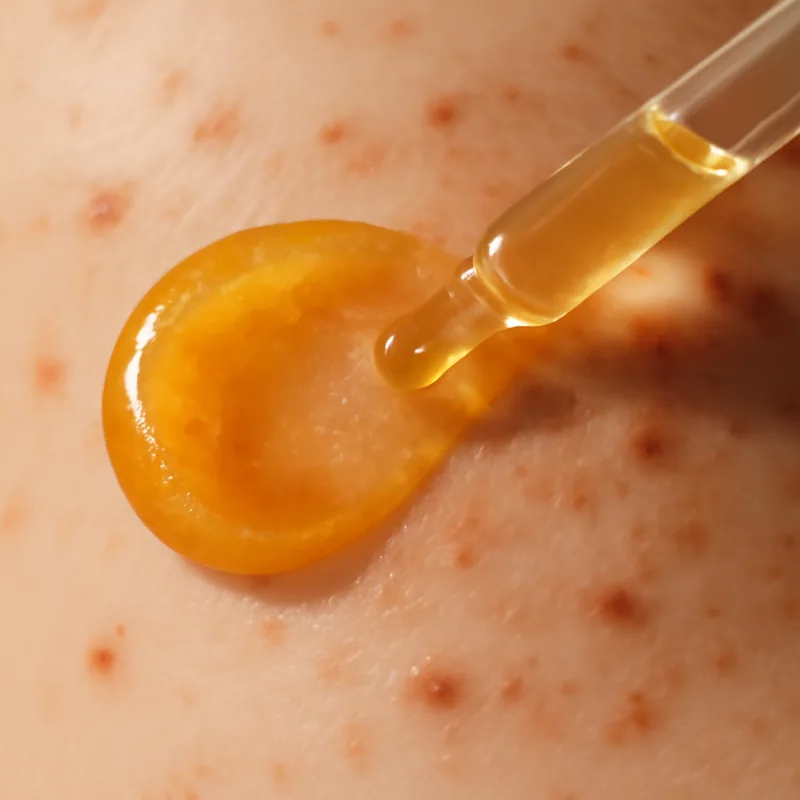
Thicker concealers can trap more heat and oil, especially around the nose, chin, forehead, and areas where fungal acne tends to show up. A lighter formula is often more forgiving.
Why ingredients matter
People shopping for fungal-acne-safe makeup often avoid formulas with esters, polysorbates, fatty acids, and other ingredients that may worsen malassezia-related flare-ups. Ingredient lists are more important than brand promises.
Best Types of Fungal Acne Safe Concealer
Liquid concealer
This is the most versatile category. Liquid concealers usually spread easily, build in thin layers, and look more natural over textured skin.
Serum concealer
A serum-style concealer can work well for dry or sensitive skin if the formula stays simple. These products tend to look less mask-like under the eyes and around redness.
Powder concealer
Powder is less common, but in some cases it works well for touch-ups on oily skin. It is usually better for minor discoloration than for strong spot coverage.
Where you place concealer matters as much as which formula you use. For techniques that visually lift and sculpt, see our guide to strategic concealer placement techniques that create a lifted, sculpted look.
What to Look For
Medium buildable coverage
The best fungal acne safe concealer should let you add coverage gradually. If one swipe looks heavy, it is usually not the best match for textured skin.
Soft-matte or natural finish
Very dewy concealers can slip around on breakout-prone skin, while ultra-dry matte formulas may look crusty. A natural or soft-matte finish is often safest.
Fragrance-free formula
Because fungal acne often overlaps with a compromised skin barrier, a fragrance-free concealer is usually a smarter choice.
Compatibility with your base products
Your concealer should sit well over sunscreen, moisturizer, and foundation without separating. A safe concealer that pills is still annoying to use.
How to Use Concealer Without Making Texture Worse
Apply after letting skincare set
If you put concealer on top of wet skincare, it may slide around and collect in bumps or dry patches.
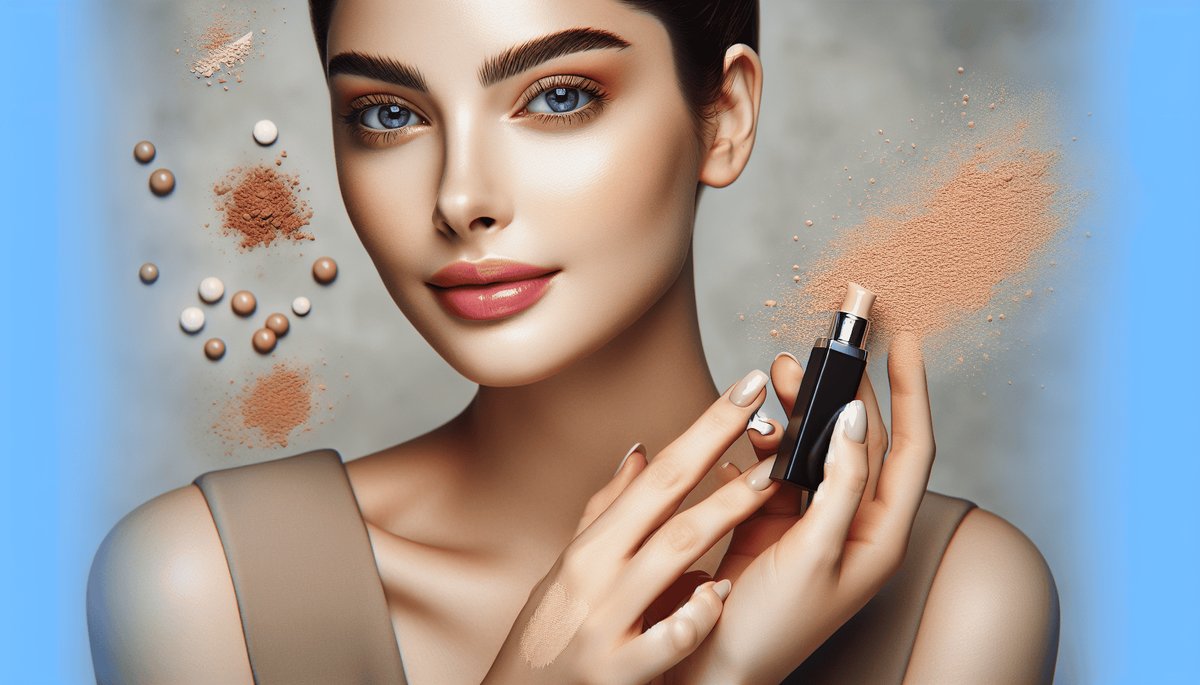
Use a tiny brush or fingertip
A pinpoint brush helps place product only where you need it. This prevents a large, thick patch of concealer from covering the whole area.
Pat instead of dragging
Pressing concealer into the skin keeps coverage where you want it and reduces streaking.
Set only where necessary
A light dusting of powder in high-movement areas can help. Over-powdering can make fungal acne texture look worse.
Concealer Strategies for Common Concerns
For red bumps
Use a very thin layer of green corrector first if needed, then top with concealer. This keeps you from using too much product.
For post-acne marks
A medium-coverage concealer with a natural finish usually works best. Full-coverage formulas can draw more attention to healing texture.
For under eyes plus acne-prone cheeks
You may need two formulas. A hydrating under-eye concealer is not always the best option for the breakout-prone center of the face.
Common Mistakes to Avoid
Using a thick pot concealer everywhere
This often looks heavy and can feel suffocating on skin that is already irritated.
Applying too much at once
Build slowly. One small dot often goes farther than you think.
Forgetting to check reformulations
A concealer that worked last year may not have the same ingredient list today.
FAQ: Best Fungal Acne Safe Concealer
What kind of concealer is best for fungal acne?
A lightweight liquid concealer with buildable coverage and a simple ingredient list is usually the best starting point for fungal acne prone skin.
Can concealer make fungal acne worse?
Yes. Heavy or triggering formulas may contribute to congestion or irritation, especially when layered thickly over active bumps.
Is full-coverage concealer bad for fungal acne?
Not always, but very thick full-coverage formulas are often harder to wear on textured, reactive skin. Buildable coverage is usually easier.
Should I use concealer or foundation first for fungal acne?
Most people get the best result with a thin layer of foundation first, then concealer only where extra coverage is needed.
Related Articles
- Best Fungal Acne Safe Primers for Smooth Long Wear Makeup
- Best Fungal Acne Safe Foundation Options for Clear Calm Skin
- Best Fungal Acne Safe Blush and Bronzer for a Natural Finish
- Makeup Ingredients to Avoid With Fungal Acne
- Best Non-Comedogenic Acne-Safe Makeup in 2026