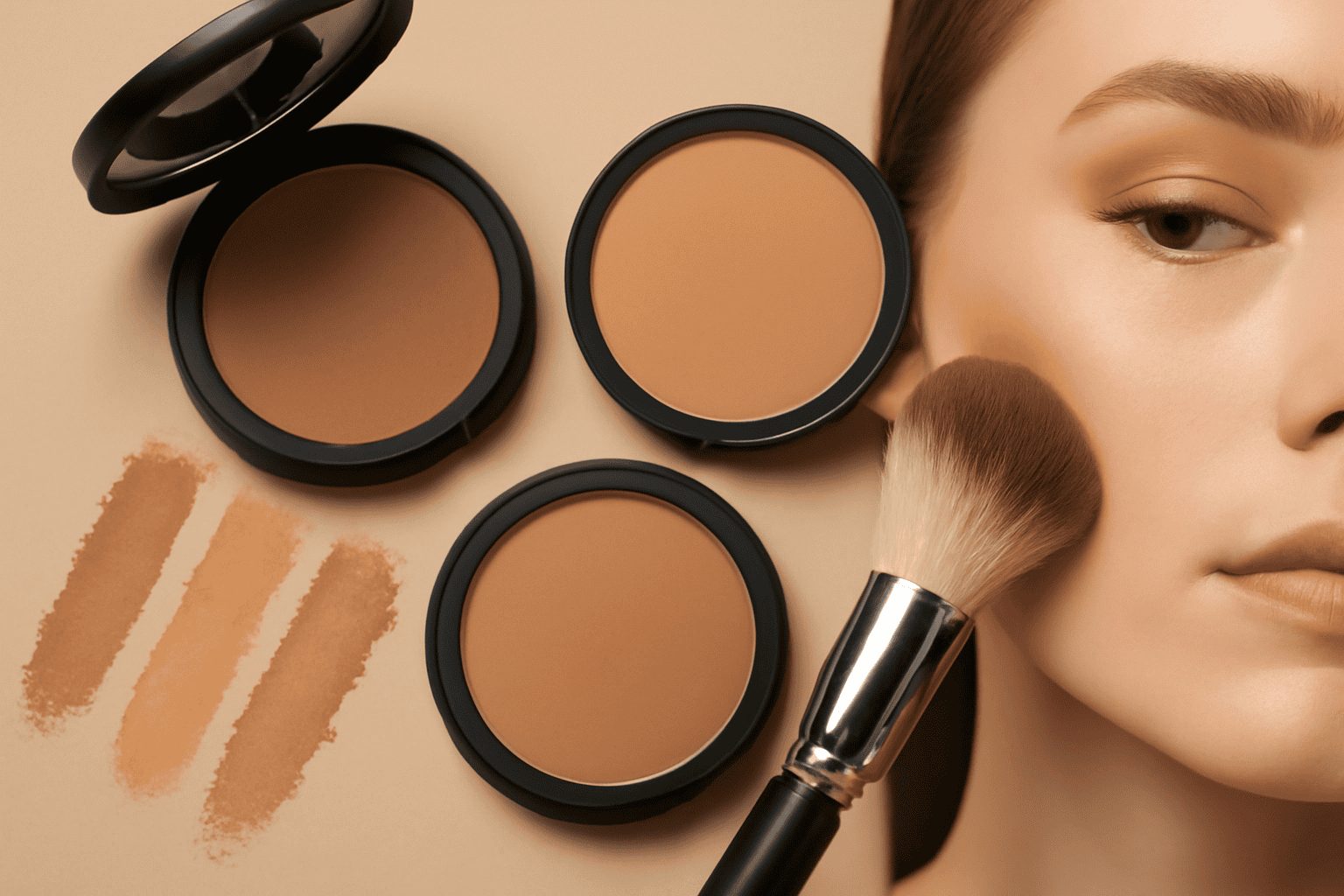
Best Blush and Bronzer for Acne-Prone Skin
The best blush and bronzer for acne-prone skin add color without adding congestion, irritation, or obvious texture. In most cases, acne-prone skin does best with lightweight powder formulas, smooth creams that fully set, and non-comedogenic products without heavy fragrance or greasy emollient payoff.
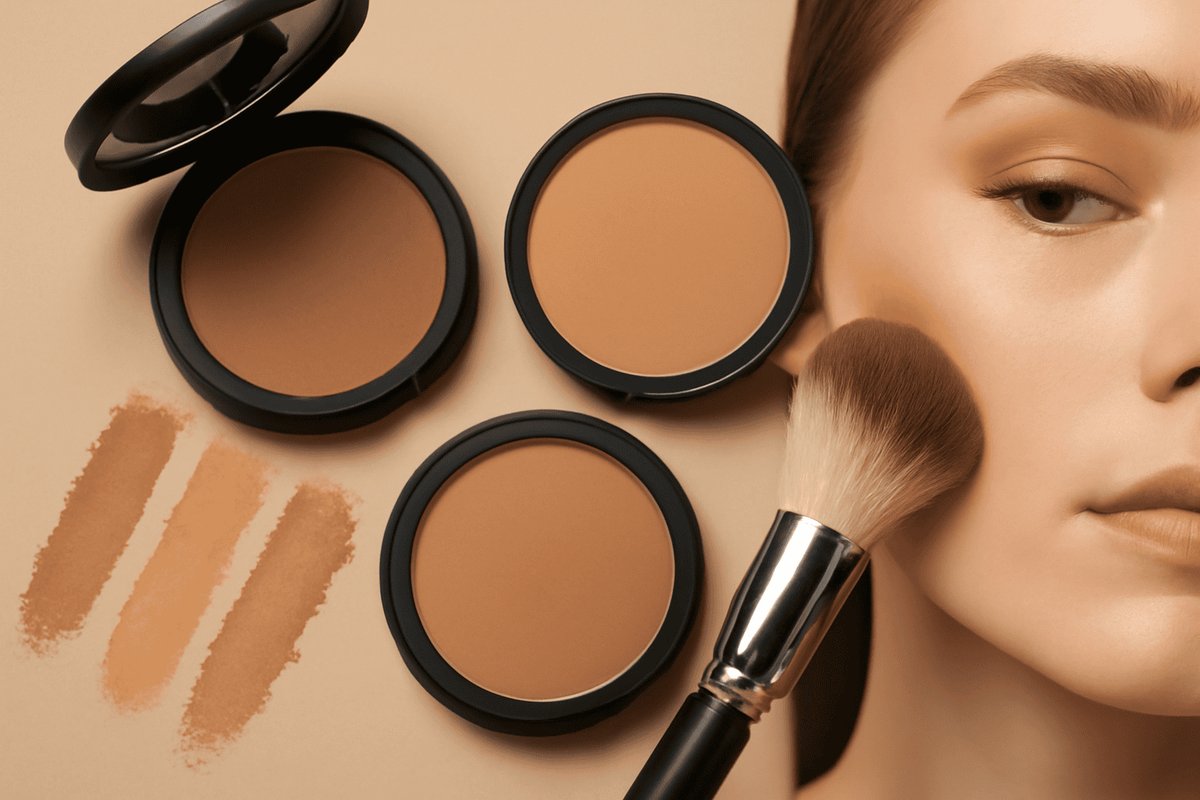
The wrong cheek product can emphasize every bump on your face. The right one brings life back without drawing attention to texture.
Quick Answer: The best blush and bronzer for acne-prone skin are powder formulas labeled non-comedogenic and fragrance-free — powders sit lighter on skin and are less likely to clog pores than cream or liquid formats.
What Acne-Prone Skin Needs From Blush and Bronzer
Light texture
Bulky, balm-like products can feel great in the pan and questionable on breakout-prone cheeks.
Buildable pigment
Highly pigmented formulas are not automatically bad, but buildable products are easier to control over textured areas.
A finish that flatters texture
Flat matte can look dry. Very shiny shimmer can spotlight bumps. Satin or soft-matte is usually the sweet spot.
Best Blush Types for Acne-Prone Skin
Pressed powder blush
Pressed powder is often the easiest and safest option, especially if you have active breakouts on the cheeks. It is lightweight and easier to control.
Liquid blush that sets down
A thin liquid blush can work beautifully if it dries without staying tacky.
Soft cream blush
Cream formulas are better when they are smooth and not overly emollient.
Best Bronzer Types for Acne-Prone Skin
Finely milled powder bronzer
This is the most forgiving bronzer format for acne-prone skin because it can be diffused lightly.
Cream bronzer with a dry-touch finish
If you prefer creams, look for one that sets and does not remain slippery on the skin.
What to Avoid
Glittery cheek products
Shimmer does not just reflect light. It reflects attention to texture.
Greasy balm bronzers on breakout-heavy cheeks
Not universally bad, but risky if your skin clogs easily.
Fragrance-heavy formulas
Acne-prone skin does not need extra irritation on inflamed areas.
Application Tips That Keep Cheeks Looking Better
Avoid pressing too hard over active breakouts
Use a soft brush and gentle placement.
Keep most product on clearer zones
Sweep blush slightly above the most inflamed areas when possible.
Less is more
A whisper of color is often more flattering than a dense stripe of pigment over uneven texture.
Clean your brushes often
Cheek brushes pick up oil, sunscreen, and bacteria faster than people think.
Powder vs Cream for Acne-Prone Skin
Choose powder if you are very oily or actively breaking out
Powder is usually easier to control and less likely to disturb underlying concealer.
Choose cream if your skin is dry from acne treatments
But pick creams that dry down well and do not stay tacky.
Placement Tricks That Make Breakouts Less Noticeable
Thoughtful placement matters almost as much as the formula. If cheek acne is concentrated low and central, placing blush slightly higher and farther out can bring color to the face without spotlighting texture. Bronzer usually looks best around the perimeter of the face rather than dusted directly across inflamed areas. The goal is soft dimension, not heavy sculpting over active bumps.
FAQ: Best Blush and Bronzer for Acne-Prone Skin
Is powder or cream blush better for acne-prone skin?
Powder is usually better for oily or actively broken-out skin, while set-down creams may work better for drier skin.
Can bronzer clog pores?
Any complexion product can be a problem depending on the formula and your skin response. Non-comedogenic, lightweight formulas are the safer bet.
Should acne-prone skin avoid shimmer blush?
Usually yes if texture is a concern. Satin or soft-matte finishes are more forgiving.
Where should I apply blush if I have cheek acne?
Try placing it slightly higher on the cheekbone and keep the most intense color away from inflamed spots.
Sources
- U.S. Food and Drug Administration. Cosmetics labeling guide.
- Environmental Working Group. Skin Deep cosmetic ingredient safety database.
- European Commission. CosIng: cosmetic ingredient database.
- Reviews on hypoallergenic cosmetics and contact dermatitis. PubMed search.
- Reviews on non-comedogenic cosmetics and acne. PubMed search.
Related Articles
- Best Non-Comedogenic Foundations
- Best Primers for Breakout-Prone Skin
- How to Apply Bronzer Naturally
- Best Matte Bronzers for Fair Skin
- Best Powders for Oily Skin Without Cakiness
📚 Part of our Best Acne-Safe Makeup in 2026 hub. Explore all our acne-safe makeup guides.