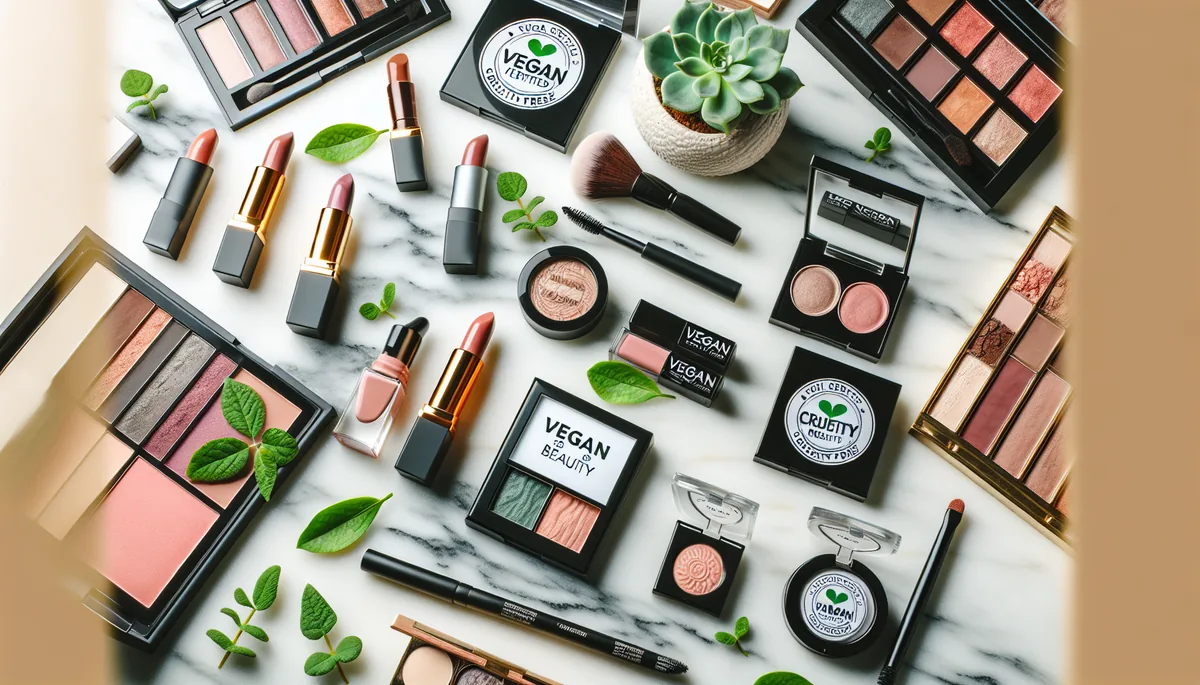
Vegan makeup has moved from niche to mainstream, but the label still confuses shoppers. At the simplest level, vegan makeup means the product does not contain animal-derived ingredients. That sounds straightforward until you start reading ingredient lists and realize how often beeswax, carmine, lanolin, keratin, collagen, silk powder, or animal-derived glycerin can show up in beauty products.
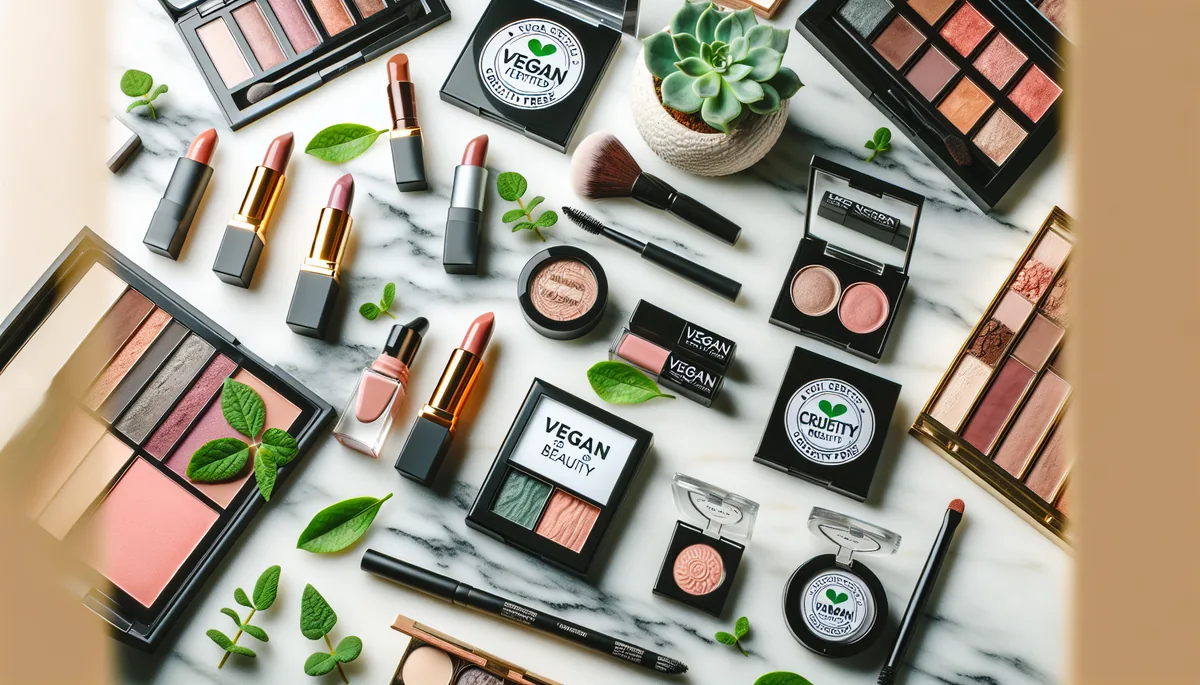
Vegan makeup contains no animal-derived ingredients and is not tested on animals (though technically cruelty-free and vegan are separate certifications). Common animal-derived ingredients in conventional makeup include carmine (cochineal beetle-derived red/pink pigment), beeswax (used as a thickener in lipstick, mascara, and pencils), lanolin (wool grease, used in lip products and foundations), keratin (from hair/feathers, in nail and hair products), silk powder, collagen (animal-derived), and guanine (fish scales, used in pearlescent products). Vegan alternatives exist for all of these – synthetic carmine replacements (synthetic D&C Red dyes, plant-based pigments), candelilla wax and carnauba wax replace beeswax, and plant-derived squalane replaces shark-derived.
- Carmine (CI 75470) is the most commonly encountered non-vegan ingredient in cosmetics: it is extracted from cochineal scale insects and produces vivid red/pink/purple hues that are extremely stable; synthetic alternatives (synthetic iron oxides, D&C Red 27, 33, 40) exist but may have slightly different hue characteristics that formulators adjust for in professional lines.
- Beeswax (Cera Alba) is the standard structuring ingredient in lipstick formulas – it provides the rigid melting-point-stable structure that allows a lipstick bullet to hold its shape; vegan replacements (candelilla wax from Euphorbia antisyphilitica plant, carnauba from Brazilian palm) have different melting points and textures that require formulation adjustment.
- The cruelty-free versus vegan distinction matters: cruelty-free means no animal testing at any stage of development; vegan means no animal-derived ingredients; a product can be cruelty-free but not vegan (uses animal ingredients but was not tested on animals) or vegan but not cruelty-free.
- Certifications to look for: Leaping Bunny (cruelty-free), PETA’s Beauty Without Bunnies (cruelty-free and vegan options), Vegan Society certified (ingredients and process), and The Vegan Trademark – brands with third-party certification have undergone supply chain audits rather than making self-declared claims.
- Vegan formulations have improved dramatically in performance: early vegan makeup (2010-2016) struggled with inferior pigment payoff, shorter wear time, and limited shade range; modern vegan formulas using high-performance synthetic pigments, plant-derived waxes, and advanced polymer technology match or exceed conventional formulas in most performance categories.
The upside is that vegan makeup is now easy to build across every category, from foundation to mascara to lipstick. The hard part is making sure a product is truly vegan rather than just marketed with plant-forward language.
What Vegan Makeup Means
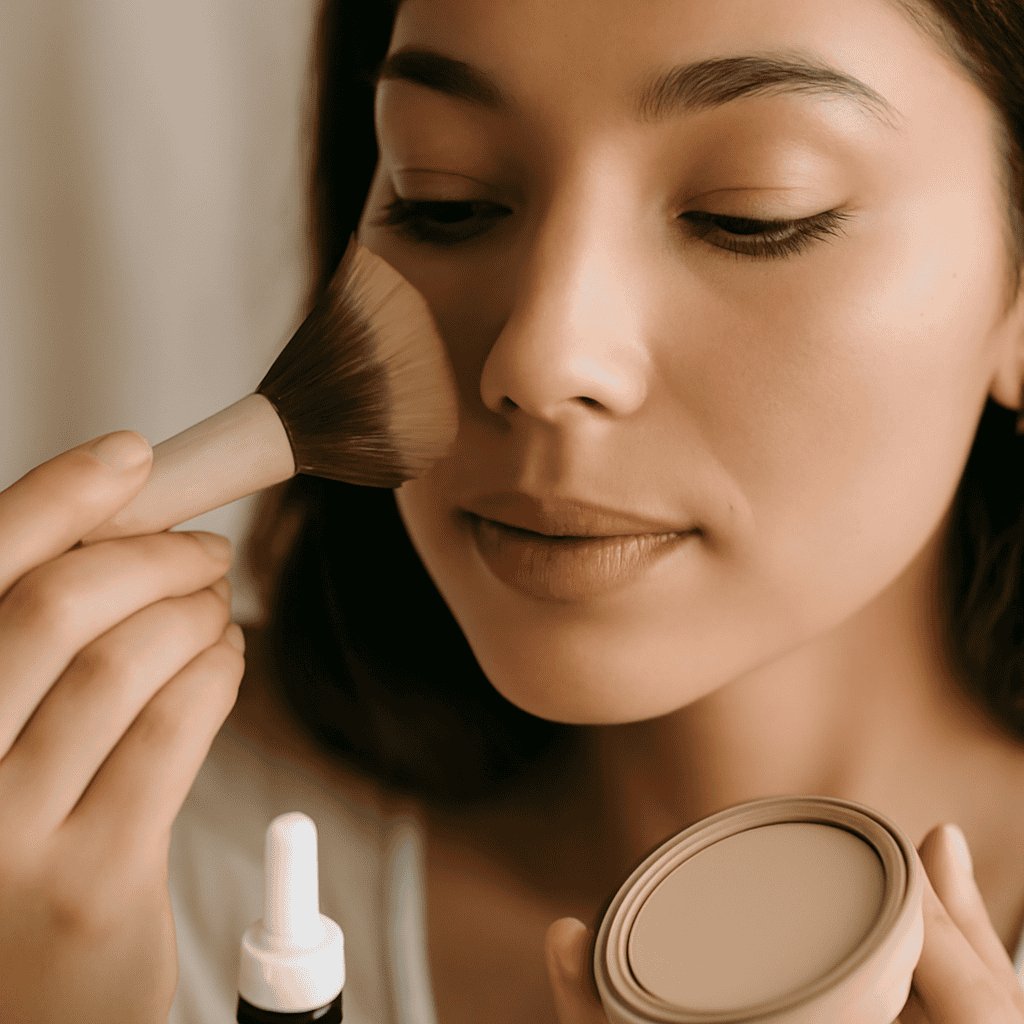
Vegan makeup is made without animal-derived ingredients or byproducts.
That means a vegan lipstick or mascara should not contain ingredients such as:
- Beeswax
- Carmine
- Lanolin
- Keratin
- Collagen from animal sources
- Silk powder
- Honey or propolis
A product can be vegan without being fully clean, natural, or fragrance-free. Those are separate claims.
Vegan Makeup vs Cruelty-Free
This is where shoppers get tripped up.
Vegan
Means the formula does not contain animal-derived ingredients.
Cruelty-Free
Means the product or brand is positioned as not involving animal testing.
A product can be vegan but not cruelty-free. A product can also be cruelty-free but not vegan. The strongest buys for many shoppers are products that are both.
Why Vegan Makeup Keeps Growing
Vegan formulas have improved fast. Years ago, vegan products were often criticized for weak pigment, shorter wear, or drier textures. That gap has narrowed. Today, many vegan brands compete on performance first and ethics second, which is exactly why the category has become easier to recommend.
Other reasons people choose vegan makeup include:
- Ethical concerns about animal-derived ingredients
- Sensitivity to common byproducts like lanolin
- Preference for clearer brand standards
- Overlap with cruelty-free or sustainability goals
Common Vegan Makeup Categories Worth Starting With
Foundation
Vegan foundation is one of the easiest swaps because many modern liquid and serum formulas are already free of obvious animal-derived ingredients.
Concealer
This is a smart category to research because dryness, texture, and wear time vary a lot. A good vegan concealer should perform just as well as conventional options.
Mascara
Mascara can be trickier because beeswax is common in traditional formulas. Vegan mascara is one of the best categories to verify carefully.
Lipstick
Lip formulas are another area where beeswax, carmine, and lanolin can show up, so a certified vegan option makes shopping easier.
Product Recommendations
1. e.l.f. Halo Glow Liquid Filter and complexion range
Widely accessible and strong on vegan positioning across many products.
Best for: Budget-conscious vegan shoppers.
2. Pacifica mascaras and lip products
Pacifica has long been associated with vegan beauty and is easy to find online and in stores.
Best for: Everyday vegan staples.
3. Milk Makeup Hydro Grip ecosystem and color products
A popular option for trend-aware shoppers looking for modern textures.
Best for: Contemporary vegan makeup routines.
4. KVD Beauty Good Apple and complexion products
Well-known vegan positioning with higher-performance base options.
Best for: Fuller coverage vegan makeup.
5. Rare Beauty and Urban Decay select vegan products
Not every product in every brand is vegan, so item-level checking matters.
Best for: Shoppers who want mainstream options with vegan picks.
How to Shop Vegan Makeup Smarter
Look for Clear Certification or Brand Language
Third-party certification or highly specific product labeling is better than vague marketing words like botanical or conscious.
Read the Ingredient List for Repeat Offenders
Learn the big ones: beeswax, carmine, lanolin, keratin, collagen, silk, honey, and propolis.
Verify Product by Product
A brand may sell some vegan products without being a fully vegan brand.
Pair Vegan With Your Other Priorities
You may also need fragrance-free, acne-safe, mature-skin-friendly, or budget-friendly formulas. Vegan is one filter, not the only filter.
FAQ: Vegan Makeup
What is vegan makeup?
Vegan makeup is makeup made without animal-derived ingredients or animal byproducts such as beeswax, carmine, lanolin, or keratin.
Is vegan makeup the same as cruelty-free?
No. Vegan refers to ingredients, while cruelty-free refers to animal testing policy. The two terms overlap, but they are not identical.
How do I know if makeup is really vegan?
Check for clear labeling, certification when available, and ingredient lists that do not include common animal-derived ingredients.
Is vegan makeup better for sensitive skin?
Not automatically. A vegan product can still contain fragrance or other irritating ingredients, so sensitive-skin shoppers should still read labels carefully.
Which makeup ingredients are not vegan?
Common non-vegan ingredients include beeswax, carmine, lanolin, honey, keratin, collagen, silk powder, and propolis.
Sources and Notes
- Vegan beauty guidance from established certification and industry education sources
- Ingredient-level distinction between vegan and cruelty-free terminology
This article is educational and should not replace checking the latest brand disclosures, certifications, or ingredient labels before purchase.
This article may contain affiliate links. We may earn a small commission at no extra cost to you when you purchase through our links.
Related Articles
- Cruelty-Free Makeup Guide: How to Verify Claims
- Yuzbashian E, Moftah S, Chan CB (2023). Graduate Student Literature Review: A scoping review on the impact of consumption of dairy products on phosphatidylcholine and lysophosphatidylcholine in circulation and the liver in human studies and animal models. Journal of dairy science. PMID: 36400621.
- Best Cruelty-Free Drugstore Makeup
- Clean Beauty vs Conventional Makeup
- Best Non-Toxic Makeup in 2026
Sources
- Graduate Student Literature Review: A scoping review on the impact of consumption of dairy products on phosphatidylcholine and lysophosphatidylcholine in circulation and the liver in human studies and animal models. Journal of dairy science. 2023. PMID: 36400621.
- American Academy of Dermatology. Is it okay to wear makeup? AAD.org.
- Leaping Bunny. Cruelty-free certification FAQ.
- Cruelty-Free Makeup Guide: How to Verify Claims
- Best Cruelty-Free Makeup Brands for 2026