
Makeup Brands to Check During Pregnancy
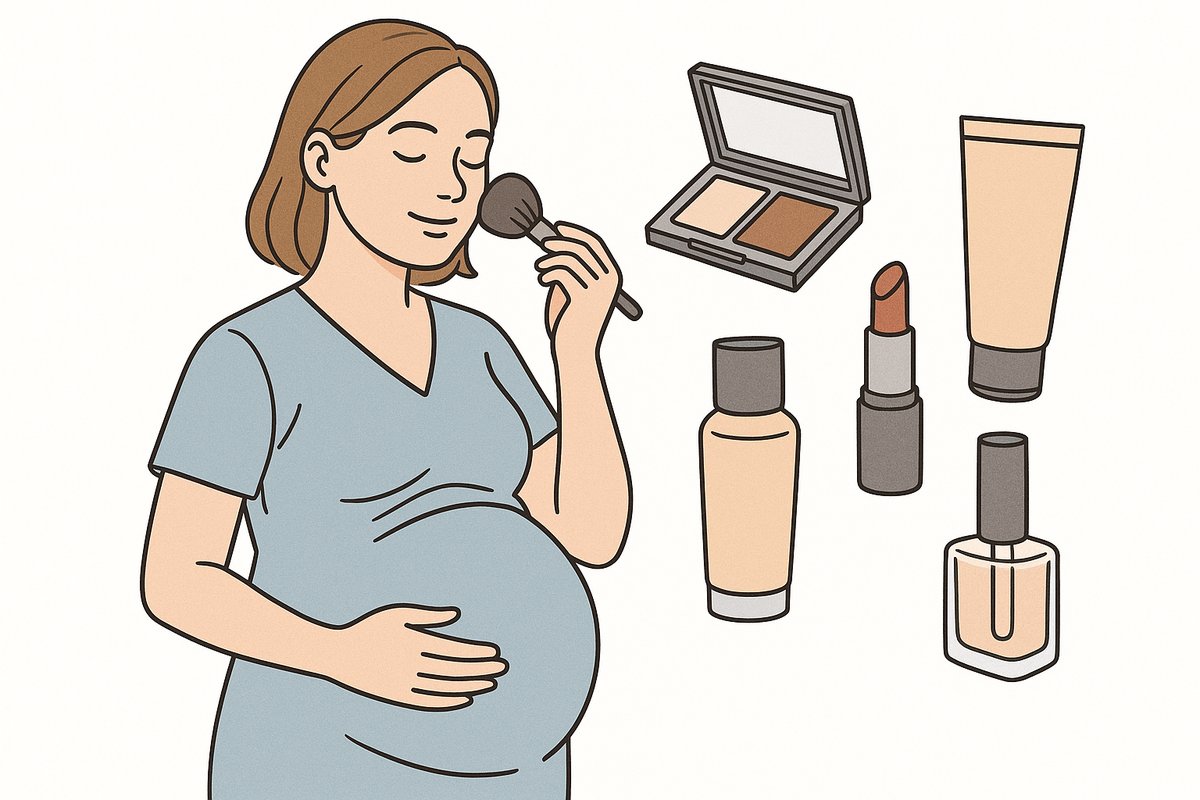
Pregnancy changes how many people shop for beauty products. Even if you have worn the same mascara, foundation, and lip color for years, pregnancy often makes ingredient lists matter more. The goal is usually not to find a perfect brand with zero controversy. It is to find brands that publish clear ingredient lists, avoid unnecessary actives in core makeup products, and make it easier to ask smart questions.
That is why search interest around makeup brands people check during pregnancy keeps growing. Most shoppers are not looking for a doctor-approved master list. They are looking for brands that are easier to vet when they want a more cautious routine.
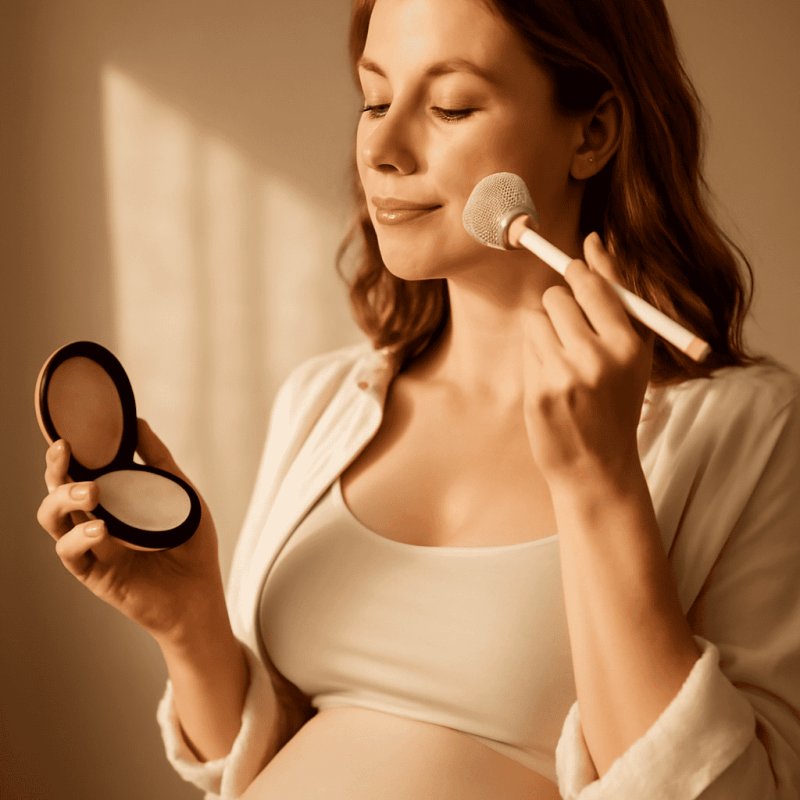
Quick Answer: During pregnancy, ingredient-conscious consumers evaluate makeup brands using the EWG Skin Deep database, checking for retinoids, synthetic fragrances, oxybenzone, and formaldehyde-releasing preservatives — no regulatory body certifies makeup as pregnancy-safe.
What makes a makeup brand easier to check during pregnancy?
A pregnancy-conscious shopper usually cares about transparency more than marketing buzzwords. Terms like clean, non-toxic, and natural can be vague. What actually helps is:
- full ingredient lists on the brand site
- consistent product naming across retailers
- customer service that answers formulation questions
- fewer makeup products loaded with skincare actives
- straightforward lip, complexion, and eye formulas
Brands that hide ingredients behind partial disclosures or confusing shade pages are usually harder to evaluate.
Makeup brands many people look at during pregnancy
These are brands that often come up in pregnancy-conscious beauty conversations. That does not mean every product from every brand is right for every person. It means they are commonly checked because they tend to offer simpler products, clearer labeling, or a reputation for ingredient transparency.
bareMinerals
bareMinerals often comes up because loose mineral foundation feels simpler to many shoppers than serum-foundation hybrids packed with treatment claims. Its complexion products are also widely available, which makes ingredient comparison easier.
Honest Beauty
Honest Beauty is frequently checked by shoppers who want accessible formulas and straightforward marketing. It is not automatically the answer for every category, but it is commonly reviewed for mascaras, tinted products, and lip items.
ILIA
ILIA is popular with pregnancy-conscious shoppers because it sits at the intersection of makeup and ingredient-aware beauty. The caution here is that hybrid products still need product-by-product review, especially if they include active skincare positioning.
Saie
Saie is another brand that gets attention for minimal-feeling complexion products and modern ingredient-conscious branding. Many shoppers like it for lighter base products, although glow-focused formulas may not suit everyone.
Burt’s Bees
Burt’s Bees often gets checked for tinted lip products and balm-style formulas. It appeals to shoppers who want easier everyday products rather than dramatic long-wear liquid lip formulas.
How to evaluate a brand the smart way
Check the product category first
Mascara, powder blush, and tinted lip balm are not the same risk conversation as a makeup-skincare hybrid promising resurfacing, brightening, and anti-aging benefits. Start with products that stay closer to basic cosmetic function.
Watch for retinoids and strong treatment actives
Pregnancy-conscious shoppers often avoid retinoids because major medical guidance generally recommends avoiding topical retinoids during pregnancy. If a base product includes retinol or another vitamin A derivative, many people move on.
Be cautious with heavily fragranced formulas
Even when fragrance is not the main medical concern, pregnancy often increases scent sensitivity. A strongly fragranced foundation or lipstick can become unusable fast.
Save screenshots of ingredient lists
Beauty formulas change. If you find a product you feel good about, save the ingredient list or paste it into your notes before reordering later.
Best product types to prioritize first
If you do not want to replace your whole makeup bag, start with the products you use most often:
- foundation or skin tint
- concealer
- lip balm or lipstick
- mascara
- SPF makeup hybrid
Those products drive most daily exposure and are the easiest place to simplify.
Common mistakes people make
Assuming a whole brand is either safe or unsafe
That is rarely how beauty formulas work. One brand may have a simple mineral foundation and a separate serum product full of ingredients you would rather skip.
Replacing everything at once
That usually creates stress and wasted money. A better move is replacing the products you use every day and checking the rest over time.
Key Takeaways
- No regulatory body specifically certifies makeup as pregnancy-safe — consumers must evaluate ingredients themselves.
- EWG Skin Deep database provides ingredient-level hazard ratings and is a practical starting point for brand evaluation.
- Brands marketing specifically to pregnant consumers typically reformulate to remove the most common concerns.
- Clean-beauty and organic labels do not automatically mean pregnancy-safe — check ingredients regardless.
- The most impactful changes: switch to mineral SPF, remove retinoids, choose fragrance-free formulas for daily-use products.
- Daily-use products (foundation, moisturizer, sunscreen) warrant the most scrutiny — occasional-use products are lower priority.
FAQ
What makeup brands do people check during pregnancy?
Many people check brands like bareMinerals, Honest Beauty, ILIA, Saie, Burt’s Bees, and Physicians Formula because they are often seen as easier to review for ingredient transparency or simpler product types.
Is there a makeup brand that is fully pregnancy-safe?
Not in a blanket sense. Pregnancy-conscious shopping is usually done product by product, not brand by brand.
What should I avoid in makeup during pregnancy?
Many people avoid retinoids, hydroquinone, and strong treatment-style actives in cosmetic hybrids. Your OB-GYN or dermatologist can help with gray-area ingredients.
Is clean beauty automatically better during pregnancy?
No. Clean is a marketing term, not a medical category. Ingredient transparency matters more than branding language.
How to evaluate a makeup brand during pregnancy
The absence of a regulatory “pregnancy-safe” certification means consumers are effectively left to self-evaluate. Here is a practical framework for doing that without getting overwhelmed.
Start with your highest-use products
Not all products carry equal concern based on total daily exposure. Highest priority to review: foundation (full-face coverage, worn 8+ hours daily), sunscreen (often daily full-body application), moisturizer (applied twice daily), mascara (near mucous membranes), and lip products (partially ingested). Lower priority: eyeshadow (intermittent use), nail polish (skin absorption minimal with ventilation), occasional-use products like bronzer or highlighter.
Using EWG Skin Deep effectively
The Environmental Working Group’s Skin Deep database (ewg.org/skindeep) allows ingredient-level searching for individual products, rating each ingredient on a hazard scale of 1-10 and providing a composite score for the full product. Important caveat: EWG scores reflect hazard level, not necessarily risk at cosmetic use doses. Use it as a screening tool, not a definitive verdict.
Brand-specific evaluation
Brands that market specifically to pregnant and nursing consumers typically have done the formulation work proactively: removing oxybenzone (substituting zinc oxide or titanium dioxide), removing retinoids, using phenoxyethanol-based preservative systems instead of formaldehyde releasers, avoiding synthetic fragrance, and avoiding DEA compounds. However, brand claims should still be verified — “clean” and “natural” are not regulated terms and mean whatever the brand chooses to define them as.
A practical transition approach
Replace foundation with a mineral SPF, fragrance-free alternative first (highest daily exposure). Then replace concealer and moisturizer. Work through lip products (partial ingestion potential). Address mascara (proximity to mucous membranes). Lower-use products can be addressed at your own pace or as they run out naturally.
Evaluating Specific Product Categories During Pregnancy: A Quick Reference Guide
Rather than evaluating every product individually, using a quick reference framework by product category makes the evaluation process faster and more consistent throughout pregnancy.
Foundation: what matters most
Priority checks: mineral SPF vs chemical SPF, fragrance or fragrance-free, retinoid presence (rare but worth confirming for anti-aging foundations). Most modern foundations from reputable brands pass the basic checks — the most common issue is chemical SPF, which is easily resolved by switching to a mineral SPF foundation.
Concealer
Priority checks: retinoid presence (more likely in anti-aging or eye area concealers), fragrance, preservative system. Concealers applied under the eye are in a higher-absorption area than those applied on the cheeks. Extra care in the undereye area is warranted.
Powder: blush, bronzer, setting powder
Priority checks: fragrance, coal tar dyes if using very bold colors, preservative system. Powders are generally lower-concern than liquids or creams because they have lower absorption rates. The main practical concern is fragrance, which is present in many powder products.
Lip products
Priority checks: retinoids (more likely in plumping or anti-aging lip products), fragrance, parabens. Because lip products are partially ingested, these priority checks matter more here than for products applied elsewhere. Unscented, natural wax-based lip balms are the lowest-concern option for daily use.
Eye products
Priority checks: synthetic fragrance, formaldehyde-releasing preservatives, alcohol content (in liquid liners). For mascara specifically, replace every 3 months and never share. The high vascularization of the eye area makes ingredient quality more relevant here than for many other products.
Related Articles
- Best Pregnancy-Safer Foundations: What to Prioritize When Shopping
- Clean Mascaras for Pregnancy-Conscious Buyers: What Actually Matters
- Pregnancy-Safer Lip Products: What to Look For in Balms, Tints, and Lipsticks
- Pregnancy-Safer Makeup Ingredients to Avoid: A Practical Label-Reading Guide
Sources
- Murase JE, Heller MM, Butler DC. Safety of dermatologic medications in pregnancy and lactation: Part I. Pregnancy. J Am Acad Dermatol. 2014;70(3):401.e1-14.
- Bozzo P, Chua-Gocheco A, Einarson A. Safety of skin care products during pregnancy. Can Fam Physician. 2011;57(6):665-667.
- FDA: Cosmetics Safety Q&A — Are cosmetics tested for safety?
- Relevant peer-reviewed sources for this topic. Accessed 2026.
📚 Part of our Pregnancy-Safer Makeup Guide hub. Explore all our pregnancy beauty guides.