
Before stacking supplements, you need to understand what you’re fighting. López-Otín’s landmark 2013 paper (updated in 2023) identified nine — now twelve — hallmarks of aging. Here are the four that drive most of the interventions discussed in this guide:
Mitochondrial Dysfunction
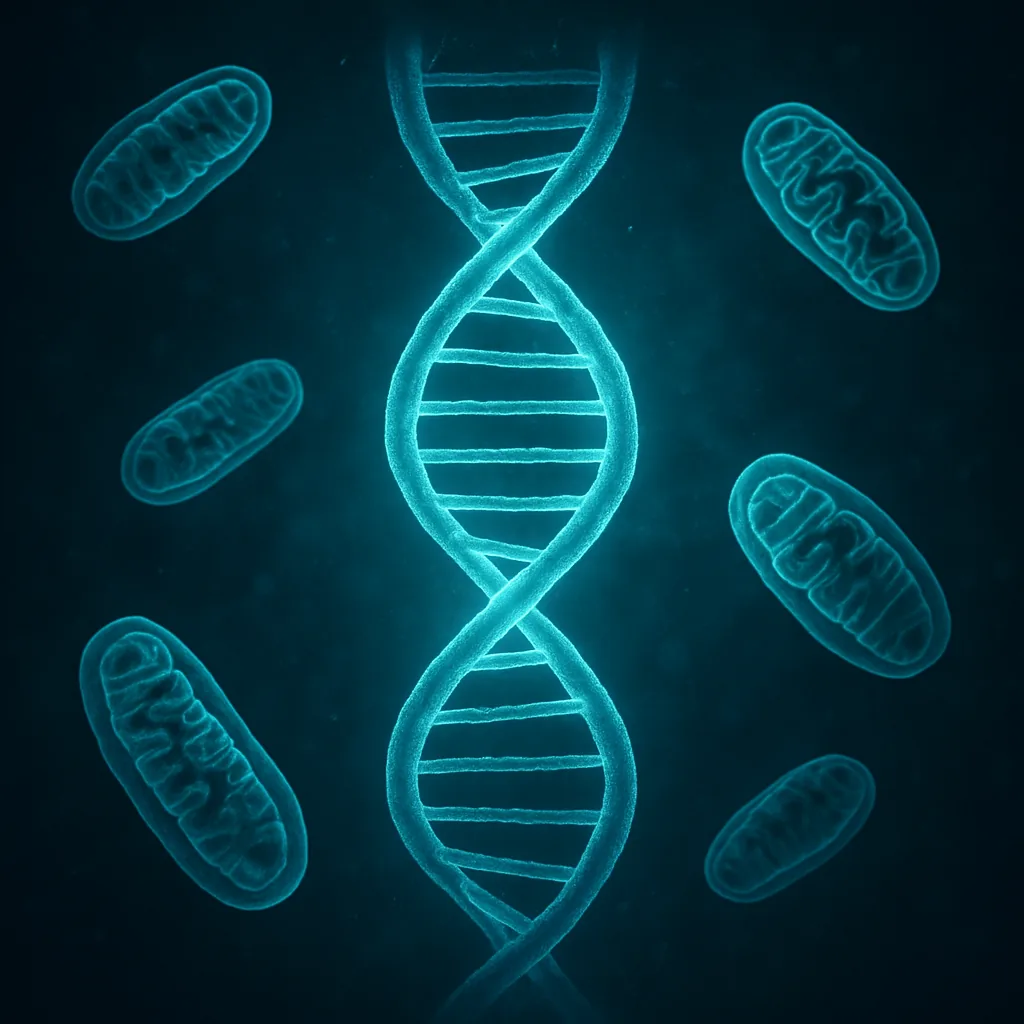
Mitochondria don’t just produce ATP — they regulate cellular stress signals, apoptosis, and metabolic flexibility. As we age, mitochondrial membranes become damaged by reactive oxygen species (ROS), electron transport chain efficiency drops, and mitochondrial biogenesis slows. The result: cells that are energy-starved and inflammatory. This isn’t cosmetic decay. Mitochondrial dysfunction is upstream of cognitive decline, metabolic disease, cardiovascular aging, and muscular deterioration.
The key insight here is selectivity. Not all ROS are bad — some are necessary for signaling. The goal isn’t eliminating oxidative stress; it’s reducing mitochondria-specific membrane damage while preserving hormetic stress signals.
Cellular Senescence
Senescent cells are cells that have stopped dividing but haven’t died. Under normal biology, they serve a purpose — they slow wound healing and trigger immune clearance. But as we age, immune surveillance weakens, and senescent cells accumulate. These “zombie cells” secrete a cocktail of pro-inflammatory cytokines called the senescence-associated secretory phenotype (SASP), which degrades neighboring tissue and accelerates dysfunction in surrounding cells.
Crucially, senescent cells are causative, not correlative. Clearing them in animal studies extends healthspan. That’s why senolytics — compounds that selectively kill senescent cells — represent one of the most exciting categories in anti-aging research.
NAD+ Decline
Nicotinamide adenine dinucleotide (NAD+) is a coenzyme involved in hundreds of metabolic reactions, but its longevity relevance comes from two things: it’s a required substrate for sirtuins (longevity-linked deacetylases) and for PARP enzymes (DNA repair). By age 50, most people have roughly half the NAD+ of a 20-year-old. Sirtuin activity declines in parallel, reducing the cell’s ability to manage oxidative stress, maintain metabolic flexibility, and repair DNA damage.
The NAD+ field has also generated controversy — particularly around whether oral precursors like NMN and NR actually raise tissue NAD+ meaningfully in humans. The short answer is: probably yes, but the magnitude and tissue specificity matter more than the headline claim.
Telomere Attrition
Telomeres are the protective caps on chromosome ends. Each cell division shortens them slightly. When telomeres become critically short, the cell either senesces or apoptosizes. Average telomere length is a rough proxy for biological age, though the rate of shortening matters more than absolute length.
Importantly, telomere length is modifiable — lifestyle, oxidative stress, inflammation, and specific compounds all influence it. This isn’t about making cells immortal (that’s cancer’s approach); it’s about maintaining the buffer zone long enough to avoid premature cellular death.
Mitochondrial Support: Energy at the Root
Mitochondrial interventions divide into two categories: those that protect existing mitochondria and those that stimulate new mitochondrial biogenesis.
MOTS-C is a mitochondria-derived peptide — one of the first identified peptides encoded in mitochondrial DNA rather than nuclear DNA. It activates AMPK (the cellular energy sensor), improves insulin sensitivity, and appears to extend lifespan in animal models. What makes MOTS-C unusual is its dual role: it functions as both a metabolic regulator and a stress-response signal. When mitochondria are under pressure, MOTS-C release increases, coordinating a systemic response.
SS-31 (Elamipretide) works differently — it binds directly to cardiolipin, a phospholipid unique to the inner mitochondrial membrane. Cardiolipin oxidation is one of the primary mechanisms by which mitochondria become dysfunctional under oxidative stress. SS-31 stabilizes cardiolipin, preserves cristae architecture, and improves ATP synthesis efficiency. It’s shown impressive results in models of heart failure, ischemia-reperfusion injury, and age-related muscle decline.
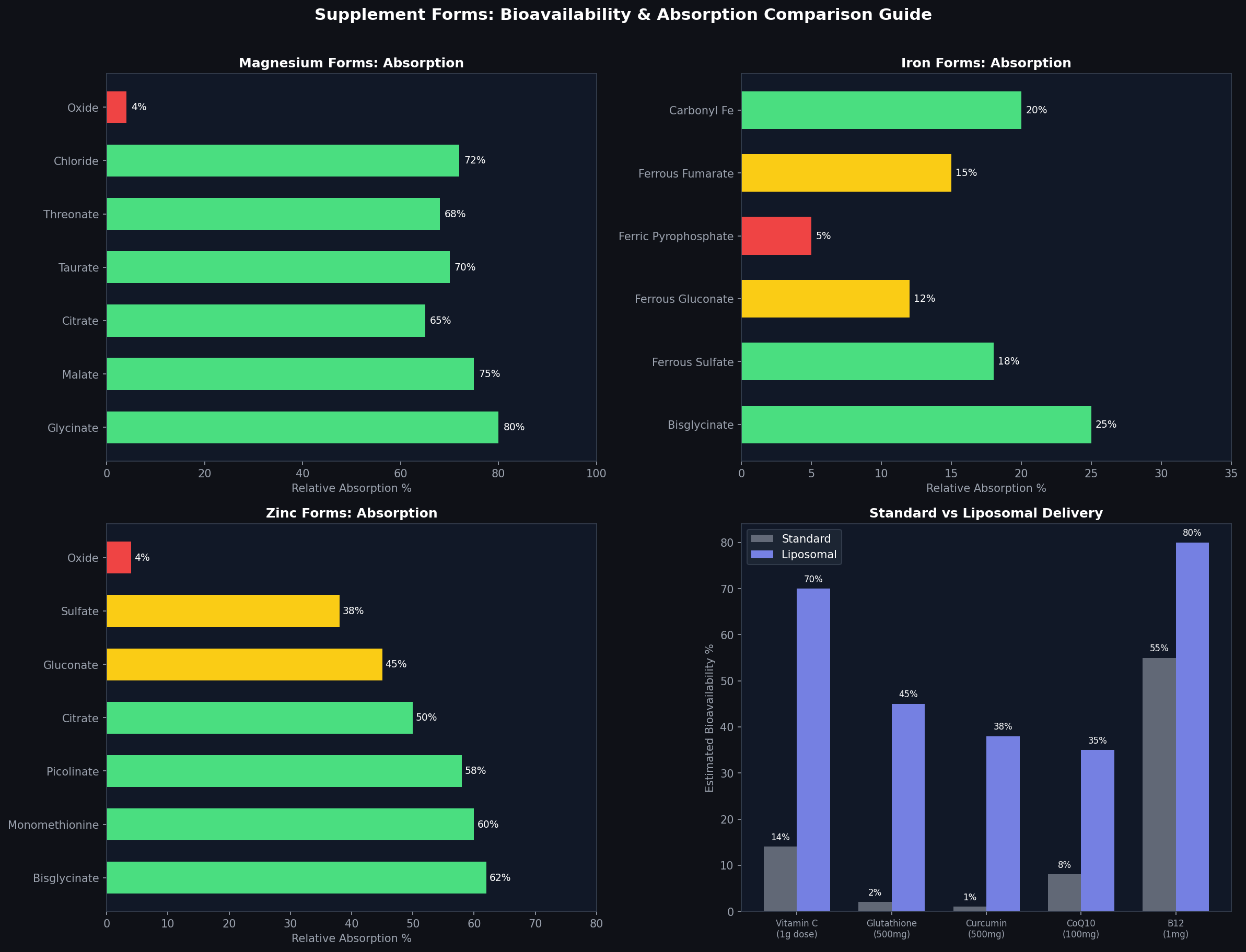
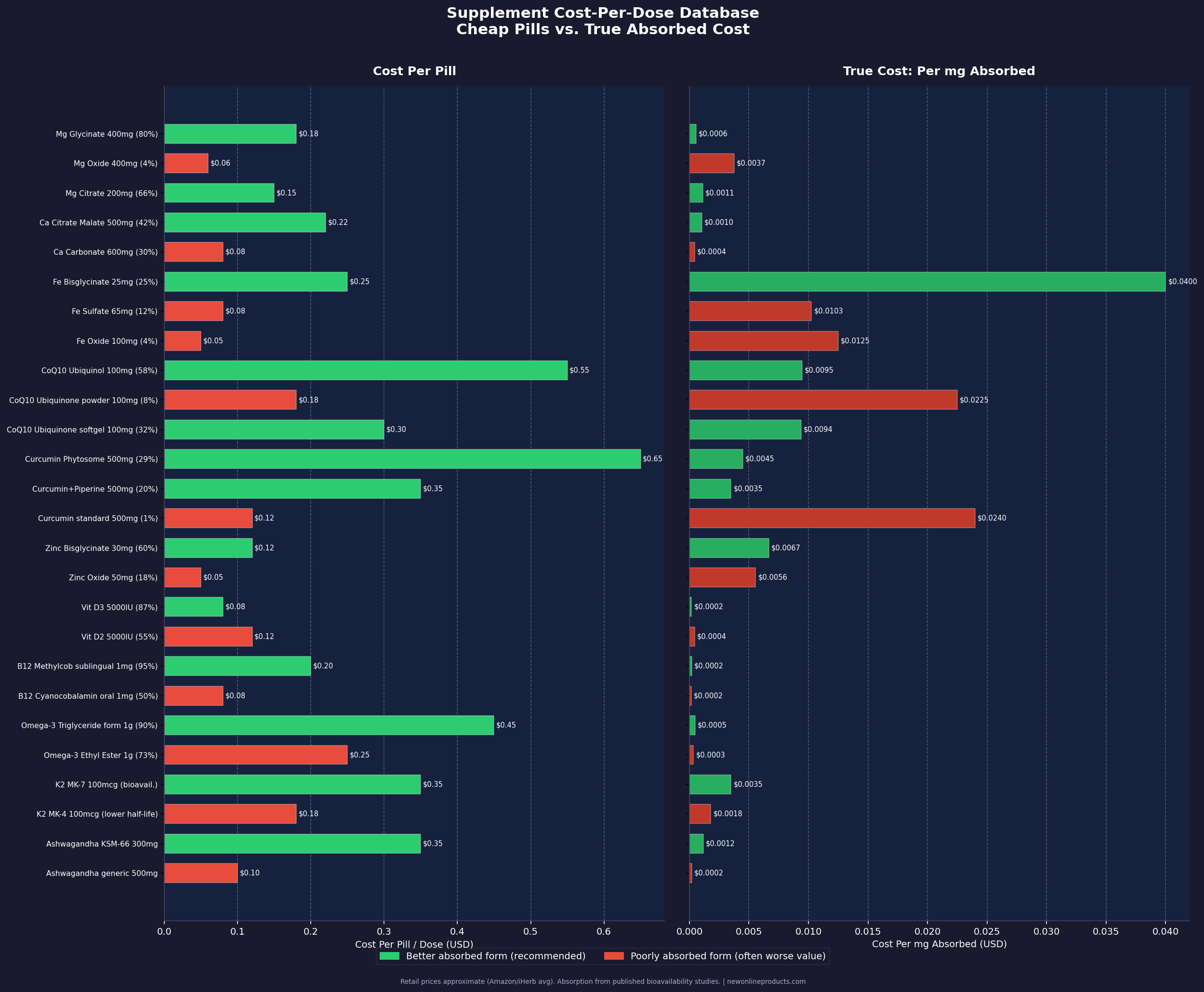
CoQ10 sits in the electron transport chain as a critical electron carrier between Complexes I/II and Complex III. Endogenous CoQ10 production declines with age (and is suppressed by statins). Ubiquinol — the reduced, active form — is significantly better absorbed in older populations. CoQ10 alone won’t move the longevity needle dramatically, but as foundational mitochondrial support, it’s one of the clearest cost-benefit wins in the stack.
PQQ (Pyrroloquinoline quinone) stimulates mitochondrial biogenesis via PGC-1α signaling — the same pathway activated by exercise. Unlike CoQ10, PQQ doesn’t just protect existing mitochondria; it encourages the cell to grow new ones. Paired with CoQ10, it covers both ends: biogenesis and efficiency.
Alpha-ketoglutarate (AKG) is a TCA cycle intermediate with emerging longevity data. In mice, calcium-AKG supplementation extended lifespan and, more strikingly, compressed morbidity — reducing frailty more than it extended median lifespan (Asadi Shahmirzadi et al., Cell Metabolism, 2020). In humans, early observational data from Demidenko et al. (Aging (Albany NY), 2021) reported an average DNA-methylation biological age reduction of roughly 8 years over 7 months in users of a calcium-AKG product — promising but uncontrolled. AKG appears to influence epigenetic aging via DNA methylation patterns and supports metabolic function as a cofactor for several longevity-relevant enzymes.
Creatine is typically discussed in the muscle context, but its longevity relevance is broader. Creatine replenishes ATP directly via the phosphocreatine system, reduces mitochondrial oxidative stress, and shows neuroprotective effects relevant to cognitive aging. In older populations, creatine supplementation has shown benefits for both muscle mass maintenance and cognitive function — two major determinants of healthspan quality.
Senolytics & Cellular Cleanup: Clearing the Zombie Cells
The senolytic strategy is one of the most conceptually elegant in longevity science: identify cells that are causing damage, selectively eliminate them, and let the body regenerate with healthier tissue.
Fisetin is currently the most studied naturally-derived senolytic. A 2018 study from Scripps Research Institute and the University of Minnesota (with Mayo Clinic collaborators), Yousefzadeh et al. in EBioMedicine, found it reduced senescent cell burden in aging mice and extended median lifespan. In human cells, fisetin induces apoptosis in senescent cells while largely sparing healthy ones — the essential selectivity a senolytic needs. It also has independent antioxidant and anti-inflammatory activity, making it useful even outside of pulse dosing.
Quercetin works via similar apoptotic pathways and is frequently paired with dasatinib in research protocols (the “D+Q” combination that comes up repeatedly in clinical senolytic literature). As a standalone supplement, quercetin’s senolytic activity is less potent than fisetin, but it contributes meaningfully to the stack — particularly because it also inhibits PI3K/AKT signaling pathways relevant to both senescence and cancer suppression.
The key strategic point about senolytics: they work best on a pulse-dose cycle, not daily. Taking them continuously may paradoxically reduce efficacy — the mechanism is acute apoptosis induction, not chronic suppression. The common research-inspired protocol involves several days of higher-dose administration every 4-8 weeks, then a washout period. Daily low-dose use is likely subtherapeutic for senolytic purposes (though quercetin has other reasons to be used daily).
NAD+ & Sirtuins: The Epigenetic Control Layer
The NAD+ system functions like a master dimmer switch for cellular maintenance. When NAD+ is high, sirtuins (SIRT1–7) are active — they deacetylate histones and other proteins, regulate gene expression, coordinate DNA repair, and modulate metabolic flexibility. When NAD+ drops, this entire system loses bandwidth.
NMN (Nicotinamide mononucleotide) is the most direct NAD+ precursor — it converts to NAD+ via a single enzymatic step. David Sinclair’s lab at Harvard has published extensively on NMN’s effects in mice: improved vascular function, reversed muscle aging, and restored fertility in aged female mice. Human trials are fewer but growing. A 2021 trial by Yoshino et al. in Science found that 10 weeks of 250 mg/day NMN increased muscle insulin sensitivity in prediabetic postmenopausal women, and subsequent human trials have reported increases in blood NAD+ metabolites at similar doses.
NR (Nicotinamide riboside) takes one additional metabolic step to reach NAD+. It’s slightly better characterized in human trials (ChromaDex, the NR producer, has funded substantial clinical research). Both NMN and NR likely achieve similar endpoints; NMN may convert more efficiently in some tissues.
The controversy: A subset of researchers argues that orally-ingested NAD+ precursors are rapidly degraded in the gut and liver before reaching target tissues, particularly the brain and muscle. The rebuttal is that CD38 inhibition (which reduces NAD+ degradation) — achievable via apigenin or quercetin — amplifies the effect of precursors. More human trials are needed. In the meantime, precaution suggests treating NAD+ support as one layer of the stack, not the whole stack.
Resveratrol activates SIRT1 independently of NAD+ — technically it’s a SIRT1 deacetylase activating compound (STAC). Real-world human data is complicated by poor bioavailability of trans-resveratrol. Pterostilbene (the methylated analog) is more bioavailable and may be the smarter choice. Both are best taken with fatty food. Their role in the stack is supporting sirtuin activity as a complement to NAD+ precursors, not a replacement.
Telomere & DNA Support: Playing the Long Game
Epithalon is a tetrapeptide (Ala-Glu-Asp-Gly) derived from the pineal gland peptide extract studied extensively by Vladimir Khavinson in Russia over several decades. Its proposed mechanism: activation of telomerase, the enzyme that lengthens telomeres. In human cell studies, Epithalon has demonstrated telomerase activation and telomere elongation. Clinical studies are primarily Russian and observational, but the data is more extensive than most people realize — 35+ years of human use with documented effects on biomarkers of aging, cancer incidence, and melatonin regulation.
Epithalon also appears to have antioxidant and anti-cancer activity independent of its telomere effects, likely via regulation of p53 and oxidative stress pathways.
Astragalus (specifically TA-65) is the other main telomerase activator in the supplement world. The active compound, cycloastragenol, has been studied in human trials and shown modest but real increases in telomere length and reductions in short telomeres — the biologically dangerous ones — over 12 months. Cost is the main barrier; pharmaceutical-grade cycloastragenol is expensive.
The honest framing: telomere support is a long game. Don’t expect to feel different. These interventions are about maintaining biological headroom over years, not weeks.
Antioxidant & Glutathione Pathways: Defense Without Overdoing It
The nuance here is critical: systemic antioxidant suppression is not the goal. Reactive oxygen species at low levels act as signaling molecules, triggering adaptive responses (mitophagy, heat shock proteins, NRF2 activation). This is hormesis — mild stress makes the system stronger.
The goal is targeted antioxidant support, particularly within mitochondria, combined with upregulation of endogenous antioxidant systems rather than blunt external supplementation.
GlyNAC — the glycine + NAC combination — is one of the most compelling recent entries in the longevity stack. A 2021 Baylor College of Medicine clinical trial in older adults found that 24 weeks of GlyNAC supplementation improved mitochondrial function, reduced oxidative stress, corrected glutathione deficiency, improved insulin resistance, and improved muscle strength. Not many supplements produce that breadth of effect in a randomized human trial. The mechanism is elegant: glycine and NAC are rate-limiting precursors for glutathione synthesis, and both decline with age. Supplementing them restores endogenous glutathione production rather than flooding the system with exogenous antioxidants.
Glutathione taken directly presents an absorption challenge — oral glutathione is degraded in the GI tract. Liposomal and S-acetyl glutathione formulations have improved bioavailability substantially. Used alongside GlyNAC, direct glutathione supplementation provides both immediate antioxidant capacity and precursor support.
Alpha-Lipoic Acid (ALA) is both a direct antioxidant and a glutathione recycler. It regenerates vitamins C and E after they’ve been oxidized and can regenerate glutathione from GSSG. It’s also an NRF2 activator at appropriate doses. One caution: high-dose ALA may actually suppress some hormetic responses. Moderate dosing (200-600mg/day) is likely optimal for most applications.
Peptides for Longevity: The Precision Layer
Peptides deserve a category of their own because they operate with a specificity that small molecules typically can’t match. They bind to receptors or cellular structures with high precision, producing targeted effects without the broad off-target activity of many supplements.
MOTS-C — discussed above in the mitochondrial section — is the founding member of a class now called “mitochondria-derived peptides” (MDPs). Its systemic signaling role puts it at the intersection of metabolic and longevity biology.
Epithalon — covered in the telomere section — exemplifies how peptides from endocrine glands can regulate aging-related gene expression. Khavinson’s broader body of work on “cytomax” and “cytogen” peptides suggests organ-specific peptides may act as bioregulators that reset aging transcriptomes toward younger expression patterns.
SS-31 — the mitochondria-targeting peptide — reaches the inner mitochondrial membrane specifically due to its alternating aromatic-cationic structure, which allows it to penetrate the strongly negative membrane potential of mitochondria. This is precision drug delivery at the molecular level.
GHK-Cu (Copper Peptide GHK-Cu) activates over 4,000 genes in human cells according to gene expression analyses, with a pronounced effect on genes governing tissue repair, anti-inflammatory pathways, and antioxidant defense. GHK-Cu declines dramatically with age — levels in a 60-year-old are roughly 60% lower than in a 20-year-old. Restoration via supplementation appears to reactivate dormant tissue repair programs. It’s one of the few interventions that affects multiple aging hallmarks simultaneously: senescence, oxidative stress, inflammation, and matrix degradation.
Putting It Together: A Prioritization Framework
With this many interventions available, the most common mistake is trying to start everything at once. Better to build in layers:
Layer 1 — Foundation (Start Here)
- CoQ10 (Ubiquinol 200–400mg/day)
- GlyNAC (Glycine 3g + NAC 3g/day)
- Creatine monohydrate (5g/day)
- Quercetin (500–1000mg/day)
These four are well-studied, affordable, have robust human data, and work across multiple pathways. Start with these for 8–12 weeks before adding more.
Layer 2 — Core Stack
- NAD+ precursor: NMN (500mg/day) or NR (300–500mg/day)
- Fisetin pulse dose (1–2g/day for 2–3 days, every 4–8 weeks)
- ALA (300–600mg/day, R-ALA preferred)
- Liposomal Glutathione (as needed / 2–4x/week)
Layer 3 — Advanced
- MOTS-C (peptide, injection or sublingual — research ongoing on dosing)
- Epithalon (peptide, cycled 10–20 days, 1–2x/year)
- SS-31 (peptide, requires research-grade sourcing)
- GHK-Cu (topical for skin/hair; systemic forms available)
Strategic notes:
- Pulse senolytics. Don’t take fisetin daily for senolytic purposes — it needs burst dosing.
- Stack for synergy. NAD+ precursors + sirtuin activators + mitochondrial support is more than additive.
- Track something. Biological age tests (TruMe, Elysium, Glycanage) give you actual feedback on whether the stack is working. Otherwise you’re guessing.
- Lifestyle is the base layer. Exercise (especially HIIT and resistance), sleep, and dietary restriction remain the highest-effect-size longevity interventions. The stack accelerates what lifestyle starts.
Frequently Asked Questions
What’s the single most important longevity supplement?
There isn’t one. Aging is multi-pathway, and single-target interventions have limited ceiling effects. If forced to pick one category, mitochondrial support (CoQ10 + GlyNAC) has the most consistent human trial backing with the best safety profile.
Is NMN better than NR?
Probably similar in systemic effect. NMN converts to NAD+ in one step and may be preferable for muscle tissue. NR has a larger body of published human trials. Either is a reasonable choice; cost and availability often drive the decision.
Are peptides safe to use without medical supervision?
Peptides like MOTS-C, Epithalon, and SS-31 are research peptides — not FDA-approved supplements. They’re available through research peptide suppliers and used by many informed longevity enthusiasts, but they fall outside the typical supplement regulatory framework. Consulting a longevity-focused physician is recommended before use.
How long before I see results?
Foundational supplements (CoQ10, GlyNAC, creatine) often produce noticeable energy and recovery effects within 4–8 weeks. Telomere and epigenetic interventions operate on timescales of months to years. Biological age testing at 6-month intervals is the most useful feedback mechanism.
Can I take all of these together?
Interactions are generally mild at therapeutic doses, but the volume of pills is a real consideration. Starting with Layer 1 and adding gradually lets you identify any individual sensitivities before the stack becomes complex. A few caution points: high-dose ALA may reduce thyroid hormone availability; resveratrol has mild CYP450 interactions; peptides should be spaced from food.
What role does diet play alongside supplements?
Enormous. Caloric restriction remains the most robustly-proven longevity intervention in animal models. Time-restricted eating activates many of the same pathways (AMPK, sirtuins, autophagy) as the supplements above. A nutrient-dense, low-inflammatory dietary baseline amplifies everything in this stack.
Sources & Further Reading
- López-Otín C, et al. (2023). Hallmarks of aging: An expanding universe. Cell, 186(2), 243–278.
- Yoshino M, Yoshino J, Kayser BD, et al. (2021). Nicotinamide mononucleotide increases muscle insulin sensitivity in prediabetic women. Science, 372(6547):1224–1229.
- Robbins PD, et al. (2018). Senolytic therapy alleviates age-related physical dysfunction. Nature Medicine.
- Kumar P, Liu C, Suliburk J, et al. (2021). Supplementing glycine and N-acetylcysteine (GlyNAC) in older adults improves glutathione deficiency, oxidative stress, mitochondrial dysfunction, inflammation, insulin resistance, and muscle strength. Clinical and Translational Medicine.
- Asadi Shahmirzadi A, et al. (2020). Alpha-ketoglutarate, an endogenous metabolite, extends lifespan and compresses morbidity in aging mice. Cell Metabolism, 32(3):447–456.e6. PMID: 32877690.
- Demidenko O, et al. (2021). Rejuvant, a potential life-extending compound formulation with alpha-ketoglutarate and vitamins, conferred an average 8-year reduction in biological age in human subjects. Aging (Albany NY).
- Khavinson VK, et al. (2003). Epithalon peptide induces telomerase activity. Neuro Endocrinology Letters.
- Campbell MD, Duan J, Samuelson AT, et al. (2019). Improving mitochondrial function with SS-31 reverses age-related redox stress and improves exercise tolerance in aged mice. Free Radical Biology and Medicine, 134:268–281. PMID: 30597195.
- Yousefzadeh MJ, Zhu Y, McGowan SJ, et al. (2018). Fisetin is a senotherapeutic that extends health and lifespan. EBioMedicine, 36:18–28. PMID: 30279143.
Related Articles
- MOTS-C: The Mitochondria-Derived Peptide Rewriting Longevity Science
- Epithalon Peptide Guide: Telomeres, Sleep, and Biological Age
- SS-31 (Elamipretide): Mitochondrial Precision Peptide
- GHK-Cu Copper Peptide: The Master Repair Signal
- Fisetin: The Senolytic Flavonoid
- GlyNAC: The Glutathione Stack That Impressed Clinical Researchers
- Best Glutathione Supplements in 2026
- Best CoQ10 Supplements in 2026
- Alpha-Lipoic Acid: Antioxidant and NRF2 Activator
- NAD+ Supplements: NMN, NR, and the Sirtuin Connection
- Creatine for Cognitive Health
Disclaimer: This article is for educational purposes only. These statements have not been evaluated by the FDA. This content is not intended to diagnose, treat, cure, or prevent any disease. Consult a qualified healthcare provider before beginning any supplement or peptide protocol.
Sources
- Alzheimer’s disease and type 2 diabetes mellitus are distinct diseases with potential overlapping metabolic dysfunction upstream of observed cognitive decline. Brain pathology (Zurich, Switzerland). 2019. PMID: 30106209.
- High-content screening identifies ganoderic acid A as a senotherapeutic to prevent cellular senescence and extend healthspan in preclinical models. Nature communications. 2025. PMID: 40128218.
- Metabolic analysis of sarcopenic muscle identifies positive modulators of longevity and healthspan in C. elegans. Redox biology. 2025. PMID: 40544604.
- Potential Modulation of Sirtuins by Oxidative Stress. Oxidative medicine and cellular longevity. 2016. PMID: 26788256.
- NAD⁺ supplementation for anti-aging and wellness: A PRISMA-guided systematic review of preclinical and clinical evidence. Ageing research reviews. 2026. PMID: 41655607.
Sources
- PubMed Central — NIH database of peer-reviewed biomedical and life sciences literature on aging and longevity research
- Examine.com — Evidence-based summaries of supplement efficacy and mechanisms for anti-aging interventions
- ConsumerLab — Third-party testing and quality verification of dietary supplements and nutrients
- National Institute on Aging (NIA) — Evidence-based resources on aging biology, longevity, and age-related health
- Labdoor — Independent lab testing and ratings of supplements for purity, potency, and label accuracy