SS-31 Elamipretide: The Mitochondrial Peptide Explained (2026)
Quick Answer: SS-31 (Elamipretide) is a synthetic tetrapeptide in clinical development that directly targets cardiolipin in the inner mitochondrial membrane. Unlike typical supplements, it’s a pharmaceutical compound designed to stabilize mitochondrial structure, improve energy production, and reduce oxidative stress. It has received FDA Fast Track designation for Barth syndrome and is being investigated for heart failure, inherited optic nerve disease, and mitochondrial myopathy. It is not yet available as a consumer supplement.
Mitochondria have moved from biology textbook footnote to front-page longevity science—and for good reason. These organelles don’t just make energy; they regulate cell death, govern inflammation, and appear to drive many of the hallmarks of aging. SS-31, also known as Elamipretide, is perhaps the most targeted pharmaceutical attempt yet to intervene directly at the mitochondrial membrane. This article covers what it is, how it works, what the clinical evidence looks like, and why researchers believe it could matter well beyond rare disease—potentially touching how we age.
What Is SS-31 (Elamipretide)?
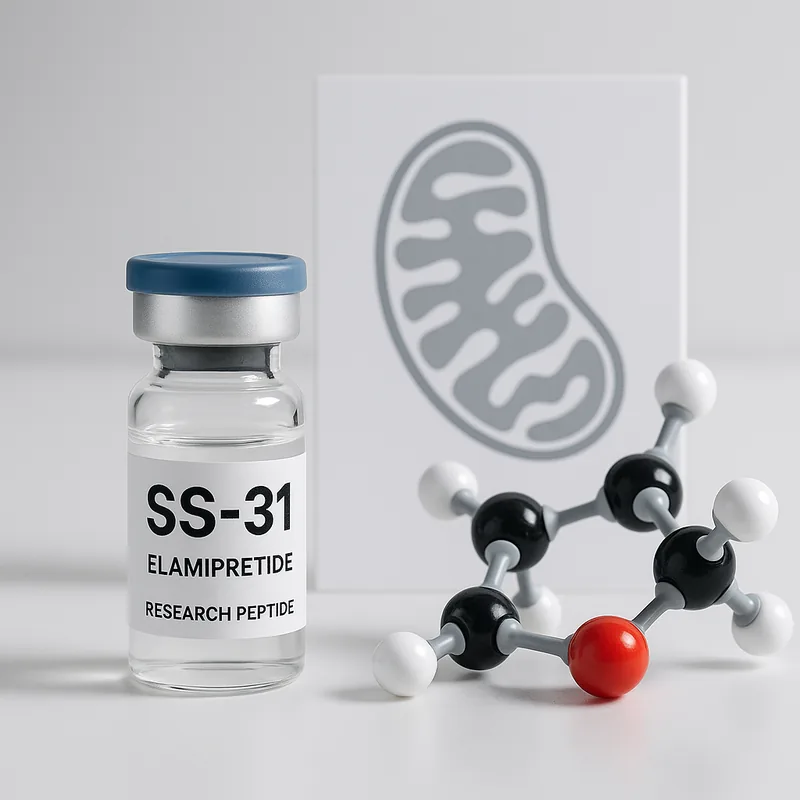
SS-31 is a synthetic aromatic-cationic tetrapeptide—a short chain of four amino acids—developed to penetrate the inner mitochondrial membrane and bind to a specific phospholipid called cardiolipin. Its full chemical sequence is D-Arg-Dmt-Lys-Phe-NH₂, where Dmt stands for 2′,6′-dimethyltyrosine. The “SS” designation refers to the Szeto-Schiller peptides, named after the researchers who developed the compound—Hazel Szeto at Cornell and Peter Schiller at the Clinical Research Institute of Montréal.
What makes SS-31 unusual is its target. Most molecules struggle to cross the double membrane system of the mitochondria. SS-31’s alternating aromatic and cationic residues give it both the electrical charge needed to be drawn toward the strongly negative mitochondrial membrane potential and the structural properties needed to anchor within the lipid bilayer itself. It concentrates in the inner mitochondrial membrane at levels up to 1,000-fold higher than cytoplasmic concentrations—a level of specificity that most drug candidates never achieve.
Cardiolipin, SS-31’s binding target, is found almost exclusively in the inner mitochondrial membrane and constitutes roughly 20% of its total lipid composition. It plays a structural and functional role in anchoring the electron transport chain (ETC) complexes and maintaining cristae—the folded inner membrane structures where ATP synthesis occurs. Cardiolipin integrity is not a passive concern: it declines with age, disease, and oxidative stress, and when it degrades, the entire respiratory machinery becomes less efficient.
Mechanism of Action: How SS-31 Works
SS-31 operates through several interconnected mechanisms, all rooted in cardiolipin binding.
Stabilizing Cristae Architecture
The cristae of the inner mitochondrial membrane are not simply decorative folds. Their shape directly determines how efficiently the ETC complexes assemble into supercomplexes—organized clusters that pass electrons between Complex I, III, and IV in a coordinated chain. When cardiolipin is oxidized or depleted, cristae flatten and lose their tight junctions, ETC supercomplexes fall apart, and electron flow becomes inefficient.
SS-31 binds cardiolipin and protects it from peroxidation. By stabilizing the cardiolipin scaffold, SS-31 helps maintain cristae geometry and preserve ETC supercomplex organization. This allows ATP synthase to sit properly in the high-curvature regions of the cristae where it functions most effectively.
Improving Electron Transport Chain Efficiency
By restoring proper ETC complex assembly and cristae architecture, SS-31 improves the efficiency of oxidative phosphorylation. In animal models, SS-31 treatment has been associated with increased ATP production rates, improved coupling efficiency (less proton leak), and restored mitochondrial membrane potential. In aged or diseased tissue where mitochondrial dysfunction is already established, these changes can be substantial.
Reducing Reactive Oxygen Species (ROS)
Cardiolipin is particularly vulnerable to oxidative damage because it’s located near the primary site of ROS generation in the mitochondria. When electron transport goes wrong—electrons “leak” before reaching Complex IV—they react with oxygen to form superoxide. Damaged cardiolipin amplifies this leak, creating a vicious cycle.
SS-31 interrupts this cycle in two ways. First, by protecting cardiolipin from peroxidation, it reduces the structural damage that promotes electron leak. Second, because SS-31 contains Dmt (a tyrosine analog with antioxidant properties), it can directly scavenge ROS at the site of generation. The result is both structural protection and real-time oxidative neutralization, without depleting the mitochondrial membrane potential itself.
Development History: Stealth BioTherapeutics
SS-31 was originally developed in academic labs and later licensed to Stealth BioTherapeutics, a biopharmaceutical company founded specifically to develop the Szeto-Schiller peptide platform. Based in Newton, Massachusetts, Stealth raised over $100 million in capital and advanced multiple clinical programs over the course of a decade.
The company pursued Elamipretide (its INN name) through a range of rare mitochondrial diseases and cardiac indications. In 2020, the company faced significant financial difficulties after a Phase III heart failure trial (ENDEAVOR) missed its primary endpoint, leading to a major restructuring. This is a crucial piece of context for anyone following the SS-31 story: the compound has a rich and ongoing clinical history, but it has also experienced setbacks typical of frontier mitochondrial medicine.
As of the mid-2020s, the underlying intellectual property and clinical programs have continued under successor arrangements and partnerships. Clinical interest in Elamipretide remains active, particularly in genetically defined diseases where mitochondrial dysfunction is the root cause rather than a contributing factor.
Clinical Trials: Where the Evidence Stands
Barth Syndrome (FDA Fast Track)
Barth syndrome is a rare X-linked genetic disorder caused by mutations in the TAZ gene, which is required for the synthesis of mature cardiolipin. Patients—almost exclusively young males—suffer from cardiomyopathy, skeletal muscle weakness, growth retardation, and neutropenia. Mortality in early childhood is significant.
Because Barth syndrome is fundamentally a cardiolipin disease, SS-31 is mechanistically positioned as a near-perfect therapeutic candidate. The FDA granted Fast Track designation for Elamipretide in Barth syndrome. A Phase II trial (TAZPOWER) showed statistically significant improvements in exercise tolerance, skeletal muscle strength (grip strength), and patient-reported fatigue. The six-minute walk test distance improved meaningfully in treated patients versus placebo. An open-label extension continued to show benefit. This remains the strongest clinical signal for Elamipretide to date.
Heart Failure
The cardiac indication attracted the most investment and, ultimately, the most publicized setback. The ENDEAVOR trial was a Phase III randomized controlled trial examining Elamipretide in patients with heart failure with reduced ejection fraction (HFrEF). The trial failed to meet its primary endpoint of improvement in left ventricular end-systolic volume.
However, researchers note that the ENDEAVOR cohort was predominantly stable, treated heart failure patients—a population in which it may be difficult to show structural reversal over a relatively short treatment window. Earlier Phase II work (the MMAD trial in mitochondrial cardiomyopathy and other pilot studies) had shown more encouraging signals, particularly in patients with identified mitochondrial dysfunction at baseline. The field has not abandoned cardiac applications; instead, focus has shifted toward more biologically defined patient subgroups.
Leber’s Hereditary Optic Neuropathy (LHON)
LHON is a maternally inherited mitochondrial disease causing sudden-onset blindness, primarily in young men. It results from mutations in mitochondrially encoded subunits of Complex I. Optic ganglion cells, which have extremely high ATP demands, degenerate rapidly.
Clinical investigation of Elamipretide in LHON patients explored subcutaneous delivery and intravitreal administration. Early studies were exploratory but provided safety data and preliminary signals of visual acuity stabilization in some patients. LHON represents an area where the mechanistic rationale is strong—and where other mitochondrial-targeted therapies (notably Idebenone) have also shown partial benefit.
Primary Mitochondrial Myopathy (PMM)
Primary mitochondrial myopathy is an umbrella term for diseases where genetic mutations in mitochondrial or nuclear DNA impair the respiratory chain in skeletal muscle. Patients experience fatigue, exercise intolerance, weakness, and sometimes multi-organ involvement. The MMPOWER-3 Phase III trial investigated Elamipretide in PMM patients, measuring the distance walked in five minutes (5MWD) and patient-reported fatigue.
Results from this trial were mixed. While the treatment was generally well tolerated and some patients showed clinically meaningful improvement, the trial did not meet its co-primary endpoints in the full population. Exploratory analyses suggested potential benefit in more severely affected subgroups. The complexity of mitochondrial myopathy—genetically heterogeneous, variable phenotype, different levels of heteroplasmy—makes it a challenging population for clinical trials.
SS-31 vs. Other Mitochondrial-Targeting Approaches
The mitochondria-as-longevity-target hypothesis has spawned multiple approaches. Understanding where SS-31 fits requires comparing it against the current landscape.
MOTS-c
MOTS-c is a mitochondria-derived peptide (MDP) encoded within the mitochondrial genome’s 12S rRNA region. Unlike SS-31, MOTS-c is an endogenous peptide—the body actually makes it—and circulating MOTS-c levels decline with age. It appears to regulate metabolic homeostasis through AMPK activation, improve insulin sensitivity, and exert anti-inflammatory effects. Exercise increases MOTS-c levels, offering one explanation for why physical activity improves mitochondrial function systemically.
SS-31 and MOTS-c have different primary mechanisms. SS-31 works structurally—preserving the membrane scaffold. MOTS-c works more as a signaling molecule, coordinating nuclear and mitochondrial gene expression. They are complementary rather than competing, and researchers have begun exploring whether they might synergize. MOTS-c research is still predominantly preclinical in humans, whereas SS-31 has more clinical trial data.
MitoQ
MitoQ (mitoquinone mesylate) is a coenzyme Q10 analog chemically modified with a triphenylphosphonium (TPP+) cation that drives it into the inner mitochondrial membrane. It acts primarily as a lipid-soluble antioxidant, reducing mitochondrial ROS.
MitoQ is commercially available as a dietary supplement, which is a key differentiator from SS-31. It has been studied in Parkinson’s disease, non-alcoholic fatty liver disease, and aging biomarkers. While results have been modest and mixed, MitoQ remains the most commercially accessible mitochondrial-specific antioxidant available today. SS-31’s advantage over MitoQ lies in its more specific binding to cardiolipin and its structural/functional effects beyond antioxidation alone—but SS-31 remains a drug-in-development, not a shelf product.
Coenzyme Q10 (CoQ10)
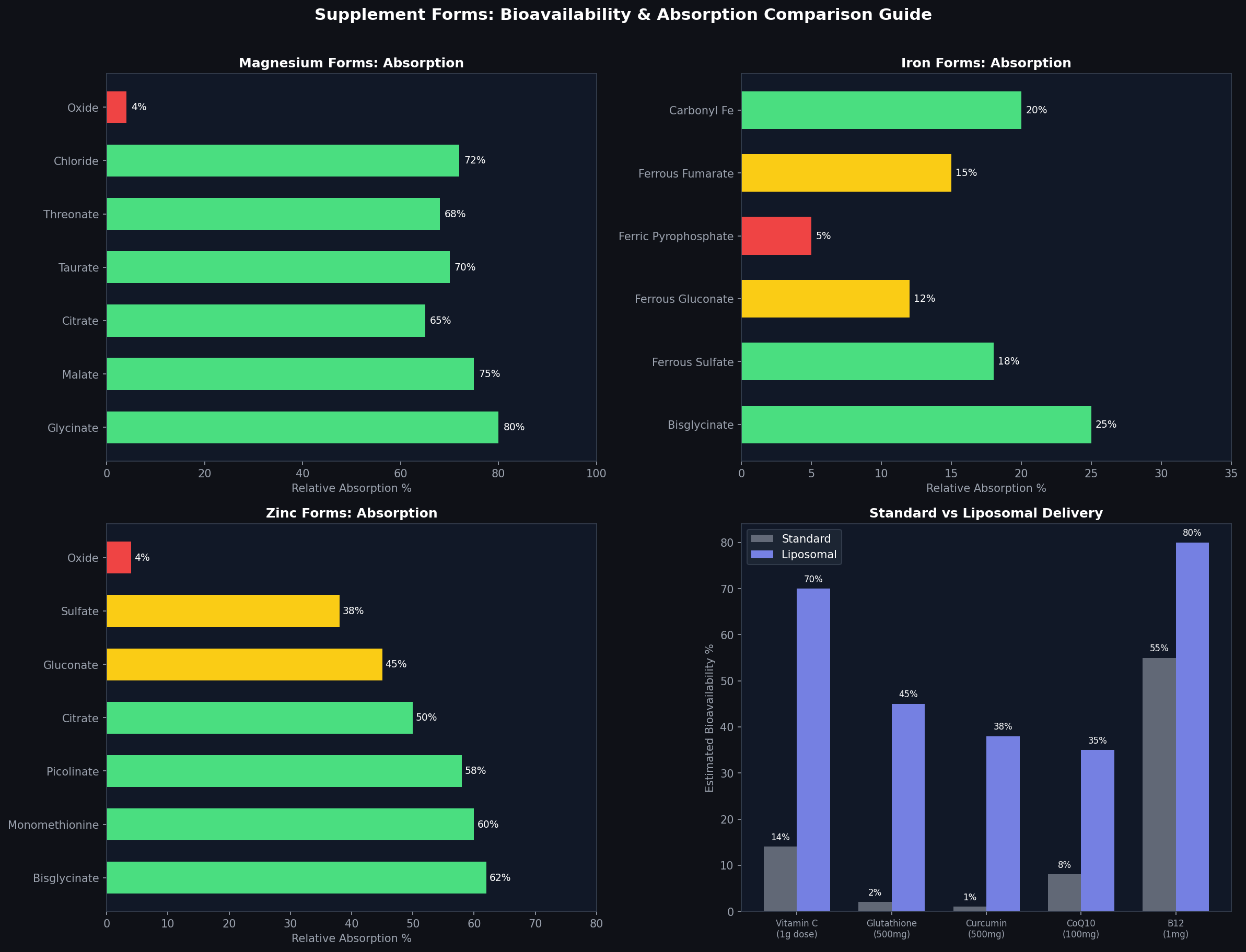
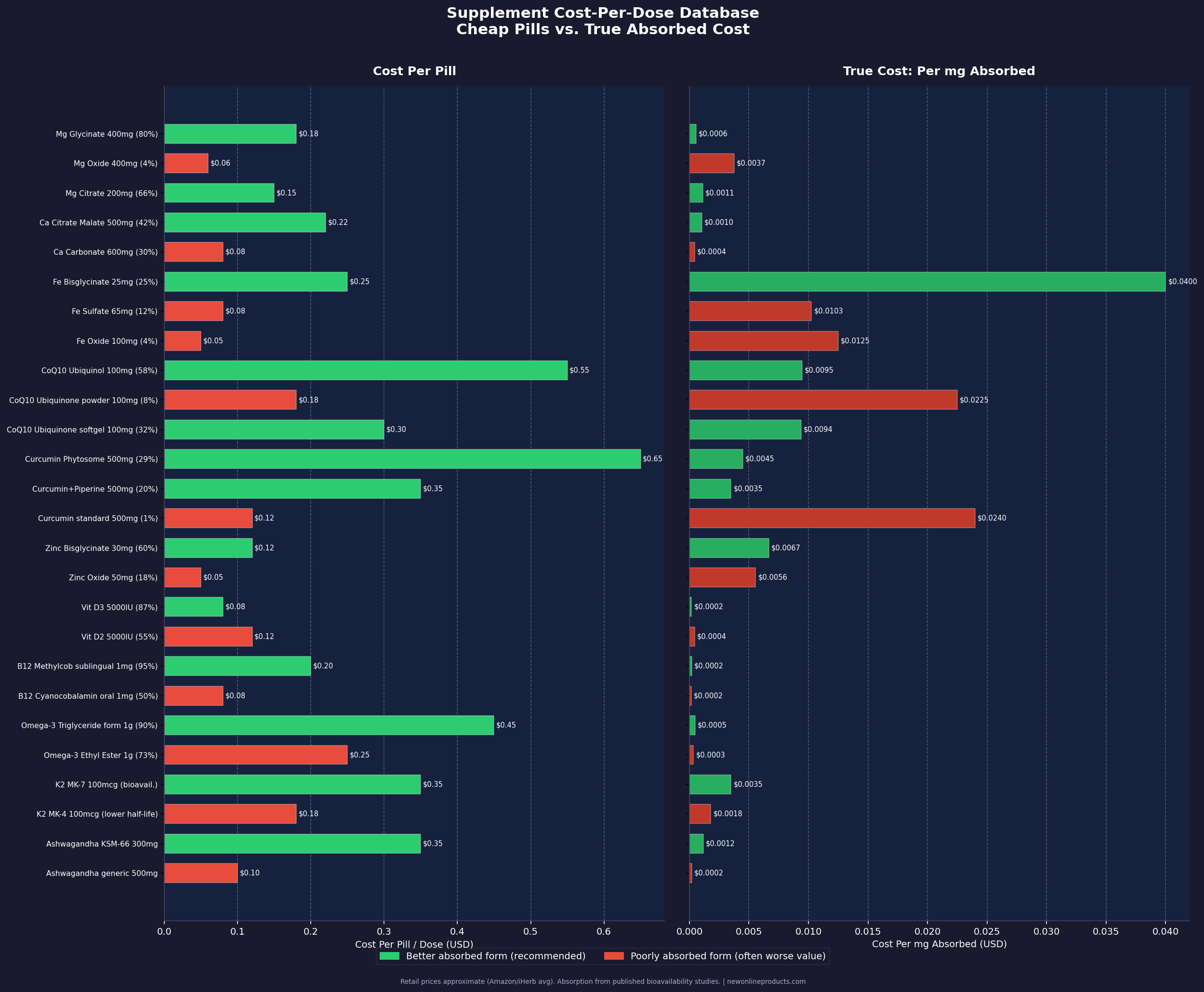
Standard CoQ10 is the original mitochondrial supplement, functioning as an electron shuttle in the ETC and an antioxidant. It has a long safety track record and is commonly recommended as an adjunct in statin therapy (which depletes endogenous CoQ10). However, CoQ10 has poor and variable bioavailability, and its ability to penetrate the inner mitochondrial membrane at therapeutically relevant concentrations is limited without chemical modification (hence the development of MitoQ and other analogs).
CoQ10 and SS-31 operate at different levels of specificity. CoQ10 is a nutrient-level intervention; SS-31 is a targeted pharmaceutical. For people with clinically defined mitochondrial disease, the gap in specificity matters enormously.
Why This Is Different From a Supplement
This point deserves direct treatment because the longevity supplement world tends to absorb pharmaceutical candidates before their evidence base is established.
SS-31/Elamipretide is not a supplement. It is administered by subcutaneous injection. It requires pharmaceutical manufacturing to precise standards. Its dosing, pharmacokinetics, and safety profile have been studied in human clinical trials under IND applications filed with the FDA. There is no legal path to purchasing it as a dietary supplement, and any product marketed as “SS-31 peptide” for self-administration exists in a regulatory gray zone at best—and is potentially dangerous at worst, particularly if purity, sterility, and dosing are uncontrolled.
The compound’s development has involved hundreds of millions of dollars in clinical infrastructure, patient safety monitoring, and pharmacovigilance. None of that exists in research chemical markets.
For readers interested in supporting mitochondrial health through currently available means, the evidence-based options include: regular aerobic and resistance exercise (the most powerful mitochondrial intervention known), adequate sleep, caloric prudence, and commercially available compounds like CoQ10, MitoQ, NAD+ precursors (NMN, NR), and alpha-lipoic acid—all of which have supporting evidence at the nutrient or supplement level, distinct from the pharmaceutical ambitions of SS-31.
The Aging and Longevity Angle
The reason SS-31 attracts attention beyond rare disease is the mitochondrial theory of aging. In brief: mitochondrial function declines progressively with age in most tissues. Cardiolipin content and composition change. ROS production increases while antioxidant defenses weaken. ATP output per mitochondrion drops. Mitophagy (clearance of damaged mitochondria) becomes less efficient.
In aged animal models, SS-31 has produced some of the most striking results in the longevity research literature. Studies in aged mice have shown restoration of skeletal muscle mitochondrial structure, improved exercise capacity, and—in one notable study—reversal of age-associated arterial stiffening (a key cardiovascular aging marker) within weeks of treatment. These effects occurred not in young animals but in old ones with established age-related mitochondrial decline.
The implication is significant: mitochondrial dysfunction may not just be a consequence of aging but a driver of it, and structural rescue of the mitochondrial membrane may be more achievable than previously assumed. David Marcinek’s lab at the University of Washington has been particularly active in this space, documenting age-related energetic decline and SS-31’s ability to partially reverse it in preclinical models—with some early human pilot data in older adults suggesting improved exercise tolerance.
Whether these findings translate into meaningful human longevity interventions remains an open question. The path from aged-mouse improvement to approved human therapy is long, expensive, and often disappointing. But the mechanistic story is coherent, the animal data is compelling, and human clinical signals—while mixed at the disease level—have been suggestive enough to sustain active research interest.
Regulatory Status (2026)
As of 2026:
Barth syndrome: Elamipretide has FDA Fast Track designation. No FDA approval has been granted. The regulatory pathway remains open but uncertain pending additional data or new drug application submission.
Heart failure (HFrEF): Phase III trial failed primary endpoint; no active approval pathway.
Primary mitochondrial myopathy: Phase III completed with mixed results; no approval.
LHON: Earlier-stage exploration; no approved indication.
Elamipretide is not FDA-approved for any indication as of this writing. The compound is not commercially available to consumers.
Realistic Expectations
For most people reading about SS-31, the honest answer is: this is a compound to watch, not one to act on yet. The science is legitimate and the mechanistic rationale is among the strongest in mitochondrial medicine. The early clinical data in Barth syndrome is genuinely encouraging. But the path from promising drug candidate to approved therapy is long, and the ENDEAVOR setback was a meaningful reminder that animal models and mechanistic elegance do not always predict clinical success.
What SS-31 does well is anchor the broader argument that the inner mitochondrial membrane—and specifically cardiolipin—is a druggable target with real biological consequence. That insight is likely to outlast any single molecule. Whether Elamipretide itself ultimately reaches patients broadly, or whether its legacy is paving the way for next-generation cardiolipin-targeting molecules, the research being done now is building a foundation for mitochondrial medicine as a legitimate therapeutic category.
If you have a family member with Barth syndrome or another rare mitochondrial disease, consulting a mitochondrial disease specialist about access to ongoing clinical trials is a reasonable next step. ClinicalTrials.gov maintains an active listing of Elamipretide studies.
For everyone else: invest in sleep, exercise hard and consistently, eat in a way that protects metabolic health, and follow this space as the science matures.
This article is for informational purposes only and does not constitute medical advice. SS-31 (Elamipretide) is an investigational pharmaceutical compound and is not approved by the FDA for any indication as of 2026. It is not available as a dietary supplement. Always consult a qualified healthcare provider before making decisions about your health, medications, or treatment options. NewOnlineProducts.com does not endorse or facilitate access to unapproved pharmaceutical compounds.
Like this:
LikeLoading…
This article is not medical advice. Always consult a physician before taking any supplements.
The Expert
Join Richard as he dives into the health benefits and life changing aspects of natural supplements, treatments, etc.