

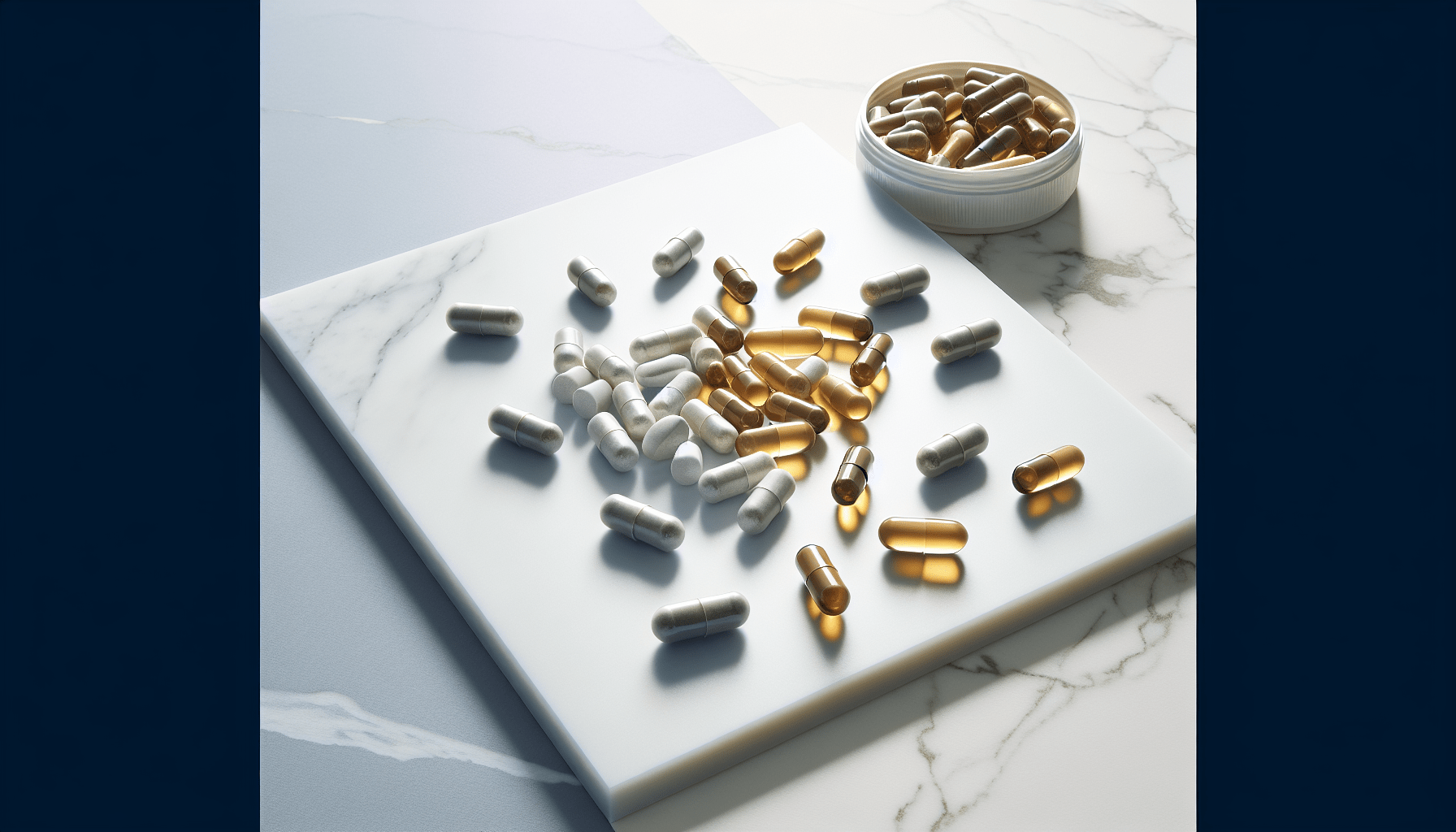
The glycine and NAC combo, often called GlyNAC, has become one of the most talked-about healthy-aging stacks for a simple reason: it directly targets glutathione production. Glutathione is the body’s major intracellular antioxidant, and levels tend to decline with age, chronic stress, poor metabolic health, and some illness states.
Glycine and N-acetylcysteine are not glamorous ingredients, but they are mechanistically smart. Glycine provides one of the amino-acid building blocks for glutathione, while NAC provides cysteine, the rate-limiting precursor in glutathione synthesis.
Why combine glycine and NAC?
They address the glutathione bottleneck
Glutathione is made from glycine, cysteine, and glutamate. In many people, especially older adults, the bottleneck is not desire for more antioxidants. It is insufficient precursor availability and impaired synthesis.
The combo has human aging data behind it
Clinical work led by Sekhar and colleagues found that GlyNAC supplementation in older adults improved glutathione deficiency and was associated with improvements in oxidative stress, mitochondrial dysfunction, insulin resistance, inflammation, gait speed, strength, and some cognitive measures (J Gerontol A, 2023).
That is why this combo gets more attention than a random antioxidant blend. It has a plausible mechanism and human outcome data.
What glycine does on its own
Glycine is not just filler in the stack.
Key roles of glycine
- Building block for glutathione
- Important for collagen and connective tissue
- Functions as an inhibitory neurotransmitter
- May support sleep quality and next-day fatigue in some people
Small human studies suggest glycine before bed may improve subjective sleep quality and reduce daytime fatigue after sleep restriction (Yamadera et al., Sleep and Biological Rhythms, 2007).
What NAC does on its own
NAC is best known as a glutathione precursor and liver-support ingredient, but it also has broader applications.
Key roles of NAC
- Supplies cysteine for glutathione production
- Acts as a mucolytic in respiratory care
- Has been studied in psychiatric, metabolic, and liver-related settings
NAC is also the medical antidote for acetaminophen overdose because of its role in restoring glutathione.
Best use cases for a glycine and NAC combo
1. Healthy aging and oxidative-stress support
This is the headline use case. Older adults with low resilience, low energy, or concerns about metabolic aging are the most obvious audience.
2. Recovery support
People under heavy training load, poor sleep, or ongoing stress sometimes use GlyNAC as part of a broader recovery plan. It is not a stimulant or performance enhancer, but it may support the systems that help recovery happen.
3. Glutathione support without buying glutathione
Many people choose GlyNAC because oral glutathione products can be expensive and variable. Supporting the body’s own synthesis is often the more practical route.
How much glycine and NAC should you take?
Practical everyday protocol
- Glycine: 3 grams once or twice daily
- NAC: 600 mg once or twice daily
That is a common starting point and is much simpler than research-weight-based protocols.
Research-inspired higher-dose approach
The Baylor GlyNAC studies used much higher intakes, roughly weight-adjusted doses of both glycine and NAC. That level is not always necessary for general wellness use and should be discussed with a clinician if someone wants to mimic trial dosing.
Best supplement options
Pre-made combo products
- A dedicated GlyNAC formula from a reputable brand for convenience
DIY combo approach
- Thorne Glycine or BulkSupplements Glycine Powder
- Jarrow NAC Sustain or NOW NAC
The DIY approach is often cheaper and gives more dose flexibility.
Possible side effects and cautions
Glycine
Usually well tolerated, though very high doses can cause loose stool or digestive discomfort.
NAC
Can cause nausea or reflux in some people, especially on an empty stomach. NAC may also interact with some medications, so medication review matters.
General caution
People with asthma, active ulcer issues, clotting concerns, or complex medical regimens should clear NAC use with a qualified clinician.
FAQ
What does the glycine and NAC combo do?
The main goal is to improve glutathione production. That may support oxidative-stress defense, mitochondrial function, recovery, and healthy aging.
Is GlyNAC worth taking daily?
For people specifically targeting glutathione support or healthy aging, daily use often makes sense because the mechanism depends on steady precursor availability.
Is glycine and NAC better than glutathione supplements?
Often, yes. Many people prefer supplying the building blocks for glutathione synthesis rather than buying a pricier finished glutathione product.
Can glycine and NAC help sleep and recovery?
Glycine may support sleep quality in some people, and the combo may support recovery indirectly by improving antioxidant capacity and cellular resilience.
Internal-link suggestions
subtopics/best-glynac-supplements/subtopics/glycine-vs-collagen-for-sleep-and-recovery/subtopics/glynac-benefits-for-aging-adults/subtopics/is-glynac-worth-taking-daily/subtopics/nac-and-glutathione-support-explained/
Sources
- Sekhar RV, et al. GlyNAC supplementation in older adults improves glutathione deficiency and multiple age-associated defects. J Gerontol A Biol Sci Med Sci. 2023.
- Kumar P, et al. Clinical effects of GlyNAC supplementation and aging-related outcomes. Nutrients. 2022.
- Yamadera W, et al. Glycine ingestion improves subjective sleep quality. Sleep and Biological Rhythms. 2007.
- Atkuri KR, et al. N-acetylcysteine—a safe antidote for cysteine/glutathione deficiency. Curr Opin Pharmacol. 2007.
This article is for information only and is not medical advice. NAC in particular should be reviewed with a clinician when prescription medications or chronic health conditions are involved.
Key Takeaways
- The main goal is to improve glutathione production.
- For people specifically targeting glutathione support or healthy aging, daily use often makes sense because the mechanism depends on steady precursor availability.
- Glycine may support sleep quality in some people, and the combo may support recovery indirectly by improving antioxidant capacity and cellular resilience.
Leave a Reply