Best Sugar Free Electrolyte Powder: Top Picks and Buying Guide 2026
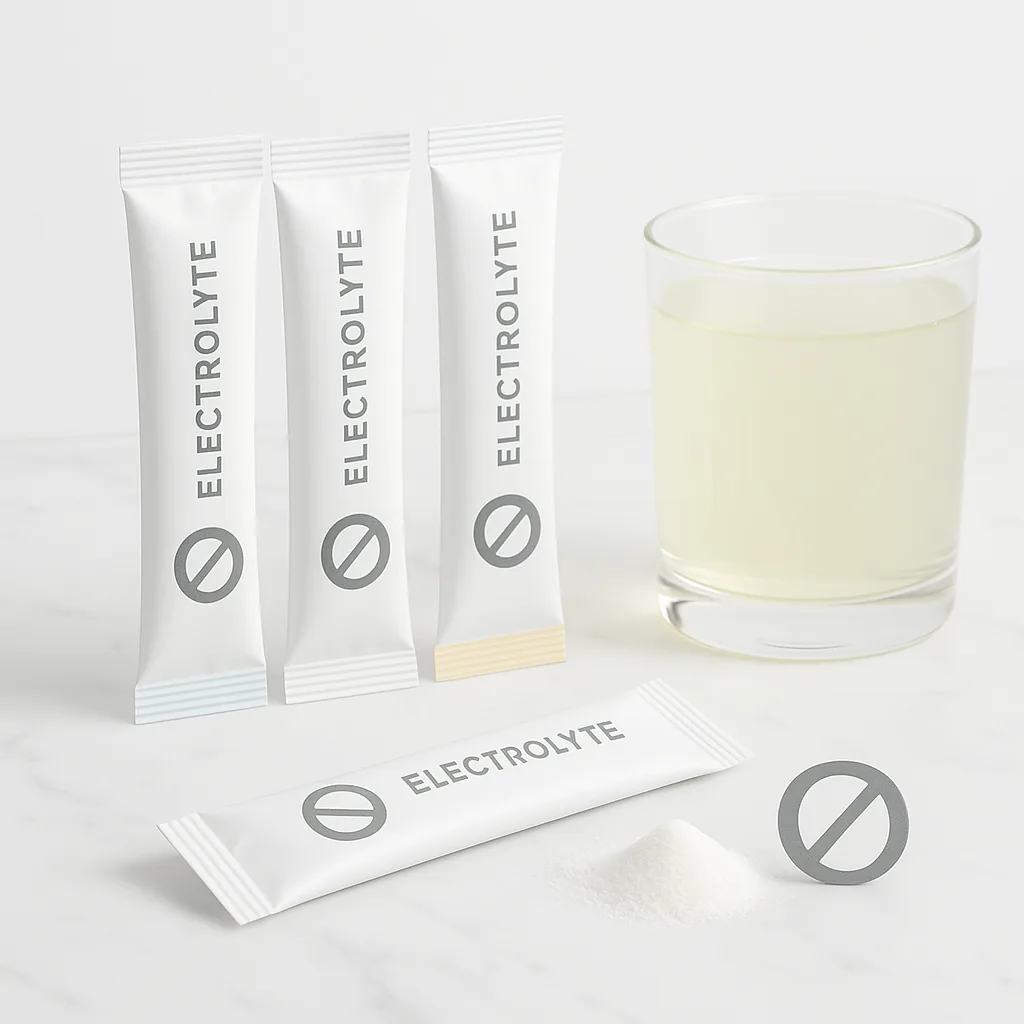
Quick Answer: A good sugar-free electrolyte powder replaces sodium, potassium, and magnesium without adding carbohydrates or sugar — making it ideal for keto dieters, diabetics, or anyone managing blood sugar. The key is finding one with meaningful sodium content (at least 500 mg per serving), transparent labeling with no proprietary blends, and a sweetener you can tolerate. Most products use stevia, erythritol, or monk fruit; each has distinct taste profiles and tolerability differences.
The market for sugar-free electrolyte products has expanded dramatically alongside the growth of ketogenic diets, low-carb eating, and diabetic-conscious nutrition. For decades, sports hydration meant sugary drinks like Gatorade. Today, dozens of products promise equivalent or superior hydration without any carbohydrates. But as with the broader electrolyte market, not all of them deliver.
This guide focuses specifically on what makes a sugar-free electrolyte powder effective, what separates a well-formulated product from a watered-down one, which sweeteners to be aware of, and who benefits most from going sugar-free.
Why Go Sugar-Free with Electrolytes?
The original rationale for sugar in sports drinks is grounded in real physiology. Glucose enhances sodium absorption in the small intestine via the sodium-glucose cotransporter SGLT1. Higher sodium absorption means better fluid retention, which is why glucose-containing oral rehydration solutions are the WHO standard for severe dehydration from illness.
For hard-working endurance athletes covering 10+ miles or exercising continuously for 2–4 hours, the glucose in sports drinks serves a dual purpose: it fuels working muscles and improves sodium/fluid absorption.
But for a large and growing number of people, those sugar grams are a problem:
Ketogenic and low-carb dieters are maintaining carbohydrate intake below 20–50g per day. A standard sports drink with 25g of sugar per serving would blow their daily budget. At the same time, keto diets specifically deplete electrolytes because low insulin levels cause the kidneys to excrete sodium far more aggressively — making electrolyte supplementation more necessary, not less.
People with type 1 or type 2 diabetes may need to carefully count every gram of carbohydrate. Even the “light” sports drink options typically contain 5–10g of sugar. A sugar-free electrolyte powder with zero carbs allows precise glycemic management.
People doing intermittent fasting typically aim to consume zero calories during fasting windows. Plain water with electrolytes — but no sugar — allows them to stay hydrated and maintain electrolyte balance without triggering an insulin response that breaks the fast.
Everyday low-intensity users who drink electrolyte beverages for general hydration (not athletic performance) simply don’t need the calories from sugar. A casual drinker replenishing fluids on a hot day or on a low-carb diet gets no benefit from the glucose.
The research supports this framework: sugar is beneficial for performance-oriented replenishment in sustained exercise, but its role diminishes significantly for lower-intensity or non-exercise hydration needs. For these contexts, sugar-free formulations are not a compromise — they’re the appropriate choice.
What Electrolytes You Need (and in What Amounts)
Whether a product is sweetened or sugar-free is the wrong first question. What matters most is whether it actually contains meaningful electrolyte content. Here’s a framework for evaluating any sugar-free product:
Sodium: The Critical One
Aim for at least 500 mg of sodium per serving. Many sugar-free electrolyte powders, attempting to present as “clean” or “gentle,” contain only 35–100 mg of sodium — barely more than what you get from a glass of tap water in many regions. This is insufficient for any meaningful hydration enhancement during exercise or keto adaptation.
The sweat rate data is clear: a moderate-intensity exerciser in warm conditions sweats roughly 1–1.5 liters per hour, losing approximately 500–1,500 mg of sodium per liter of sweat. At a rate of 1 g/hour sodium loss, a product with 55 mg of sodium per serving replaces about 5% of that loss. This is not hydration support — it’s decoration.
Look for 500–1,000 mg of sodium per serving for any product you intend to use around exercise or for keto adaptation. For casual daily sipping, 200–500 mg is a reasonable range.
Potassium: 200–400 mg
Potassium is the second most important electrolyte to replace. As noted, dietary potassium is often adequate with varied food intake, but keto dieters, fasters, and those eating limited fruits and vegetables may fall short. 200–400 mg per serving is a sensible range.
Magnesium: 60–100 mg in a Well-Absorbed Form
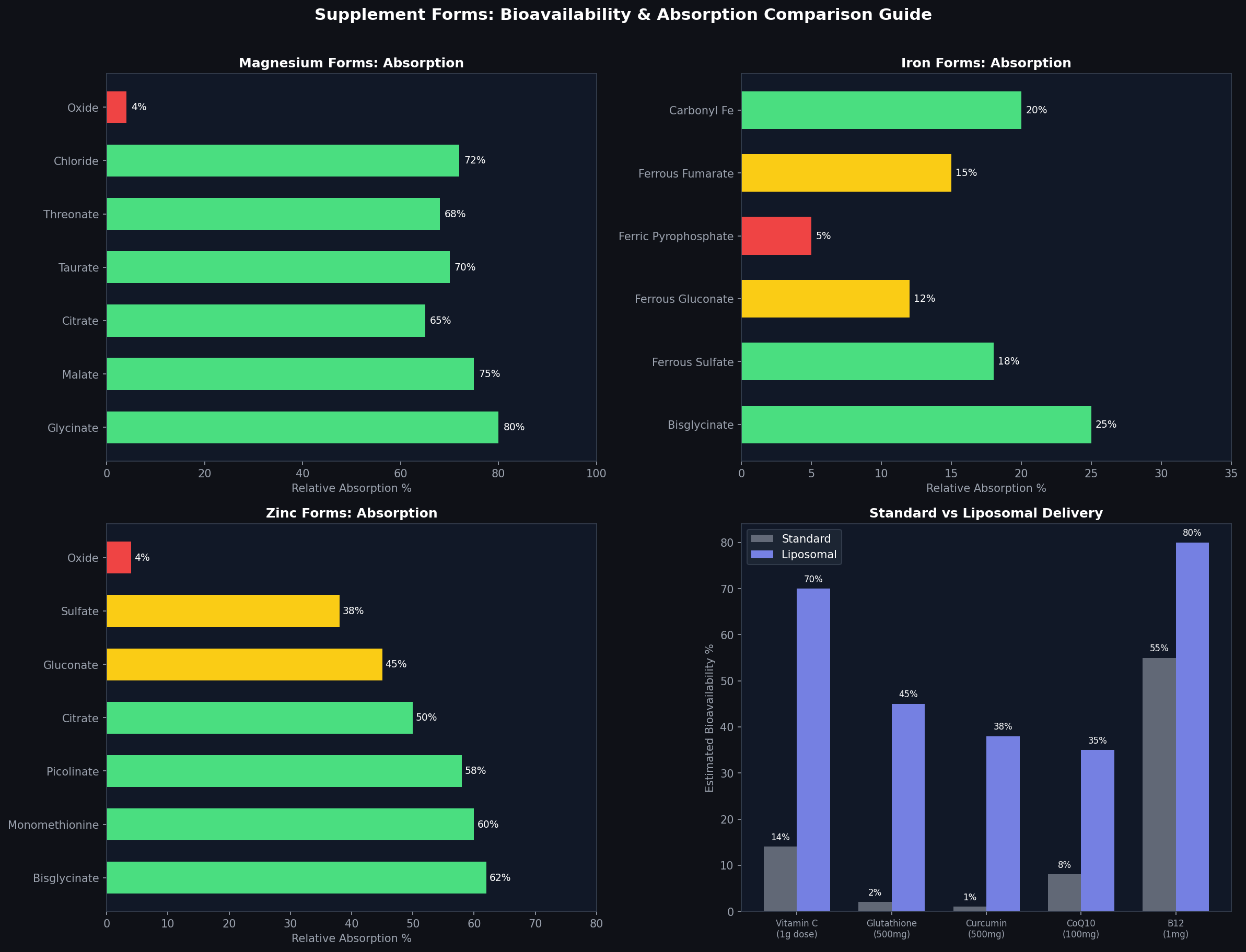
Magnesium is depleted through sweat and exercise, and is notoriously under-consumed in the typical American diet. For sugar-free products, look for magnesium citrate, malate, or glycinate — not magnesium oxide, which has poor bioavailability. 60–100 mg elemental magnesium is appropriate per serving.
Calcium: Optional
Some products include calcium for bone health claims and to round out the electrolyte profile. It’s a genuinely useful mineral, but the doses in most powders (50–200 mg) are modest compared to what you’d get from dairy or a calcium supplement. Its absence or presence is less critical than the three above.
Sweeteners in Sugar-Free Electrolyte Powders
This is where significant variation — and significant consumer preference differences — enter the picture.
Stevia
Stevia leaf extract has become the dominant sweetener in “natural” sugar-free products. It contains rebaudiosides (particularly rebaudioside A) that are 200–350x sweeter than sucrose. Stevia has a favorable safety profile with no known glycemic effects. The main complaint is its taste: many people detect a bitter, licorice-like aftertaste, especially at higher concentrations. Some products mix stevia with other sweeteners to mask this.
Stevia is generally the most polarizing sweetener — people either tolerate it fine or find the aftertaste unbearable. If you haven’t tried stevia before, single-serving trial packets are worthwhile before committing to a tub.
Monk Fruit (Luo Han Guo)
Monk fruit extract is derived from a small gourd native to southern China. Its intense sweetness comes from compounds called mogrosides. Like stevia, it has no glycemic effect and no caloric value. Its taste profile is generally considered cleaner than stevia, with less bitterness. Monk fruit is the sweetener preferred by many who dislike stevia’s aftertaste.
It tends to cost more to source, which is why products using monk fruit are sometimes priced higher. But for sensitive palates, it’s often worth the premium.
Erythritol
Erythritol is a sugar alcohol occurring naturally in some fruits. It has roughly 70% of sucrose’s sweetness, 0.24 calories per gram (versus 4 for sugar), and a glycemic index near zero. Unlike most sugar alcohols, it’s absorbed primarily in the small intestine and excreted in urine rather than fermented in the colon — which means it produces significantly less gas and bloating than xylitol, sorbitol, or maltitol.
The main complaint with erythritol is a cooling sensation on the tongue at high concentrations. Some people find it pleasant; others find it distracting. It’s frequently blended with stevia or monk fruit because the two complement each other’s sweetness profiles.
One note: a 2023 study in Nature Medicine found an association between higher plasma erythritol levels and increased cardiovascular risk (major adverse cardiac events). This was an observational study, and the erythritol measured in plasma included both dietary erythritol and endogenously produced erythritol from metabolic pathways — making causal interpretation complex. The research community has not reached consensus on whether erythritol in supplements is a cardiovascular concern. People with existing cardiovascular disease may wish to discuss this with their doctor. It’s worth monitoring as research evolves.
Artificial Sweeteners (Sucralose, Acesulfame K)
Some products still use sucralose (Splenda) or acesulfame potassium. These are FDA-approved and have been used safely for decades. Sucralose is intensely sweet with a clean taste. However, some research has raised questions about sucralose’s effects on the gut microbiome at high concentrations, and acesulfame K is sometimes perceived as producing a metallic aftertaste. If you’re eating a generally healthy, gut-supportive diet, modest sucralose consumption is unlikely to be problematic, but those focused on gut health may prefer stevia or monk fruit.
Red Flags When Choosing a Sugar-Free Electrolyte Powder
Beyond sweetener preferences, these are the product-quality red flags to watch for:
Proprietary blends: If the label lists “Electrolyte Blend 1,350 mg” with sodium, potassium, and magnesium all lumped together, you cannot determine how much of any individual mineral you’re getting. This is unacceptable for electrolyte products where dose matters.
Underdosed sodium: The most common problem. Sub-100 mg of sodium per serving is a marketing product, not a functional hydration supplement.
Excessive “hydration enhancers” without evidence: Ingredients like coconut water powder, aloe vera, or “ionic trace minerals” are added as marketing differentiators. None have demonstrated meaningful hydration benefit beyond their basic electrolyte content. Coconut water, notably, has surprisingly modest electrolyte content — roughly 40 mg sodium and 600 mg potassium per cup — making it more useful as a potassium source than a sodium one.
Vitamin loading as a value-add: High-dose B vitamins (B6, B12, niacin) are frequently added to electrolyte products to justify higher prices. They turn your urine yellow and look impressive on a label. For electrolyte function, they add nothing of value.
Poor sourcing transparency: Third-party testing certification (NSF, Informed Sport, USP) matters for any supplement. It verifies that what’s on the label is in the product, and that no banned substances are present. For athletes subject to drug testing, Informed Sport certification is particularly important.
Specific Use Cases: Keto, Fasting, and Diabetes
For ketogenic dieters: The ideal product has 1,000+ mg sodium, 300–400 mg potassium, and 60–100 mg magnesium per serving. Zero sugar. Sweetened with stevia or monk fruit. Take 1–3 servings per day during the adaptation phase (first 2–4 weeks), then maintain at 1–2 servings daily for ongoing mineral support.
For intermittent fasting: Nearly any sugar-free electrolyte powder is fast-compatible (zero calories). Sodium and potassium are the priorities. A fasted electrolyte drink can reduce hunger signals during extended fasting windows, as electrolyte depletion can manifest as hunger. Take during fasting windows as needed; avoid products with artificial sweeteners if they trigger cravings for you.
For diabetics: Zero-carb, zero-sugar products are the clear choice. Verify the carb content on the nutrition facts panel — some products use fiber or sugar alcohols that technically show “0g sugar” but still contribute carbohydrates. Erythritol has minimal glycemic impact and is generally accepted by diabetes dietitians; consult your specific care team.
Key Takeaways
Sugar-free electrolyte powders are the best choice for keto dieters, diabetics, fasters, and anyone not needing the carbohydrate fuel of traditional sports drinks.
Minimum 500 mg sodium per serving is the standard for functional hydration; don’t accept 55–100 mg products.
Stevia, monk fruit, and erythritol are the most common sweeteners — each with different taste profiles and tolerability characteristics.
Avoid proprietary blends; full ingredient disclosure is mandatory.
Third-party testing (NSF, Informed Sport) is the quality signal that separates serious products from marketing-only supplements.
Frequently Asked Questions
Are sugar-free electrolyte powders as effective as sugared ones?
For moderate exercise up to 60–90 minutes and for everyday hydration, yes — equally effective. For endurance events lasting 2+ hours, glucose in sports drinks serves the dual purpose of fueling muscles and enhancing sodium absorption, providing a measurable performance advantage. For the vast majority of users who aren’t doing extended endurance events, sugar-free formulations are sufficient.
What is the best sugar-free electrolyte powder for keto?
The best option for keto is one with the highest sodium content (1,000+ mg) and meaningful potassium and magnesium — because keto dramatically accelerates renal sodium excretion. Look for a product with full label transparency (no proprietary blends), sweetened with stevia or monk fruit, and ideally third-party tested. The specific brand matters less than the electrolyte profile.
Does sugar-free mean calorie-free?
Not always. Some sugar-free electrolyte powders use erythritol, which contains about 0.24 calories per gram, or other sugar alcohols with a few calories. However, most have extremely low caloric content — typically under 10 calories per serving. For practical purposes including fasting, these are effectively calorie-free.
Can I make my own sugar-free electrolyte drink?
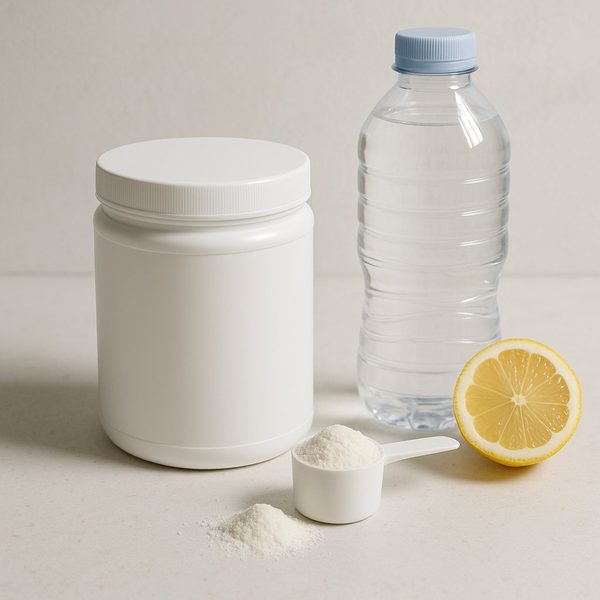
Yes. A simple DIY recipe: mix 1/4 tsp (about 500 mg) of salt (sodium chloride), a small amount of “No Salt” or “Nu-Salt” (potassium chloride, providing ~650 mg potassium per 1/4 tsp), and optionally a small amount of magnesium citrate powder, in 16–24 oz of water. Add a squeeze of lemon juice for flavor. This is essentially identical to commercial sugar-free electrolyte powders at a fraction of the cost, with full control over sodium and potassium doses.
Is there a concern about artificial sweeteners affecting the gut microbiome?
Some research, primarily in rodents and at doses far higher than typical use, has shown that certain artificial sweeteners (saccharin in particular) can alter gut microbiota composition. Stevia and monk fruit have not demonstrated significant microbiome disruption in human studies at typical doses. Erythritol, absorbed primarily in the small intestine rather than the colon, has minimal impact on colonic microbiota. If gut health is a primary concern, stevia- or monk fruit-sweetened products are the most studied choices.
How many servings per day is safe?
One to two servings per day is appropriate for most people. Keto adapters may use 2–3 servings during the initial adaptation phase. Very high sodium intake over time — consistently above 4,000–5,000 mg/day from all sources — is associated with cardiovascular risk in sensitive individuals. Three servings of a 1,000 mg sodium product brings you to 3,000 mg from your electrolyte powder alone; factor in dietary sodium to assess total intake. People with hypertension or kidney disease should consult their doctor.
This article is for informational purposes only and does not constitute medical advice. People with diabetes, kidney disease, or cardiovascular conditions should consult their healthcare provider before changing their electrolyte intake.
Like this:
LikeLoading…
This article is not medical advice. Always consult a physician before taking any supplements.
The Expert
Join Richard as he dives into the health benefits and life changing aspects of natural supplements, treatments, etc.