Best Electrolyte Powder in 2026: Complete Buyer’s Guide
Quick Answer: The best electrolyte powder contains meaningful doses of sodium, potassium, and magnesium without excessive sugar or proprietary blends that hide ingredient amounts. For most people, a product with 500–1,000 mg sodium, 200–400 mg potassium, and 60–100 mg magnesium per serving covers the basics — whether you’re an athlete, follow a low-carb diet, or just sweat a lot.
Electrolyte powders have exploded in popularity. Walk through any supplement aisle or scroll social media for five minutes and you’ll see colorful sticks, pouches, and tubs promising hydration, energy, cramping relief, and performance gains. Some cost $1 a serving. Others run $3. The marketing is loud, the claims are sweeping, and it can be genuinely hard to tell what’s worth buying.
This guide cuts through the noise with an evidence-based look at what electrolytes actually do, what the research says about supplementation, what to look for on a label, and what common upsells you can safely ignore.
What Are Electrolytes and Why Do They Matter?
Electrolytes are minerals that carry an electrical charge when dissolved in fluid. The major ones in the human body are sodium, potassium, magnesium, calcium, chloride, bicarbonate, and phosphate. They regulate fluid balance across cell membranes, enable nerve impulse transmission, allow muscles to contract and relax, and maintain blood pressure and pH.
You lose electrolytes primarily through sweat. The composition of sweat varies significantly between individuals — so-called “salty sweaters” can lose 2–3 grams of sodium per hour during hard exercise in heat, while others lose far less. Research published in the Journal of the International Society of Sports Nutrition has consistently shown that significant sodium losses during prolonged exercise are associated with hyponatremia (dangerously low blood sodium), cramping, and impaired performance if not replenished.
The key point: plain water doesn’t replace electrolytes. For short, low-intensity exercise or moderate daily activity in cool weather, plain water is usually sufficient. But for workouts longer than 60–90 minutes, heavy sweating, hot environments, or ketogenic/low-carb diets (which accelerate sodium excretion via the kidneys), deliberate electrolyte replacement becomes genuinely important.
The Evidence on Electrolyte Supplementation
The science here is more nuanced than the marketing suggests, so it’s worth spending a moment on what the research actually shows.
Sodium is the most important electrolyte to replace during exercise. A comprehensive position statement from the American College of Sports Medicine recommends that athletes consuming fluids during exercise also consume sodium to prevent hyponatremia and improve fluid retention. Studies have repeatedly confirmed that sodium replacement improves fluid absorption in the gut, reduces urine output, and maintains plasma volume better than plain water.
Potassium is the dominant intracellular electrolyte. Sweat contains relatively small amounts of potassium (roughly 150–200 mg per liter), but deficiency from chronic poor diet, diuretic use, or prolonged illness can cause serious muscle weakness, cramping, and heart rhythm abnormalities. For most people with adequate fruit and vegetable intake, dietary potassium is not a concern — but low-carb dieters who avoid potassium-rich foods like bananas, sweet potatoes, and beans may benefit from supplementation.
Magnesium participates in over 300 enzymatic reactions and is required for ATP synthesis — the energy currency cells run on. Studies have found that exercise depletes magnesium, and deficiency is associated with muscle cramping, fatigue, and sleep disruption. Magnesium is notably deficient in the standard American diet, making it one of the more meaningful additions to an electrolyte formula.
Calcium is lost in sweat but is generally less of a concern for short-duration activity. It matters more for athletes doing multiple sessions per day.
A 2021 meta-analysis in Nutrients reviewed electrolyte supplementation across 12 randomized controlled trials and found consistent improvements in time to exhaustion, reduced cramping incidence, and better fluid retention compared to plain water, particularly in heat-stressed conditions. The effects were most pronounced when sodium was included at meaningful doses — not token amounts.
What to Look for on the Label
This is where most buyers go wrong. Here’s a framework for evaluating any electrolyte powder.
Sodium: The Most Important Number
Look for 500–1,000 mg of sodium per serving for active use. Some products, especially those marketed as “clean” or “gentle,” contain only 55–100 mg of sodium — barely more than a glass of water. That dose is insufficient for any meaningful electrolyte replacement during exercise.
Be aware that sodium content may be listed as “sodium” in milligrams or as sodium chloride (salt) in grams. 1 gram of salt equals about 390 mg of sodium. Read carefully.
Potassium: 200–400 mg Is the Sweet Spot
Potassium supplements face a regulatory constraint: the FDA limits the potassium in single-tablet supplements to 99 mg because higher doses can cause gastrointestinal irritation and, in people with kidney disease, dangerous hyperkalemia. Powders dissolved in water are less constrained. Look for 200–400 mg per serving. Products with only 50 mg are often underdosed for meaningful effect.
Magnesium: Form Matters
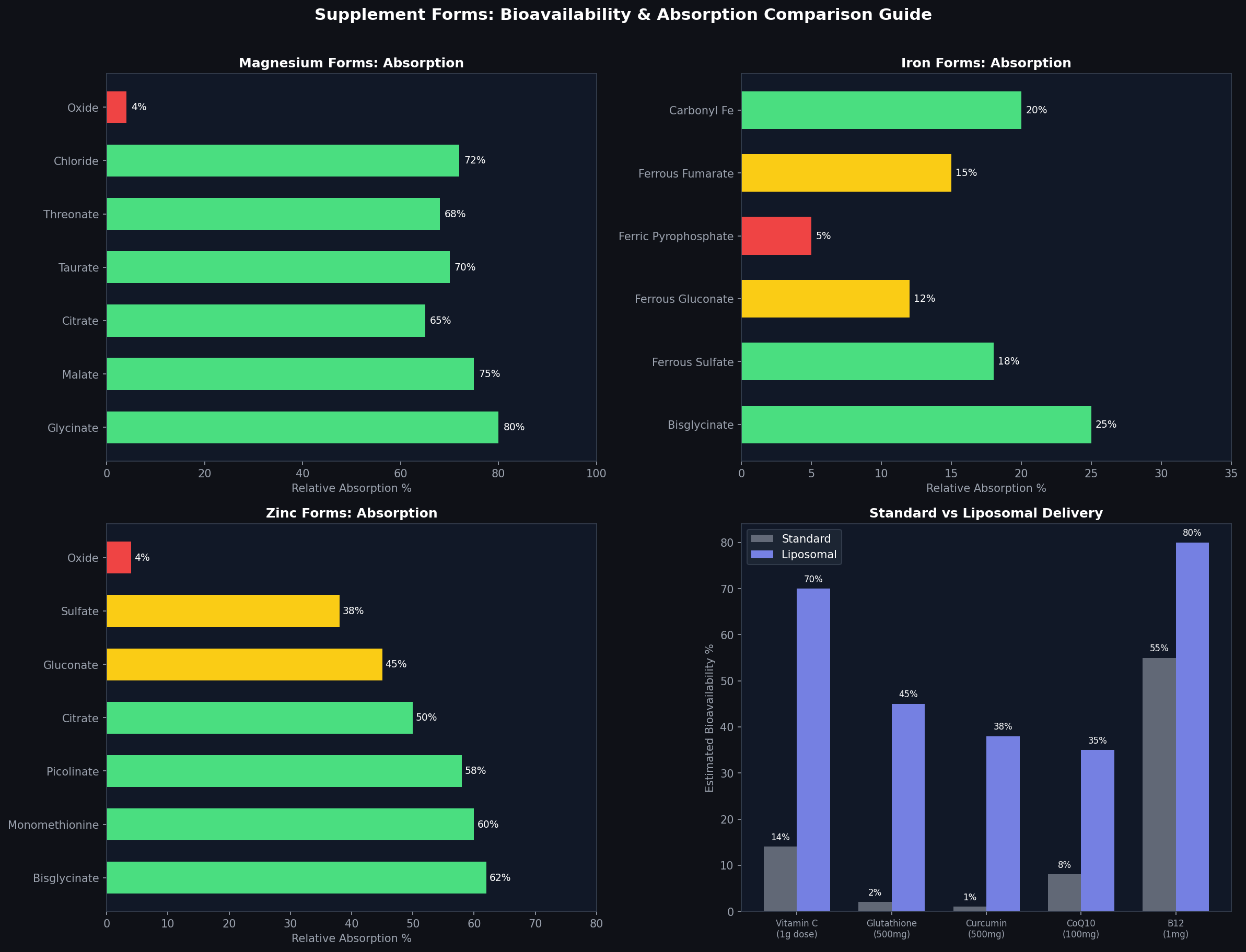
Not all magnesium is equal. Magnesium oxide is cheap and widely used but has poor absorption — roughly 4% bioavailability in some studies. Magnesium citrate, malate, and glycinate absorb significantly better. For electrolyte powders, malate and citrate forms are most common and appropriate. A dose of 60–100 mg of elemental magnesium per serving is reasonable.
Sugar Content
This is purely a personal and dietary concern. Sugar (as glucose, sucrose, or dextrose) genuinely improves absorption of sodium via the sodium-glucose cotransporter in the gut, which is why sports drinks like Gatorade include it. For hard-working athletes doing prolonged endurance events, the sugar actually serves a purpose.
But for most everyday use — casual hydration, ketogenic dieters, people watching blood sugar — sugar-free formulations work fine and are better suited to the goal. More on this in a separate guide on sugar-free electrolyte powders.
Proprietary Blends: A Red Flag
A “proprietary electrolyte blend” listing combined milligrams for 4 ingredients tells you nothing about the dose of any individual ingredient. It’s a tactic that lets companies underdose cheaper ingredients behind a wall of trade-secret language. For electrolytes especially — where dose matters enormously — avoid proprietary blends and insist on fully disclosed labels.
What to Ignore
“Ionic” electrolytes: Marketing language. All dissolved electrolytes are ionized.
“Trace mineral” formulas with 72 minerals: The minerals present in meaningful amounts are the same 4–5 you care about. The rest are present in microgram quantities with no evidence of benefit.
B vitamins at high doses: B vitamins don’t enhance electrolyte function. They turn your urine yellow and give companies a reason to charge more.
“Hydration multipliers”: Several products use this term to imply they’re clinically superior. Some use oral rehydration therapy principles (glucose + sodium); most are just normal electrolyte drinks.
Key Takeaways
Sodium is the most critical electrolyte to replace; aim for 500–1,000 mg per serving for active use.
Potassium and magnesium are meaningful secondaries; magnesium form (citrate/malate over oxide) matters for absorption.
Avoid proprietary blends — full label transparency is a non-negotiable for electrolyte products.
Sugar helps absorption but isn’t necessary for everyday hydration.
The research strongly supports electrolyte supplementation for exercise longer than 60–90 minutes, hot environments, and low-carb diets.
What Situations Actually Call for Electrolyte Powders?
Electrolyte powders are genuinely useful in several scenarios that go beyond competitive athletes:
Ketogenic and low-carb diets. When carbohydrate intake drops, insulin levels fall, and the kidneys excrete sodium much more aggressively. This produces the “keto flu” — fatigue, headaches, brain fog, and cramping — that many people experience in the first weeks of a low-carb diet. Deliberate sodium, potassium, and magnesium supplementation prevents much of this. Many keto-focused electrolyte products are formulated with higher sodium and zero sugar, making them appropriate for this use case.
Extended exercise in heat. Any workout lasting over 60–90 minutes in warm conditions justifies electrolyte replacement. The research on this is robust.
Hot climates and profuse sweating. If you work outdoors, in kitchens, or simply sweat heavily throughout the day, cumulative sodium loss can be substantial.
Illness recovery. Vomiting, diarrhea, and fever all deplete electrolytes. Oral rehydration solutions are the gold standard here (they follow WHO-defined sodium/glucose ratios), but a well-formulated electrolyte powder serves a similar purpose.
Alcohol consumption. Alcohol is a diuretic. It suppresses antidiuretic hormone, increasing urinary output and electrolyte loss. Drinking an electrolyte solution before bed can reduce next-day headaches, though this doesn’t address acetaldehyde toxicity, which is the main hangover culprit.
Older adults. Older kidneys are less efficient at concentrating urine and conserving sodium. Older adults are also less sensitive to thirst signals, making them vulnerable to subclinical dehydration. A low-dose electrolyte drink can help maintain fluid balance.
How to Use Electrolyte Powders Effectively
More is not better. Excessive sodium intake over time has well-established cardiovascular risk implications, and extremely high single doses can cause nausea and vomiting. Here are practical guidelines:
During exercise: One serving (or as directed) mixed in 16–24 oz of water. If exercising over 2 hours, repeat every 45–60 minutes.
Keto adaptation: 2,000–3,000 mg of additional sodium per day in the first 2–4 weeks is commonly recommended by low-carb researchers. That may require 2–3 servings of a high-sodium electrolyte powder across the day.
Daily hydration: A single daily serving for general hydration and prevention is appropriate, particularly if sweating is elevated.
Timing: Electrolytes are useful pre-, during, and post-exercise. Post-workout is particularly useful for restoring depleted stores before the next session.
Pair your electrolyte powder with adequate total fluid intake. Electrolytes improve fluid retention but don’t replace the need for water volume.
Frequently Asked Questions
Are electrolyte powders safe to use every day?
For healthy adults, yes. Daily use of a well-formulated electrolyte powder at recommended doses is safe for most people. Those with kidney disease, heart failure, or hypertension should check with their doctor before adding significant sodium or potassium supplementation, since impaired kidneys may not adequately excrete excess electrolytes.
Can electrolyte powders cause kidney stones?
There’s no strong evidence that standard electrolyte supplementation increases kidney stone risk in healthy people. In fact, adequate hydration — which electrolytes support — is one of the primary preventive factors for kidney stones. People with a history of calcium oxalate stones should monitor calcium intake from all sources, but the sodium and potassium in electrolyte powders are not known risk factors.
Do electrolyte powders help with muscle cramps?
They can, particularly if cramping is related to sodium or magnesium depletion. Exercise-associated muscle cramping has multiple causes — fatigue, neuromuscular factors, dehydration, and electrolyte loss are all implicated. If your cramps occur specifically during or after prolonged sweating, electrolyte replacement is a reasonable first intervention. Magnesium supplementation alone has shown benefit in nocturnal (nighttime) leg cramps in several trials.
Is there a difference between electrolyte powders and sports drinks like Gatorade?
Yes. Traditional sports drinks contain significant amounts of sugar (typically 14–25 grams per serving), artificial dyes, and modest electrolyte content — often only 110 mg sodium and 30 mg potassium. Purpose-formulated electrolyte powders typically contain 3–10x the sodium, significantly more magnesium and potassium, and can be found in both sweetened and sugar-free versions. For serious hydration goals, most electrolyte powders outperform sports drinks.
How do I know if I’m actually deficient in electrolytes?
Common signs of electrolyte imbalance include: persistent fatigue not explained by sleep, muscle cramps or spasms, headaches, brain fog, dizziness on standing (orthostatic hypotension), and irregular heartbeat. Many of these are non-specific. If you’re experiencing severe or persistent symptoms, blood work (a basic metabolic panel) will directly measure sodium, potassium, chloride, and bicarbonate levels. Magnesium is less reliably measured by standard serum testing — red blood cell magnesium is a better indicator.
What’s the difference between sodium from sea salt versus sodium chloride?
From a chemistry and physiology standpoint, essentially none that matters. Sea salt contains trace amounts of additional minerals, but the quantities are nutritionally irrelevant. Products marketing “Himalayan pink salt” or “sea salt sodium” are not meaningfully different from sodium chloride for electrolyte purposes.
Do I need electrolytes if I don’t exercise?
Most sedentary people with balanced diets do not need daily electrolyte supplementation. The cases where it becomes relevant include: excessive sweating due to heat, low-carb dieting, certain medications (diuretics, for instance), illness, or if you drink very large amounts of water (which can dilute blood sodium). If you’re drinking a normal amount of water and eating varied foods including some salt, supplementation is generally optional.
This article is for informational purposes only and does not constitute medical advice. Consult a healthcare provider before beginning any new supplementation protocol, especially if you have existing health conditions.
Like this:
LikeLoading…
This article is not medical advice. Always consult a physician before taking any supplements.
The Expert
Join Richard as he dives into the health benefits and life changing aspects of natural supplements, treatments, etc.