
Quick Answer: CoQ10 has been studied for blood pressure since the 1990s, and early meta-analyses showed impressive reductions (up to 11 mmHg systolic). But more recent scrutiny reveals that most of those trials were small, old, and methodologically weak. CoQ10 is still worth taking for general cardiovascular and mitochondrial health – especially for statin users – but you shouldn’t count on it as a reliable blood pressure treatment.
CoQ10 (coenzyme Q10) appears in almost every “natural blood pressure supplement” list, and the headline numbers from early meta-analyses look remarkable. The real picture is more nuanced – and being honest about that distinction is more useful than inflating expectations.
Key Takeaways
- Early meta-analyses (2007-2009) suggested CoQ10 reduces SBP by ~7-11 mmHg, but those pooled small, methodologically imperfect trials
- More recent trials have shown little or no BP benefit from CoQ10 in populations with better-controlled conditions
- The American Heart Association considers CoQ10 evidence “insufficient” for a specific BP recommendation
- CoQ10 remains valuable for statin users (repletes depleted CoQ10), endothelial health, and mitochondrial energy support
- 100-300 mg/day with fat is the effective dose range; ubiquinol absorbs better in older adults than ubiquinone
- Warfarin interaction is the main drug concern – CoQ10 may reduce warfarin effectiveness; INR monitoring is warranted
The Data That Gets Cited
Rosenfeldt et al. (2007, J Hum Hypertens) – Meta-analysis of 12 RCTs: CoQ10 reduced SBP by ~11 mmHg and DBP by ~7 mmHg in subjects with SBP >140 or DBP >90 [1]. These numbers are frequently cited in supplement marketing.
Ho et al. (2009, J Hum Hypertens) – Updated Cochrane-style analysis: Found similar reductions but noted the trials were small (most had <50 participants), heterogeneous in design, and often not blinded or adequately randomized [2].
At face value, these look like strong evidence. They are not – at least not by current standards.
Why the Evidence Is Weaker Than It Appears
1. Small, old trials Most studies pooled in the 2007 meta-analysis were conducted in the 1990s with 15-60 participants. Small trials in any field routinely overestimate effect sizes.
2. Methodological concerns Several lacked proper blinding or intention-to-treat analysis. Inadequate blinding in BP trials (where patients know they’re getting “something”) produces inflated results due to reduced white-coat anxiety and behavioral changes.
3. Publication bias Small positive studies get published; small null studies don’t. Meta-analyses that pool only published data systematically overestimate effects.
4. More recent RCTs are less impressive Several 2010s-era trials using better methodology showed no significant BP reduction with CoQ10. A 2016 review in the American Journal of Clinical Nutrition noted the evidence had weakened considerably with better study design [3].
5. AHA and Cochrane positions The American Heart Association does not recommend CoQ10 for blood pressure management. The Cochrane review noted that the evidence is insufficient to recommend CoQ10 as an antihypertensive.
Where CoQ10 Might Still Help – Including Blood Pressure Adjacent Effects
Even if the direct BP-lowering evidence is weak, CoQ10 supports cardiovascular health through several mechanisms that matter:
For statin users: Statins inhibit the mevalonate pathway, which is also the production pathway for CoQ10. Statin users have measurably lower plasma CoQ10 levels. Supplementation may restore baseline cardiovascular function that was iatrogenically lowered.
Endothelial function: CoQ10 may improve endothelial nitric oxide (NO) production, which is a key mechanism in BP regulation. Even without obvious BP reduction, better endothelial function lowers cardiovascular risk.
Oxidative stress: Chronic oxidative stress damages vascular endothelium, contributes to arterial stiffness, and raises BP over time. CoQ10’s antioxidant role may blunt this.
As part of a broader stack: CoQ10 + magnesium + omega-3s + dietary changes is a common integrative cardiovascular approach. Each contributes a modest amount; the combination may be more meaningful than any single supplement.
Dosing
- 100-300 mg/day in divided doses (most BP trials used 100-200 mg)
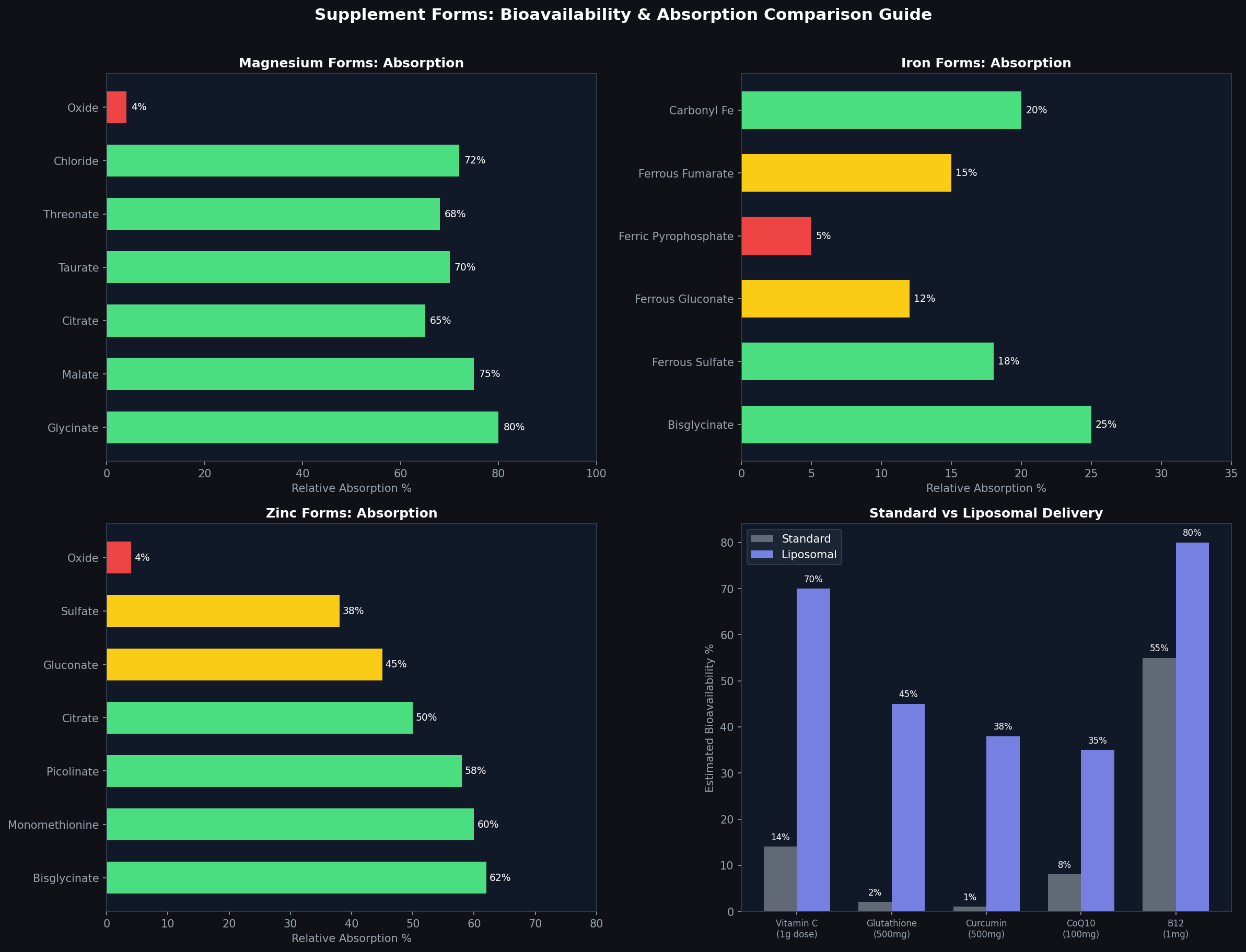
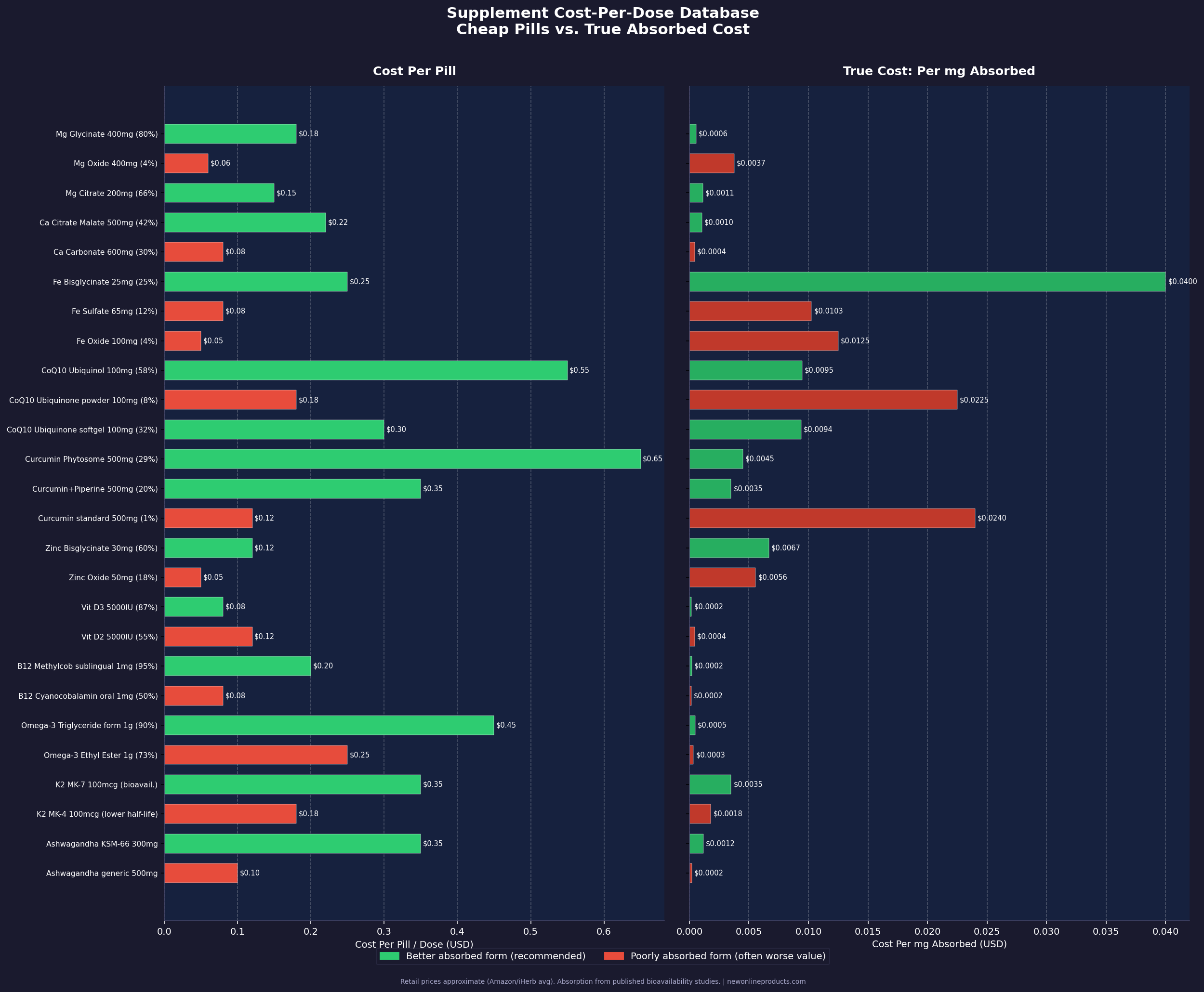
- Ubiquinol (reduced form) has better absorption than ubiquinone in older adults and those with fat malabsorption
- Take with food containing fat – CoQ10 is fat-soluble and absorption drops significantly without dietary fat
- Allow 4-8 weeks before assessing effects; CoQ10 builds up in plasma gradually
Safety and Drug Interactions
CoQ10 is remarkably safe at standard doses.
Warfarin (Coumadin): The most important interaction. CoQ10 has structural similarity to vitamin K and may reduce warfarin effectiveness. If you take warfarin and want to add CoQ10, tell your prescriber and monitor INR more frequently when starting.
Antihypertensives: If CoQ10 does lower your BP modestly, combining with antihypertensive medications could cause excessive lowering. This is a monitor-don’t-avoid situation rather than a hard contraindication.
GI effects: Rare; mild nausea at higher doses. Taking with meals solves this for most people.
Thyroid medications: A few case reports suggest CoQ10 may influence thyroid hormone levels; clinical significance is unclear.
CoQ10 vs. Other Blood Pressure Supplements
How does CoQ10 stack up against other options with better evidence?
| Supplement | SBP Reduction (Best Evidence) | Confidence |
|---|---|---|
| Potassium (dietary) | 3.5-6 mmHg | High (JAMA-level trials) |
| Aged garlic extract | 4-8 mmHg | Moderate-High |
| Hibiscus tea | 4-7 mmHg | Moderate |
| Magnesium | 2-4 mmHg | Moderate |
| CoQ10 | 0-5 mmHg (recent estimates) | Low-Moderate |
| Omega-3s (high dose) | 2-5 mmHg | Moderate |
This doesn’t make CoQ10 a bad supplement – it makes it better justified by other reasons than blood pressure specifically.
For a comprehensive comparison of supplement-based blood pressure approaches, see the blood pressure supplements guide.
The Honest Bottom Line
CoQ10 is a good supplement for general cardiovascular and mitochondrial support, and it’s especially justified for statin users. Its specific blood pressure-lowering evidence is weaker than commonly claimed – the impressive meta-analysis numbers come from small, older, methodologically imperfect trials. Take it if you have good reasons (statin use, known CoQ10 depletion, fatigue, cardiovascular support goals) – just don’t count on it to reliably lower your blood pressure by double-digit millimeters.
Frequently Asked Questions
Does CoQ10 lower blood pressure immediately? No. CoQ10 builds up in plasma over weeks. Any BP effects would appear gradually over 4-8 weeks, not same-day.
What’s the best form of CoQ10 for cardiovascular health? Ubiquinol (the reduced form) absorbs better, especially in people over 40 or those with digestive issues. Ubiquinone is cheaper and fine for healthy younger adults.
Can CoQ10 replace my blood pressure medication? No. There’s no evidence it can replace antihypertensive medications. Think of it as a complementary measure for general cardiovascular support, not a drug substitute.
Should I take CoQ10 if I’m on a statin? Statins measurably lower CoQ10 levels. Many cardiologists and integrative medicine practitioners recommend 100-200 mg/day for statin users to replenish depleted levels, regardless of whether it lowers BP.
What dose was used in the trials that showed BP reduction? Most used 100-200 mg/day in divided doses. Higher doses (300 mg+) don’t appear to provide additional BP benefit in the limited data available.
References
- Rosenfeldt FL, et al. Coenzyme Q10 in the treatment of hypertension: a meta-analysis of the clinical trials. J Hum Hypertens. 2007;21:297-306.
- How to measure blood pressure using an arterial catheter: a systematic 5-step approach. Critical care (London, England). 2020. PMID: 32331527.
- Barreras H, Copsel SN, Bader CS, Ding Y, Wolf D, Cash C, et al (2023). Regulatory T Cell Amelioration of Graft-versus-Host Disease following Allogeneic/Xenogeneic Hematopoietic Stem Cell Transplantation Using Mobilized Mouse and Human Peripheral Blood Donors. Transplantation and cellular therapy. PMID: 36804930.
Related Articles
- Best Supplements for Blood Pressure in 2026
- CoQ10 for Blood Pressure: What the Evidence Shows
- Aged Garlic Extract for Blood Pressure
- Hibiscus Tea and Blood Pressure: Does It Actually Work?
- Potassium Supplements for Blood Pressure
Sources
- Rosenfeldt FL, Haas SJ, Krum H, et al. Coenzyme Q10 in the treatment of hypertension: a meta-analysis of the clinical trials. J Hum Hypertens. 2007;21(4):297-306.
- Ho MJ, Li EC, Wright JM. Blood pressure lowering efficacy of coenzyme Q10 for primary hypertension. Cochrane Database Syst Rev. 2016;3:CD007435.
- Whelton PK, Carey RM, Aronow WS, et al. 2017 ACC/AHA guideline for the prevention, detection, evaluation, and management of high blood pressure in adults. Hypertension. 2018;71(6):e13-e115.
- National Heart, Lung, and Blood Institute. DASH Eating Plan. NIH.
- Part of our Complete Guide to Blood Pressure Supplements.
- Whelton PK, Carey RM, Aronow WS, et al. 2017 ACC/AHA guideline for the prevention, detection, evaluation, and management of high blood pressure in adults. Hypertension. 2018;71(6):e13-e115.
- Juraschek SP, Guallar E, Appel LJ, Miller ER. Effects of vitamin C supplementation on blood pressure: a meta-analysis. Am J Clin Nutr. 2012;95(5):1079-1088.
- Ried K, Frank OR, Stocks NP. Aged garlic extract reduces blood pressure in hypertensives: a dose-response trial. Eur J Clin Nutr. 2013;67(1):64-70.
- National Heart, Lung, and Blood Institute. DASH Eating Plan. NIH. Accessed 2026.
- Rosenfeldt FL, Haas SJ, Krum H, et al. Coenzyme Q10 in the treatment of hypertension: a meta-analysis of the clinical trials. J Hum Hypertens. 2007;21(4):297-306.
📚 Part of our Complete Guide to Blood Pressure Supplements hub. Explore all our blood pressure supplement evidence reviews.