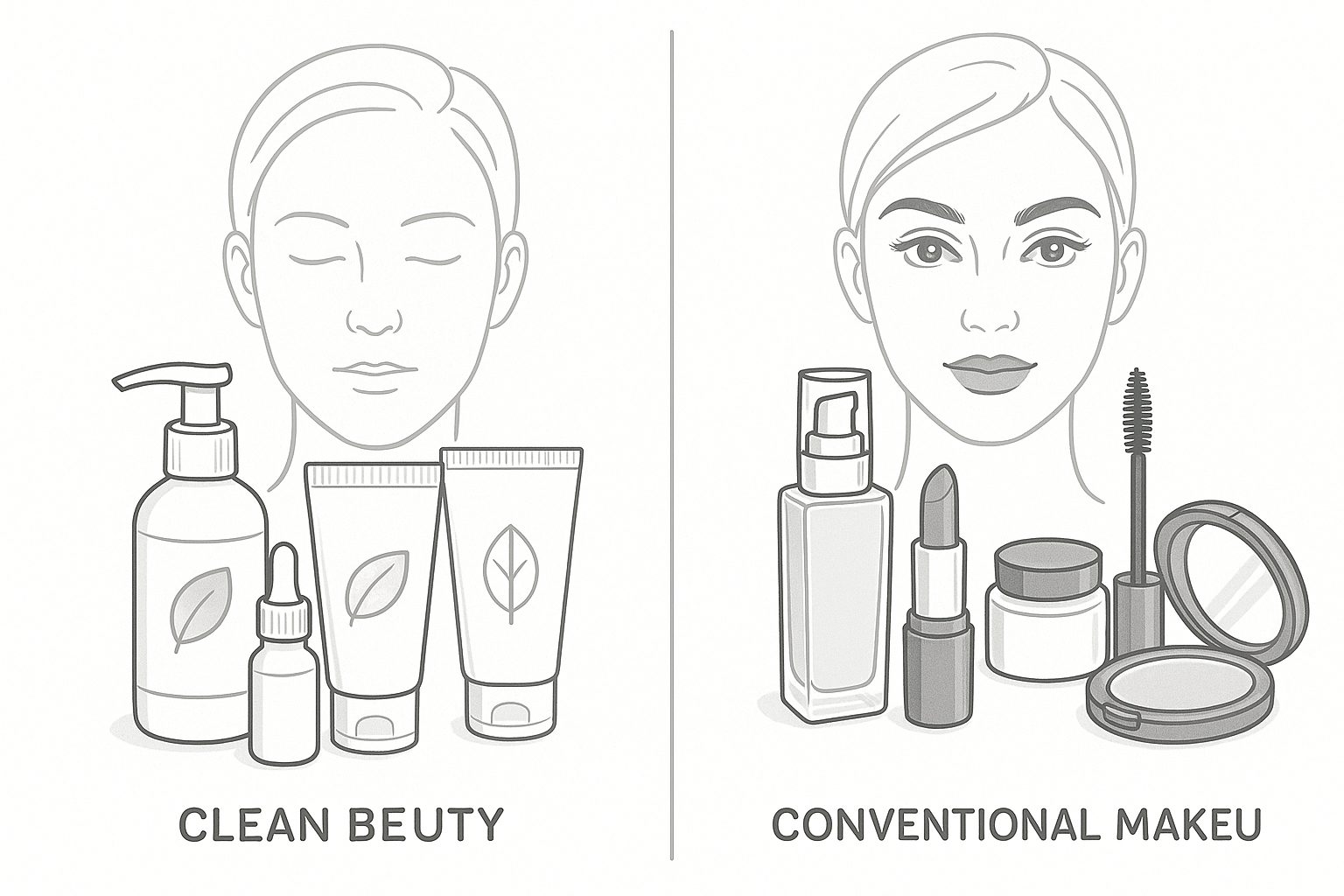
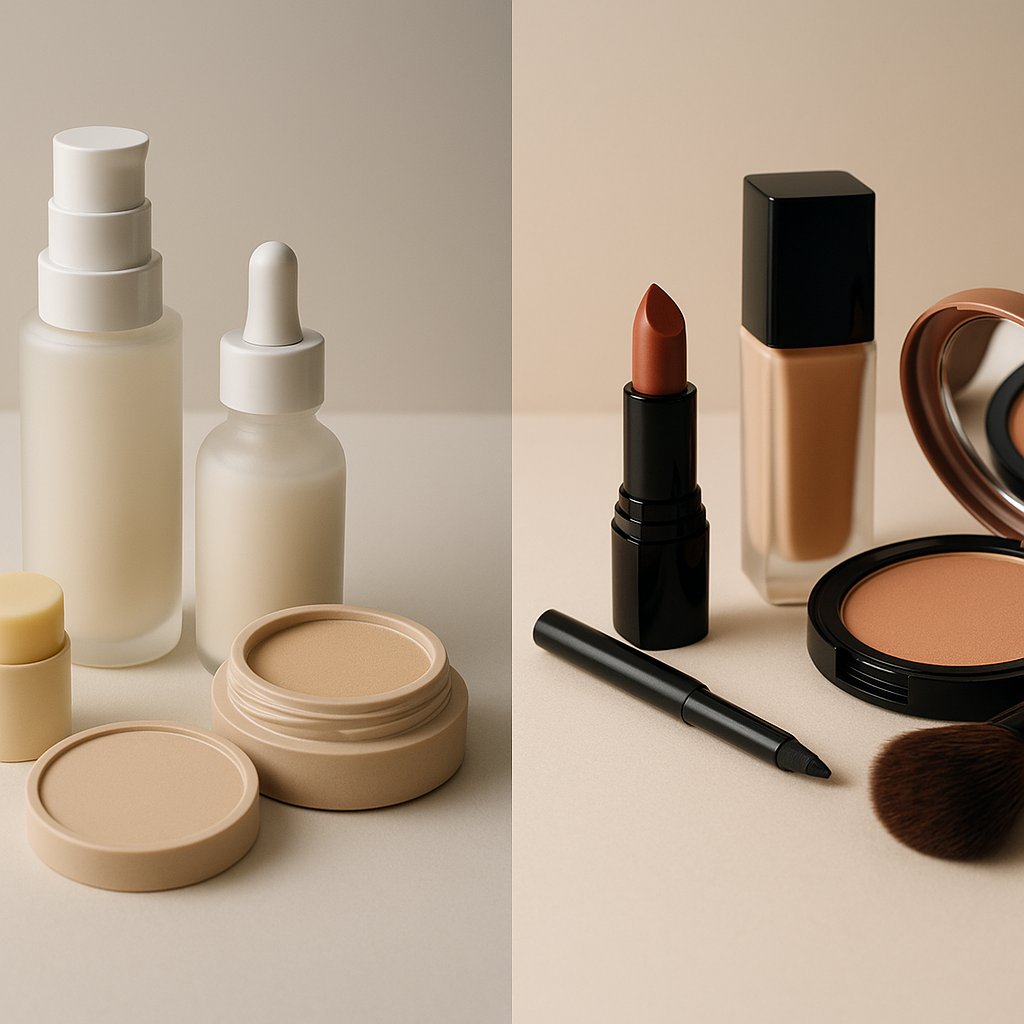
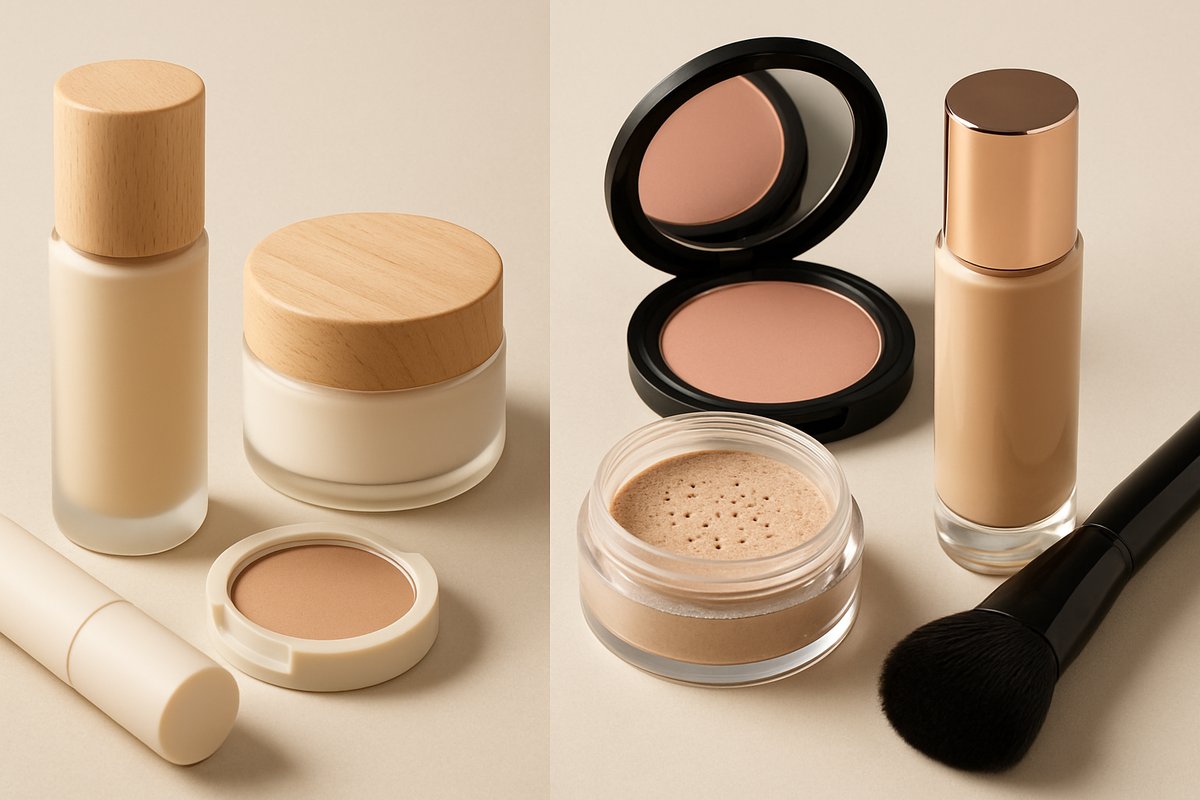
The core regulatory gap: the FDA regulates cosmetics under the Federal Food, Drug, and Cosmetic Act but does not require pre-market safety approval for cosmetic ingredients — this means that ingredients legal in conventional makeup may still have limited long-term safety data, which is the primary reason health-conscious consumers prefer clean beauty formulations.
PFAS is the most significant current concern in conventional makeup: a 2021 Notre Dame environmental study detected PFAS in over 50% of tested products including long-wear foundations and waterproof mascaras. PFAS are not required to be listed on labels when used as processing agents. Clean beauty brands that explicitly test and certify PFAS-free status address a gap that conventional brands have been slower to close.
Performance parity is the category’s honest divide: in high-demand applications (12+ hour wear, truly waterproof, full-coverage with matte finish), conventional makeup with synthetic film formers and waxes still outperforms most clean alternatives. For moderate wear expectations, clean and conventional are now genuinely comparable.
Price is not the reliable differentiator it once was: conventional prestige makeup (Dior, Charlotte Tilbury, MAC) and clean prestige makeup (ILIA, Kosas, RMS) occupy the same $36-56 price range. Clean positioning no longer means paying a significant premium over comparable conventional prestige products.
Greenwashing is prevalent in the makeup category: conventional brands have launched ‘clean’ sub-lines (e.g. Maybelline Green Edition, L’Oreal EverPure-style labeling) that use selective clean messaging without full clean ingredient standards. Checking the full ingredient list or cross-referencing with EWG Skin Deep is more reliable than reading front-of-pack claims.
The better question is this: what kind of product works best for your skin, your priorities, and your daily routine? In 2026, both clean and conventional makeup categories include excellent formulas, weak formulas, smart marketing, and confusing claims. You do not need ideology. You need a good filter.
AI tools are increasingly helping consumers navigate clean beauty choices by analyzing ingredient lists and matching products to individual needs. See how AI is changing makeup shopping in 2026.
What Clean Beauty Usually Means
Clean beauty generally refers to products formulated without certain ingredients a brand or retailer chooses to restrict. These often include ingredients like parabens, phthalates, or added fragrance, though the exact rules vary.
The challenge with the clean label
There is no single global definition that every brand follows. A product considered clean in one store may not meet another retailer’s standards. That makes clean beauty more of a framework than a fixed scientific category.
What Conventional Makeup Usually Means
Conventional makeup covers the broad mainstream market, from drugstore lines to prestige brands. These formulas often prioritize shelf stability, finish options, pigment performance, and broad category coverage.
Why conventional makeup still dominates
Many conventional brands have bigger labs, longer development cycles, and more established shade systems. That often gives them an advantage in long-wear foundation, waterproof eye makeup, and highly specialized products.
Clean Beauty vs Conventional Makeup: Key Differences
Ingredient philosophy
Clean beauty often highlights what is left out. Conventional makeup usually focuses more on formula results than restricted-list marketing.
Sensitivity concerns
Some clean products are helpful for reactive skin because they skip fragrance or certain additives. But conventional formulas can also be well tolerated, especially when they are dermatologist-tested or intentionally fragrance-free.
Performance and longevity
Conventional makeup still tends to lead in extreme-wear categories like waterproof mascara, transfer-resistant lipstick, and event-level foundation. Clean beauty has improved, but not every formula is built for long humid days.
Shelf life
Conventional products sometimes feel more stable over time because of preservative systems and formula structure. Clean products can still be well preserved, but cream and liquid items may demand more attention to age and storage.
Who Should Lean More Toward Clean Beauty?
Ingredient-conscious shoppers
If label transparency matters to you, clean beauty can be more satisfying because the brand story often centers on ingredients.
People avoiding fragrance-heavy formulas
Many clean brands compete by removing strong fragrance and creating a softer sensory experience.
Minimalist makeup users
Clean beauty often excels at skin tints, cream blushes, balmy highlighters, and easy everyday products.
Who Might Prefer Conventional Makeup?
Long-wear makeup users
If you need your makeup to survive heat, events, or oily skin, conventional formulas often provide more options.
People needing extensive shade or format choice
Mainstream brands usually have more SKUs, more finishes, and more price points.
Glam or high-performance users
If you love bold eye looks, matte base makeup, and serious staying power, conventional brands may still have the edge in certain categories.
The Smartest Approach in 2026
Mix categories instead of choosing a side
You do not need an all-clean or all-conventional routine. Many people do best with a mix: maybe a clean skin tint, a conventional waterproof mascara, and whichever concealer simply works best.
Judge products, not movements
The best makeup bag is usually built product by product. Category loyalty is less important than formula quality.
FAQ
Is clean beauty better than conventional makeup?
Not automatically. Clean beauty may offer ingredient transparency and gentler-feeling options, while conventional makeup often leads in wear time and category depth. The best choice depends on your needs.
Does conventional makeup have better performance?
Often, yes, especially in high-wear categories like waterproof eye makeup and long-lasting foundation. But some clean complexion and cream products now perform very well too.
Is clean makeup safer than conventional makeup?
Not always. Safety depends on the specific formula, your skin triggers, and how the product is used. A clean label is not a guarantee of compatibility.
Can I mix clean and conventional makeup?
Yes, and for most people that is the smartest approach. Choose the best-performing product in each category instead of forcing a single philosophy on your whole routine.
The clean beauty vs conventional makeup debate sounds bigger than it really is. In practice, the smartest beauty shoppers in 2026 use both categories strategically. Buy the formula that works, feels good, and fits your actual life.