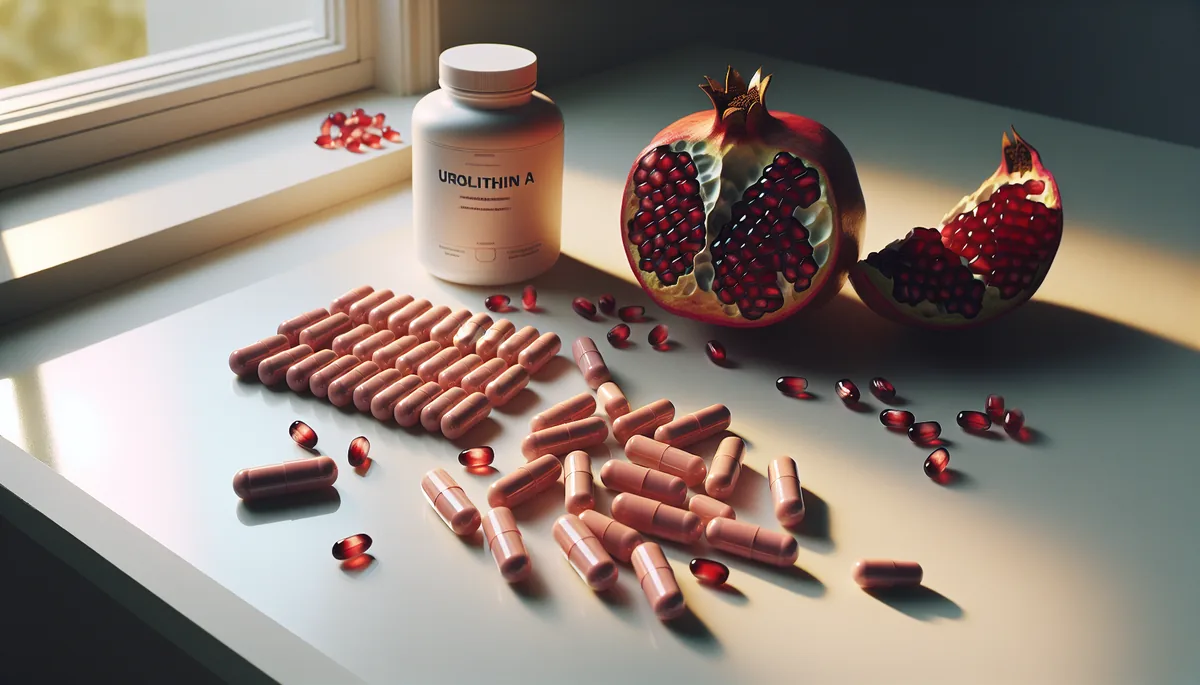
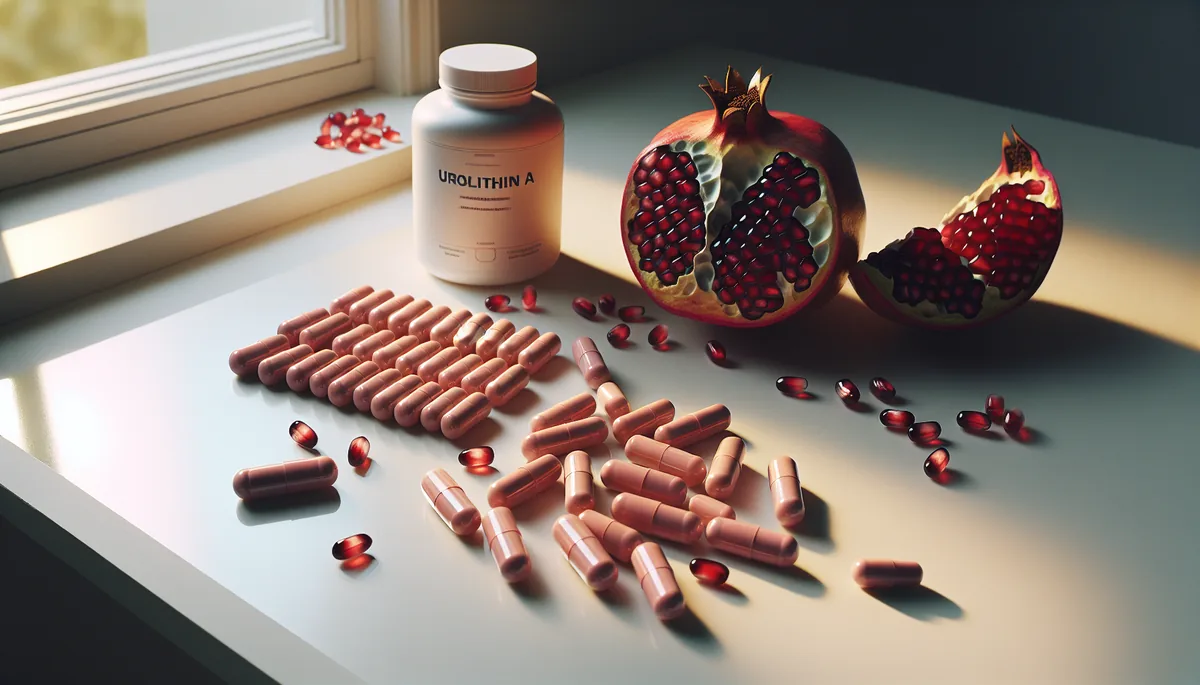
Urolithin A and NMN often get placed in the same longevity bucket, but they do not do the same thing. If you understand that up front, the comparison becomes much easier.
If you are weighing NAD+ precursors against each other, our detailed comparison of NMN vs NR vs NAD+ boosters covers the key differences in absorption, cost, and evidence.
For specific product picks and what to look for on labels, see our roundup of the best urolithin A supplements in 2026.
Urolithin A and NMN (nicotinamide mononucleotide) are both longevity-oriented mitochondrial supplements, but they target distinct mechanisms. Urolithin A enhances mitophagy – clearing damaged mitochondria to improve quality of the remaining pool. NMN is an NAD+ precursor – it raises cellular NAD+ levels, supporting the sirtuin enzymes and PARP repair mechanisms that decline with age. These mechanisms are complementary: mitophagy removes dysfunctional mitochondria; NAD+ restoration supports the function of existing mitochondria and DNA repair broadly. The evidence base differs significantly: urolithin A has the ATLAS trial (muscle endurance RCT) as its clinical anchor; NMN has primarily pharmacokinetic and biomarker studies showing NAD+ elevation, with functional outcome data in early development.
- NMN (and NR, its precursor) raises blood and tissue NAD+ levels reliably in human trials – NAD+ declines approximately 50% from age 30 to 60 in most tissues; whether this decline is causative of aging or symptomatic of it remains actively debated.
- Urolithin A targets the mitophagy pathway specifically in muscle and has direct functional outcome data (endurance improvement in RCT); NMN’s functional benefits in humans are less directly demonstrated in controlled trials despite strong mechanistic rationale.
- The combination rationale is reasonable: NMN ensures the surviving mitochondria have adequate NAD+ for electron transport and sirtuin activation; urolithin A removes the damaged mitochondria that would otherwise dilute the NAD+ signal with inefficient ATP production.
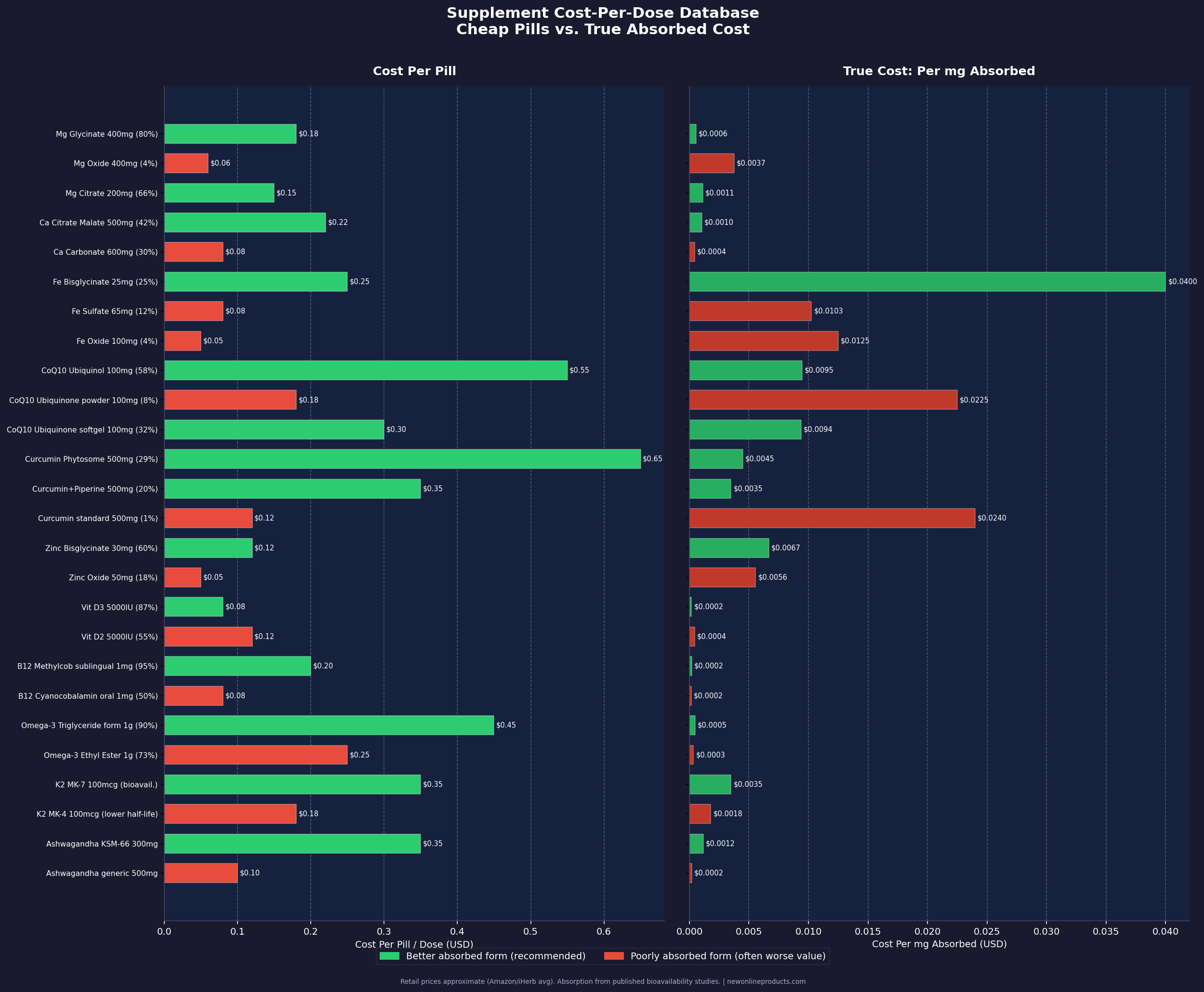
- Cost comparison: both are expensive supplements at clinical doses ($50-100/month each); combining both represents a significant investment for speculative additive benefits that have not been directly tested in a combination RCT.
- The honest ranking for most adults: improving sleep, resistance training, and dietary protein optimization are more evidence-supported for muscle health and longevity than either supplement – both are reasonable additions for motivated individuals already optimizing fundamentals.
NMN is mainly discussed as a precursor in the NAD+ pathway. Urolithin A is mainly discussed as a mitophagy activator that helps improve mitochondrial quality control. One is more about metabolic fuel systems; the other is more about cellular cleanup.
What NMN Does
NMN, or nicotinamide mononucleotide, is a precursor used by the body to help generate NAD+, a molecule involved in energy metabolism, DNA repair signaling, and sirtuin-related pathways. Interest in NMN is tied to the idea that NAD+ levels may decline with age.
People usually consider NMN for:
- energy metabolism support
- healthy aging interest
- NAD+ restoration strategies
- pairing with exercise and metabolic health routines
What Urolithin A Does
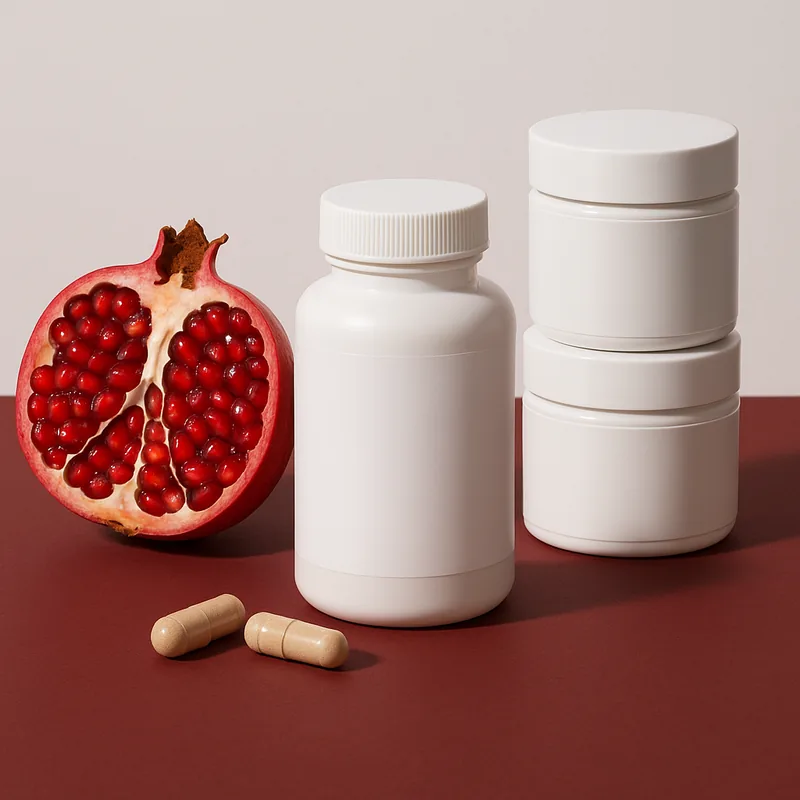
Urolithin A comes from gut-microbial conversion of ellagitannins, though many people produce little of it naturally. Its big claim to fame is mitophagy. It helps the body clear damaged mitochondria, which may support muscle function and mitochondrial health with age.
People usually consider urolithin A for:
- mitochondrial quality control
- muscle endurance with age
- exercise performance support
- evidence-backed mitochondrial aging strategies
Biggest Difference: Fuel vs Cleanup
NMN = more NAD+ support
NMN is usually framed as helping provide the metabolic currency cells rely on for many energy-related processes.
Urolithin A = better mitochondrial housekeeping
Urolithin A is about clearing out broken or inefficient mitochondria so the mitochondrial network works better overall.
That means they are not perfect substitutes.
Which Has Better Human Evidence Right Now?
For specific physical-function outcomes, urolithin A has a strong case because randomized trials in 2022 found improvements in muscle endurance, muscle strength, and biomarkers of mitochondrial health.
NMN has growing human research, but the results are more mixed depending on dose, population, and endpoint. It remains promising, but the evidence is not as neatly focused on one standout mechanism-plus-outcome story as urolithin A.
Which One Should You Choose?
Choose urolithin A if:
- your main concern is mitochondrial quality
- you care about muscle endurance and physical aging
- you want a supplement with a clear mitophagy story and human performance data
Choose NMN if:
- you are more interested in NAD+ biology
- you want to target metabolic energy pathways broadly
- you already understand and value the NAD+ research space
Use both if:
- your budget allows it
- you want mitochondrial cleanup plus NAD+ support
- you prefer complementary longevity mechanisms instead of choosing only one
This combined logic is why many advanced supplement users stack them.
Cost and Practicality
Urolithin A and NMN are both premium supplements. If you can only afford one, your decision should be goal-driven.
If you are older and noticing physical stamina decline, urolithin A may offer the more tangible use case. If you are highly interested in NAD+ restoration and metabolic signaling, NMN may be the more compelling first experiment.
FAQ
Is urolithin A better than NMN?
Not universally. Urolithin A may be better for mitochondrial cleanup and muscle endurance, while NMN may be better for NAD+ support.
Can you take urolithin A and NMN together?
Yes. They target different aspects of mitochondrial and cellular aging and are often viewed as complementary.
Which one is more evidence-based?
For muscle and mitochondrial-performance outcomes, urolithin A currently has a very clear clinical story. NMN research is broader but more mixed.
Which is better for older adults?
Older adults focused on mobility, endurance, and mitochondrial quality may lean toward urolithin A first.
Sources
- Computational analysis of Urolithin A as a potential compound for anti-inflammatory, antioxidant, and neurodegenerative pathways. Free radical biology & medicine. 2025. PMID: 39643139.
- Metabolic analysis of sarcopenic muscle identifies positive modulators of longevity and healthspan in C. elegans. Redox biology. 2025. PMID: 40544604.
- Distinct roles of urolithin A and spermidine in mitophagy and autophagy: implications for dietary supplementation. Nutrition research reviews. 2025. PMID: 41404767.
- Targeting aging with urolithin A in humans: A systematic review. Ageing research reviews. 2024. PMID: 39002645.
- NMN Supplementation: Current Clinical Evidence and Future Directions — Review (2022)
Related Articles
- Longevity Supplements in 2026: Complete Guide
- Urolithin A for Muscle Endurance With Age
- Urolithin A for Mitochondrial Health
- Is Urolithin A Worth the Cost for Healthy Aging?
- NMN vs NR vs NAD+ Boosters: Key Differences Explained

📚 Part of our Longevity Supplements Guide hub. Explore all our longevity supplement evidence reviews.