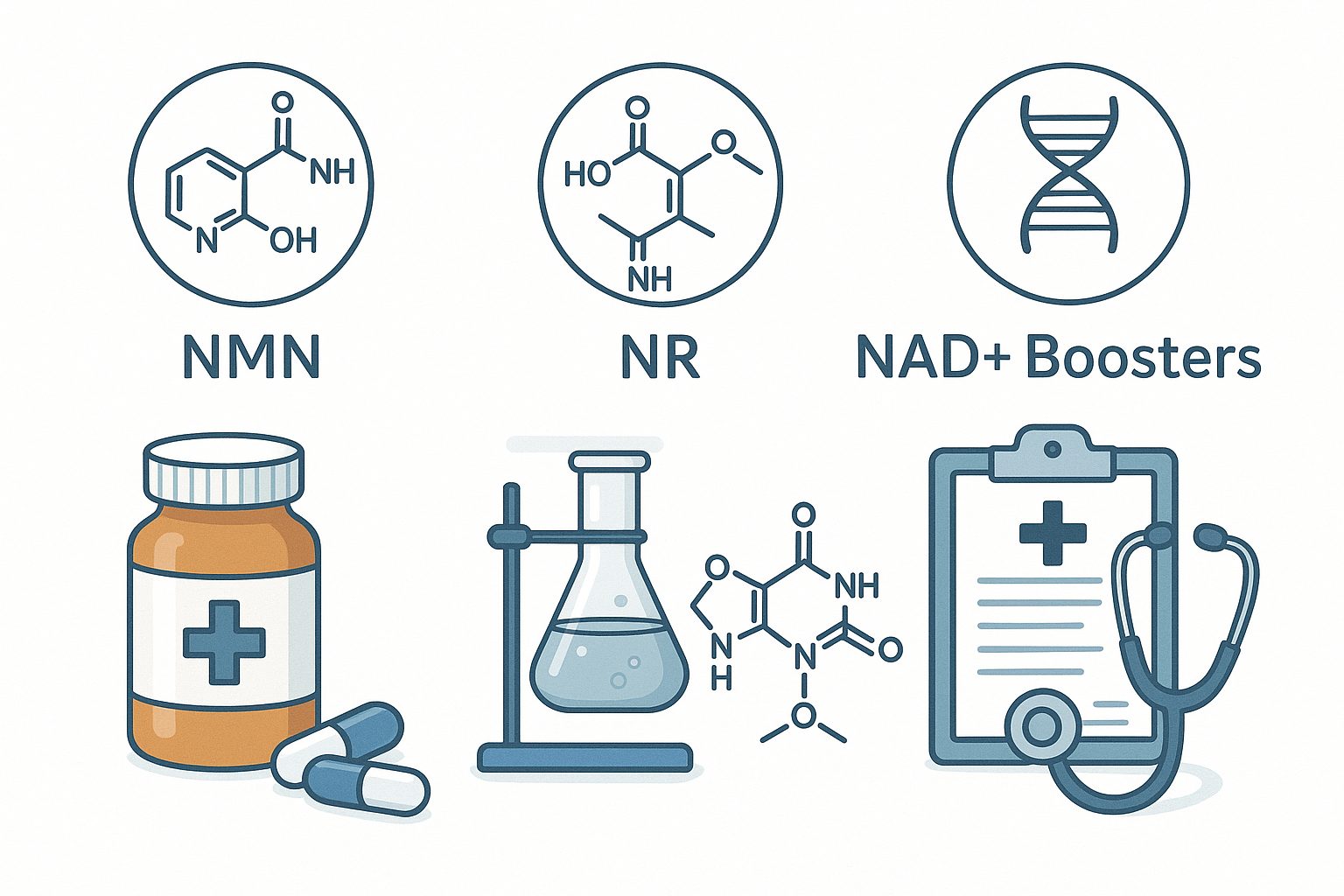
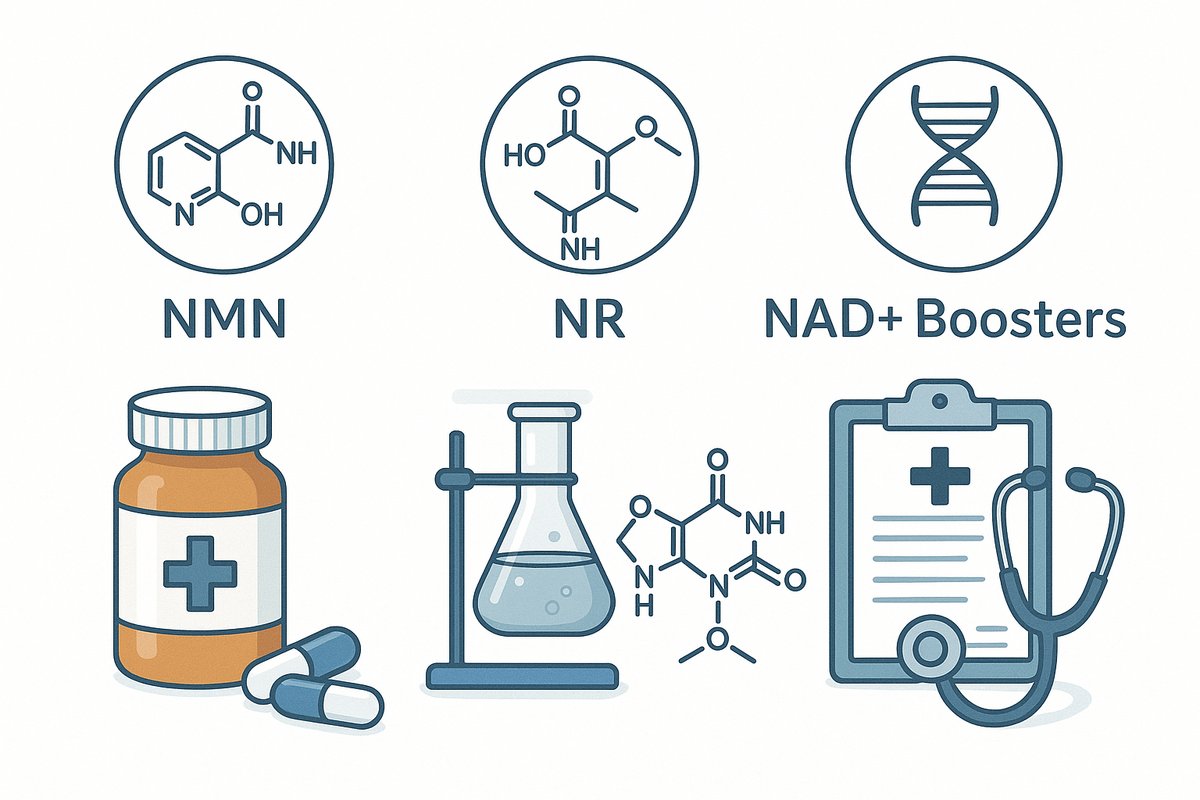
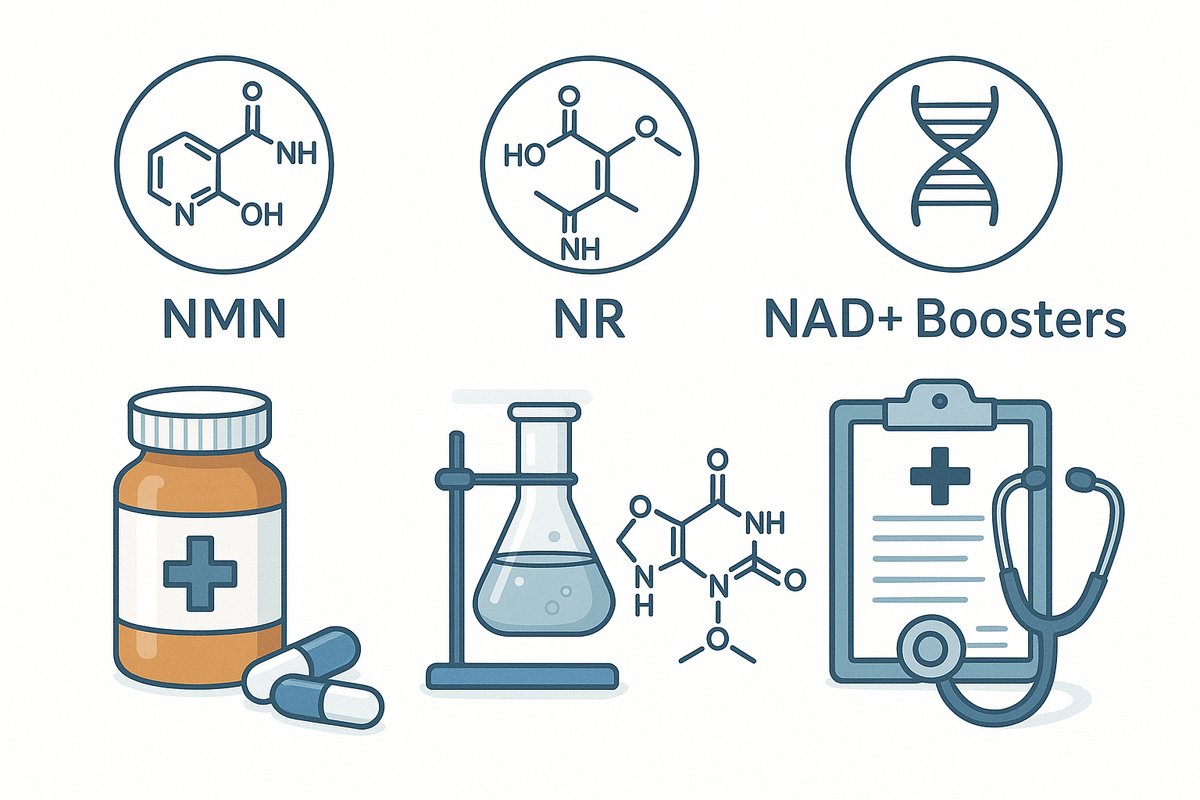
NMN (nicotinamide mononucleotide) and NR (nicotinamide riboside) are two forms of vitamin B3 that serve as NAD+ precursors — both reliably raise blood and cellular NAD+ levels in human trials. The key difference: NMN is one step closer to NAD+ in the synthesis pathway than NR, but must be converted to NR before cellular uptake (recent evidence suggests NMN can also enter cells via Slc12a8 transporter directly). In practice, both are effective; NMN raises NAD+ more efficiently per milligram at lower doses in some head-to-head trials. NR has a longer human safety record. Plain niacin (nicotinic acid) is the cheapest NAD+ precursor with strong evidence but causes flushing.
- NAD+ (nicotinamide adenine dinucleotide) declines ~50% between ages 20 and 60 in key tissues; this decline impairs sirtuin activity, PARP1 DNA repair, mitophagy, and cellular energy production — all central to aging biology.
- NR (nicotinamide riboside) was the first well-studied oral NAD+ precursor to show reliable human blood NAD+ elevation (>50% increase) at 300-1000 mg/day in Phase 1 trials; it is absorbed via nucleoside transporters in intestinal cells.
- NMN (nicotinamide mononucleotide) is the direct precursor to NMN → NAD+ conversion; a 2021 Japanese RCT showed 250 mg/day NMN increased muscle NAD+ and improved insulin sensitivity in prediabetic women; several other RCTs confirm blood NAD+ elevation.
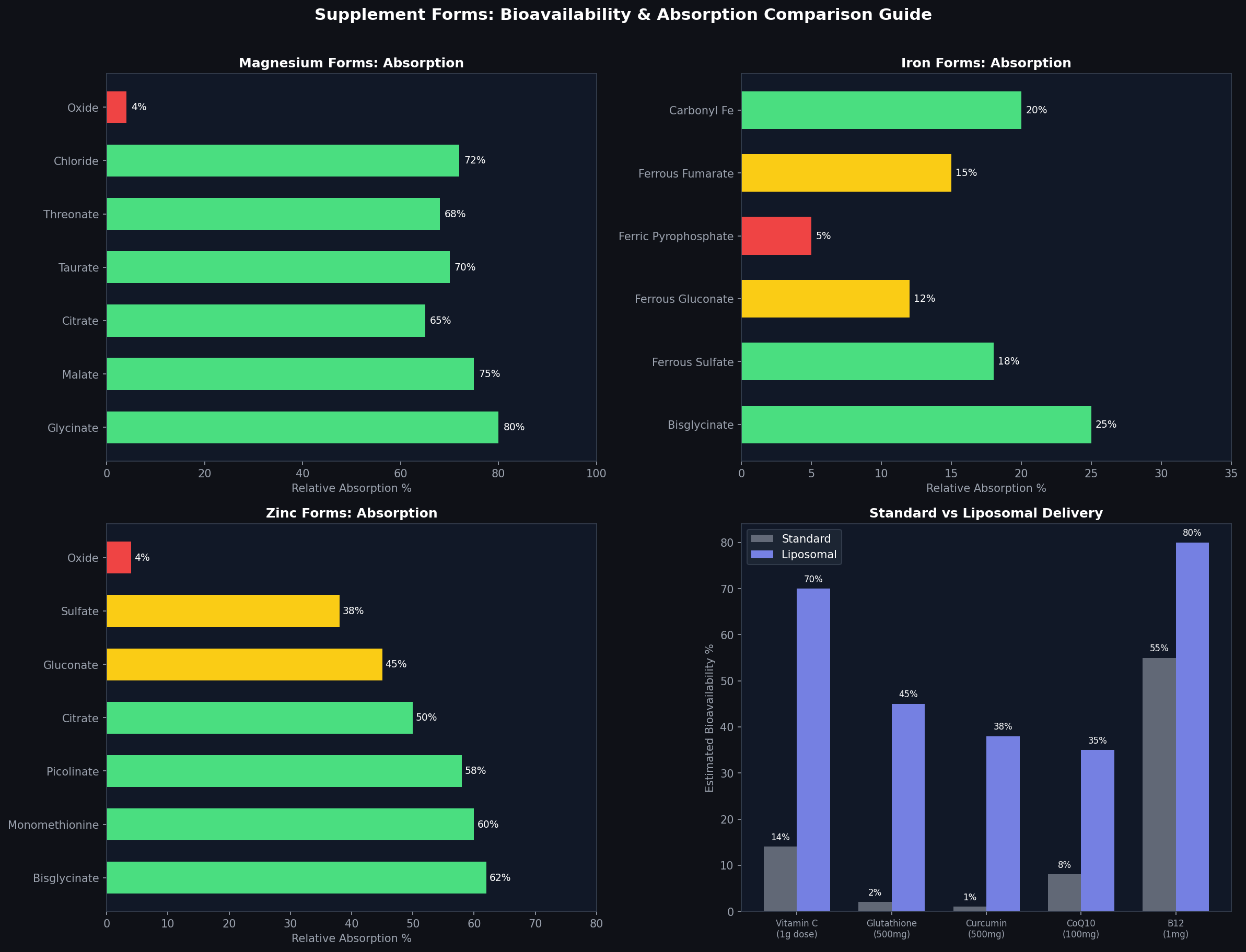
- Sublingual or liposomal NMN formulations claim better bioavailability than standard capsules, but head-to-head absorption data comparing delivery forms in humans is limited — standard capsules appear adequate based on trial data.
- Niacin (nicotinic acid, 500-1000 mg/day) is the cheapest NAD+ precursor with the most established safety profile and cardiovascular evidence, but causes cutaneous flushing in most people — limiting compliance. Sustained-release niacin reduces but does not eliminate flushing.
People often talk as if NMN, NR, and “NAD boosters” are all the same thing, but they are not. They all aim to support cellular NAD+ levels, yet they differ in chemistry, cost, evidence, and how hard marketers oversell them.
The short version: NR and NMN are NAD+ precursors, while “NAD boosters” is a broader umbrella that may include those compounds plus niacin, niacinamide, or products marketed to influence NAD metabolism indirectly.
`r`n`r`n
Why NAD+ Matters
NAD+ is a coenzyme involved in energy metabolism, mitochondrial function, DNA repair pathways, and cellular stress responses. NAD+ levels tend to decline with age in multiple tissues, which is one reason researchers have become interested in supplementation.
That said, increasing a biomarker is not the same as proving longer lifespan or better health outcomes in humans. This is where a lot of marketing gets ahead of the evidence.
`r`n`r`n
What NR Is
Nicotinamide riboside explained
NR stands for nicotinamide riboside, a form of vitamin B3 that the body can convert into NAD+.
Human studies show fairly consistently that NR can raise blood NAD+ levels. A randomized trial in healthy middle-aged and older adults found that oral NR increased the NAD+ metabolome, showing that it does what it is supposed to do biochemically.
`r`n`r`n
Where NR evidence is strongest
- reliable increase in NAD+ biomarkers
- decent safety and tolerability data
- easier availability in commercial products
Where NR evidence is weaker
Clear, large, real-world benefits in energy, aging, or disease prevention are still not firmly established.
`r`n`r`n
What NMN Is
Nicotinamide mononucleotide explained
NMN stands for nicotinamide mononucleotide, another NAD+ precursor located one step closer to NAD+ in the biochemical pathway.
It became especially popular after preclinical anti-aging research, but human evidence is still catching up.
A placebo-controlled trial in postmenopausal women with prediabetes found that NMN improved muscle insulin signaling and insulin sensitivity under the study conditions. That is promising, but it is not proof that NMN broadly slows aging.
`r`n`r`n
Where NMN evidence is strongest
- mechanistic plausibility
- early human data in metabolic function
- broad consumer interest and lots of newer products
Where NMN evidence is weaker
- fewer long-term clinical data than enthusiasts often imply
- unclear whether it is meaningfully better than NR in practical outcomes
What “NAD+ boosters” Usually Means
“NAD booster” is a marketing category, not a single ingredient.
It may refer to:
- NR
- NMN
- niacinamide or niacin
- multi-ingredient formulas claiming to support sirtuins, mitochondria, or cellular energy
This broad labeling can be useful for SEO, but it is not precise. If a bottle says “NAD booster,” always check the Supplement Facts panel to see what is actually inside.
`r`n`r`n
NMN vs NR: Which Is Better?
Best evidence for raising NAD+
At this point, both appear capable of raising NAD-related biomarkers, though study designs differ and direct head-to-head outcome data are limited.
`r`n`r`n
Best evidence for human outcomes
Neither has knockout evidence for lifespan extension in humans. NR arguably has a slightly more established human safety and biomarker literature, while NMN has some intriguing metabolic and functional findings.
`r`n`r`n
Best choice for beginners
If you want to experiment carefully, the more practical answer is often: pick one, not both, and judge based on budget, availability, tolerance, and whether you notice anything meaningful over 8 to 12 weeks.
`r`n`r`n
What to Watch Out For
Overblown anti-aging promises
No NAD+ supplement has been proven to extend human lifespan.
`r`n`r`n
Stacking too many similar products
Taking NR, NMN, niacinamide, and a “cellular energy complex” all at once is usually unnecessary.
`r`n`r`n
Ignoring basics
Sleep, exercise, protein intake, blood sugar control, and cardiovascular health still matter more than chasing one pathway.
`r`n`r`n
FAQ
Is NMN better than NR?
Not clearly. NMN and NR both support NAD+ metabolism, but there is not enough evidence to say one is universally superior for real-world aging outcomes.
`r`n`r`n
Do NAD+ boosters really work?
They often work at the level of raising NAD-related biomarkers. Whether that translates into meaningful health or longevity benefits depends on the specific outcome, person, and product.
`r`n`r`n
Can you take NMN and NR together?
You can find people doing that, but there is not much practical reason for most beginners to stack both. It is usually cleaner and cheaper to trial one.
`r`n`r`n
What is the best NAD+ booster for beginners?
A single-ingredient NR or NMN product from a reputable brand is usually more sensible than a complex proprietary blend.
`r`n`r`n
References
- Conze D, Brenner C, Kruger CL. Safety and metabolism of long-term nicotinamide riboside administration. Sci Rep. 2019.
- Yoshino M, et al. NMN increases muscle insulin sensitivity in prediabetic women. Science. 2021.
- Martens CR, et al. Nicotinamide riboside supplementation elevates NAD+ in healthy adults. Nat Commun. 2018.
- Irie J, et al. Oral NMN in healthy Japanese men: clinical parameters and metabolomics. Endocr J. 2020.
- Reviews comparing NMN, NR, and NAD+ booster supplements. PubMed search.
This article is for informational purposes only and does not constitute medical advice. If you have cancer history, liver disease, metabolic disease, or take regular medications, review NAD-related supplements with your clinician before using them.ents with your clinician before using them.*
`r`n`r`n
Related Articles
- Urolithin A for Healthy Aging: What It Is, What It Does, and What the Evidence Shows
- Spermidine Supplement Guide: Benefits, Evidence, Dosage, and What to Expect
- Do Longevity Supplements Actually Work? A Realistic Look at the Evidence
- Best Longevity Stack for Beginners: A Simple, Evidence-Aware Starting Point
- Urolithin A vs NMN: Which Longevity Supplement Does What?