
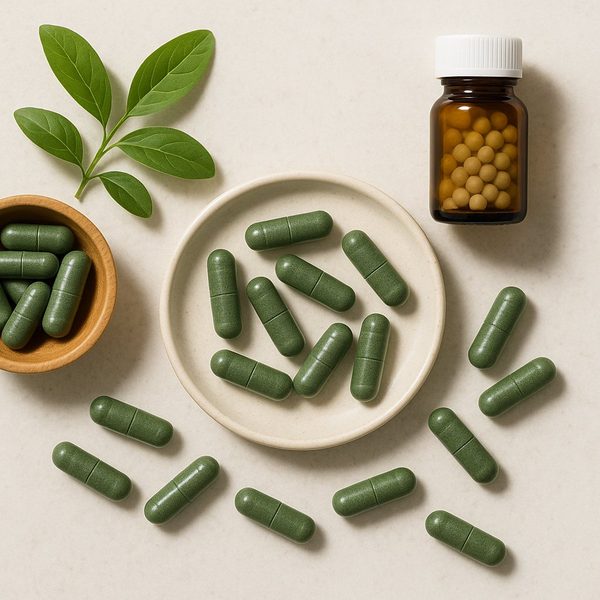
Spermidine is a polyamine compound found in wheat germ, soybeans, mushrooms, and aged cheese that induces autophagy — the cellular self-cleaning process that declines with aging. Animal studies show spermidine extends lifespan across multiple model organisms including yeast, flies, worms, and mice via autophagy induction. Human epidemiological data from the ASPIS cohort links higher dietary spermidine intake to reduced all-cause mortality and lower dementia risk. A 2021 RCT (n=100 older adults) found spermidine supplementation (1.2 mg/day for 3 months) improved cognitive performance. Supplement doses of 1-5 mg/day approximate the range associated with health benefits in dietary studies.
- Spermidine induces autophagy by inhibiting the acetyltransferase EP300, which acetylates and deactivates key autophagy-initiating proteins — this mechanism has been confirmed in multiple model organisms and in human cell culture.
- Autophagy (‘self-eating’) is a cellular quality control process that clears damaged proteins and organelles; its decline with aging contributes to protein aggregation diseases (Alzheimer’s, Parkinson’s), metabolic dysfunction, and cancer accumulation.
- The ASPIS cohort study (n=800+ older adults, 20-year follow-up) found those in the highest tertile of dietary spermidine intake had 40% lower all-cause mortality and significantly lower dementia incidence — though causality vs. healthy diet confounding is debated.
- A 2021 randomized crossover trial found 3 months of spermidine-rich plant extract (1.2 mg/day spermidine) significantly improved memory performance vs. placebo in older adults with subjective cognitive decline — the first human RCT showing cognitive benefit.
- Wheat germ is the richest dietary spermidine source (3-5 mg per 100g); supplement doses of 1-5 mg/day approximate enhanced dietary intake without requiring wheat germ consumption, relevant for those with gluten sensitivity.
Spermidine is one of those longevity supplements that sounds obscure until you realize researchers have been interested in it for years.
It is a naturally occurring polyamine found in foods such as wheat germ, soy products, mushrooms, and some aged cheeses. Interest in spermidine comes from its links to autophagy, the cellular housekeeping process that helps clear damaged material.
That sounds exciting, but the practical question is simpler: does supplemental spermidine actually do anything meaningful in humans?
The honest answer is: maybe, but the evidence is still early.
`r`n`r`n
What Spermidine Is Supposed to Do
Spermidine has attracted attention because laboratory and animal studies suggest it may support:
- autophagy-related cellular cleanup
- mitochondrial function
- cardiovascular and metabolic resilience
- aspects of brain health and healthy aging
The problem is that animal and cell data are much stronger than the human outcome data. So this is a supplement where you want curiosity without gullibility.
`r`n`r`n
What Human Studies Show So Far

Cognitive aging is one of the more interesting areas
A randomized controlled trial in older adults with subjective cognitive decline tested a spermidine-rich plant extract and found some signals suggesting memory-related benefit, although results have been mixed and modest rather than dramatic.
That does not make spermidine a proven brain-aging supplement, but it does make it more interesting than many purely theoretical compounds.
`r`n`r`n
Diet-based observational data are promising but not decisive
Several observational studies have linked higher dietary spermidine intake with lower mortality and better cardiometabolic outcomes. That is useful context, but it does not prove that a spermidine capsule will reproduce those effects.
`r`n`r`n
Potential Benefits of Spermidine Supplements
Healthy aging support
This is the main reason people buy it. The theory is that by supporting autophagy-related pathways, spermidine may help cells maintain function with age.
`r`n`r`n
Brain and memory support
The strongest consumer-facing angle is probably cognitive aging, though current evidence still supports a possible benefit, not a guaranteed one.
`r`n`r`n
Cardiometabolic support
This area is more speculative for supplements specifically, but food-pattern research makes it biologically plausible.
`r`n`r`n

What to Look For in a Spermidine Supplement
Standardization matters
Many spermidine products use wheat germ extract or similar plant extracts. Check whether the product clearly states the amount of spermidine provided rather than hiding behind a vague proprietary blend.
`r`n`r`n
Third-party testing matters too
Because this is a niche supplement, quality control matters. Look for:
- clear ingredient disclosure
- batch testing or third-party testing
- realistic claims rather than “age reversal” nonsense
Food first still makes sense
If you tolerate them, foods naturally containing spermidine may deserve more attention than hype suggests. A Mediterranean-style diet pattern may do more for long-term health than an expensive capsule alone.
`r`n`r`n
Typical Spermidine Dosing
There is no universally agreed standard dose like there is for creatine. Commercial products often provide around 1 to 6 mg of spermidine per day, depending on the extract and brand.
If you try it, it makes sense to stay with a moderate, label-consistent dose from a reputable company rather than chasing the highest number.
`r`n`r`n
Who Might Consider Spermidine?
Spermidine may be worth considering if:
- you are interested in early-stage longevity compounds
- you prefer a more food-derived supplement profile
- your expectations are realistic
- you are already covering basics like sleep, exercise, blood pressure, and protein intake
Who Should Be More Cautious?
People with significant medical conditions, those who are pregnant or breastfeeding, and anyone with complex medication use should be more careful. Human long-term data are still limited compared with more established supplements.
`r`n`r`n
FAQ
What is spermidine good for?
Spermidine is mainly marketed for healthy aging, autophagy support, and brain health. The strongest enthusiasm comes from preclinical science, while human evidence remains early and moderate.
`r`n`r`n
Does spermidine increase autophagy?
It appears to influence autophagy-related pathways in preclinical research. In humans, that mechanistic idea is promising, but direct practical benefits are still being worked out.
`r`n`r`n
Is spermidine worth taking?
It may be worth trying for people who are already handling the basics and want to experiment with a relatively plausible longevity supplement. It is not the first supplement most beginners should prioritize.
`r`n`r`n
How long does spermidine take to work?
If it helps, it is likely to be gradual rather than obvious. Think in terms of weeks to months, not days.
`r`n`r`n
References
- Wirth M, et al. Spermidine and memory performance in older adults at risk for dementia. Cortex. 2018.
- Kiechl S, et al. Higher spermidine intake is linked to lower mortality. Am J Clin Nutr. 2018.
- Schwarz C, et al. Safety and tolerability of spermidine supplementation. Aging (Albany NY). 2018.
- Madeo F, et al. Spermidine in health and disease. Science. 2018.
- Reviews on spermidine supplementation dosing and benefits. PubMed search.
This article is for informational purposes only and does not constitute medical advice. Discuss new supplements with your healthcare professional, especially if you have chronic disease or take prescription medications.
`r`n`r`n
Related Articles
- Is Spermidine Worth Taking After 50? A Practical, Evidence-Based Answer
- Spermidine vs Resveratrol: Which Longevity Supplement Makes More Sense?
- Best Spermidine Supplements From Wheat Germ: What to Look For Before You Buy
- Urolithin A for Healthy Aging: What It Is, What It Does, and What the Evidence Shows
- Do Longevity Supplements Actually Work? A Realistic Look at the Evidence