
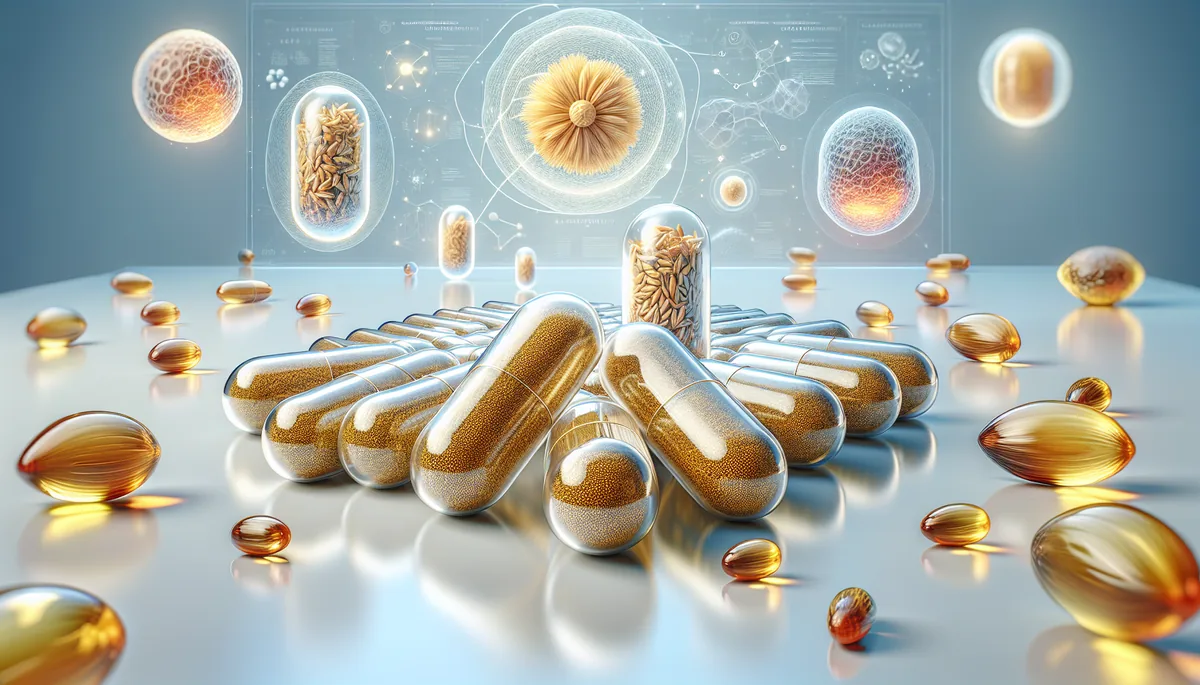
Spermidine is generally well tolerated in published human trials at doses of 1–6 mg/day, with no significant adverse events reported in short-term RCTs. The most common concern for beginners is gastrointestinal sensitivity at higher doses, particularly with wheat germ extract formulations. There are no established drug interactions, but spermidine theoretically affects cell proliferation pathways, making it advisable to check with a doctor if you have cancer history or are immunocompromised. Typical starting dose is 1–2 mg/day, escalating to 3–6 mg/day if tolerated. Long-term safety data in humans are still limited; existing trial durations are 3–6 months.
- Published human RCTs have not reported serious adverse events with spermidine supplementation at doses of 1–6 mg/day over 3-month study periods. Gastrointestinal discomfort is the most commonly mentioned mild side effect, typically resolving with dose reduction or administration with food.
- Spermidine has no established drug interactions in the clinical literature, but theoretical concerns exist: as a pro-autophagic and potentially anti-proliferative compound, caution is warranted in people with active malignancies, recent transplant history, or immunosuppressive therapy.
- Most commercial spermidine supplements use wheat germ extract standardized to spermidine content. Individuals with celiac disease or severe gluten sensitivity should verify whether the product is certified gluten-free, as wheat germ extracts may contain trace gluten.
- There is no established standard dose for spermidine supplements. The range used across human trials is 1–6 mg/day, broadly reflecting enhanced dietary intake. Doses above 10 mg/day have not been studied in controlled human trials.
- Long-term safety data (beyond 6 months) in humans are essentially absent. Most of the safety record comes from dietary exposure — humans consume spermidine as a natural food component throughout life with no identified harm at dietary levels.
If you are considering adding spermidine to your supplement routine, the most practical questions are usually simple ones: Is it safe? What dose should I use? What should I watch for?
The science around spermidine can get quickly into mechanism debates, but for a cautious beginner, the starting point should always be safety and practical use — not just the longevity theory.
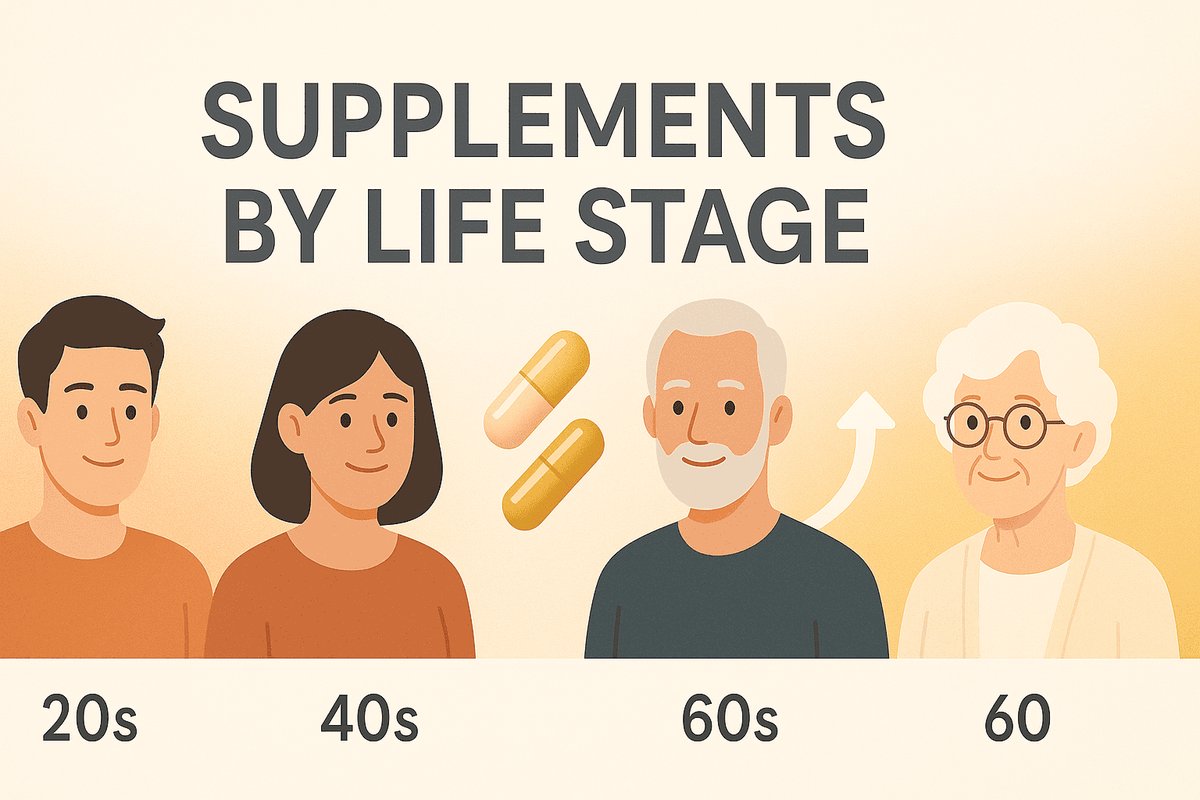
What the Human Safety Record Actually Shows
The reassuring news: spermidine has been tested in human trials without alarming safety signals. Published RCTs at doses of 1–6 mg/day over 3 months have not reported serious adverse events in otherwise healthy older adults.
The honest qualification: these trials are short, small, and in selected populations. No large-scale, long-duration safety trial for spermidine supplements has been conducted. Most of the long-term safety record comes from dietary spermidine — which humans consume naturally throughout life from wheat germ, legumes, and fermented foods — rather than concentrated supplemental doses.
That distinction matters. Supplement doses (1–6 mg/day) are broadly in the range of higher dietary intakes, which is partly why they are considered relatively low-risk. Very high doses have not been studied in humans.
Common Side Effects and Tolerability
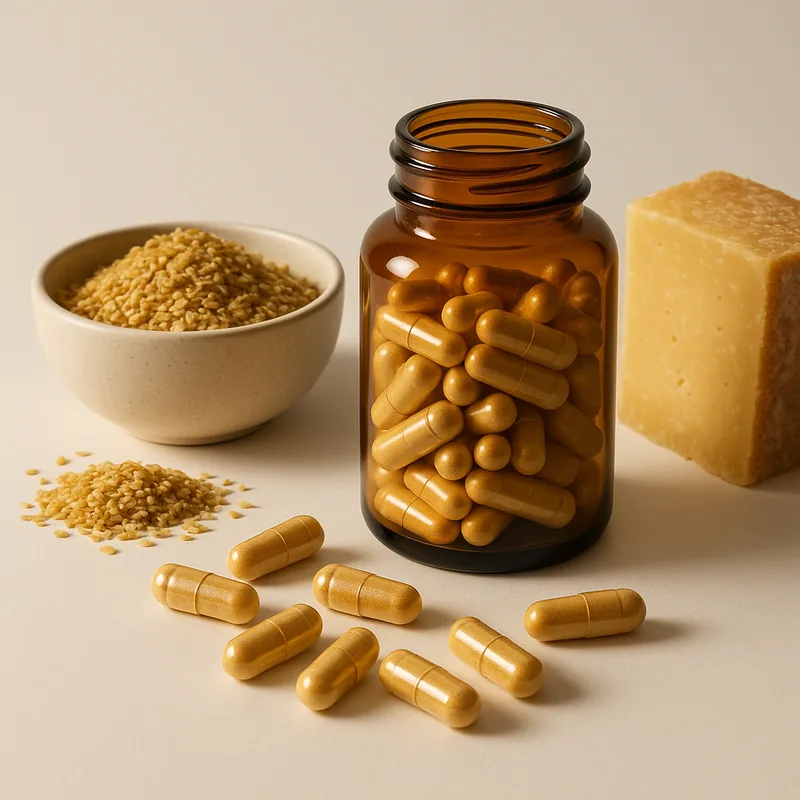
Gastrointestinal effects
The most commonly mentioned issue in supplement user reports (not necessarily in clinical trials) is GI sensitivity — mild nausea, loose stools, or digestive discomfort. This is more common with wheat germ extract formulations, which contain other compounds alongside spermidine, and may diminish if taken with food or at a lower dose.
Headache or fatigue
Some users report mild headache or fatigue early on, though these were not significantly elevated vs. placebo in published trials. These may reflect individual variation or adjustment effects rather than direct spermidine toxicity.
Skin reactions
No consistent pattern of skin reactions has been reported in trial data. Wheat germ-sensitive individuals should be aware that allergen cross-reactivity is theoretically possible from wheat-derived extracts.
Who Should Be More Cautious
While spermidine is generally safe for healthy adults, a few groups warrant extra caution:
- People with active or recent cancer history: Spermidine’s role in cell proliferation is complex — polyamines are elevated in rapidly dividing cells, and while autophagy induction generally suppresses cancer initiation, the net effect in someone with an active malignancy is unclear. Do not self-supplement; discuss with your oncologist.
- Immunocompromised individuals: Those on immunosuppressant medications (transplant recipients, autoimmune disease treatment) should check with their prescribing physician, as spermidine affects immune cell autophagy.
- Pregnant or breastfeeding women: No safety data exist for this population. Spermidine is present in human milk naturally, but supplemental doses have not been evaluated.
- Celiac disease: Verify that your product is certified gluten-free if derived from wheat germ extract.
Dosing: What the Evidence Supports
Range used in human studies
Human clinical trials have used a fairly narrow range: typically 1.2 mg to 6 mg/day of spermidine. The Wirth et al. cognitive trial used a wheat germ extract providing ~1.2 mg/day. Some products aim for 3–5 mg/day.
No established consensus dose
Unlike creatine (where 3–5 g/day is clearly established), there is no consensus spermidine dose. The range reflects attempts to approximate the dietary intakes associated with health outcomes in observational studies — not pharmacologically optimized dosing.
Practical starting approach
For a cautious beginner, a reasonable approach is:
- Start at the lower end of your product’s range (around 1–2 mg/day)
- Take with food to reduce any GI sensitivity
- Maintain for at least 8–12 weeks before evaluating — any effects are slow and subtle
- Escalate to 3–6 mg/day only if tolerated and if your product’s label supports it
Avoid extreme doses
Doses above 10 mg/day have not been tested in controlled human trials. There is no known benefit from exceeding studied ranges, and higher doses from concentrated extracts may not behave the same as dietary spermidine.
Wheat Germ Extract vs. Synthetic Spermidine
Most commercial products use wheat germ extract standardized to spermidine content. A few newer products offer synthetic or fermentation-derived spermidine. The practical difference for tolerability is not well established — but wheat germ extracts contain a matrix of other compounds (flavonoids, other polyamines) that may contribute to both benefits and GI sensitivity.
If wheat germ is a concern, look for products that clearly state the spermidine source and whether it is wheat-derived.
Stacking With Other Supplements
Spermidine is often discussed alongside other autophagy-related supplements (NMN, resveratrol, rapamycin analogs). There is no clinical data on combination regimens. Preclinical evidence suggests spermidine and other mTOR-independent autophagy inducers may be complementary, but this is speculative in humans. Start with spermidine alone before combining.
FAQ
Can spermidine supplements cause cancer?
No clinical evidence supports spermidine causing cancer. As a note of caution, polyamines are elevated in rapidly proliferating tissues including tumors — but spermidine itself induces autophagy, which generally acts as a tumor suppressor in healthy tissue. The concern about active malignancy is theoretical, not documented. Discuss with your oncologist if you have cancer history.
Is it safe to take spermidine every day?
Based on available trial data, daily use at 1–6 mg/day for 3 months appears safe in healthy older adults. Long-term daily use data do not exist. Given that humans consume spermidine daily through diet without harm, daily supplementation at dietary-equivalent doses is considered low-risk, though not proven safe indefinitely.
Can I take spermidine with food?
Yes, and it may help with tolerability. Taking spermidine-containing wheat germ extracts with food is a practical strategy for reducing any GI discomfort.
Does spermidine interact with medications?
No clinical drug interactions have been established. Theoretical caution exists for people on immunosuppressants, anticoagulants, or cancer medications. Always review new supplements with your pharmacist or prescribing physician if you take regular medications.
What happens if you take too much spermidine?
Doses well beyond studied ranges (above 10 mg/day from supplements) have not been evaluated in humans. In animal studies, very high polyamine levels can have pro-proliferative effects — which is one reason excess is not recommended. Stick to label directions and the ranges used in human trials.
References
- Schwarz C, Stekovic S, Wirth M, et al. Safety and tolerability of spermidine supplementation. Aging (Albany NY). 2018.
- Wirth M, Benson G, Schwarz C, et al. Spermidine and memory performance in older adults. Cortex. 2018.
- Madeo F, Eisenberg T, Pietrocola F, Kroemer G. Spermidine in health and disease. Science. 2018.
- Minois N, Carmona-Gutierrez D, Madeo F. Polyamines in aging and disease. Aging (Albany NY). 2011.
- Reviews on spermidine dosing, safety, and tolerability. PubMed search.
This article is for informational purposes only and does not constitute medical advice. Discuss new supplements with your healthcare provider, especially if you have chronic conditions or take prescription medications.
Related Articles
- Spermidine Supplement Guide: Benefits, Evidence, Dosage, and What to Expect
- Best Spermidine Supplements From Wheat Germ: What to Look For Before You Buy
- Is Spermidine Worth Taking After 50? A Practical, Evidence-Based Answer
- Spermidine for Autophagy Support: What the Science Says and What It Does Not
- Spermidine vs Resveratrol: Which Longevity Supplement Makes More Sense?
Sources
- Ashwagandha Root Extract on Well-Being: RCT (2022)
- Ashwagandha Hormonal and Vitality Effects: Crossover RCT (2019)
- Evidence-Based Efficacy of Adaptogens in Fatigue (2009)
- Spermidine for Autophagy Support
- Spermidine vs Resveratrol: Which Longevity Supplement?


Leave a Reply