Postbiotics: Benefits, Butyrate, and What They Do
They are more stable than probiotics
This is the biggest practical advantage. A properly made postbiotic does not depend on live-organism survival to work.
They may be easier to tolerate
Some people feel worse on probiotics, especially when doses are high or the product is poorly matched to their digestive situation. Postbiotics may offer a gentler option because they skip the live-colonization question.
They can target gut-barrier and immune function
Butyrate is the star here. It is a short-chain fatty acid produced when gut microbes ferment fiber, and it is a major fuel source for colon cells. Butyrate also helps maintain intestinal barrier integrity and modulate inflammation (Canani et al., World J Gastroenterol, 2011).
The most important postbiotic forms
1. Butyrate and tributyrin
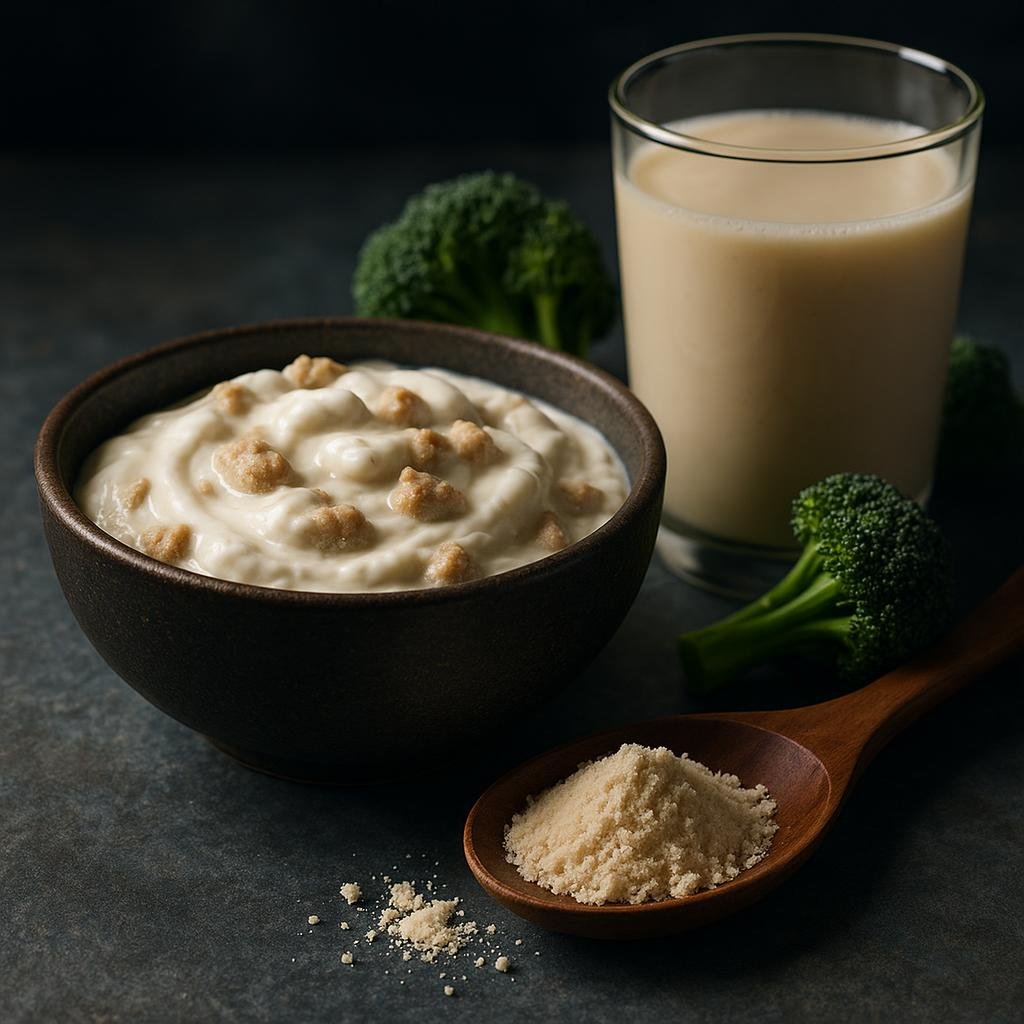
These are the best-known postbiotic-style products for direct gut support.
Why they matter
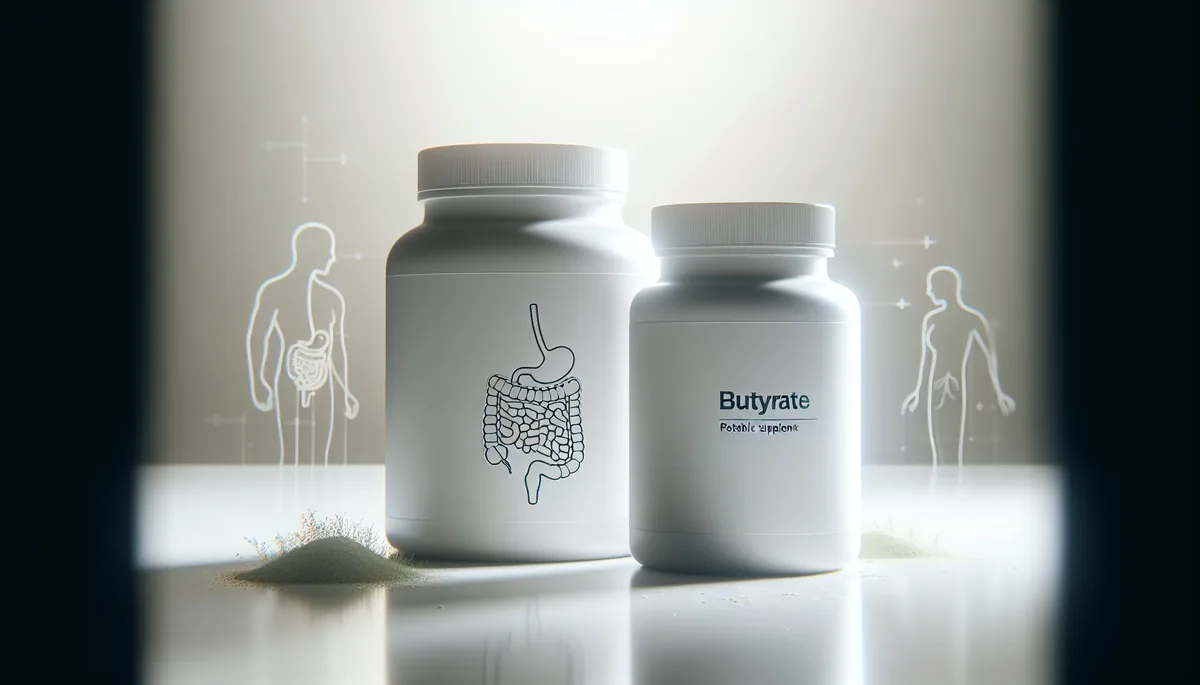
Butyrate supports colonocyte energy metabolism, tight-junction integrity, and local anti-inflammatory signaling. Tributyrin is a triglyceride form that can be used to deliver butyrate more effectively in some formulations.
Best use cases
- Gut-lining support
- Sensitive digestion
- Recovery after antibiotics
- People who bloat on probiotics
2. Heat-killed microbial strains
Some products use inactivated strains such as heat-treated Lactobacillus or Bifidobacterium species. These may still interact with the immune system and gut lining despite not being alive.
Why they matter
This is the category that really separates postbiotics from traditional probiotics. The point is not colonization. The point is a beneficial signal.
3. Fermentation metabolites and blends
Some formulas contain a mix of microbial compounds rather than one named ingredient. These can be interesting, but this is also where marketing gets fuzzy.
What to watch for
Look for named ingredients, actual dose transparency, and preferably some human data. Generic “postbiotic complex” labels are less convincing.
Are postbiotics better than probiotics?
Not always. They are better for some jobs.
Postbiotics may be better when:
- You want shelf stability
- You travel often
- You do poorly with live probiotics
- You want direct butyrate support
Probiotics may still be useful when:
- A specific strain has human evidence for your goal
- You are intentionally rebuilding after antibiotics
- You want a synbiotic strategy with prebiotics included
The smarter question is usually not “which category wins?” but “which tool matches the problem?”
Best product styles to consider
For direct gut-barrier support
- Butyrate capsules
- Tributyrin formulas
For sensitive travelers
- Shelf-stable postbiotic blends
- Heat-treated microbial products
For broader gut support
- A simple synbiotic or postbiotic-plus-fiber approach
Product recommendations
- BodyBio Butyrate for straightforward butyrate support
- CoreBiome tributyrin formulas for people specifically comparing tributyrin versus standard butyrate salts
- A transparent heat-killed postbiotic product from a reputable brand with strain disclosure
Safety and side effects
Postbiotics are generally well tolerated and may be especially appealing to people who want to avoid live organisms. That said, “generally well tolerated” is not the same as guaranteed symptom-free.
One practical advantage of postbiotics is their shelf stability. For more on temperature-resilient options across categories, see our overview of heat-stable gut supplements that actually work.
Possible issues
- Mild GI upset when starting
- Poor tolerance to fillers or excipients
- Confusion caused by products that blend prebiotics, probiotics, and postbiotics in the same capsule
FAQ
What are postbiotics in simple terms?
Postbiotics are beneficial compounds or inactivated microbial preparations derived from gut bacteria or fermentation. Unlike probiotics, they do not rely on live organisms being alive when you take them.
Is butyrate a postbiotic?
Yes. Butyrate is one of the best-known postbiotic compounds and is often used in gut-health supplements for colon and gut-barrier support.
Are postbiotics safer than probiotics?
They may be preferable for some people because they are not live organisms, but “safer” depends on the person, product, and medical context. They are often chosen when tolerance or stability is the main concern.
Should I choose tributyrin or sodium butyrate?
It depends on your goal and tolerance. Sodium butyrate is common and straightforward. Tributyrin may offer a different delivery profile and is worth considering when standard butyrate formulas are not ideal.
References
- Salminen S, et al. The International Scientific Association for Probiotics and Prebiotics definition of postbiotics. Nat Rev Gastroenterol Hepatol. 2021.
- Canani RB, et al. Potential beneficial effects of butyrate in intestinal and extraintestinal diseases. World J Gastroenterol. 2011.
- Peng L, et al. Butyrate enhances the intestinal barrier by facilitating tight junction assembly. J Nutr Biochem. 2009.
- Taverniti V, Guglielmetti S. The immunomodulatory properties of probiotic microorganisms beyond viability. Genes Nutr. 2011.
This article is educational and not medical advice. Persistent GI symptoms, weight loss, bleeding, anemia, or severe abdominal pain should be medically evaluated rather than self-treated with supplements.
Related Articles
- Creatine for Women and Seniors: Benefits, Dosing, Safety, and Best Picks
- Spermidine Supplement Guide: Benefits, Evidence, Dosage, and What to Expect
- Pregnancy-Safer Makeup Guide: What to Look For, What to Avoid, and Best Products
- Mature Skin Makeup Guide: Best Foundations, Cream Products, and Age-Flattering Techniques
- Cruciferous Vegetables and Sulforaphane Supplements in 2026: Benefits, Evidence, and Best Sources