

Magnesium is one of the most talked-about supplements for stress support, and for good reason: it plays a central role in nervous system regulation, muscle relaxation, and the body’s response to stress. But if you are wondering whether magnesium for anxiety and stress actually works, the honest answer is nuanced. Magnesium is not a prescription anti-anxiety treatment, yet it may help some people, especially when low intake, poor sleep, or chronic stress are part of the picture.
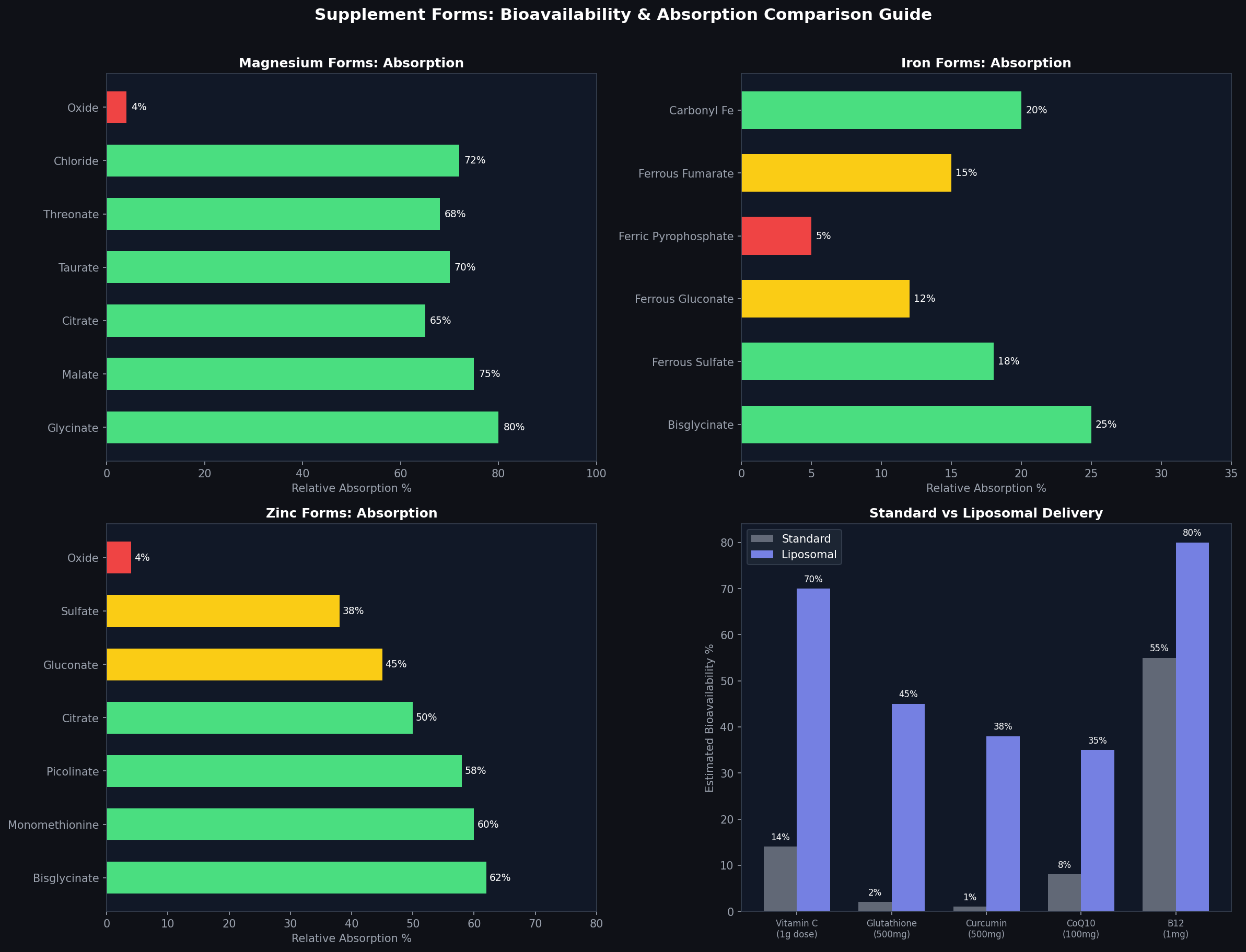
Magnesium has multiple mechanisms relevant to anxiety: it modulates NMDA receptor activity (blocking excitatory glutamate signaling), supports GABA receptor function (the main inhibitory, calming neurotransmitter), and regulates the HPA axis response to stress. Dietary magnesium deficiency is widespread (~48% of US adults) and is associated with increased anxiety, stress reactivity, and insomnia. A 2017 systematic review of 18 studies found significant evidence linking magnesium supplementation to reduced anxiety in mild-moderate anxiety presentations. The best-evidenced forms for anxiety: magnesium glycinate and magnesium taurate. Effective dose: 200-400 mg elemental magnesium daily.
- Magnesium acts as a natural NMDA (N-methyl-D-aspartate) receptor blocker — it occupies the receptor’s voltage-dependent channel, reducing calcium influx and dampening excitatory glutamate signaling that drives heightened anxiety and hyperarousal states.
- Magnesium regulates HPA axis activity — deficient magnesium increases ACTH and cortisol response to stress; supplementation in deficient individuals reduces cortisol awakening response and self-reported stress in multiple small RCTs.
- A 2017 systematic review (Boyle et al., Nutrients) of 18 human studies concluded there is consistent evidence that magnesium supplementation is associated with reduced subjective anxiety in mildly anxious populations, with effect sizes modest but statistically meaningful.
- Magnesium taurate (chelated with the amino acid taurine) may offer additional anxiolytic benefit: taurine is a GABA-like inhibitory neurotransmitter and glycine receptor modulator; the combination of magnesium and taurine may have synergistic calming effects.
- Anxiety from true magnesium deficiency (common with high coffee intake, chronic stress, refined diet, or GI malabsorption) responds better to supplementation than anxiety in magnesium-adequate individuals — testing serum or RBC magnesium before supplementing provides context.
Why magnesium matters for stress
Magnesium helps regulate neurotransmission, the stress-response system, and normal muscle and nerve function. The NIH Office of Dietary Supplements reports that many adults do not consume enough magnesium from food.[1] Stress itself may also increase magnesium losses, which has led researchers to explore whether low magnesium status and stress can reinforce each other.
A review in Nutrients noted that magnesium may play a role in subjective anxiety and stress vulnerability, though evidence quality is mixed and better trials are still needed.[2]
Can magnesium help anxiety?
What studies show
Research suggests magnesium supplementation may provide modest benefit in people with mild anxiety, premenstrual symptoms, or stress-related complaints, but results are inconsistent. A systematic review found the evidence promising but not definitive because many studies were small or methodologically weak.[2]
That means magnesium is best viewed as supportive, not curative. If your anxiety is severe, persistent, or disabling, it deserves a broader treatment plan.
Who may notice the most benefit
Magnesium may be more helpful if you:
- Have low dietary intake
- Feel physically tense or restless
- Also struggle with poor sleep
- Use caffeine heavily or have a high-stress lifestyle
Best types of magnesium for anxiety and stress
Magnesium glycinate
Magnesium glycinate is the most common choice for stress support. It is well absorbed and easier on the stomach than some other forms. Because glycine is often associated with calming bedtime routines, glycinate is frequently used in evening supplements.
Magnesium citrate
Citrate is also well absorbed, but it is more likely to loosen stools. It can be a practical choice if constipation is also an issue, but it is not usually the first pick when stress relief is the only goal.
Magnesium threonate
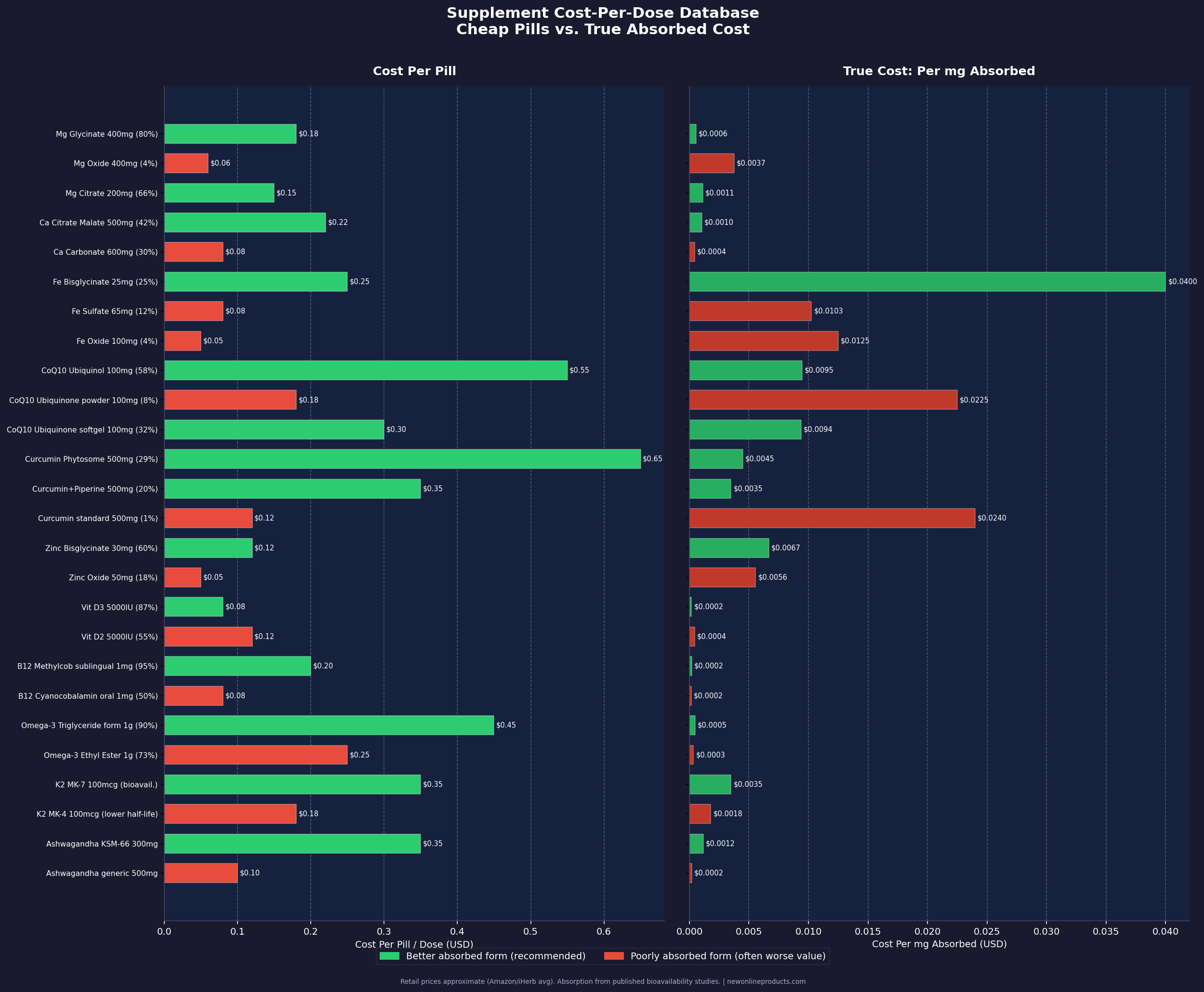
Magnesium threonate is sometimes chosen when stress feels tied to brain fog or mental overload. It is promising, but it is more expensive and not clearly superior for anxiety.
How much magnesium to take
Many products provide 100 to 200 mg of elemental magnesium per serving. Starting lower is sensible, especially if you are sensitive to supplements. The NIH lists 350 mg per day as the tolerable upper intake level from supplements for adults, mainly because higher doses can cause diarrhea.[1]
Food still matters. Pumpkin seeds, almonds, spinach, black beans, and dark chocolate all contribute meaningful magnesium.
When to take magnesium for stress
Evening use
If your stress peaks at night or interferes with sleep, evening use often makes sense. Many people take magnesium 1 to 2 hours before bed.
Split dosing
If stress is an all-day issue, a split dose morning and evening may feel steadier, as long as the total amount is tolerated well.
Important limits and safety
Magnesium is not a substitute for therapy, sleep correction, or medical care. See a clinician if anxiety comes with panic attacks, chest symptoms, major insomnia, depression, or functional impairment.
Use caution if you have kidney disease. Also separate magnesium from certain antibiotics, bisphosphonates, and thyroid medication because mineral supplements can interfere with absorption.[1]
FAQ
Does magnesium calm the nervous system?
It may support normal nervous system regulation and muscle relaxation, which can make some people feel less tense, especially if intake was low to begin with.
What is the best magnesium for anxiety?
Magnesium glycinate is usually the most practical first option because it is well tolerated and commonly used for relaxation support.
How long does magnesium take to work for stress?
Some people notice a difference within days, while others need several weeks. Benefits, when they occur, are usually subtle rather than dramatic.
Can you take magnesium every day?
Yes, many adults do, but the right dose depends on diet, medications, and health conditions. Daily use should stay within a sensible supplemental range unless a clinician advises otherwise.
References
- National Institutes of Health Office of Dietary Supplements. Magnesium Fact Sheet for Health Professionals.
- Boyle NB, et al. Magnesium supplementation and subjective anxiety and stress: a systematic review. Nutrients. 2017.
- Tarleton EK, Littenberg B. Magnesium intake and depression in adults. PLoS One. 2015.
- Meta-analyses and trials on magnesium for anxiety. PubMed search.
- Reviews on magnesium deficiency, stress, and the HPA axis. PubMed search.
Related Articles
- Best Magnesium Supplements in 2026
- Magnesium Glycinate vs Citrate vs Threonate
- When Is the Best Time to Take Magnesium?
- Best Supplements for Stress and Cortisol in 2026
- Best Supplements for Sleep in 2026