
Magnesium Glycinate vs Citrate vs Threonate: Which Form Should You Choose?
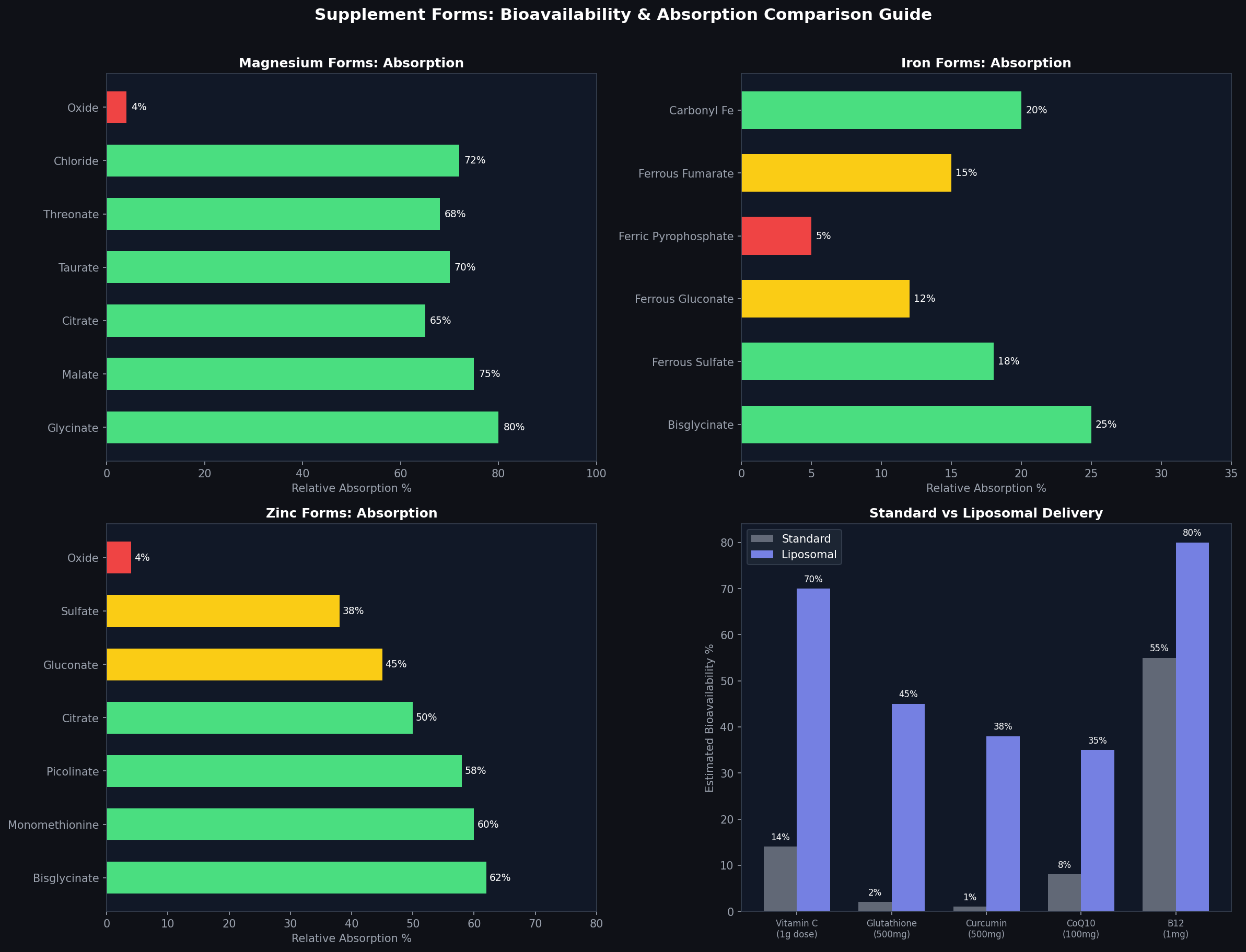
Quick Answer: Magnesium glycinate is usually the best all-around choice if your main goal is sleep support, stress support, or a gentle daily magnesium supplement. Magnesium citrate is the better pick if constipation is part of the problem, while magnesium threonate (magnesium L-threonate) is the specialist option for people specifically prioritizing brain-focused use. Magnesium bisglycinate is just another name for magnesium glycinate, not a meaningfully different form.
If you are comparing magnesium glycinate vs citrate vs threonate, the real question is not which form is universally “best.” It is which form best matches your goal, your stomach tolerance, and your budget. That framing matters because the highest-volume search terms around magnesium glycinate, magnesium glycinate vs citrate, magnesium bisglycinate, and magnesium L-threonate all overlap heavily, but they do not all have the same best answer.

In plain English: glycinate is usually the easiest form to stay consistent with, citrate is the practical constipation-and-value option, and threonate is the premium brain-marketed form that makes the most sense only when that cognitive angle is the reason you are shopping in the first place.[1][2][3][4]
Magnesium Glycinate vs Citrate vs Threonate at a Glance
| Form | Usually best for | Main advantage | Main downside |
|---|---|---|---|
| Magnesium glycinate / bisglycinate | Sleep routines, stress support, sensitive stomachs, general repletion | Usually well tolerated and less likely to loosen stools | Often costs more than citrate and does not help much if constipation is your main issue |
| Magnesium citrate | Constipation plus magnesium support, budget-conscious buyers | Widely available, generally well absorbed, and commonly used when bowel regularity matters | More likely to cause loose stools or GI urgency |
| Magnesium threonate / magnesium L-threonate | Brain-focused stacks, memory/focus shoppers, premium niche use | Distinct research interest around brain magnesium and cognition | Expensive and usually lower in elemental magnesium per serving |
Why Magnesium Glycinate Is Usually the Lead Recommendation
For most people, magnesium glycinate is the safest first recommendation because it solves the two problems that make many magnesium supplements hard to use long term: stomach tolerance and consistency. Magnesium glycinate combines magnesium with glycine, an amino acid often associated with calm, evening use, and gentler GI tolerance than more laxative-oriented forms.[1][2]
That does not mean glycinate is magically superior in every context. It means that when someone searches for magnesium glycinate, benefits of magnesium glycinate, or best magnesium glycinate, they are usually looking for one of four things:
- a form that feels easier on the stomach,
- a form that fits a sleep or stress routine,
- a form that works for daily use without bathroom drama, or
- a cleaner, more premium alternative to oxide-heavy bargain formulas.
Benefits of magnesium glycinate
The practical benefits of magnesium glycinate are simple: it is typically well tolerated, useful for people who want a bedtime-friendly form, and easier to keep taking consistently than forms that trigger loose stool. That combination is why it routinely ends up as the “best magnesium glycinate” search winner even when the evidence does not support calling it the best form for every single person.[1][2]
If your goals are sleep quality, stress support, muscle relaxation, or correcting a likely magnesium gap without upsetting your stomach, glycinate is usually the first form worth trying.
Magnesium bisglycinate vs glycinate: is there a difference?
Usually, no meaningful one. Magnesium bisglycinate and magnesium glycinate are commonly used as interchangeable labels in the supplement market. “Bisglycinate” just emphasizes that magnesium is bound to two glycine molecules. For shoppers, the more important question is not the wording on the front of the bottle but the actual elemental magnesium dose, excipients, capsule count, and whether the brand does third-party testing.
What “best magnesium glycinate” really means
The best magnesium glycinate is not automatically the most expensive bottle or the one with the most aggressive marketing. In real-world buying terms, the best option usually has:
- a clearly stated amount of elemental magnesium per serving,
- minimal unnecessary fillers,
- reasonable capsule count or powder serving size,
- good brand transparency and testing, and
- a dose you can actually tolerate and stick with.
For branded searches such as Pure Encapsulations magnesium glycinate, the right answer is usually that it is a well-known clean-label option, but it is not the only good one. A hypoallergenic formula from a reputable brand can make sense, but label clarity and tolerability matter more than brand recognition alone.
When Magnesium Citrate Makes More Sense Than Glycinate
Magnesium citrate wins when constipation is part of the conversation. That is the cleanest decision rule. Citrate is commonly used because it is widely available, relatively affordable, and more likely to increase bowel motility than glycinate.[1]
If you are choosing between magnesium glycinate vs citrate or magnesium citrate vs glycinate, here is the practical split:
- Choose glycinate if you want calm, nighttime use, or gentler digestion.
- Choose citrate if you want magnesium support and you would actually welcome a laxative effect.
This is why “better absorption” is not the only decision factor. A form that is theoretically well absorbed but makes you stop taking it is a worse choice than a form you can use consistently. Likewise, a form that helps constipation may be exactly the right form for one person and the wrong form for someone who already has a sensitive gut.
Magnesium Threonate and Magnesium L-Threonate: Who Is It Actually For?
Magnesium threonate and magnesium L-threonate refer to the same general form people buy for brain-focused reasons. This is the form most often marketed around memory, focus, or “brain magnesium.” There is real research interest here, including preclinical work and newer human data, but it is still a more specialized choice than many ads make it sound.[3][4][5]
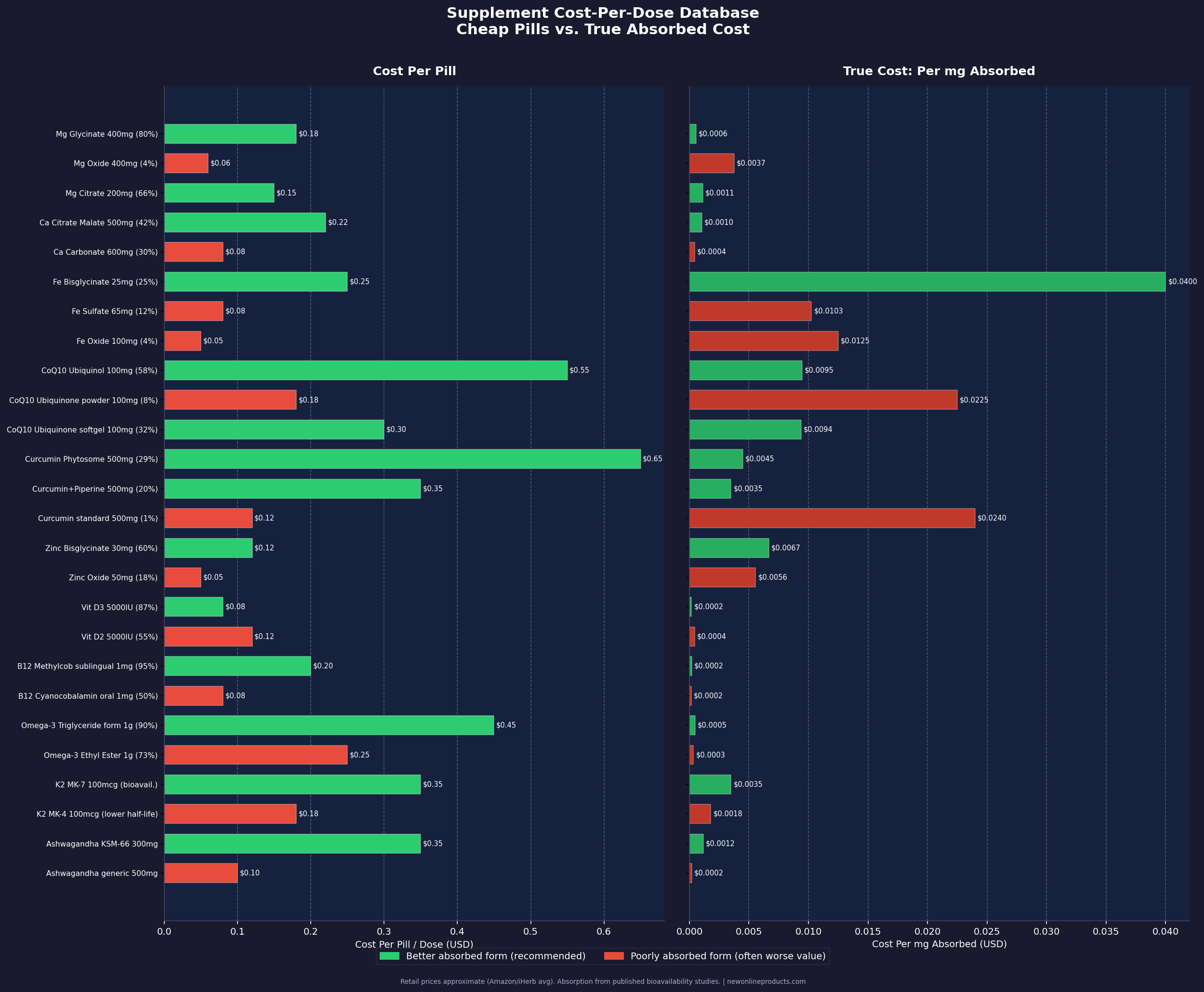
That matters because shoppers often assume threonate must be the best magnesium overall if it is the most expensive. Usually it is not. It is the premium option for a narrower use case. If your goal is simply “I need more magnesium and I want to sleep better,” glycinate is often the more practical place to start. If your goal is “I specifically want the form with the strongest brain-focused positioning,” threonate becomes more reasonable.
Magnesium threonate benefits
The main selling point of magnesium threonate is that it was developed to raise brain magnesium more effectively than standard forms in preclinical work, and newer trials suggest possible benefits for cognition and sleep quality in selected adults.[3][4][5] The catch is cost. Threonate products often deliver less elemental magnesium per serving and cost far more than glycinate or citrate.
So if you are searching magnesium threonate, magnesium l-threonate, or magnesium l threonate, the clean answer is this: it is not the automatic best magnesium, but it is the most purpose-built option when cognition or brain aging is your main reason for supplementing.
Which Form Should You Choose for Common Goals?
For sleep
Magnesium glycinate is usually the best first choice for sleep-oriented use. That is less about a magical superiority claim and more about the combination of tolerability, bedtime fit, and the fact that people can actually keep using it. Magnesium threonate may also appeal to people who want a brain-and-sleep angle, but it is a more expensive path.[4]
For stress or anxiety routines
Glycinate is usually the most practical starting point. It is the form most people mean when they want a calming magnesium that does not turn into a laxative experience.
For constipation
Magnesium citrate is usually better than glycinate for constipation. That is the one area where citrate often wins decisively because its bowel effect is part of the point.[1]
For memory, focus, or brain-focused supplementation
Magnesium L-threonate is the niche option designed for this exact angle. Just go in knowing you are paying a premium for a more specialized form, not buying a universal upgrade over every other magnesium.
How to Read the Label Before You Buy
No matter which form you choose, the label still matters. Before buying a magnesium supplement, check:
- Elemental magnesium per serving: do not judge the product by compound weight alone.[1]
- Serving size: some brands make the dose look strong until you realize it takes four capsules.
- Other ingredients: especially if you want a cleaner formula.
- Timing fit: glycinate often fits evening use better; citrate can be inconvenient before travel or bed if your gut is sensitive.
- Testing and brand transparency: especially for premium forms like threonate.
Safety, Dosing, and Common Mistakes
The NIH notes that magnesium from supplements can cause diarrhea, nausea, and abdominal cramping, especially at higher doses.[1] Kidney disease, certain medications, and poor timing with antibiotics or thyroid medication all make self-supplementation more complicated. This article is informational only and is not medical advice.
Two common mistakes show up again and again:
- assuming the priciest form must be the best form, and
- ignoring the difference between compound weight and elemental magnesium.
For many adults, the most sensible path is to start low, check the elemental magnesium amount, and choose the form that matches the actual reason you are taking magnesium in the first place.
Key Takeaways
- Magnesium glycinate is usually the best all-around pick for sleep, stress support, and sensitive stomachs.
- Magnesium citrate is usually better for constipation because the bowel effect is part of why people choose it.
- Magnesium threonate (magnesium L-threonate) is the specialized brain-focused option, not the automatic best form for everyone.
- Magnesium bisglycinate and magnesium glycinate are generally the same thing in practice; the label does not matter as much as dose and quality.
- For “best magnesium glycinate” searches, the smartest filters are elemental magnesium, tolerability, fillers, and testing—not just brand hype.
FAQ
Is magnesium glycinate better than citrate?
Usually yes for sleep, stress support, and sensitive stomachs. Usually no if constipation is one of your main reasons for taking magnesium, because citrate is more likely to help there.
What are the benefits of magnesium glycinate?
The main benefits of magnesium glycinate are gentler stomach tolerance, easier bedtime use, and practical fit for people who want a daily magnesium supplement without a laxative effect. That is why it is often the default recommendation for sleep- and stress-oriented magnesium shoppers.
Is magnesium bisglycinate the same as magnesium glycinate?
In most supplement labeling, yes. Bisglycinate is basically a more technical naming convention, while glycinate is the shorter consumer-facing term.
What is the difference between magnesium threonate and magnesium L-threonate?
For shoppers, there is usually no practical difference. “Magnesium L-threonate” is the fuller name, and “magnesium threonate” is the shortened version people commonly use in search and on product listings.
What is the best magnesium glycinate supplement?
The best magnesium glycinate supplement is the one with a clearly labeled elemental magnesium dose, minimal fillers, and good brand transparency that you tolerate well enough to take consistently. A clean-label brand such as Pure Encapsulations can be a reasonable option, but it is not the only good choice.
Should I choose magnesium threonate or glycinate?
Choose glycinate if you want the more practical all-around option for sleep, stress, or daily use. Choose threonate if your main reason for supplementing is specifically cognitive support and you are comfortable paying more for that niche angle.
Sources
- National Institutes of Health Office of Dietary Supplements. Magnesium Fact Sheet for Health Professionals.
- Schuette SA, Lashner BA, Janghorbani M. Bioavailability of magnesium diglycinate vs magnesium oxide. JPEN J Parenter Enteral Nutr. 1994.
- Slutsky I, Abumaria N, et al. Enhancement of learning and memory by elevating brain magnesium. Neuron. 2010.
- Abbasi B, LeBouf R, et al. Magnesium-L-threonate improves sleep quality: a randomized controlled trial. Sleep Medicine: X. 2024.
- Liu G, et al. Magnesium L-threonate and cognitive performance in adults: a randomised, double-blind trial. Front Nutr. 2025.
Related Articles
- Best Magnesium Supplements in 2026: Sleep, Cramps, Stress, and Constipation Uses Compared
- Best Magnesium for Sleep: Which Form Makes the Most Sense?
- Magnesium for Anxiety and Stress: What the Evidence Really Says
- Mineral Forms Explained: Glycinate, Citrate, Bisglycinate, Picolinate, and More
- When Is the Best Time to Take Magnesium?
📚 Part of our Best Magnesium Supplements in 2026 hub. Explore all our magnesium guides.
📝 Cite This Article
Richard Shoemake. “Magnesium Glycinate vs Citrate vs Threonate: Which Form Should You Choose?.” New Online Products, 2026-03-27. https://newonlineproducts.com/2026/03/27/magnesium-glycinate-vs-citrate-vs-threonate-which-form-should-you-choose/