

Magnesium is one of the first supplements people try for leg cramps, foot cramps, or nighttime muscle tightness. That instinct makes sense because magnesium is essential for muscle contraction and relaxation. Still, the evidence for magnesium for muscle cramps is mixed, and the best answer depends on why the cramping is happening in the first place.

Magnesium plays an essential role in muscle function: it competes with calcium for binding sites on troponin, regulating muscle contraction and relaxation. Magnesium deficiency impairs this calcium antagonism, increasing muscle excitability and the risk of cramping. However, the evidence that magnesium supplementation prevents muscle cramps in healthy, replete individuals is weaker than commonly believed. Strong evidence exists for: pregnancy-related leg cramps (multiple RCTs show benefit), exercise-induced cramps in athletes with depletion, and cramps in specific clinical populations (hemodialysis patients, diabetics with metformin use). For general nocturnal leg cramps in non-deficient individuals, RCT evidence is inconsistent.
- Magnesium acts as a physiological calcium antagonist — at the muscle fiber level, adequate intracellular magnesium prevents excessive calcium influx through voltage-gated channels, maintaining the balance between contraction and relaxation signals.
- Magnesium depletion during exercise is real: sweat magnesium losses of 4-8 mg/L (higher in unacclimatized athletes) combined with increased urinary excretion under stress can create significant depletion during prolonged endurance activity.
- A 2021 Cochrane review of magnesium for nocturnal leg cramps in non-pregnant adults found no significant reduction in cramp frequency vs. placebo — undercutting the common non-medical recommendation for general leg cramp supplementation.
- In pregnancy, magnesium supplementation (300-360 mg/day) significantly reduces leg cramp frequency and severity — multiple RCTs confirm this benefit, possibly related to the increased magnesium demand during pregnancy.
- Electrolyte repletion strategies for exercise cramps: magnesium combined with potassium (depleted via sweat) and sodium (the primary sweat electrolyte) provides more comprehensive support than magnesium alone. Sports drinks formulated with electrolyte profiles outperform isolated mineral supplements for exercise-associated cramping.
Why magnesium gets recommended for cramps
Magnesium supports normal neuromuscular function, electrolyte balance, and muscle relaxation. The NIH Office of Dietary Supplements lists muscle and nerve function among magnesium’s core roles in the body.[1] If your intake is low, or if gastrointestinal issues, certain medications, or heavy sweating reduce magnesium status, cramps may become more likely.
But cramps are not caused by magnesium deficiency alone. Dehydration, overtraining, medication side effects, pregnancy, circulation issues, and nerve disorders can all contribute.
Does magnesium actually work for muscle cramps?

What research says
Clinical evidence is underwhelming for idiopathic muscle cramps in the general population. A Cochrane review found that magnesium supplementation is unlikely to provide clinically meaningful cramp prevention for older adults with skeletal muscle cramps.[2]
That said, some groups may respond differently. Magnesium has been studied in pregnancy-related leg cramps, where results are mixed but somewhat more encouraging than in the general adult population.[2]
So magnesium is not a guaranteed cure, but it can still be reasonable to try if you suspect low intake, poor diet quality, or frequent nighttime cramps.
Best magnesium forms for cramps
Magnesium citrate
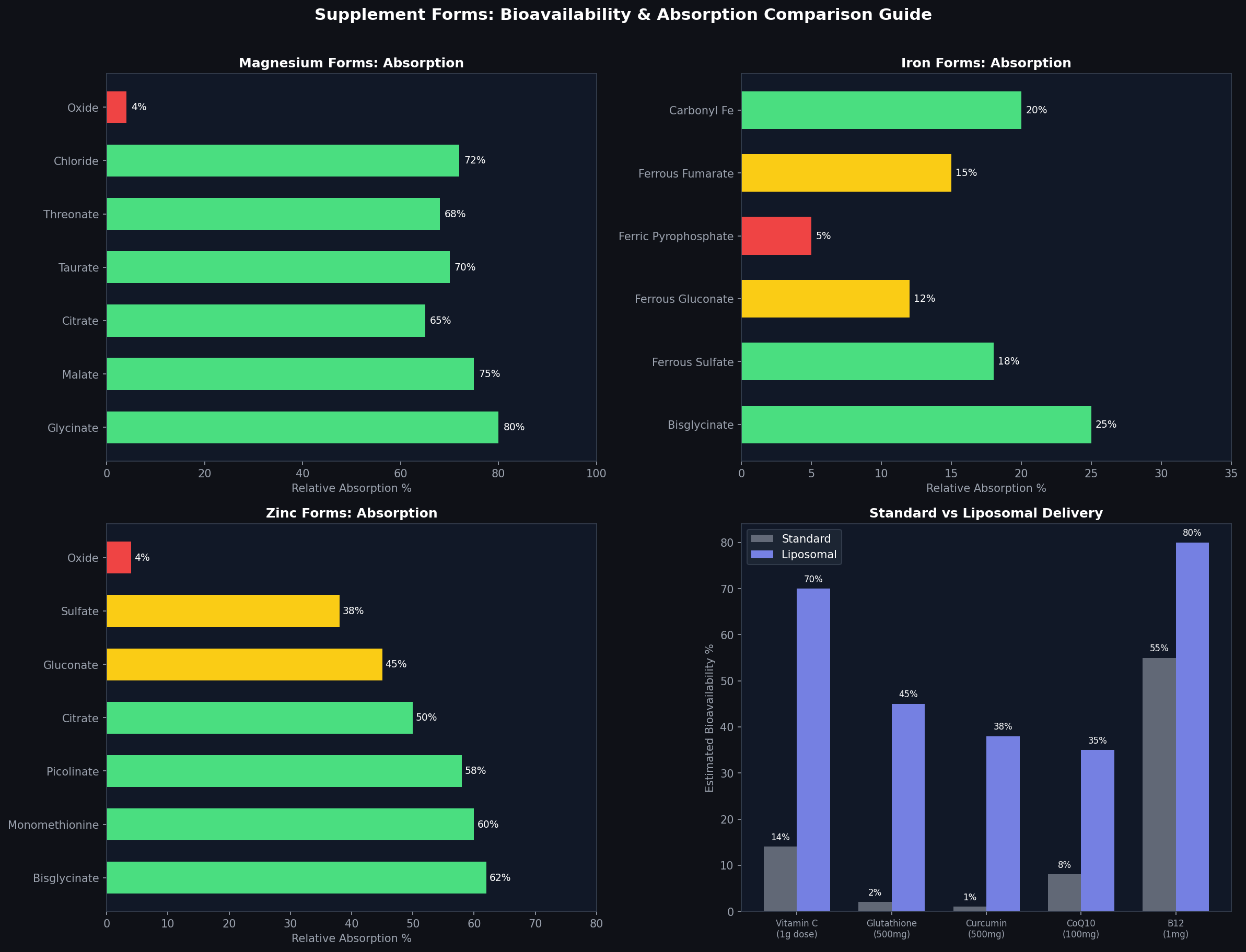
Citrate is often chosen because it is relatively well absorbed and widely available. It can be a fair first option if you also deal with constipation.
Magnesium glycinate
Glycinate is a smart choice if you want a gentler form with less laxative effect. It is popular when cramps happen at night and you do not want stomach upset disrupting sleep.
Magnesium oxide
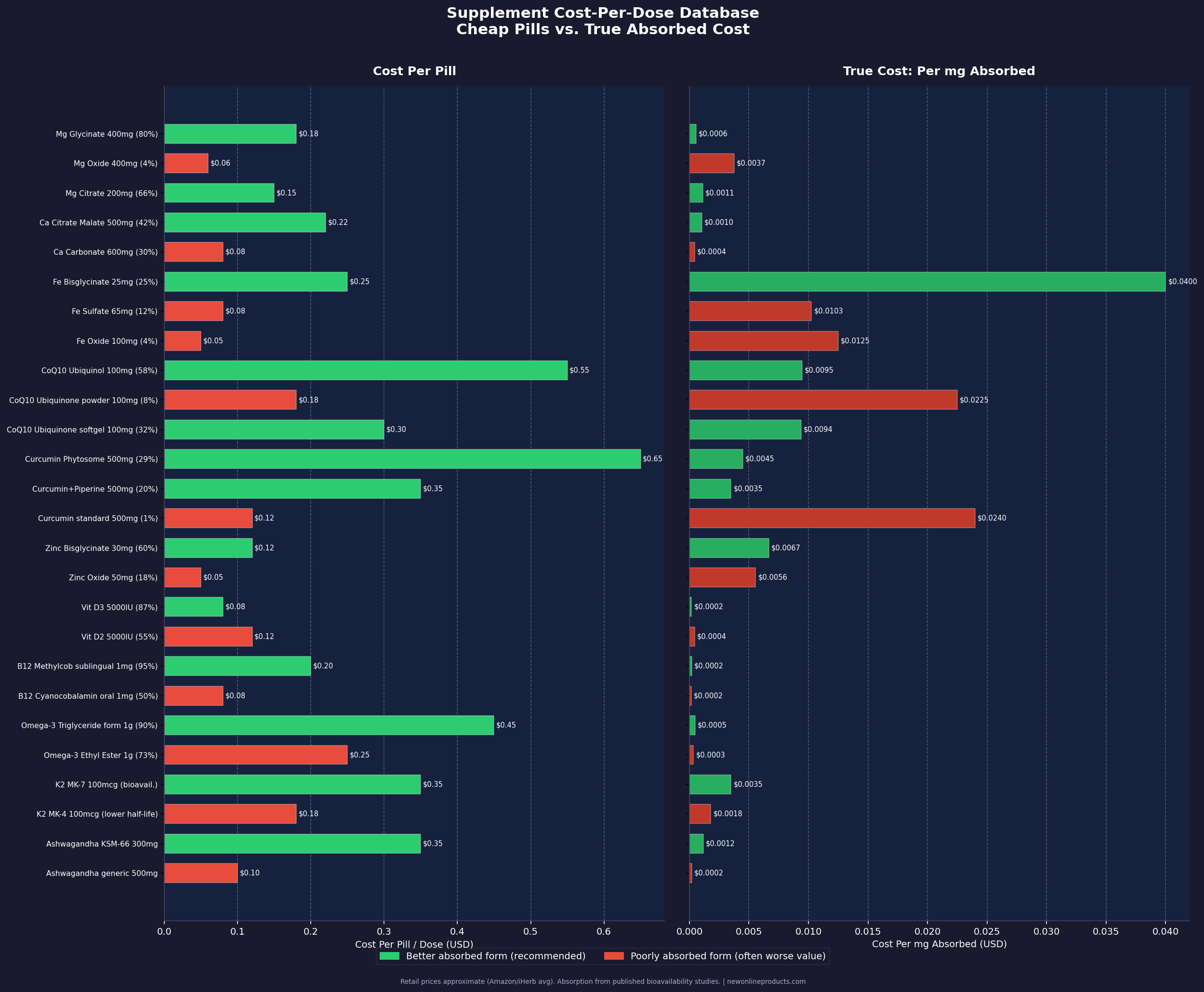
Oxide is cheap but usually not ideal. It is less bioavailable and more likely to be used for constipation than cramp support.[1]
How to use magnesium for cramps
Most people start with 100 to 200 mg of elemental magnesium daily. Evening use is common for nighttime leg cramps. Give it time; if it helps, the improvement is usually noticed over days to a few weeks, not instantly.
At the same time, check the basics:
- Hydration
- Sodium and potassium intake
- Training load
- Footwear and calf mobility
- Medication side effects, especially diuretics and statins
When cramps are probably not a magnesium problem
Magnesium is less likely to solve the issue if:
- Cramps started after a new medication
- You have swelling, numbness, or weakness
- Cramping occurs with walking and stops with rest
- You have diabetes, kidney disease, or circulation problems
Those situations deserve medical review instead of endless supplement experiments.
Magnesium-rich foods that may help
If your diet is low in magnesium, food is a good first step. Useful sources include pumpkin seeds, almonds, cashews, spinach, edamame, black beans, and whole grains.[1]
FAQ
Is magnesium good for leg cramps at night?
Sometimes, especially if low magnesium intake or poor overall mineral status is part of the problem. But evidence in the general population is mixed.[2]
Which magnesium is best for muscle cramps?
Magnesium glycinate and magnesium citrate are usually the most practical options because they are better absorbed than magnesium oxide.
How long does magnesium take to help cramps?
If it helps, people often notice improvement within 1 to 4 weeks rather than overnight. For more, see our related guide on best time to take magnesium. For more, see our related guide on best time to take magnesium. For more, see our related guide on best time to take magnesium.
Can magnesium deficiency cause cramps?
Low magnesium may contribute to cramps, but it is only one possible cause. Hydration, medications, circulation, and nerve issues matter too.
References
- National Institutes of Health Office of Dietary Supplements. Magnesium Fact Sheet for Health Professionals.
- Garrison SR, et al. Magnesium for skeletal muscle cramps. Cochrane Database Syst Rev. 2020.
- Reviews on magnesium supplementation for exercise-associated muscle cramps. PubMed search.
- Reviews on magnesium deficiency and neuromuscular symptoms. PubMed search.
- Studies on nocturnal leg cramps and magnesium in older adults. PubMed search.
Related Articles
- Best Magnesium Supplements in 2026
- Magnesium Glycinate vs Citrate vs Threonate
- When Is the Best Time to Take Magnesium?
- Best Supplements for Muscle Cramps in 2026
- Magnesium Oil and Spray Guide 2026