Best Pregnancy-Safer Foundations
Shopping for the best pregnancy-safer foundations can feel overwhelming because a lot of beauty advice online is either too vague or too absolute. Many expecting moms are not looking for perfection. They are looking for lower-stress, more informed choices.
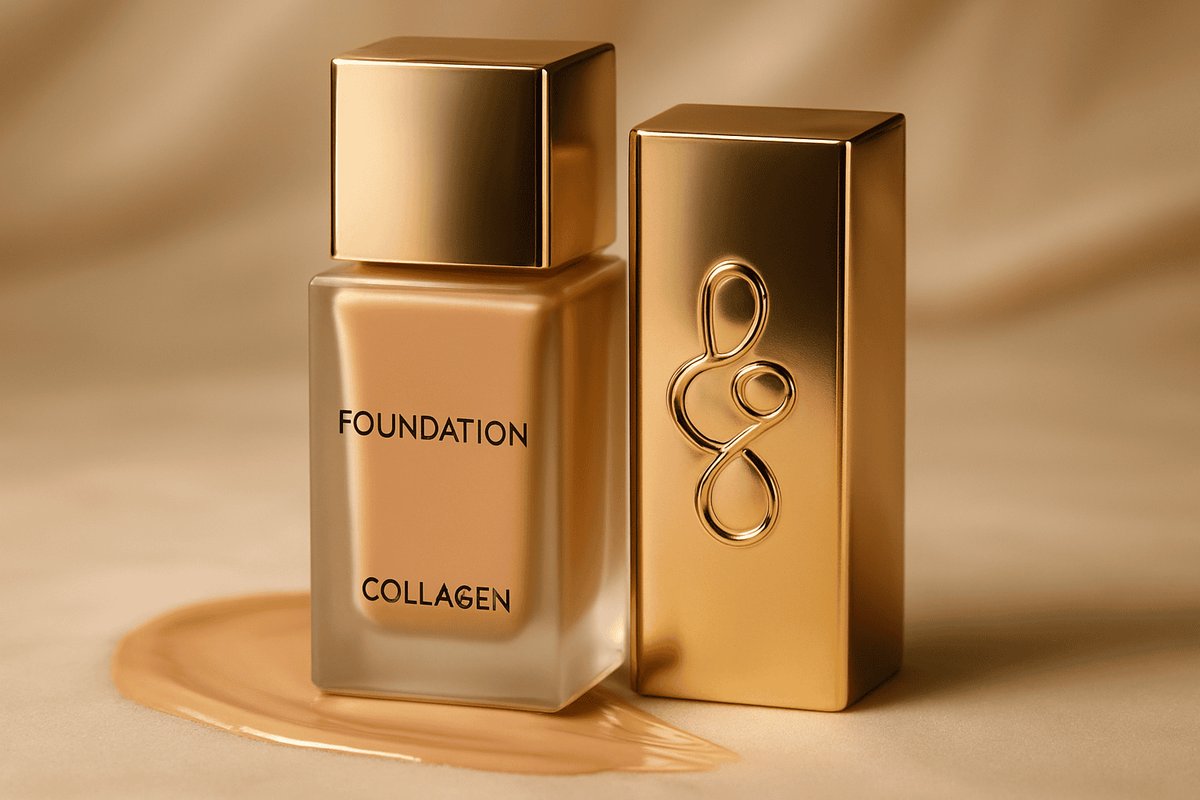
Foundation is usually one of the first categories people rethink during pregnancy because it covers a large area of skin and is often worn for long hours. At the same time, pregnancy can change the skin itself. Dryness, sensitivity, redness, melasma, and breakouts can all show up differently than before.
That means the ideal pregnancy-conscious foundation should do two things well: keep the complexion comfortable and align with a more cautious ingredient-screening mindset.
This guide is not medical advice, but it can help you shop more carefully and ask better questions.
Quick Answer: The safest pregnancy-conscious foundations avoid retinol, vitamin A derivatives, chemical SPF agents like oxybenzone, and formaldehyde-releasing preservatives — mineral foundations with zinc oxide or titanium dioxide are the cleanest daily choice.
What “pregnancy-safer foundation” usually means
There is no single universal legal standard for pregnancy-safe beauty. In practice, pregnancy-conscious shoppers often look for formulas that avoid ingredients they personally prefer to minimize during pregnancy and that feel gentle on more reactive skin.
Common priorities for pregnancy-conscious buyers
- Clear, transparent ingredient lists
- Fragrance-free or low-fragrance formulas
- Comfortable wear on sensitive skin
- Mineral or skin-friendly formulas when preferred
- Brands with strong quality control and clear customer service
If you have concerns about a specific ingredient, the best next step is to confirm it with your OB-GYN, midwife, or dermatologist.
Best foundation features to look for during pregnancy
Pregnancy can make the skin more unpredictable, so comfort matters as much as ingredient screening.
Lightweight to medium coverage
A lighter formula is often easier to tolerate on sensitive skin and easier to touch up if your skin changes week to week.
Hydrating but not greasy texture
Many people experience dry patches and hormonal texture during pregnancy. A flexible formula is usually more forgiving than a flat matte one.
Natural or satin finish
A skin-like finish tends to look better on changing skin and is easier to wear every day.
Non-irritating formula
If your skin has become reactive, simpler formulas are usually easier to manage than highly fragranced or heavily active-loaded complexion products.
Good foundation categories for pregnancy-conscious shoppers
You do not necessarily need a traditional full foundation.
Tinted moisturizer
A good option if your skin is drier or more sensitive and you want low-maintenance coverage.
Skin tint
A skin tint can even out redness while keeping the complexion breathable.
Mineral foundation
Some pregnancy-conscious buyers like mineral formulas because they often feel simpler, though texture and comfort still matter product to product.
Hydrating liquid foundation
This is often the best middle ground for people who want more coverage without a heavy feel.
Ingredients and product traits many shoppers review more carefully
People’s pregnancy-comfort levels vary, but these are common areas they look at more closely.
Added fragrance
Fragrance can be more irritating during pregnancy, especially if nausea or skin sensitivity increases.
Strong actives in complexion products
Some foundations include skincare-style active ingredients. Pregnancy-conscious buyers often prefer simpler formulas and check these ingredients carefully.
Heavy essential oil blends
Even when marketed as natural, strong botanical fragrance blends can be irritating for some users.
How to choose a foundation when pregnancy changes your skin tone and texture
For dryness
Choose hydrating formulas and avoid overly matte finishes.
For melasma or uneven tone
Look for buildable coverage rather than jumping straight to a heavy full-coverage base.
For breakouts
Pick a formula that feels breathable and does not require thick layering.
For sensitivity
Patch test new products and introduce one item at a time.
Best shopping strategy for pregnancy-safer foundations
Read the ingredient list first
Do not rely only on front-label claims such as “clean” or “natural.”
Check the brand’s FAQ or customer support
Some brands are much more transparent than others.
Keep your routine simple
A simpler complexion routine is often easier on both your skin and your peace of mind.

Key Takeaways
- Avoid retinol, retinyl palmitate, and other vitamin A derivatives — high systemic intake is linked to birth defect risk.
- Chemical sunscreen agents oxybenzone and avobenzone cross the skin barrier; zinc oxide and titanium dioxide are mineral alternatives.
- Formaldehyde-releasing preservatives (DMDM hydantoin, imidazolidinyl urea) are worth avoiding during pregnancy.
- Mineral foundations (zinc oxide + titanium dioxide) are generally considered safer due to physical rather than chemical UV protection.
- Phthalates and parabens are endocrine disruptors worth minimizing in daily-use products during pregnancy.
- No foundation ingredient at normal use levels is definitively proven to harm pregnancies — but caution is reasonable when safer alternatives exist.
FAQ
What is the best foundation type during pregnancy?
For many people, a lightweight hydrating liquid foundation, skin tint, or tinted moisturizer is the easiest and most comfortable choice.
Should I stop wearing foundation while pregnant?
Not necessarily. Many people continue wearing foundation and simply switch to formulas that feel gentler or align better with their ingredient preferences.
Is fragrance-free foundation better during pregnancy?
Often yes, especially if you are dealing with nausea or skin sensitivity. It is not a rule, but it is a smart filter.
Can pregnancy change how my foundation looks?
Absolutely. Hormones can affect dryness, oiliness, tone, and texture, which may change what finish or coverage level works best.
Understanding pregnancy-safer cosmetics
The question of which cosmetic ingredients to avoid during pregnancy operates in a complicated evidence space. Most cosmetic ingredients have not been specifically studied for teratogenicity in humans. What exists is animal studies at high doses, epidemiological correlations, and theoretical risk based on known mechanisms like endocrine disruption or systemic absorption. The precautionary approach — choosing alternatives when equally effective safer options exist — is rational rather than paranoid.
Retinoids in makeup: the clearest concern
Oral retinoids are definitively teratogenic and contraindicated in pregnancy. Topical retinoids have unknown systemic absorption rates. Most obstetric guidelines recommend avoiding all topical retinoids during pregnancy as a precaution. Most foundations do not contain significant retinoids — they appear more often in anti-aging serums — but checking the label is worth the effort for daily-use products.
Chemical vs mineral sunscreen in foundation
Many foundations include SPF. Chemical SPF agents (oxybenzone, octinoxate, avobenzone) have demonstrated systemic absorption in FDA studies, and oxybenzone is a weak endocrine disruptor in animal models. Mineral SPF agents (zinc oxide, titanium dioxide) physically reflect UV light and do not absorb systemically to any meaningful degree. For daily full-face application throughout pregnancy, mineral alternatives are widely recommended by practitioners.
Preservatives and other ingredients to evaluate
Formaldehyde-releasing preservatives to identify: DMDM hydantoin, diazolidinyl urea, imidazolidinyl urea, quaternium-15, and bronopol. Alternatives using phenoxyethanol or ethylhexylglycerin are available in cleaner formulations and perform equally well as preservatives. Parabens (methylparaben, propylparaben, butylparaben) are weak endocrine disruptors worth minimizing in high-daily-use products. Most clean-beauty brands have already reformulated without these.
Pregnancy-Safer Foundation Across the Three Trimesters
The concerns and priorities around foundation during pregnancy can shift somewhat across the three trimesters as hormonal changes affect skin behavior and as different developmental stages create different risk contexts.
First trimester: highest sensitivity, most caution warranted
The first trimester is the period of organogenesis — when all major organ systems are developing. This is the most developmentally sensitive period and the one where fetal exposure to chemical agents has the highest potential consequence. It is also the period when skin often changes the most dramatically (due to hormonal shifts) and when many people are not yet publicly sharing their pregnancy.
During the first trimester, the most conservative approach makes sense for daily-use products: switch to mineral SPF foundation if you have not already, eliminate synthetic fragrance, and check for retinoids and formaldehyde-releasing preservatives. These changes are easy to make and eliminate the highest-concern ingredients during the most sensitive developmental window.
Second and third trimesters: managing changing skin
Many people experience significant skin changes in the second and third trimesters: increased sebum production (leading to more breakouts), hyperpigmentation (the “mask of pregnancy,” or melasma), and increased skin sensitivity. These changes affect which foundation formula works best.
For sebum increase: switch from hydrating or dewy-finish foundations to satin or natural-finish options. The same mineral foundations recommended for pregnancy safety often also work well for oilier skin.
For melasma: mineral SPF in foundation is particularly important — UV exposure significantly worsens melasma. Niacinamide (a safe ingredient during pregnancy) can help manage hyperpigmentation appearance over time with consistent use. Color-correcting primers (peach or orange-toned) can neutralize the dark patches before foundation.
Choosing the Right Coverage Level in Pregnancy-Safer Foundation
Pregnancy brings significant skin changes — increased sebum production, potential melasma, heightened sensitivity, and fluctuating hydration. The foundation format and coverage level that works best will likely shift across the trimesters as these changes unfold.
Light coverage: skin tints and BB creams
Skin tints and BB creams with mineral SPF are excellent daily pregnancy options when skin is relatively clear. They provide sheer to light coverage that evens skin tone without sitting heavily. The lightweight formula means less total product contact throughout the day, which aligns with the precautionary approach to cosmetic exposure during pregnancy.
Look for mineral-SPF skin tints without synthetic fragrance. Korean beauty brands have produced excellent options in this category, and many have explicitly pregnancy-friendly formulations.
Medium coverage: the sweet spot for most situations
For most pregnancy-related skin concerns — mild breakouts, slight redness, minor hyperpigmentation starting — a medium-coverage mineral foundation provides enough coverage to address the concern without the heaviness of full-coverage formulas.
Apply in two thin layers where needed rather than one full-face application of heavy coverage. This layering approach also allows you to use less product in areas without concerns, further reducing total exposure.
Related Articles
- Clean Mascaras for Pregnancy-Conscious Buyers: What Actually Matters
- Makeup Brands People Check During Pregnancy: How to Evaluate Formulas More Carefully
- Pregnancy-Safer Lip Products: What to Look For in Balms, Tints, and Lipsticks
- Pregnancy-Safer Makeup Ingredients to Avoid: A Practical Label-Reading Guide
Sources
- Murase JE, Heller MM, Butler DC. Safety of dermatologic medications in pregnancy and lactation: Part I. Pregnancy. J Am Acad Dermatol. 2014;70(3):401.e1-14.
- Bozzo P, Chua-Gocheco A, Einarson A. Safety of skin care products during pregnancy. Can Fam Physician. 2011;57(6):665-667.
- FDA: Cosmetics Safety Q&A.
- Relevant peer-reviewed sources for this topic. Accessed 2026.
📚 Part of our Pregnancy-Safer Makeup Guide hub. Explore all our pregnancy beauty guides.