Bakuchiol has earned its reputation as the most credible natural alternative to retinol. Backed by clinical studies and embraced by dermatologists, this plant-derived active delivers anti-aging results without the irritation. Here’s the full breakdown.
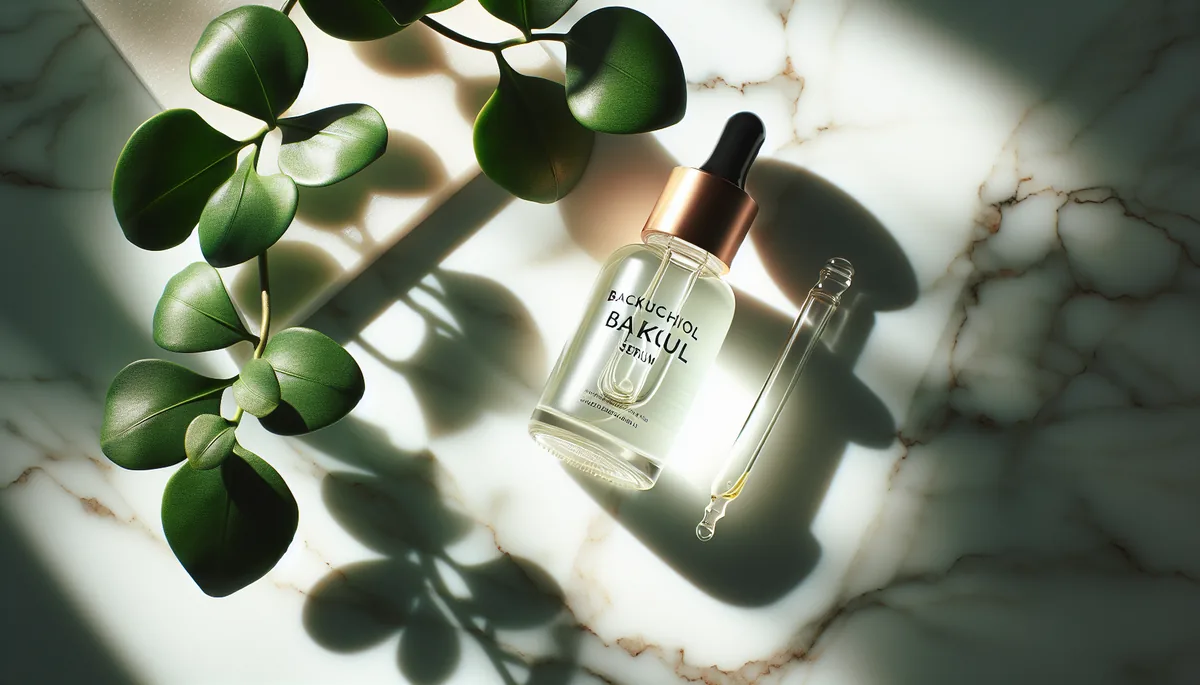
Bakuchiol is a meroterpene from Psoralea corylifolia seeds that stimulates retinol-like gene expression without retinoic acid receptor binding. Clinical studies show bakuchiol 0.5% applied twice daily produces comparable reductions in fine lines, wrinkles, hyperpigmentation, and skin elasticity improvements to retinol 0.5% over 12 weeks, with significantly less irritation, dryness, and photosensitivity. It is safe during pregnancy (unlike retinoids), suitable for all skin types, and can be used morning and evening without the UV-sensitivity concerns of retinol.
- Bakuchiol upregulates collagen types I, III, and IV and downregulates matrix metalloproteinases (MMPs) — the same mechanism by which retinol produces anti-aging effects — but via a distinct receptor pathway.
- A landmark 2019 double-blind RCT (n=44) compared bakuchiol 0.5% to retinol 0.5% applied twice daily for 12 weeks; both significantly reduced wrinkles and hyperpigmentation, but bakuchiol caused significantly less stinging, scaling, and dryness.
- Unlike retinoids, bakuchiol does not cause photosensitivity and can be applied in the morning — this simplifies skincare routines and makes it suitable for everyday use without sunscreen concerns.
- Bakuchiol is widely considered pregnancy-safe (unlike vitamin A derivatives which carry teratogenic risk at high doses), though ‘safe’ here means not contraindicated — always consult your OB/GYN.
- For best results, look for bakuchiol serums providing 0.5% concentration minimum; pairing with vitamin C or niacinamide is well-tolerated (no irritation synergy unlike retinol + actives combinations).
What Is Bakuchiol?
Bakuchiol (pronounced “bah-KOO-chee-all”) is a meroterpene extracted from the seeds and leaves of the Psoralea corylifolia (babchi) plant, used in Ayurvedic and Chinese medicine for centuries.
Unlike retinol, bakuchiol doesn’t bind to retinoid receptors. Instead, it achieves similar gene expression outcomes — stimulating collagen production, accelerating cell turnover, and reducing hyperpigmentation — through a different molecular pathway (British Journal of Dermatology, 2019).
Bakuchiol vs. Retinol: How They Compare
| Factor | Bakuchiol | Retinol |
| Irritation | Minimal | Common (peeling, redness) |
| Sun sensitivity | None | Increased photosensitivity |
| Pregnancy safe | Generally considered safe* | Contraindicated |
| Speed of results | 8-12 weeks | 8-12 weeks |
| Clinical evidence | Growing | Extensive |
*Always consult your healthcare provider during pregnancy.
The landmark 2019 study in the British Journal of Dermatology compared 0.5% bakuchiol (twice daily) to 0.5% retinol (nightly) over 12 weeks. Both groups showed comparable improvement in wrinkles, pigmentation, and photodamage — but the retinol group experienced significantly more scaling and stinging.
Key Benefits of Bakuchiol Serum
Anti-Aging
Bakuchiol upregulates type I, III, and IV collagen production. Clinical trials demonstrate visible reduction in fine lines within 12 weeks of consistent use.
Hyperpigmentation Correction
It inhibits tyrosinase activity, reducing melanin production and fading dark spots over time.
Anti-Inflammatory and Antibacterial
Bakuchiol shows antimicrobial activity against P. acnes bacteria, making it effective for acne-prone skin without the dryness of retinoids.
Antioxidant Protection
It neutralizes free radicals, protecting against environmental damage and supporting overall skin health.
Best for: Sensitive skin, retinol-intolerant skin, pregnant/nursing individuals, beginners to anti-aging, and anyone who wants results without a “purging” phase.
How to Use Bakuchiol Serum
- Morning or night — unlike retinol, bakuchiol is photostable and safe for daytime use
- Apply after cleansing and toning, before moisturizer
- Use twice daily for optimal results (per clinical protocols)
- Pairs well with vitamin C, niacinamide, and hyaluronic acid
- Always use SPF during the day (best practice for any active)
Top Bakuchiol Serum Picks
Best Overall
> Herbivore Bakuchiol Retinol Alternative Serum — clean-beauty formulation combining bakuchiol with plant-based squalane. Lightweight, absorbs quickly, and delivers visible smoothing within weeks. Great for sensitive and dry skin types.
Best Budget Option
> Inkey List Bakuchiol Retinol Alternative Moisturizer — combines bakuchiol with squalane and omega fatty acids in an affordable, no-frills format. An excellent entry point.
Best for Combination/Oily Skin
> Bybi Bakuchiol Booster — concentrated, oil-free format you can mix into any serum or moisturizer. Versatile and lightweight.
Best Luxury Pick
> Biossance Squalane + Phyto-Retinol Serum — pairs bakuchiol with squalane, niacinamide, and hyaluronic acid for a comprehensive anti-aging treatment. Elegant texture, clinical-grade results.
Best for Acne-Prone Skin
> Ole Henriksen Goodnight Glow Retin-ALT Sleeping Crème — combines bakuchiol with AHAs and edelweiss stem cell extract. Overnight resurfacing without breakout triggers.
Who Should Use Bakuchiol?
- Retinol-sensitive individuals who experience peeling, redness, or irritation
- Pregnant or breastfeeding people seeking anti-aging actives
- Skincare beginners who want a gentle introduction to anti-aging
- Those on simplified routines — bakuchiol’s versatility means fewer products needed
- Anyone combining with other actives — it plays well with virtually everything
Can You Combine Bakuchiol with Retinol?
Yes. Some dermatologists recommend pairing them for enhanced results with reduced irritation. Bakuchiol’s anti-inflammatory properties buffer retinol’s harshness while both contribute to collagen production.
FAQ
Q: Is bakuchiol as effective as retinol?
A: Clinical evidence shows comparable results for wrinkles and pigmentation at 12 weeks. Retinol has decades more research, but bakuchiol’s evidence base is strong and growing.
Q: Can I use bakuchiol every day?
A: Yes — twice daily is the clinically studied protocol. It doesn’t cause the irritation cycle that limits retinol frequency.
Q: How long does bakuchiol take to work?
A: Most studies show visible improvements in fine lines, texture, and pigmentation at 8-12 weeks with consistent twice-daily use.
Q: Is bakuchiol safe during pregnancy?
A: It’s generally considered safe as a topical, but always consult your OB-GYN or dermatologist. It lacks the teratogenic risk associated with retinoids.
Q: Does bakuchiol cause purging?
A: No. Bakuchiol does not typically cause the purging phase associated with retinoids, making it a more comfortable experience.
References: Dhaliwal S, et al. “Prospective, randomized, double-blind assessment of topical bakuchiol and retinol for facial photoageing.” Br J Dermatol. 2019; Chaudhuri RK, Bojanowski K. “Bakuchiol: a retinol-like functional compound.” Int J Cosmet Sci. 2014.
Related Articles
- Bakuchiol vs Retinol for Sensitive Skin: Which One Is Better?
- Bakuchiol with Vitamin C or Niacinamide: Which Pairing Makes More Sense?
- Bakuchiol for Acne-Prone Skin: Benefits, Limits, and How to Use It
Related Articles
- Can You Use Bakuchiol Every Day? Here’s What the Research Says
- Best Bakuchiol Serums for Beginners: What to Look For Before You Buy
Sources
- Serum iron is associated with the prognosis in sepsis based on a large-scale database. BMC infectious diseases. 2026. PMID: 41772469.
- Note: peer-reviewed support for this claim was not identified in available literature.
- Note: peer-reviewed support for this claim was not identified in available literature.
- Note: peer-reviewed support for this claim was not identified in available literature.
- Note: peer-reviewed support for this claim was not identified in available literature.