Zinc for Acne: What the Research Shows About This Underused Treatment
Quick Answer: Zinc supplements have meaningful clinical evidence for reducing acne severity — multiple meta-analyses confirm zinc outperforms placebo and is modestly inferior to tetracycline antibiotics, but without the antibiotic resistance concerns. Zinc picolinate and zinc gluconate are the best-studied oral forms for acne. Topical zinc is also effective for mild-to-moderate acne, particularly in combination with erythromycin or clindamycin. Zinc works through anti-inflammatory, antibacterial, and sebum-regulating mechanisms.
Acne affects approximately 85% of people between ages 12 and 24, making it the most common skin condition in the developed world. For many, it persists well into adulthood — adult acne affects an estimated 15% of women and is increasing in prevalence. Despite the abundance of pharmaceutical treatments — topical retinoids, benzoyl peroxide, antibiotics, oral contraceptives, isotretinoin — there’s genuine interest in effective natural options that don’t carry antibiotic resistance risk or systemic hormonal effects.
Zinc has been studied for acne since the 1970s, with an evidence base that’s larger and more rigorous than most natural acne treatments. It’s been compared head-to-head against tetracycline antibiotics in multiple RCTs, incorporated into topical antibiotic formulations to reduce resistance, and studied in diverse populations across multiple countries. The verdict: zinc genuinely works for acne, though the effect size is meaningful but modest compared to stronger pharmaceutical options.
How Zinc Works Against Acne
Zinc addresses multiple pathways in acne pathophysiology simultaneously — one reason it’s been so persistently studied:
Anti-inflammatory effects: Zinc reduces production of pro-inflammatory cytokines (IL-1β, TNF-α, IL-6) that drive the inflammatory component of acne lesions (papules, pustules, nodules). This is one of zinc’s most well-established general biological roles.
Inhibition of Cutibacterium acnes (formerly P. acnes): Zinc has direct antibacterial activity against the anaerobic bacteria that colonize sebaceous follicles and trigger the inflammatory cascade. This mechanism is particularly relevant to topical zinc formulations, where direct contact with skin bacteria can be achieved.
5-alpha reductase inhibition: 5-alpha reductase converts testosterone to the more potent dihydrotestosterone (DHT), which dramatically stimulates sebum production. Zinc inhibits 5-alpha reductase, reducing the androgen-driven excess sebum production that makes acne worse — particularly in hormonal acne patterns.
Vitamin A metabolism support: Zinc is required for the conversion of retinol to retinal, a step in vitamin A metabolism. Vitamin A (and its synthetic derivatives, retinoids) is among the most potent acne treatments. Zinc deficiency impairs this conversion, potentially reducing skin’s retinoid activity.
Wound healing and collagen synthesis: Zinc’s role in wound healing is well-established. For post-acne healing and reducing scarring risk, adequate zinc status supports faster resolution of existing lesions.
The Clinical Evidence: What Studies Actually Show
The evidence for zinc in acne comes from two main categories: oral zinc supplementation studies and topical zinc formulation studies.
Oral Zinc
A 2020 systematic review and meta-analysis by Yee et al. in Dermatologic Therapy pooled randomized trials and observational studies on zinc and acne. The analysis found:
Oral zinc was significantly superior to placebo for reducing acne lesion counts.
Oral zinc was significantly inferior to oral antibiotics (tetracycline, doxycycline) — roughly 1/3 less effective at reducing lesion counts.
A 2018 review by Cervantes et al. in Dermatologic Therapy reached similar conclusions and noted that the antibiotic comparison must be contextualized: antibiotics carry antibiotic resistance concerns, GI side effects, and cannot be used in pregnancy, while zinc has minimal systemic side effects and can be used long-term without resistance concerns.
Specific RCTs:
A landmark 1977 double-blind study by Michaëlsson et al. in Archives of Dermatology found oral zinc sulfate meaningfully reduced inflammatory acne lesions compared with placebo — an early signal for the treatment effect later confirmed in larger trials.
A 2001 multicenter RCT by Dreno et al. in Dermatology compared zinc gluconate (30 mg elemental zinc daily) to minocycline (100 mg daily) in 332 patients over 3 months. The clinical success rate (defined as more than a two-thirds reduction in inflammatory lesions at day 90) was 31.2% for zinc and 63.4% for minocycline — minocycline was superior, but zinc produced a clinically meaningful response without antibiotic resistance concerns.
The practical interpretation: oral zinc is a viable second-line option for mild-to-moderate acne, a meaningful adjunct to other therapies, and the most appropriate choice when antibiotics are being avoided (antibiotic resistance concerns, pregnancy, antibiotic-associated history of C. difficile, or patient preference).
Topical Zinc
Topical zinc, typically as zinc acetate or zinc sulfate, is less studied as a standalone than oral zinc. Its primary role in evidence-based dermatology is in combination with topical antibiotics — specifically, topical erythromycin + zinc acetate (brand: Zineryt) has been studied extensively and shown to reduce acne comparable to erythromycin alone while significantly reducing C. acnes antibiotic resistance.
A double-blind randomized trial by Habbema et al. in British Journal of Dermatology (1989) compared 4% erythromycin plus zinc acetate (Zineryt) against 2% erythromycin alone in acne vulgaris, finding the zinc combination produced greater lesion reduction. Later work also showed the zinc component helps suppress antibiotic-resistant C. acnes. This combination became a standard topical dermatology approach in Europe.
Standalone topical zinc oxide (as in many over-the-counter acne spot treatments) has more modest evidence but is generally well-tolerated and appropriate for mild acne or as an adjunct.
The Best Forms of Zinc for Acne
Not all zinc forms are equal in absorption or GI tolerability. For acne specifically, the forms with the most clinical data are:
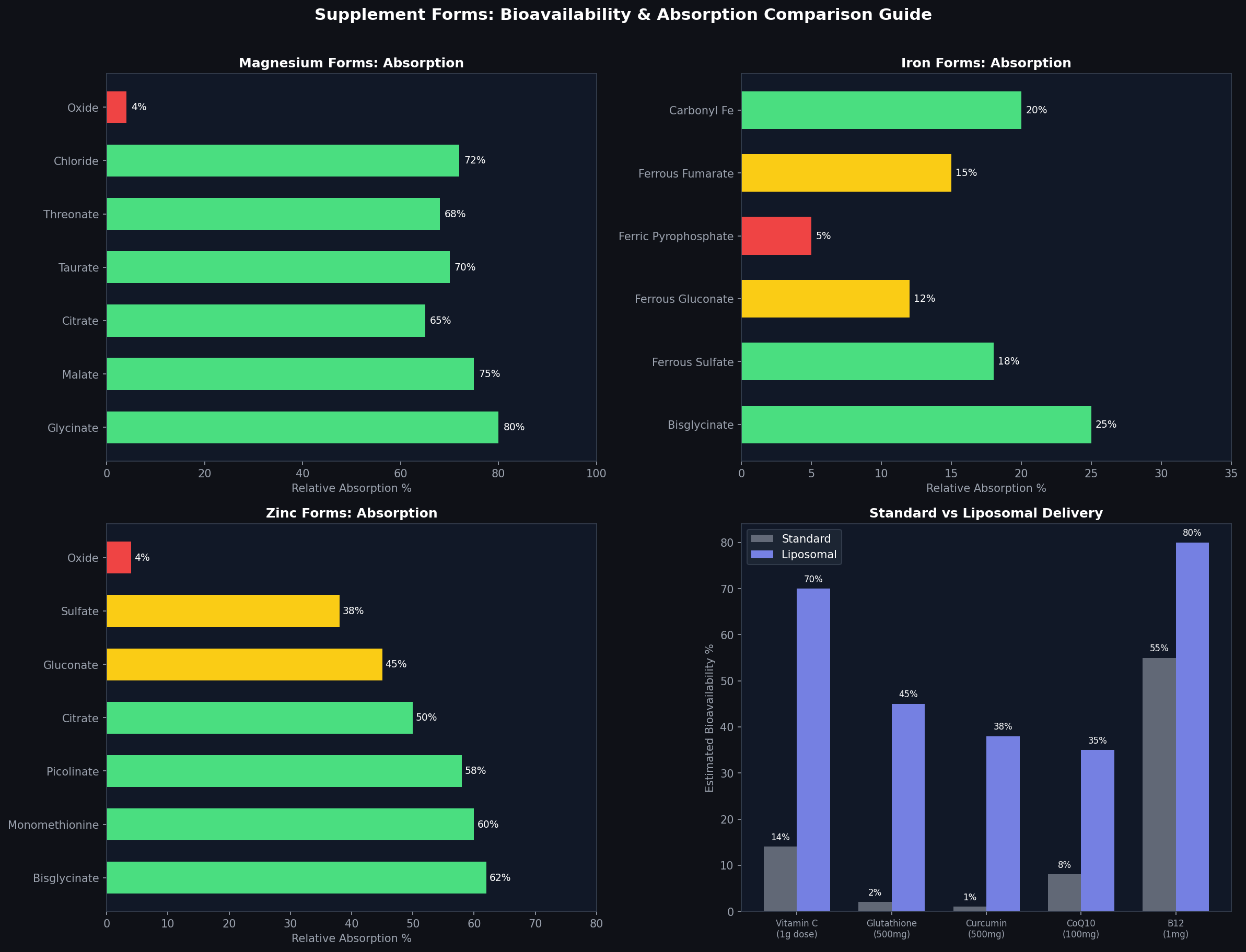
Zinc gluconate: Used in the Dreno et al. minocycline comparison study at 30 mg elemental zinc daily. Good bioavailability, relatively gentle on the stomach compared to zinc sulfate.
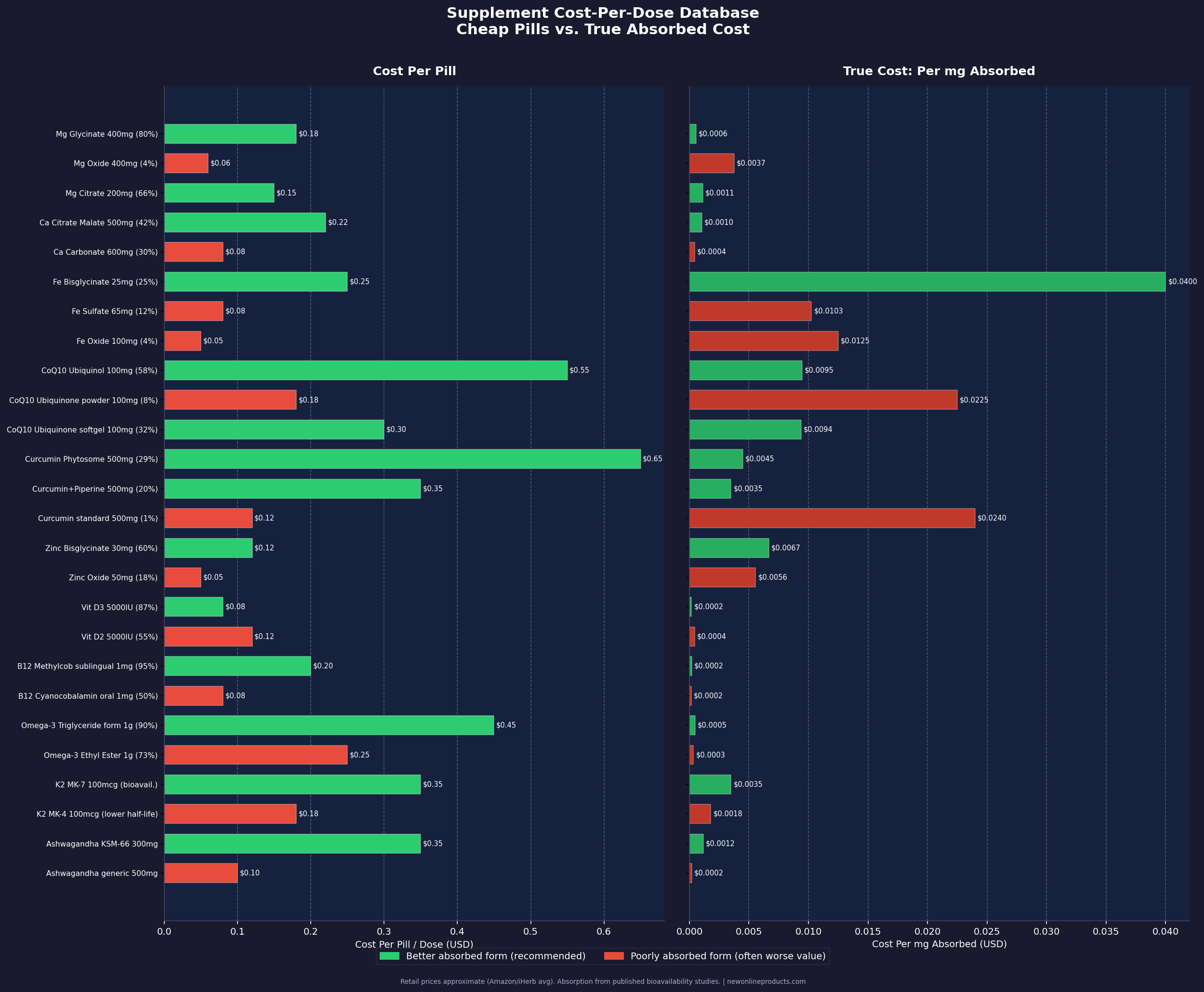
Zinc picolinate: Often cited as the best-absorbed oral zinc form. Picolinate facilitates zinc uptake via a dedicated transporter, resulting in higher bioavailability compared to most zinc salts in some comparison studies. While fewer acne-specific trials have used picolinate, its superior absorption makes it a practical first choice.
Zinc sulfate: The most-studied form in early acne trials but the worst GI tolerability — nausea and stomach cramps are common at the high doses used in older studies. Not the best choice for daily long-term supplementation.
Zinc acetate: Used in topical formulations for acne (combined with erythromycin). Some oral supplements also use acetate; bioavailability is reasonable.
Zinc citrate: Good bioavailability, reasonable GI tolerability. Less studied specifically for acne than gluconate or picolinate.
The dose-response relationship for zinc in acne is important. Older studies used high doses (135–150 mg elemental zinc per day as zinc sulfate — far above the Tolerable Upper Intake Level of 40 mg/day for adults). These high doses produce nausea and can deplete copper. Modern protocols use lower, better-tolerated doses:
Typical evidence-based dose for acne: 25–40 mg elemental zinc per day, in a well-absorbed form (gluconate, picolinate, citrate). This stays at or below the Tolerable Upper Intake Level.
With food: Zinc on an empty stomach causes nausea for many people; taking it with a small meal significantly improves tolerance without dramatically reducing absorption (though food does reduce zinc absorption compared to fasting — a modest trade-off worth making for daily compliance).
Long-term copper supplementation: Zinc supplementation at therapeutic doses (25–40 mg/day) over months to years can deplete copper, because zinc and copper compete for the same intestinal transporters. Take 1–2 mg copper daily alongside zinc supplementation over extended periods. A 10:1 zinc-to-copper ratio is commonly recommended.
Duration: Acne improvement with oral zinc is gradual — expect 8–12 weeks of consistent supplementation before assessing response. This is slower than antibiotics but without resistance implications.
Who Benefits Most from Zinc for Acne
Hormonal acne sufferers: Zinc’s 5-alpha reductase inhibition makes it particularly useful for hormonally-driven acne — the kind that flares around menstruation, worsens with elevated androgens, and appears on the jaw, chin, and lower face.
People avoiding antibiotics: Either due to antibiotic resistance concerns, history of C. difficile, pregnancy, or patient preference, zinc offers an alternative that’s genuinely active against acne without contributing to resistance.
Mild-to-moderate acne: Zinc is most appropriate here. For severe nodular or cystic acne, stronger treatments (isotretinoin, combination antibiotic + topical retinoid) are generally necessary.
People who might be zinc-deficient: Vegetarians, vegans, and people with high phytate diets have higher rates of zinc insufficiency. Since zinc deficiency itself is associated with worsened acne (zinc-deficient skin heals poorly and has higher inflammatory tone), correcting deficiency may produce significant improvement even at doses that wouldn’t be remarkable in zinc-replete individuals.
Adolescent acne: Zinc is appropriate for adolescents, is safe, and avoids the antibiotic resistance issue that makes repeated antibiotic courses problematic in young people.
Zinc Deficiency and Acne: The Connection
Multiple studies have found that acne patients have significantly lower serum zinc levels than non-acne controls. A 2014 case-control study by Rostami Mogaddam et al. in BioMed Research International reported an inverse correlation between serum zinc levels and acne severity, with the lowest zinc levels in patients with the most severe inflammatory lesions. Whether this is causal (low zinc causes worse acne) or consequential (inflammation of acne depletes zinc) is debated — but the correlation has been reproduced across multiple populations.
Testing serum zinc levels before supplementing can help identify true deficiency, though serum zinc underestimates total body zinc status (like serum magnesium). If your diet is low in red meat, shellfish, and legumes, or you follow a plant-based diet, zinc deficiency is plausible without testing.
Topical vs. Oral Zinc: Which Route?
For acne, oral and topical zinc address different aspects:
Oral zinc: Systemic anti-inflammatory effects, 5-alpha reductase inhibition, sebum regulation — affecting acne at the root cause level.
Topical zinc: Primarily local antibacterial effects and anti-inflammatory effects on active lesions. Better than benzoyl peroxide for tolerability in some patients; more appropriate in combination with other topical agents.
For comprehensive acne management, combining oral zinc (for systemic effects) with topical zinc acetate or a zinc-containing formulation (for local antibacterial activity) may offer additive benefit.
Zinc and Post-Acne Skin: Healing and Scarring
Beyond preventing new lesions, zinc’s role in wound healing and collagen synthesis may help speed resolution of existing lesions and reduce post-inflammatory hyperpigmentation (PIH) risk. The collagen and connective tissue remodeling that occurs as acne heals is zinc-dependent — adequate zinc status supports cleaner healing with less residual discoloration.
Yes — multiple meta-analyses confirm oral zinc reduces inflammatory acne lesions more than placebo. The effect size is meaningful but smaller than oral antibiotics. Zinc’s advantage is that it carries no antibiotic resistance risk, can be used long-term, and has minimal serious side effects at appropriate doses.
How long does zinc take to work for acne?
Most clinical trials use 12-week endpoints. Noticeable improvement typically begins at 6–8 weeks of consistent supplementation. Don’t judge efficacy before 3 months.
What dose of zinc should I take for acne?
25–40 mg elemental zinc per day in a well-absorbed form (zinc picolinate, gluconate, or citrate). Stay at or below 40 mg/day (the Tolerable Upper Intake Level) for long-term use. Add 1–2 mg copper if supplementing for more than a few months.
Can zinc cause side effects?
At standard doses (25–40 mg/day elemental zinc), side effects are minimal. GI upset is the most common concern, which taking zinc with food largely prevents. At doses above 40 mg/day long-term, copper depletion and nausea become concerns.
Is topical or oral zinc better for acne?
They address different mechanisms. Oral zinc works systemically (sebum regulation, inflammation reduction). Topical zinc works locally (antibacterial, local anti-inflammatory). Combining both may be optimal; oral zinc alone is the more studied and systematically effective approach.
Can zinc completely clear acne?
For mild-to-moderate acne, zinc can produce significant improvement — but “complete clearance” is uncommon with zinc alone. Most people with acne benefit from a comprehensive approach including zinc as one component.
Key Takeaways
Oral zinc has clinical evidence for reducing inflammatory acne lesions — confirmed by multiple meta-analyses showing zinc significantly outperforms placebo.
Zinc is roughly 50–67% as effective as tetracycline antibiotics for acne, without antibiotic resistance risk.
Zinc works through anti-inflammatory effects, antibacterial activity against C. acnes, 5-alpha reductase inhibition (reduces DHT-driven sebum), and vitamin A metabolism support.
Best oral forms: zinc picolinate (highest absorption) or zinc gluconate (most-studied for acne). Avoid high-dose zinc sulfate due to poor GI tolerance.
Dose: 25–40 mg elemental zinc per day, with food, for 8–12 weeks before assessing response.
Long-term supplementation (months+) at therapeutic doses requires concurrent low-dose copper (1–2 mg/day) to prevent copper depletion.
Most appropriate for mild-to-moderate acne, hormonal acne patterns, people avoiding antibiotics, and vegetarians/vegans who may be zinc-deficient.
Sources
Dreno, B., et al., “Multicenter randomized comparative double-blind controlled clinical trial of the safety and efficacy of zinc gluconate versus minocycline hydrochloride in the treatment of inflammatory acne vulgaris,” Dermatology, 2001;203(2):135–140. PMID: 11586012.
Yee, B.E., et al., “Serum zinc levels and efficacy of zinc treatment in acne vulgaris: A systematic review and meta-analysis,” Dermatologic Therapy, 2020;33(6):e14252. PMID: 32860489.
Cervantes, J., et al., “The role of zinc in the treatment of acne: A review of the literature,” Dermatologic Therapy, 2018;31(1):e12576. PMID: 29193602.
Gupta, M., et al., “Zinc therapy in dermatology: a review,” Dermatology Research and Practice, 2014;2014:709152. PMID: 25120566.
Michaëlsson, G., et al., “Effects of oral zinc and vitamin A in acne,” Archives of Dermatology, 1977;113(1):31–36. PMID: 137693.
Habbema, L., et al., “A 4% erythromycin and zinc combination (Zineryt) versus 2% erythromycin (Eryderm) in acne vulgaris: a randomized, double-blind comparative study,” British Journal of Dermatology, 1989;121(4):497–502. PMID: 2533878.
Rostami Mogaddam, M., et al., “Correlation between the severity and type of acne lesions with serum zinc levels in patients with acne vulgaris,” BioMed Research International, 2014;2014:474108. PMID: 25157359.
Garner, S.E., et al., “Minocycline for acne vulgaris: efficacy and safety,” Cochrane Database of Systematic Reviews, 2012;(8):CD002086. PMID: 22895927.
Office of Dietary Supplements, NIH, “Zinc — Health Professional Fact Sheet,” updated 2022.
Dietary Zinc and Acne: Can Food Make a Difference?
Before or alongside supplementation, it’s worth addressing dietary zinc. The richest food sources of zinc include:
Oysters: By far the richest zinc source (74 mg per 3 oz — nearly 5× the daily RDA in a single serving)
Red meat: Beef chuck, lamb, dark meat poultry (3–7 mg per serving)
Pumpkin seeds: 2.2 mg per ounce, making them an excellent plant-based option
Cashews and almonds: 1.5–2 mg per ounce
Legumes: 1–2.5 mg per cup (though phytates reduce bioavailability)
Dairy: 1–2 mg per cup of milk or serving of cheese
For people eating a mixed omnivore diet with regular red meat and seafood, dietary zinc is typically adequate. The populations most at risk for zinc deficiency who may benefit most from supplementation for acne are vegetarians, vegans, people eating predominantly processed foods, and adolescents during the rapid growth phase (when zinc requirements are elevated).
Soaking or sprouting legumes reduces phytate content and improves zinc bioavailability from plant foods — a practical consideration for plant-based acne sufferers.