Zinc Picolinate: The Most Bioavailable Zinc Form Explained
Quick Answer: Zinc picolinate consistently demonstrates superior or equivalent absorption compared to other zinc forms in head-to-head studies, making it a top choice for addressing zinc deficiency. Beyond immune support, zinc picolinate may support skin health, testosterone, wound healing, and taste and smell function. The standard dose is 15–30 mg elemental zinc daily; maintaining the zinc-to-copper ratio is critical with long-term supplementation.
Zinc is one of the most important trace minerals in human biology. It’s involved in more enzymatic reactions than any other mineral — over 300 enzymes require zinc as a cofactor — and it’s essential for immune function, DNA synthesis, protein production, wound healing, sense of taste and smell, and reproductive health. Yet zinc deficiency is surprisingly common, affecting an estimated 17% of the global population according to WHO data, with higher prevalence in populations consuming plant-heavy diets or with conditions that impair absorption.
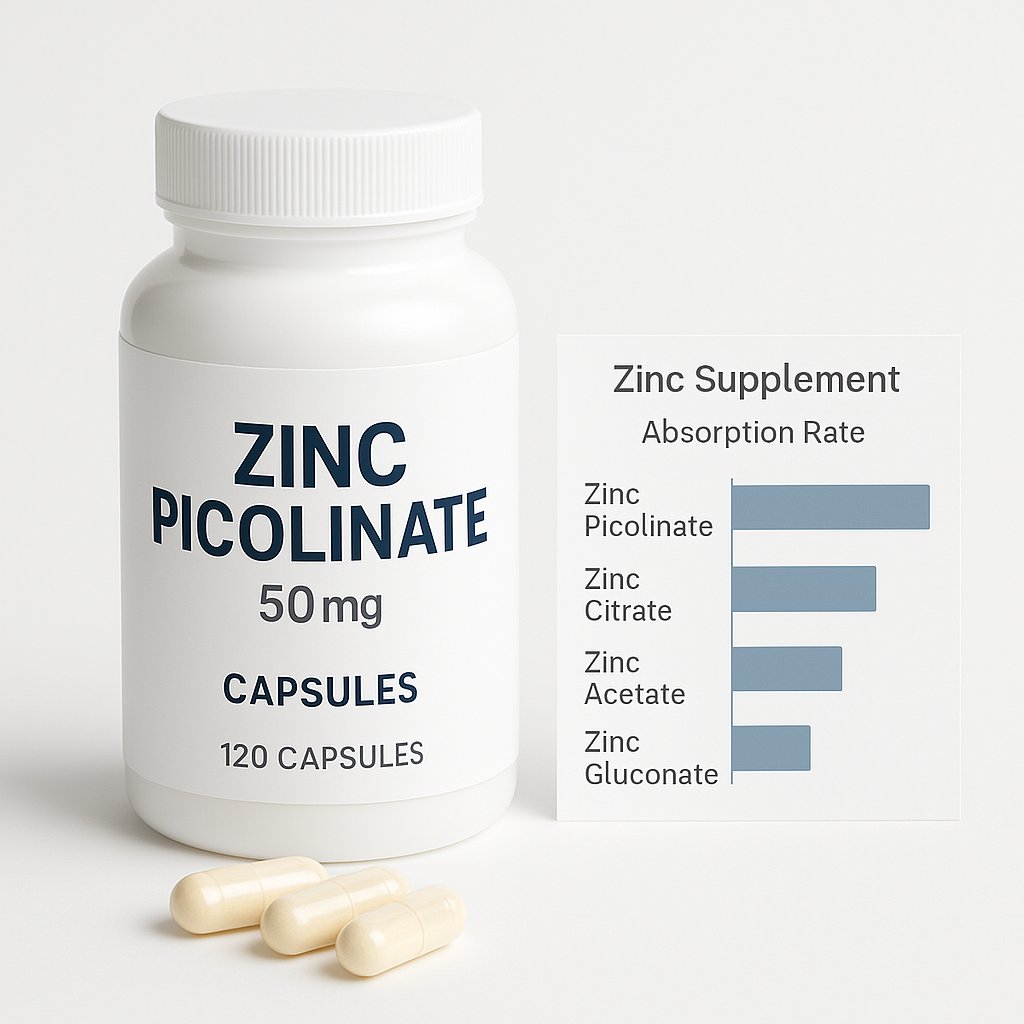
If you’ve decided to supplement zinc, the form you choose matters more than most people realize. The supplement market offers zinc oxide, zinc gluconate, zinc citrate, zinc acetate, zinc carnosine, and zinc picolinate — among others — and their bioavailability varies substantially. Zinc picolinate has the best absorption data of any tested form, and understanding why helps you make a more informed choice.
Why Zinc Form Matters for Absorption
Not all zinc supplements release the same proportion of elemental zinc into the bloodstream. The limiting factors are:
Solubility at intestinal pH: Zinc must remain in solution through the slightly alkaline environment of the small intestine to be absorbed
Competition from dietary inhibitors: Phytates (in grains and legumes), calcium, iron, and copper all compete for the same intestinal transporter (ZIP4)
The ligand effect: Zinc bound to certain small molecules is absorbed via different transporters or more efficiently than free ionic zinc
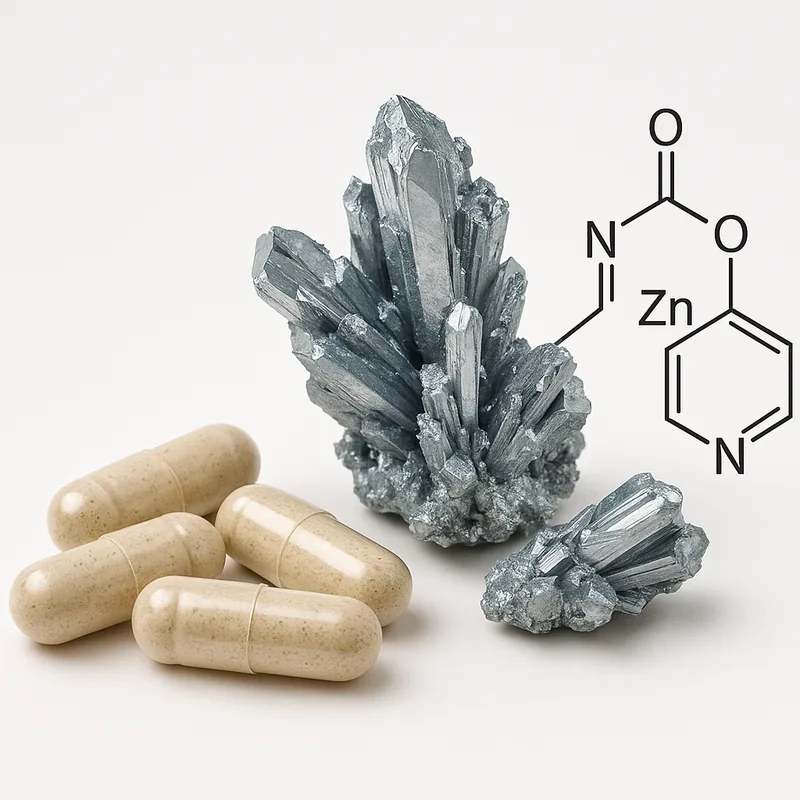
Picolinic acid is a metabolite of tryptophan that the body naturally produces in small amounts. It appears to form a stable, soluble complex with zinc that resists degradation by dietary inhibitors and maintains solubility across a range of intestinal pH values. The result is more predictable, higher fractional absorption.
Head-to-Head Absorption Studies
The most direct comparison of zinc bioavailability across forms was performed by Barrie et al. and published in the Journal of Nutritional Medicine (1987). In this study, 15 healthy volunteers received equal doses of zinc picolinate, zinc citrate, and zinc gluconate in a crossover design. Zinc status was measured in red blood cells, white blood cells, hair, and urine after supplementation.
Zinc picolinate produced significantly greater increases in plasma, red blood cell, and white blood cell zinc compared to citrate and gluconate forms. Hair zinc and urinary zinc retention were also higher with picolinate. The conclusion: zinc picolinate was the most bioavailable form tested at equivalent doses.
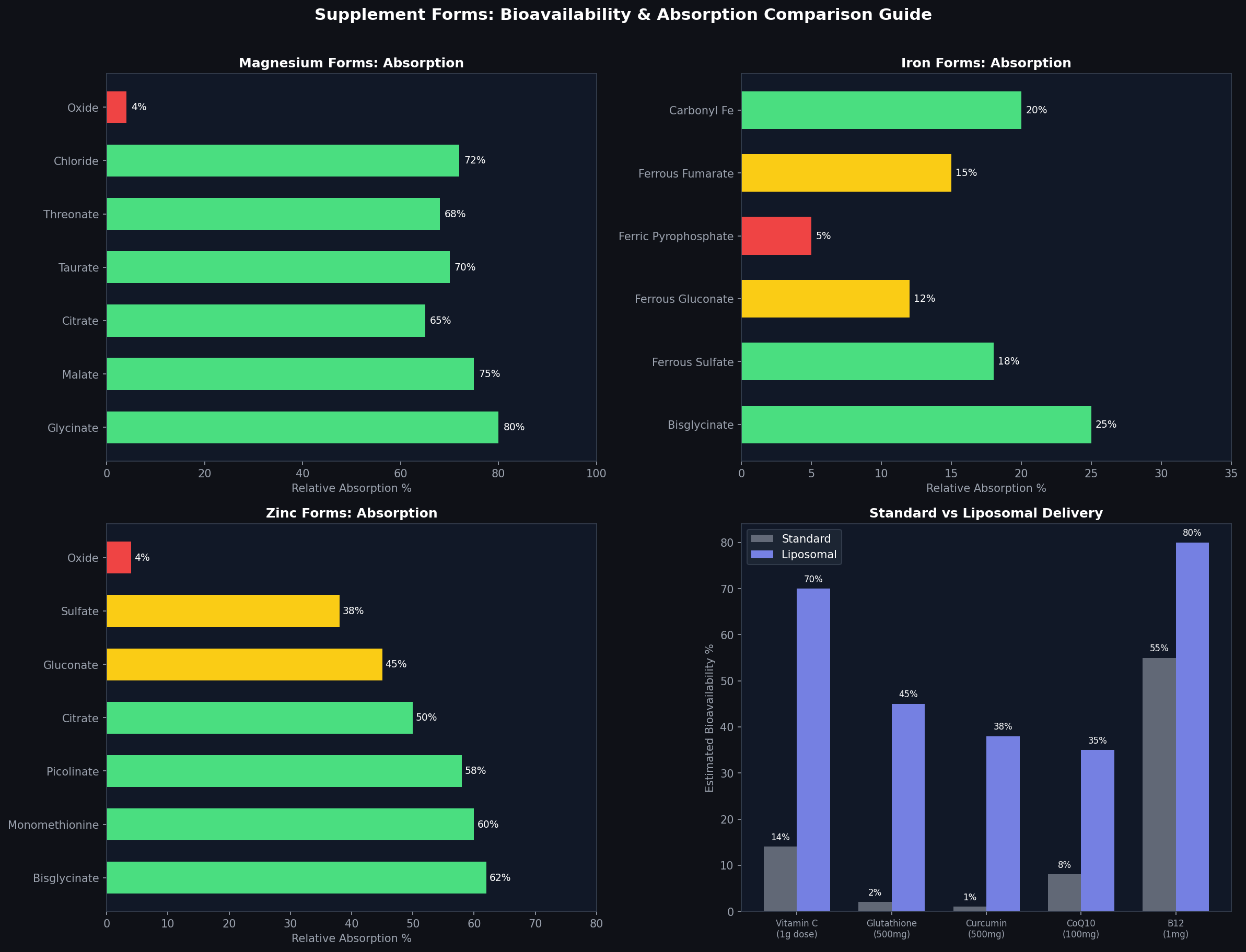
A more recent crossover trial by Gandia et al. in Current Opinion in Clinical Nutrition and Metabolic Care (2007) compared zinc gluconate and zinc oxide and found significant differences — gluconate absorbed notably better than oxide — placing oxide at the bottom of the bioavailability hierarchy. While this study didn’t directly compare picolinate, the cumulative evidence positions picolinate at or near the top, followed by gluconate, citrate, and acetate, with oxide consistently the lowest.
The Zinc Forms Compared
Zinc Form
Relative Bioavailability
Elemental Zinc %
GI Tolerability
Notes
Zinc Picolinate
High (best in head-to-head)
~20%
Good
Best for deficiency correction
Zinc Bisglycinate
High (comparable to picolinate)
~20%
Very Good
Gentle, good for sensitive stomachs
Zinc Gluconate
Moderate–High
~14%
Good
Common in lozenges for cold support
Zinc Citrate
Moderate
~34%
Good
Good elemental zinc density
Zinc Acetate
Moderate–High
~30%
Good
Commonly used in cold lozenges
Zinc Carnosine
Moderate
Low
Excellent
Specifically for gut lining; different use case
Zinc Sulfate
Moderate
~23%
Poor
High GI side effects
Zinc Oxide
Low
~80%
Variable
Very low bioavailability; avoid for supplementation
One note: zinc carnosine (PepZin GI) deserves separate mention because it’s not typically used for general zinc deficiency — it’s specifically studied for gastric mucosal protection and Helicobacter pylori support, where its sustained-release and local gut action are advantageous. It’s a specialized tool rather than a general zinc supplement.
The Immune Function Evidence
Zinc is essential for normal immune function at multiple levels. It’s required for the development and activation of T lymphocytes, natural killer (NK) cells, and B lymphocytes. Zinc deficiency impairs all three arms of adaptive immunity and reduces the innate immune response, making zinc-deficient individuals significantly more vulnerable to infection.
Zinc and the common cold: The most well-studied immune application of zinc supplementation is reduction of cold duration and severity when zinc lozenges are taken at the onset of symptoms. A 2017 meta-analysis by Hemilä in JRSM Open pooled 7 randomized trials using zinc acetate or gluconate lozenges and found that zinc reduced cold duration by an average of 33% compared to placebo. The key requirement is sufficient zinc release in the throat/nasal passages — this is specific to lozenges, not swallowed capsules, for upper respiratory infection effects.
For general immune support (not acute cold treatment), systemic zinc status is what matters. Studies in zinc-deficient elderly populations have found that zinc supplementation restores immune cell populations and function, reduces infection rates, and improves vaccine responses (Prasad et al., American Journal of Clinical Nutrition, 2007).
The immune relationship between zinc and other supplements is worth noting: zinc deficiency impairs the gut mucosal barrier, creating a pathway for infections that probiotics and gut health supplements also address from different angles.
Zinc and Skin Health: Acne and Wound Healing
Zinc has long been used topically for skin conditions, but systemic zinc supplementation also has meaningful evidence for acne vulgaris.
A systematic review in Dermatology (Yee et al., 2020) analyzed 14 randomized controlled trials of oral zinc supplementation for acne. The pooled analysis found zinc was significantly more effective than placebo, though less effective than tetracycline antibiotics. Zinc’s anti-acne mechanisms are multiple: it inhibits 5-alpha reductase (reducing dihydrotestosterone, which drives sebum production), has direct anti-inflammatory effects, inhibits Propionibacterium acnes growth, and may reduce sebum production.
Zinc picolinate and zinc gluconate have been specifically studied for acne with positive results; doses used are typically 30–90 mg elemental zinc (higher end requires monitoring for copper and other interactions). At the 30 mg/day dose, zinc supplementation is a reasonable evidence-based adjunct for mild-to-moderate acne, particularly in zinc-deficient individuals.
For wound healing, zinc is essential for all phases of the process — inflammation, proliferation, and remodeling — through its roles in DNA synthesis, protein production, and collagen formation. Zinc deficiency is strongly associated with impaired wound healing, and restoration of adequate zinc status normalizes wound healing rates.
Zinc, Testosterone, and Reproductive Health
Zinc plays a critical role in testosterone biosynthesis and spermatogenesis. The connection was identified decades ago through observations that zinc deficiency in adolescent males was associated with delayed puberty and hypogonadism (Prasad et al., 1963 — a landmark paper in nutritional science).
In adults, studies have found that zinc supplementation in zinc-deficient men significantly increases serum testosterone, while zinc supplementation in men with already-adequate zinc status does not appear to increase testosterone further. A 1996 study in Nutrition (Prasad et al.) found that restricting dietary zinc in healthy men for 20 weeks reduced testosterone by 75%, and that subsequent zinc supplementation restored levels.
The practical implication: zinc supplementation may support testosterone levels in men who are actually deficient, but it’s not a testosterone booster in zinc-replete individuals. Given the prevalence of marginal zinc deficiency (especially in vegetarians, vegans, and those eating high-phytate diets), there’s often a real benefit to be found — it just requires actual deficiency to be present.
The Copper Balance Warning: Critical Long-Term Consideration
This is one of the most important practical considerations in zinc supplementation and one that is frequently underemphasized in marketing materials.
Zinc and copper compete for absorption through the same intestinal transporter (MT, metallothionein). High zinc intake upregulates metallothionein in intestinal cells, which binds copper preferentially and prevents its absorption into the bloodstream. The result: chronic high-dose zinc supplementation causes copper deficiency.
Copper deficiency is not trivial — it causes anemia, neurological symptoms (peripheral neuropathy, myelopathy), immune dysfunction, and cardiovascular issues. A 2008 review in The American Journal of Clinical Nutrition documented multiple cases of neurological copper deficiency caused by chronic zinc supplementation, often in people taking zinc for unrelated reasons without awareness of the interaction.
The practical guideline: For every 8–15 mg of supplemental elemental zinc, add 1 mg of copper to maintain the zinc-to-copper ratio. Most high-quality zinc supplements designed for long-term use include a small amount of copper (typically 1–2 mg) for this reason.
At 15–25 mg elemental zinc: 1 mg copper is typically sufficient
At 25–50 mg elemental zinc: 1–3 mg copper is warranted
Avoid taking separate high-dose zinc and copper supplements without medical guidance
Who Needs Zinc Picolinate?
People most likely to have zinc insufficiency and benefit from supplementation:
Vegetarians and vegans: Plant-based diets are typically high in phytates that inhibit zinc absorption; vegetarians may need 50% more dietary zinc than omnivores according to Institute of Medicine recommendations
People with digestive conditions: Crohn’s disease, celiac disease, short bowel syndrome, and other malabsorption conditions impair zinc uptake
Older adults: Age-related reductions in stomach acid and intestinal absorptive surface reduce zinc absorption
People with alcohol use disorder: Alcohol impairs zinc absorption and increases urinary zinc excretion
Pregnant and breastfeeding women: Zinc requirements increase during pregnancy and lactation
Athletes with high sweat rates: Zinc is lost in significant amounts in sweat
People on medications that impair zinc absorption: Including certain antibiotics, ACE inhibitors, and diuretics
Hair Loss and Zinc
Zinc deficiency is associated with hair loss, and there are case reports of zinc supplementation reversing hair loss in zinc-deficient individuals. However, the relationship is specifically relevant to deficiency-driven hair loss — zinc supplementation above adequate levels does not appear to stimulate hair growth in zinc-sufficient individuals, and may even paradoxically worsen some forms of hair loss at very high doses. For a comprehensive review, see our zinc for hair loss guide.
Key Takeaways
Zinc picolinate has demonstrated superior bioavailability compared to zinc gluconate and zinc citrate in head-to-head absorption studies
Zinc oxide has the lowest bioavailability and should generally be avoided as a supplemental form
Standard supplemental dose is 15–30 mg elemental zinc daily; therapeutic doses for acne may reach 45–90 mg under medical supervision
Always pair long-term zinc supplementation with 1–2 mg copper to prevent deficiency
Immune support effects are well-established, especially in zinc-deficient populations; cold-duration reduction requires zinc lozenges specifically
Zinc picolinate is the top choice for correcting deficiency; zinc carnosine is a different form for gut mucosal protection specifically
Acne, wound healing, testosterone in deficient males, and taste/smell function all have supporting evidence
Frequently Asked Questions
How much zinc picolinate should I take daily?
For general supplementation and deficiency prevention, 15–25 mg elemental zinc daily is appropriate for most adults. The RDA is 8 mg/day for adult women and 11 mg/day for adult men, but supplemental doses are typically higher to compensate for incomplete absorption. At doses above 25 mg long-term, copper co-supplementation (1–2 mg) becomes important.
Can zinc picolinate upset my stomach?
Zinc supplements taken on an empty stomach can cause nausea in some people. Taking zinc with a small amount of food typically resolves this. Of the common zinc forms, zinc picolinate and bisglycinate generally have the best GI tolerability; zinc sulfate and high-dose zinc oxide have the most GI side effects.
How long does it take to correct zinc deficiency?
Serum zinc levels typically respond within 2–4 weeks of consistent supplementation at adequate doses. Functional improvements — immune response, taste and smell, wound healing — may take 4–8 weeks to become noticeable. Hair-related improvements, if deficiency was a factor, take 2–3 months given the slow growth rate of hair.
Can I get enough zinc from food?
Oysters are exceptionally high in zinc (74 mg per 3 oz serving); red meat, poultry, beans, nuts, and whole grains are moderate sources. Vegetarians and vegans eating predominantly plant-based diets often struggle to meet zinc requirements due to phytate inhibition. For omnivores eating varied diets with regular red meat, dietary zinc may be sufficient; for others, supplementation is often warranted.
Should I take zinc picolinate in the morning or evening?
This is largely personal preference based on tolerability. Some people find zinc helps them sleep better when taken in the evening (zinc has relationships with melatonin and growth hormone regulation); others prefer morning dosing to coincide with a meal. The most important principle is consistency — take it at the same time daily with food to optimize absorption and minimize GI discomfort.
Sources
Barrie, S.A., et al., “Comparative absorption of zinc picolinate, zinc citrate and zinc gluconate in humans,” Agents and Actions, 1987.
Prasad, A.S., et al., “Zinc status and serum testosterone levels of healthy adults,” Nutrition, 1996.
Hemilä, H., “Zinc lozenges and the common cold: a meta-analysis comparing zinc acetate and zinc gluconate,” JRSM Open, 2017.
Yee, B.E., et al., “Serum zinc levels in acne vulgaris: a systematic review and meta-analysis,” Dermatology and Therapy, 2020.
Nations, J.A., et al., “Myeloneuropathy and macrocytosis associated with nitrous oxide abuse,” Archives of Neurology, 2008.
Roohani, N., et al., “Zinc and its importance for human health,” Journal of Research in Medical Sciences, 2013.