
The Complete Guide to Electrolyte Supplements in 2026: Hydration, Performance, and Recovery
Electrolyte Supplements: Who Actually Needs Them, What They Do, and How to Choose
You’re sweating through a workout, someone in a Facebook group tells you to “replenish your electrolytes,” and suddenly you’re staring at a shelf of colorful powders with wildly different ingredient lists, price tags, and promises. The problem isn’t lack of options — it’s lack of clarity about what electrolytes actually are, when you genuinely need them, and when plain water is perfectly fine.

This guide gives you the full picture: the science behind each major electrolyte, the populations that genuinely benefit from supplementation, how to read a label without being deceived, and honest comparisons between sugared sports drinks, sugar-free powders, and doing it yourself. No hype, no vague wellness claims.

Quick Answer: Electrolyte supplements are genuinely useful for specific situations: intense exercise lasting more than 60–90 minutes, ketogenic or low-carb diets, prolonged fasting, illness with vomiting or diarrhea, hot climate work, and for older adults with reduced thirst sensitivity. For everyday hydration with moderate activity, plain water usually covers your needs. The key electrolytes are sodium, potassium, magnesium, chloride, and calcium — and most supplements heavily prioritize sodium, often neglecting the others.
What Electrolytes Actually Are

Electrolytes are minerals that carry an electrical charge when dissolved in fluid. Your body uses them to regulate fluid balance between cells and the bloodstream, transmit nerve signals, contract muscles (including the heart), and maintain proper pH in blood and tissues.
The five primary electrolytes in human physiology are:
Sodium is the dominant electrolyte in the fluid outside your cells (extracellular fluid). It’s the chief regulator of blood volume and blood pressure, and it drives the thirst response. The kidneys tightly regulate sodium balance — excess is excreted, deficit triggers water retention. During heavy sweating, sodium is lost in the highest concentration of any electrolyte, which is why it’s the primary ingredient in every serious sports drink formula.
Potassium does for the inside of your cells what sodium does for the outside. It’s critical for heart rhythm, muscle contraction, and nerve function. Low potassium (hypokalemia) can cause muscle cramps, weakness, and — in severe cases — dangerous cardiac arrhythmias. Most people don’t replace potassium through supplements because food sources (bananas, leafy greens, avocados, potatoes) are adequate — unless diet is severely restricted.
Magnesium is involved in over 300 enzymatic reactions in the human body, including protein synthesis, blood sugar regulation, nerve transmission, and muscle relaxation. Magnesium deficiency is surprisingly common in the general population — the National Health and Nutrition Examination Survey (NHANES) data suggests nearly half of Americans don’t meet daily adequate intake levels (Rosanoff et al., Nutrition Reviews, 2012). This is partly because magnesium is depleted from soil over time, reducing content in crops.
Chloride is the primary negatively charged ion in extracellular fluid and pairs with sodium to maintain electrical neutrality. It’s also essential for producing stomach acid (hydrochloric acid). Most people get plenty of chloride from table salt (sodium chloride) and processed foods.
Calcium is best known for bones and teeth, but it also plays an active role in muscle contraction, blood clotting, and nerve signaling. In an acute electrolyte supplement context, calcium is less commonly depleted through sweat than sodium or potassium — but it matters for long-duration athletes, older adults with low dietary intake, and people on certain medications.
When You Actually Need Electrolyte Supplements
This is where marketing and reality diverge significantly. The wellness industry has expanded “electrolyte depletion” into a condition that justifies supplementation at all times. The physiology doesn’t support that.
Exercise Under 60 Minutes
For most people doing moderate exercise lasting less than an hour in a temperate environment, plain water replaces fluid losses adequately. The American College of Sports Medicine (ACSM) guidelines indicate that electrolyte replacement becomes relevant primarily for exercise exceeding 60–90 minutes, particularly in hot or humid conditions (Sawka et al., Medicine & Science in Sports & Exercise, 2007).
If you’re running a 5K or doing a 45-minute gym session, you don’t need an electrolyte supplement. You need water.
Exercise Over 60–90 Minutes
Endurance athletes — runners, cyclists, triathletes, team sport players in multi-hour competitions — face genuinely meaningful electrolyte losses. Sweat sodium concentration varies significantly between individuals, ranging from roughly 460 to 1,840 mg per liter of sweat (Shirreffs and Sawka, Journal of Sports Sciences, 2011). “Salty sweaters” — those who leave white residue on their skin or clothing — are at higher risk for sodium depletion and should prioritize sodium replacement.
For this population, electrolyte supplementation during and after prolonged exercise is evidence-based and important for maintaining performance and preventing hyponatremia (dangerously low blood sodium), which can occur when athletes drink excessive water without replacing sodium.
Ketogenic and Low-Carb Diets
This is one of the clearest use cases for electrolyte supplementation, and it’s driven by specific metabolic changes.
When carbohydrate intake drops significantly, insulin levels fall. Lower insulin signals the kidneys to excrete more sodium in the urine (Yancy et al., Annals of Internal Medicine, 2004). As sodium goes, water follows, which accounts for much of the rapid initial weight loss on keto diets. But along with sodium, potassium and magnesium excretion also increases.
The symptoms commonly called “keto flu” — fatigue, headaches, muscle cramps, brain fog in the first 1–2 weeks of a ketogenic diet — are predominantly electrolyte depletion symptoms, not some inherent toxicity of fat adaptation. Supplementing sodium (2,000–4,000 mg/day beyond dietary intake), potassium (1,000–3,500 mg/day), and magnesium (300–500 mg/day elemental) significantly reduces these symptoms for most people.
This is not just a short-term concern. People on sustained ketogenic diets need ongoing electrolyte attention because the kidney’s handling of electrolytes remains altered as long as insulin stays low.
See our detailed guides: Best Electrolytes for Keto & Fasting in 2026 and Best Electrolytes for Keto and Fasting in 2026.
Intermittent and Extended Fasting
The same insulin-mediated sodium excretion applies during fasting periods. Extended fasting (beyond 24 hours) can cause significant electrolyte losses even without physical exertion. Many people who feel unwell during fasting — dizzy, fatigued, with heart palpitations — are experiencing electrolyte deficiency, not some sign of fasting being “too hard on the body.”
Electrolyte supplementation during fasting windows, using products without calories (or minimal calories), is an evidence-informed strategy for maintaining wellbeing and extending the duration people can comfortably fast.
Hot Climate Work and Heavy Sweating
Manual laborers, military personnel, agricultural workers, and anyone spending long hours in heat and humidity face sustained electrolyte losses that can accumulate dangerously. The Occupational Safety and Health Administration (OSHA) specifically recommends electrolyte-containing beverages for workers in hot environments over extended periods.
For people who are consistently heavy sweaters regardless of setting, proactive electrolyte management is a genuine performance and health issue, not a marketing construct. See Electrolytes for Heavy Sweaters: What to Look For.
Illness: Vomiting, Diarrhea, and Fever
Acute gastrointestinal illness can rapidly deplete sodium, potassium, and chloride through fluid losses. The World Health Organization’s oral rehydration solution (ORS) — a formula of sodium chloride, potassium chloride, trisodium citrate, and glucose — is considered one of the most important public health interventions of the 20th century for this reason. Commercial electrolyte drinks designed for illness (Pedialyte, for example) follow a similar formulation rationale. Sports drinks are generally a poor substitute because their sodium content is often too low and sugar content too high for effective rehydration during illness.
Special Populations With Elevated Needs
Older Adults
Aging reduces thirst sensitivity, kidney concentrating ability, and the hormonal signals that prompt fluid and electrolyte conservation. Older adults are therefore at elevated risk for both dehydration and electrolyte imbalance even under conditions that wouldn’t trouble younger people. Research published in the Journal of Nutrition, Health & Aging (Stookey, 2005) documents reduced fluid intake relative to need as a consistent finding in aging populations.
Magnesium deficiency is particularly common in older adults due to reduced intestinal absorption and increased renal excretion, and it’s associated with muscle weakness, falls, and cardiovascular risk. Proactive supplementation and attention to electrolyte-dense foods are genuinely important in this group.
See: Best Hydration Supplements for Older Adults 2026 and Best Hydration Supplements for Older Adults in 2026.
GLP-1 Receptor Agonist Users
GLP-1 medications (semaglutide, tirzepatide) cause significant appetite suppression and often substantial dietary restriction. When food intake drops dramatically, so does dietary electrolyte intake. Combined with any nausea or vomiting side effects and reduced overall consumption, GLP-1 users frequently develop subclinical electrolyte deficiencies — particularly magnesium and potassium. This is an emerging area without long-term clinical guidelines, but the physiological rationale for monitoring and supplementing is sound.
Shift Workers
Night-shift and rotating-shift workers have disrupted circadian rhythms that affect cortisol release, aldosterone activity, and the hormonal regulation of sodium and water balance. Emerging research suggests shift workers have altered electrolyte homeostasis compared to day-shift workers, and they frequently combine irregular eating patterns with high caffeine consumption (a mild diuretic). Consistent hydration and electrolyte attention is reasonable for this group.
Sugar-Free vs. Sugared Electrolyte Products
The traditional sports drink market (think Gatorade, Powerade) was built on a formula combining electrolytes with simple sugars — specifically because glucose accelerates sodium absorption in the intestine via the SGLT1 co-transporter. The glucose-sodium co-transport mechanism is real and was the foundation of WHO oral rehydration therapy. For endurance athletes burning significant carbohydrate fuel, the added carbohydrates serve a dual purpose: electrolyte absorption and glycogen replenishment.
But for keto dieters, fasting individuals, people watching blood sugar, or anyone doing light activity, the sugar in traditional sports drinks is a liability rather than a feature. A standard 20-ounce Gatorade contains 36 grams of added sugar — the equivalent of nine teaspoons. That’s not a neutral vehicle for electrolytes; it’s a meaningful glycemic load.
The sugar-free electrolyte powder market has expanded significantly in response. Products using sodium, potassium, and magnesium with zero or near-zero calories have become the standard for metabolically conscious users. Key brands often use sucralose, stevia, or monk fruit as sweeteners. Sodium absorption in the small intestine can occur via sodium-hydrogen exchangers that don’t require glucose, so sugar-free formulas can still achieve effective electrolyte delivery — particularly when consumed with adequate fluid.
See: Best Electrolyte Powder in 2026: Complete Buyer’s Guide and Best Sugar Free Electrolyte Powder: Top Picks.
How to Read an Electrolyte Supplement Label
Most electrolyte supplements on the market are heavily weighted toward sodium and often light on the rest. A label that leads with impressive milligram counts of a long mineral list can still be inadequate if the quantities don’t match physiological needs. Here’s what to evaluate:
Sodium content: For exercise or keto use, you want somewhere between 500–1,500 mg of sodium per serving, depending on sweat rate and activity duration. Products under 200 mg sodium are essentially flavored water for these purposes.
Potassium content: Labels often show 200–350 mg of potassium. That’s a fraction of daily needs (~4,700 mg per day per NIH recommendations), so supplementation is a contribution, not a complete solution. More potassium comes from food.
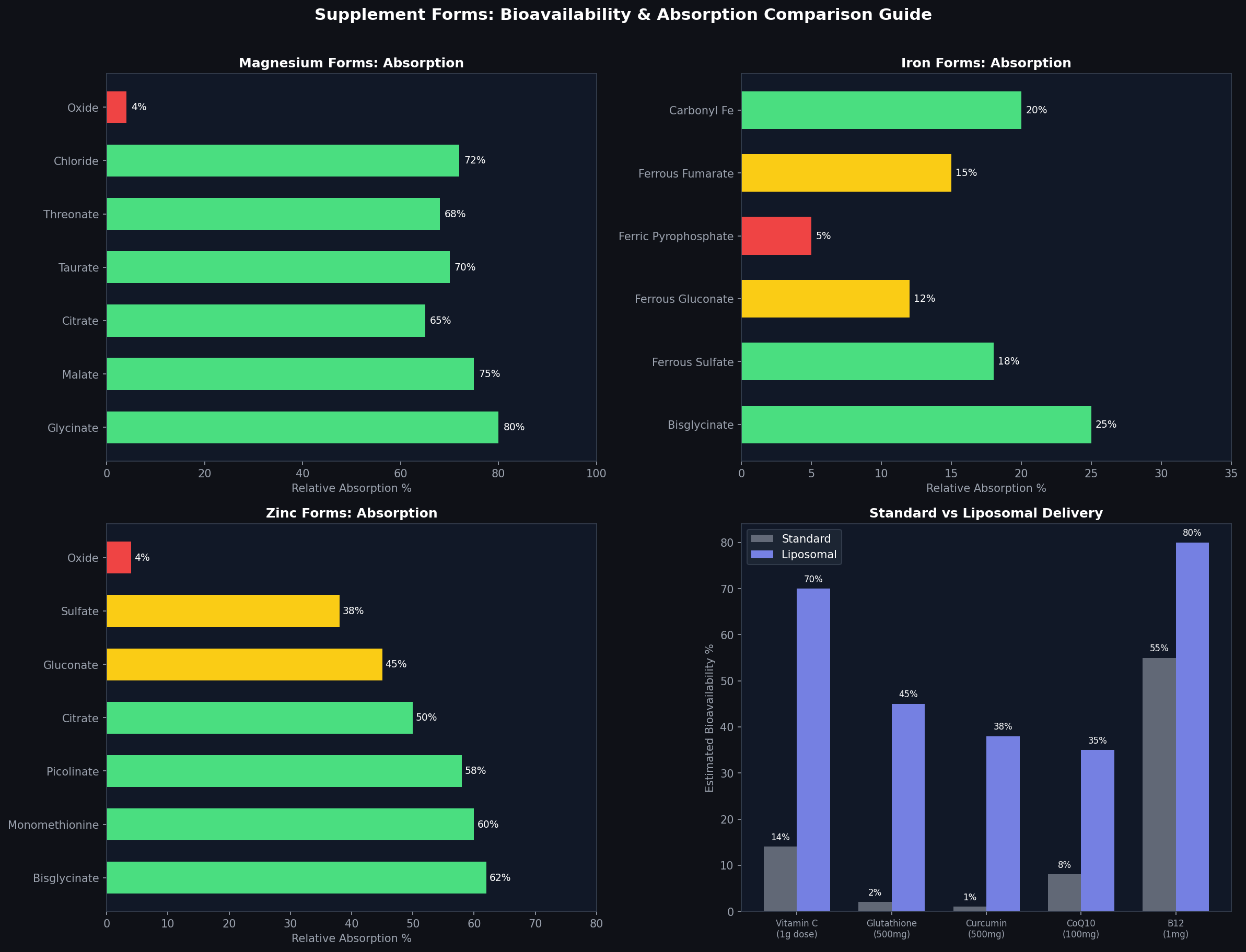
Magnesium content and form: Look at the magnesium compound used. Magnesium glycinate and magnesium malate have better bioavailability and gentler GI profiles than magnesium oxide, which is cheap to produce but poorly absorbed and acts as an osmotic laxative at higher doses. If magnesium oxide is the primary form listed, consider it a mark against the product.
Fillers and additives: Some products include unnecessary ingredients: artificial dyes, proprietary blends that mask exact amounts, or stimulants bundled with the electrolytes. Read past the marketing headline to the actual supplement facts panel.
Electrolyte ratios: A product with high potassium but very low sodium is optimized differently than one with the reverse. Match the formula’s emphasis to your actual situation — keto users typically need more sodium; older adults often need more magnesium; endurance athletes need a broader profile.
DIY Electrolyte Options
Making your own electrolyte drink is straightforward and cost-effective:
A basic DIY formula used by many keto and fasting practitioners: 16 oz of water, ¼ teaspoon table salt (approximately 575 mg sodium), ¼ teaspoon “No Salt” or “Nu-Salt” potassium chloride substitute (approximately 650 mg potassium), and a small amount of magnesium glycinate powder or a magnesium supplement taken separately. A squeeze of citrus and a small amount of flavor (sugar-free drink mix, for example) makes it palatable.
The tradeoff with DIY: you need to be careful about potassium dosing. Potassium chloride in large quantities can be dangerous, and the substitutes sold as salt alternatives are strong in flavor and can cause GI upset if overused. Start conservatively and adjust based on how you feel.
Bone broth is another underrated DIY electrolyte source — it provides sodium, potassium, and trace minerals in a form that’s naturally palatable and easy to consume during fasting or illness.
When Plain Water Is Enough
It’s worth saying plainly: for most people doing everyday activities — office work, light walking, typical household tasks — plain water meets hydration needs adequately, and electrolyte supplements add cost without measurable benefit.
The concern about “overhydrating with plain water” is real but requires context. Hyponatremia (low blood sodium from excessive plain-water consumption) is documented primarily in endurance athletes who drink far too much water relative to sweat losses during very long events. For the average person drinking water in normal daily amounts, the kidneys handle electrolyte balance efficiently without supplemental support.
If you’re not on a ketogenic diet, not exercising hard for extended periods, not working in the heat, not ill, and not in a demographic with elevated risk (older adults, GLP-1 users, shift workers) — save your money and drink water.
Choosing a Product for Your Situation
The right electrolyte supplement looks different depending on your context:
For keto or fasting: Prioritize high sodium (1,000+ mg per serving), meaningful magnesium (in glycinate or malate form), and zero to minimal sugar. Products like LMNT, Ultima Replenisher, or Nuun Sport (sugar-free) are commonly used in this population. Avoid sugared sports drinks entirely.
For endurance exercise: Look for a broader formula that includes sodium, potassium, and magnesium in quantities calibrated for sweat losses. Sachets or tablets designed for dilution in water (like SIS GO Hydro, Precision Hydration, or Nuun Sport) are practical for on-the-go use. For very long events, a product that includes some carbohydrates may serve dual purposes.
For older adults: Focus on magnesium adequacy (often the most deficient mineral in this group) and overall daily mineral intake from both food and supplement. A comprehensive multivitamin-mineral may be more appropriate than a sports-focused electrolyte product.
For general daily use: A low-calorie electrolyte drink with modest sodium (300–500 mg), some potassium, and magnesium is reasonable for people who don’t love plain water and want to make hydration more consistent. This is a lifestyle preference, not a medical necessity.
Frequently Asked Questions
Can you take too many electrolytes?
Yes, and the consequences are serious at extremes. Excess sodium raises blood pressure and stresses the kidneys; excess potassium (hyperkalemia) can cause dangerous cardiac arrhythmias, particularly in people with kidney disease or those on ACE inhibitors or potassium-sparing diuretics. Excess magnesium at supplemental doses typically causes diarrhea; at very high doses it can cause toxicity. The practical risk for healthy people using commercial electrolyte products at recommended doses is low, but more is not always better. Stick to serving sizes and listen to your body.
Do electrolytes help with hangovers?
Partly. Alcohol is a diuretic — it inhibits antidiuretic hormone (ADH), causing increased urination and fluid losses. Those fluid losses include some electrolytes, particularly sodium and potassium. Replenishing fluids and electrolytes after drinking addresses the dehydration component of a hangover. But hangover symptoms are also caused by alcohol’s direct effects on sleep architecture, blood sugar regulation, inflammatory prostaglandins, and acetaldehyde toxicity — none of which electrolyte supplementation addresses. Hydration helps; it doesn’t fix everything.
Are electrolytes good for headaches?
Dehydration is a well-established headache trigger, and electrolyte depletion can contribute to dehydration that plain water doesn’t fully resolve. So yes, in the case of headaches triggered by inadequate hydration or electrolyte imbalance (common in keto dieters, heavy exercisers, and those in hot environments), replenishing electrolytes alongside water can genuinely help. It’s not a universal headache remedy, but it’s a reasonable first step when dehydration is a plausible contributor.
Do I need electrolytes for intermittent fasting?
During intermittent fasting windows, you typically aren’t drinking calories, but you can and should drink water, black coffee, and unflavored or lightly flavored electrolyte drinks (zero calories). Extended fasting (beyond 24 hours) particularly benefits from sodium and magnesium supplementation because insulin levels drop, increasing renal sodium excretion. Standard 16:8 intermittent fasting for most people doesn’t require aggressive electrolyte supplementation unless they’re also eating low-carb, exercising in a fasted state, or experiencing symptoms like fatigue and cramps.
What’s the difference between electrolyte powders and tablets?
Both deliver the same minerals — the difference is format and convenience. Tablets (like Nuun) are more portable, produce fewer plastic waste containers, and are easy to toss in a bag for travel. Powders are easier to mix at exact quantities and often allow better dosing flexibility if you want to add more or less to your drink. Neither format is inherently superior; pick what you’ll actually use consistently.
Should children use electrolyte supplements?
Children who are ill with vomiting or diarrhea benefit from pediatric oral rehydration solutions (like Pedialyte), which are formulated for their different sodium and glucose ratios compared to adult products. Sports drinks are not appropriate for illness rehydration in children because of their higher sugar and lower sodium content. Healthy children participating in normal activities don’t need electrolyte supplements. For children doing intense sports in heat, consulting a pediatrician or sports dietitian is the appropriate path.
How do I know if I’m low on electrolytes?
Common signs of electrolyte imbalance include: muscle cramps, particularly at night or during exercise; fatigue disproportionate to your activity; headaches; heart palpitations; difficulty concentrating (“brain fog”); and unusual thirst. These symptoms are non-specific — they overlap with many conditions — but in the context of a keto diet, fasting, heavy exercise, illness, or hot-weather work, they strongly suggest electrolyte evaluation. A blood electrolyte panel from your doctor provides objective confirmation.
Sources
- Sawka MN, Burke LM, Eichner ER, Maughan RJ, Montain SJ, Stachenfeld NS. “American College of Sports Medicine Position Stand: Exercise and Fluid Replacement.” Medicine & Science in Sports & Exercise. 2007;39(2):377–390.
- Shirreffs SM, Sawka MN. “Fluid and electrolyte needs for training, competition, and recovery.” Journal of Sports Sciences. 2011;29(Suppl 1):S39–46.
- Rosanoff A, Weaver CM, Rude RK. “Suboptimal magnesium status in the United States: are the health consequences underestimated?” Nutrition Reviews. 2012;70(3):153–164.
- Yancy WS Jr, Olsen MK, Guyton JR, Bakst RP, Westman EC. “A low-carbohydrate, ketogenic diet versus a low-fat diet to treat obesity and hyperlipidemia.” Annals of Internal Medicine. 2004;140(10):769–777.
- National Institutes of Health Office of Dietary Supplements. “Magnesium Fact Sheet for Health Professionals.” Updated 2022. https://ods.od.nih.gov/factsheets/Magnesium-HealthProfessional/
- World Health Organization. “Oral Rehydration Salts: Production of the New ORS.” WHO/FCH/CAH/06.1. 2006.
- Stookey JD. “High prevalence of plasma hypertonicity among community-dwelling older adults: results from NHANES III.” Journal of the American Dietetic Association. 2005;105(8):1231–1239.
- Maughan RJ, Leiper JB. “Sodium intake and post-exercise rehydration in man.” European Journal of Applied Physiology. 1995;71(4):311–319.
- National Academy of Medicine. “Dietary Reference Intakes for Water, Potassium, Sodium, Chloride, and Sulfate.” National Academies Press. 2005.
- Verbalis JG. “Disorders of body water homeostasis.” Best Practice & Research: Clinical Endocrinology & Metabolism. 2003;17(4):471–503.
- Hew-Butler T, Loi V, Pani A, Rosner MH. “Exercise-Associated Hyponatremia: 2017 Update.” Frontiers in Medicine. 2017;4:21.
Related Articles
- Best Electrolytes for Keto & Fasting in 2026
- Best Hydration Supplements for Older Adults 2026
- Electrolytes for Heavy Sweaters: What to Look For
- Best Electrolytes for Keto and Fasting in 2026
- Best Hydration Supplements for Older Adults in 2026
- Best Electrolyte Powder in 2026: Complete Buyer’s Guide
- Best Sugar Free Electrolyte Powder: Top Picks