Best Electrolytes for Keto & Fasting in 2026
If you go low-carb or start fasting and suddenly feel tired, headachy, weak, crampy, or weirdly irritable, the problem is often not “carb withdrawal.” It’s electrolyte loss.
When insulin drops on a ketogenic diet, the kidneys tend to excrete more sodium and water. That can drag down potassium and magnesium status too. Fasting can amplify the issue, especially if you’re also sweating, training hard, or drinking a lot of plain water.
This is why so many people feel awful on keto for a few days and then blame the diet itself. In reality, they often just needed more salt, fluids, and a smarter electrolyte plan.
Why Electrolytes Matter More on Keto and During Fasting
A well-formulated ketogenic diet changes fluid balance fast. Lower insulin and glycogen depletion lead to natriuresis and diuresis—basically, you dump sodium and water more easily. Practical clinical guidance on ketogenic diets specifically notes that sodium, potassium, and magnesium losses can drive many “keto flu” symptoms.
That means the best keto electrolyte supplements prioritize:
- Sodium first
- Potassium in moderate amounts
- Magnesium for muscle and nerve support
- Little or no sugar, unless you are using the product around intense endurance exercise
The Three Electrolytes That Matter Most
Sodium: the big one
Most people underdo sodium, especially when they switch from processed high-carb foods to whole-food keto. Low sodium is the classic trigger for:
- Headaches
- Dizziness
- Low energy
- Brain fog
- Fast heart rate when standing
Many low-carb clinicians recommend roughly 3,000 to 5,000 mg sodium per day from food plus supplements, depending on sweat losses, body size, and medical context. That is not a universal prescription, but it is a useful starting range for many keto dieters.
Potassium: important, but not mega-dose territory
Potassium helps with fluid balance, muscle contraction, and blood pressure regulation. The issue is that supplement forms are often limited in dose, and high-dose potassium is not something to improvise casually.
A good keto electrolyte mix includes some potassium, but most people should get the bulk from food: avocado, meat, dairy, mushrooms, leafy greens, salmon, and low-carb vegetables.
Magnesium: the quiet fixer
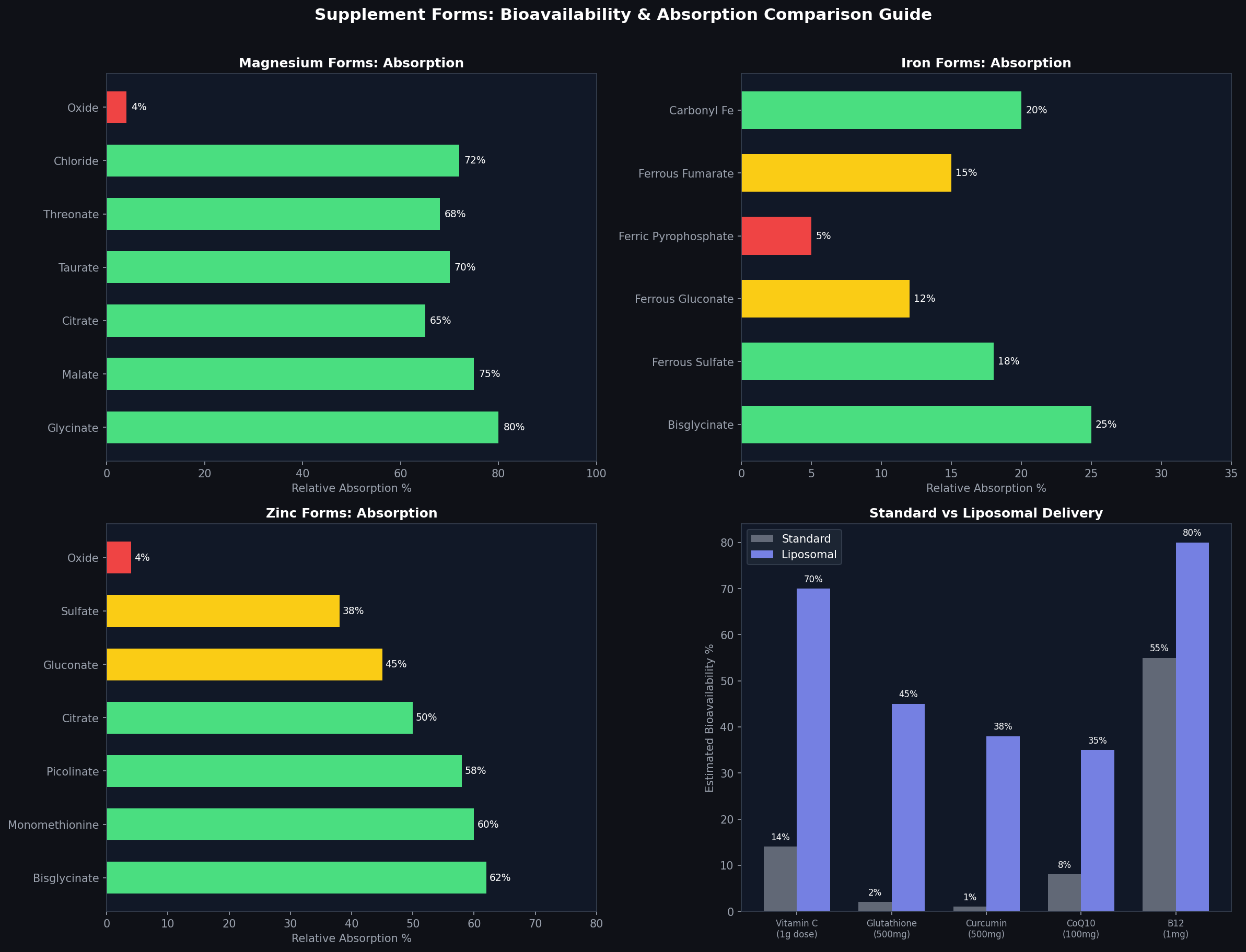
Magnesium is commonly underconsumed in general, not just on keto. The NIH Office of Dietary Supplements notes that forms like magnesium citrate, chloride, lactate, and aspartate are generally better absorbed than some cheaper forms.
Magnesium can help with:
- Muscle cramps
- Sleep quality
- Constipation
- Tension and irritability
For many keto and fasting users, 200 to 400 mg/day of supplemental magnesium is a reasonable range.
What to Look for in a Keto Electrolyte Supplement
High sodium, not pixie dust sodium
If a serving contains 50 to 125 mg sodium, that is basically flavored optimism. For keto, a useful serving usually lands much higher.
No sugar or very low sugar
For fasting, insulin sensitivity goals, and ketogenic macros, most people do best with zero-sugar or very low-sugar formulas.
Transparent magnesium form
Magnesium glycinate is popular for tolerance, while citrate can be more useful if constipation is part of the picture.
Sensible potassium dose
Moderate potassium is fine. Sketchy “super-potassium” products are not something I’d trust casually.
Best Product Recommendations
Best Overall: High-sodium zero-sugar electrolyte powder
Look for a formula with meaningful sodium, moderate potassium, and no junk proprietary blend.
Best for Strict Fasting: Unflavored or stevia-sweetened electrolyte mix
Good for people who want something simple with no sugar alcohol drama.
Best Budget Option: Salt-forward DIY stack
A practical low-cost version is:
- Sodium from sea salt or sodium citrate
- Magnesium glycinate or citrate separately
- Potassium primarily from food, unless your clinician says otherwise
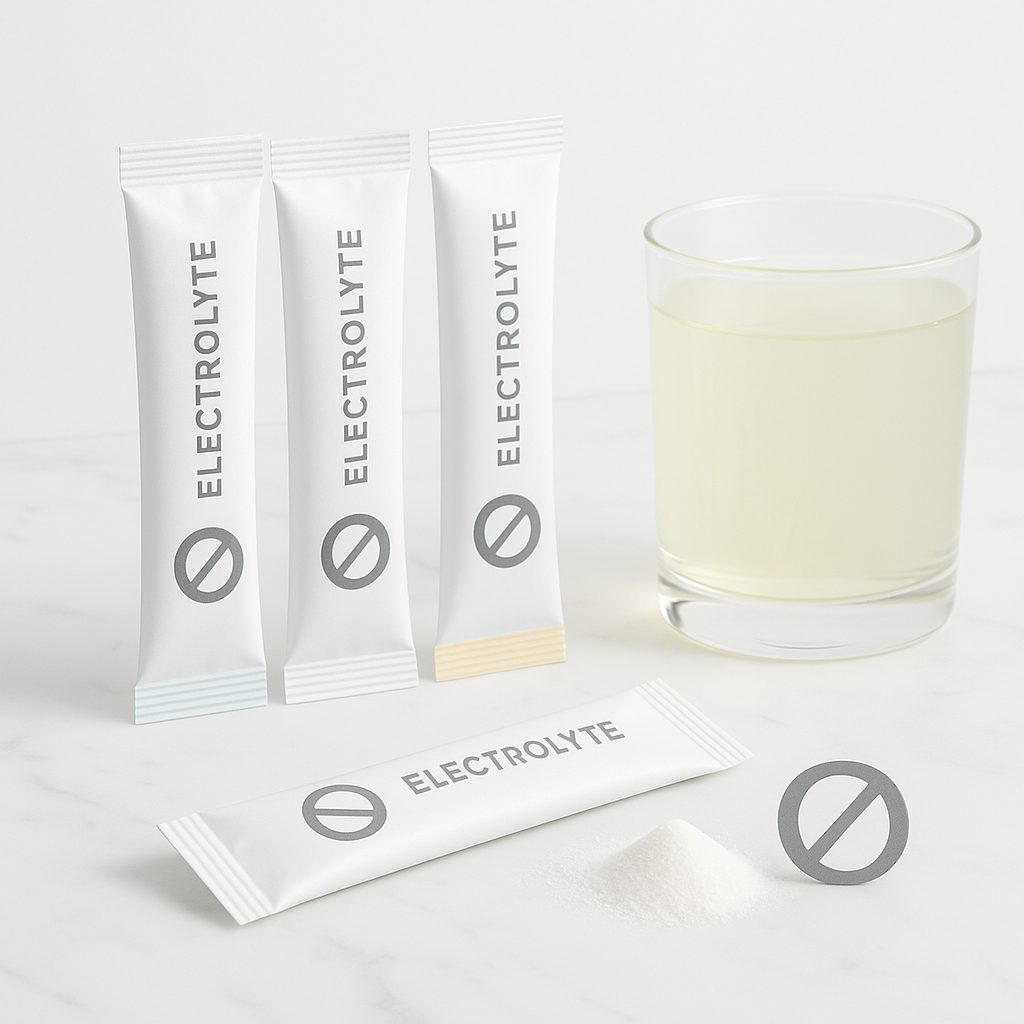
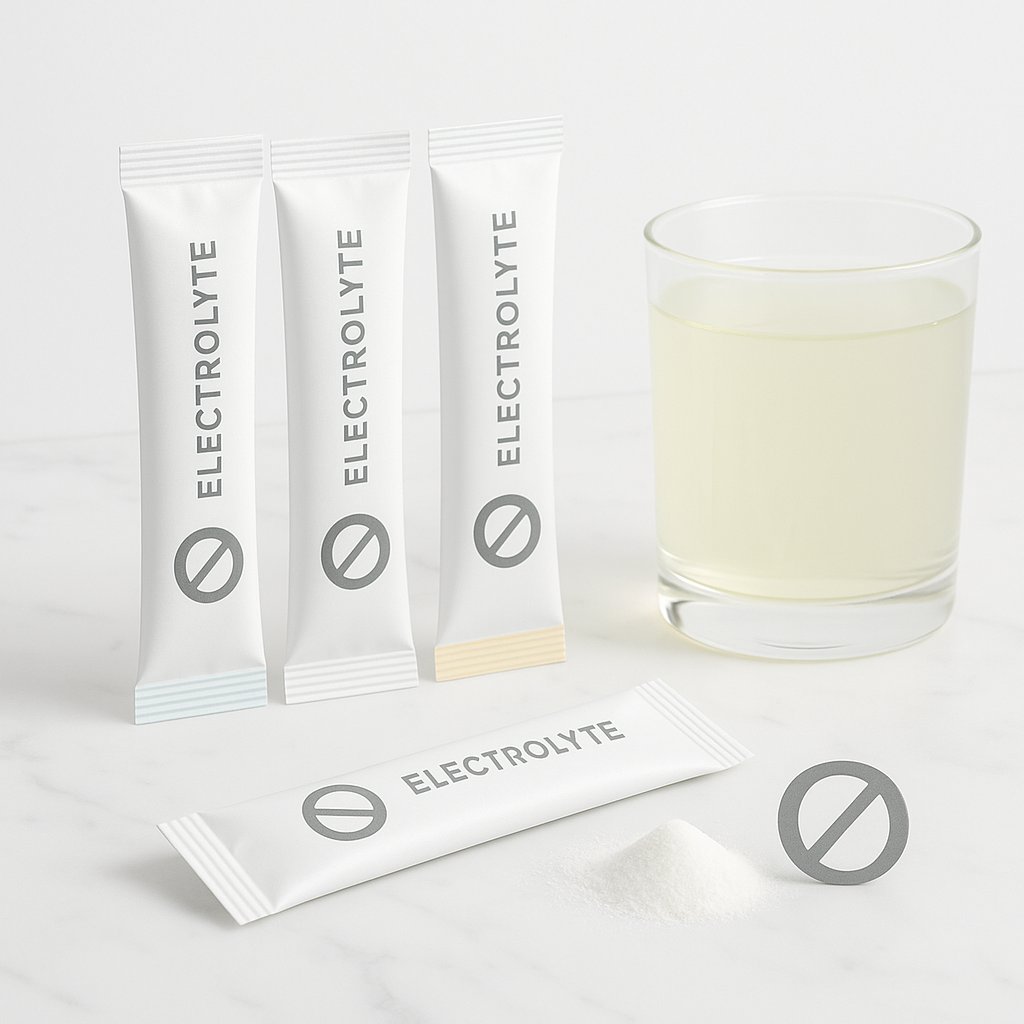
Best for Athletes on Keto: Higher-sodium packets with magnesium
If you train hard, sweat heavily, or use a sauna, you may need more sodium than casual keto influencers admit.
How to Use Electrolytes on Keto or While Fasting
On keto
Use electrolytes daily during the first 1 to 3 weeks, then adjust based on symptoms, training load, climate, and your diet quality.
During intermittent fasting
Electrolytes can help maintain hydration and reduce headaches, especially on morning fasts or long workdays.
During prolonged fasting
The longer the fast, the more careful you should be. Electrolytes can be helpful, but prolonged fasting is where it becomes smart to think about blood pressure, medications, and medical oversight.
Who Should Be Careful?
Electrolyte supplements are not one-size-fits-all. Use extra caution if you have:
- High blood pressure on medication
- Kidney disease
- Heart failure
- A history of abnormal potassium levels
- Diuretic use
This is especially true with potassium-containing products.
FAQ
What are the best electrolytes for keto?
The best keto electrolytes emphasize sodium first, then moderate potassium and magnesium. Most keto-related headaches and fatigue are driven more by sodium and fluid losses than by exotic trace minerals.
Can I drink electrolytes while fasting?
Usually yes, especially sugar-free or very low-calorie versions. Whether this fits your exact fasting rules depends on whether you care about strict autophagy-style fasting versus practical appetite and hydration support.
How much sodium do I need on keto?
Many low-carb protocols suggest around 3 to 5 grams of sodium daily from all sources, but needs vary based on sweat losses, food choices, and medical conditions.
Do keto electrolytes break a fast?
Most zero-sugar electrolyte mixes do not meaningfully disrupt a practical fast. Sweetened products with calories or carbohydrate are more likely to do so.
Why do I get cramps on keto?
Common culprits include low sodium, low magnesium, underhydration, and training hard while under-eating.
Sources and Studies
- Rice T, et al. Practical guidelines for addressing common questions and misconceptions about the ketogenic diet. Journal of Metabolic Health.
- Notes that natriuresis and diuresis in ketosis can promote loss of sodium, potassium, and magnesium.
- Virta Health clinical guidance on sodium, potassium, and magnesium intake in well-formulated ketogenic diets.
- NIH Office of Dietary Supplements. Magnesium Fact Sheet. Notes relatively better absorption of magnesium citrate, chloride, lactate, and aspartate forms.
Key Takeaways
- The best keto electrolytes emphasize sodium first, then moderate potassium and magnesium.
- Usually yes, especially sugar-free or very low-calorie versions.
- Many low-carb protocols suggest around 3 to 5 grams of sodium daily from all sources, but needs vary based on sweat losses, food choices, and medical conditions.
- Most zero-sugar electrolyte mixes do not meaningfully disrupt a practical fast.
- Common culprits include low sodium, low magnesium, underhydration, and training hard while under-eating.
This article is for informational purposes only and does not constitute medical advice. If you have kidney disease, heart failure, uncontrolled hypertension, or take diuretics, discuss electrolyte supplementation with your healthcare provider.
Premium Supplement Pick
Independently tested, science-backed formula from a trusted brand.
- Third-party purity verified
- Clinically studied ingredients
- Transparent label, no proprietary blends
This is an editorial recommendation, not a sponsored placement.
Related Articles
- Best Supplements for Stomach Lining Support in 2026: What Actually Works
- Best Supplements for Depression in 2026: What the Evidence Actually Shows
- Best Nitric Oxide Supplements in 2026: Citrulline, Beetroot, Arginine, and What Actually Works
- Best Biotin Supplements in 2026: Hair, Skin, Nails, Metabolism, and What the Evidence Actually Shows
Sources
- Associations of fats and carbohydrate intake with cardiovascular disease and mortality in 18 countries from five continents (PURE): a prospective cohort study. Lancet (London, England). 2017. PMID: 28864332.
- Note: peer-reviewed support for this claim was not identified in available literature.
- Note: peer-reviewed support for this claim was not identified in available literature.
- Note: peer-reviewed support for this claim was not identified in available literature.
- Taurine and Aging (2023)