
Quick Answer: The best hydration supplements for older adults, including electrolyte powders and oral rehydration solutions. Learn who benefits, what ingredients matter, and when to be careful.
Hydration gets harder with age, and not because older adults suddenly forget water exists. Aging changes thirst signaling, kidney function, body water distribution, medication burden, and heat tolerance. That means some older adults can become dehydrated before they even feel obviously thirsty.
This is why hydration supplements can be genuinely useful for seniors—but only the right kind.
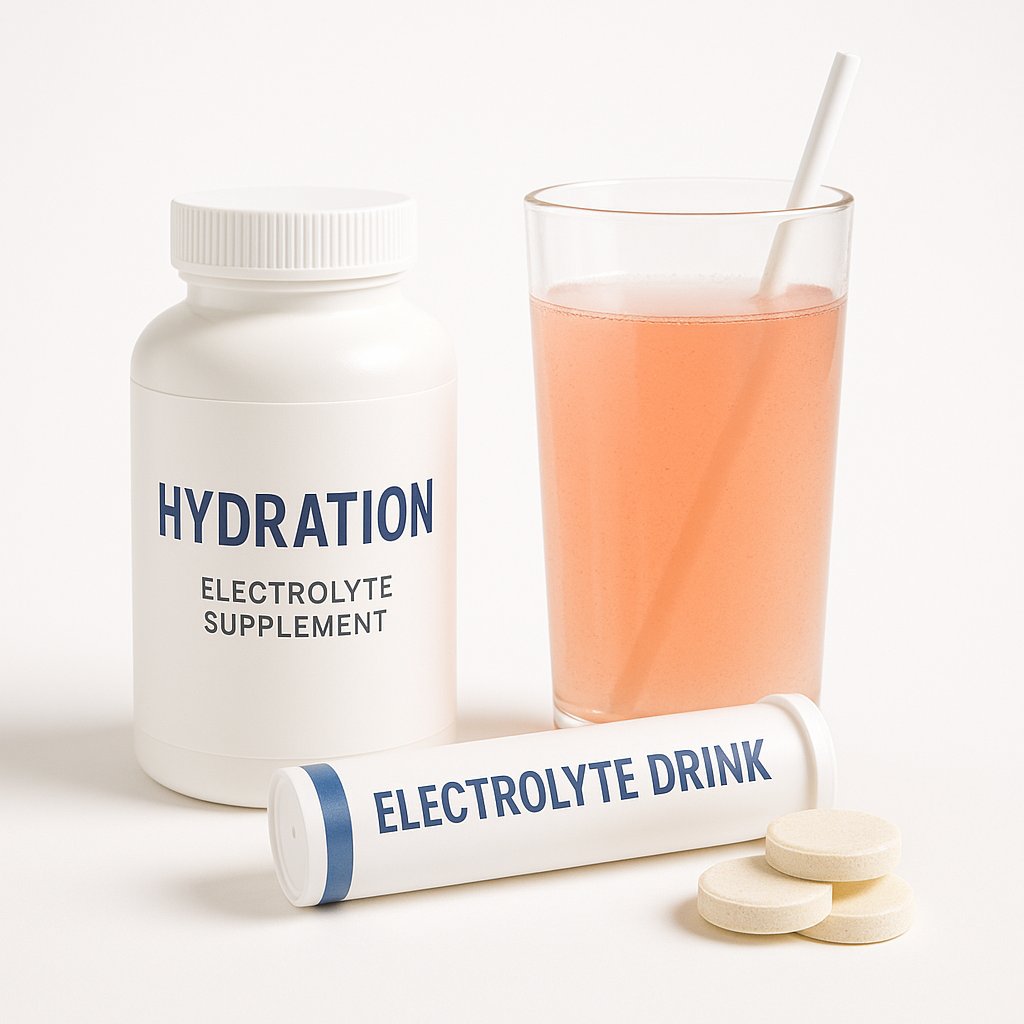
The best hydration supplements for older adults are usually simple electrolyte products or oral rehydration-style formulas, not sugary sports drinks and not influencer powders pretending pink salt solves everything.
Why Older Adults Are More Vulnerable to Dehydration
A major review on hydration in older adults notes that dehydration is common, under-recognized, and associated with worse outcomes including longer hospital stays, readmission, intensive care, and mortality. Older adults are especially vulnerable because of:
- Reduced thirst perception
- Lower total body water
- Illness, diarrhea, or vomiting
- Heat exposure
- Diuretic use
- Cognitive impairment or mobility limitations
This matters because mild dehydration in a younger adult may feel annoying. In an older adult, it can contribute to dizziness, confusion, falls, constipation, low blood pressure, kidney stress, and hospitalization.
What a Good Hydration Supplement for Seniors Should Include
Sodium
Sodium helps retain fluid and supports blood volume. This is one reason plain water is not always enough when dehydration is already developing.
Glucose, sometimes
True oral rehydration solutions (ORS) use the sodium-glucose transport system in the gut. That combination is one reason ORS works well during fluid loss from diarrhea or vomiting. A narrative review on ORT describes ORS as an iso-osmolar glucose-electrolyte solution and a gold standard approach for dehydration related to gastrointestinal fluid loss.
This is also why “zero sugar” is not automatically better in every senior hydration scenario. For everyday light support, sure. For actual rehydration after illness, an ORS-style formula is often more rational.
Potassium and other electrolytes
Potassium can help replace losses, but the dose should be sensible, especially for people with kidney disease or certain medications.
Best Hydration Supplements for Older Adults
1. Oral rehydration solution packets
Best for:
- Stomach bugs
- Diarrhea
- Vomiting
- Mild dehydration after illness
- Poor intake during recovery
This is the most evidence-based category when real dehydration is already on the table.
2. Daily electrolyte powders with moderate sodium
Best for:
- Older adults who drink poorly
- Summer heat
- Light exercise
- Recurrent headaches or dizziness from low fluid intake
Pick formulas without excessive sugar and without megadoses of stimulants or trendy add-ons.
3. Ready-to-drink electrolyte beverages
Best for convenience, especially for people who won’t reliably mix powders.
4. Protein-electrolyte recovery drinks
Useful in select cases, especially after illness or in older adults who are not just dehydrated but also undernourished. These are more meal support than pure hydration products.
Best Product Recommendations
Best for Illness Recovery: ORS packets
This is the smartest category when diarrhea, vomiting, or acute fluid loss is involved.
Best for Daily Support: Low-sugar electrolyte powder with moderate sodium
Useful for everyday hydration without turning into liquid candy.
Best for Convenience: Ready-to-drink electrolyte beverages
Good if adherence is the main issue.
Best for Frail Older Adults with Low Intake: Hydration drink with calories and electrolytes
Sometimes the best product is the one they will actually finish.
What to Avoid
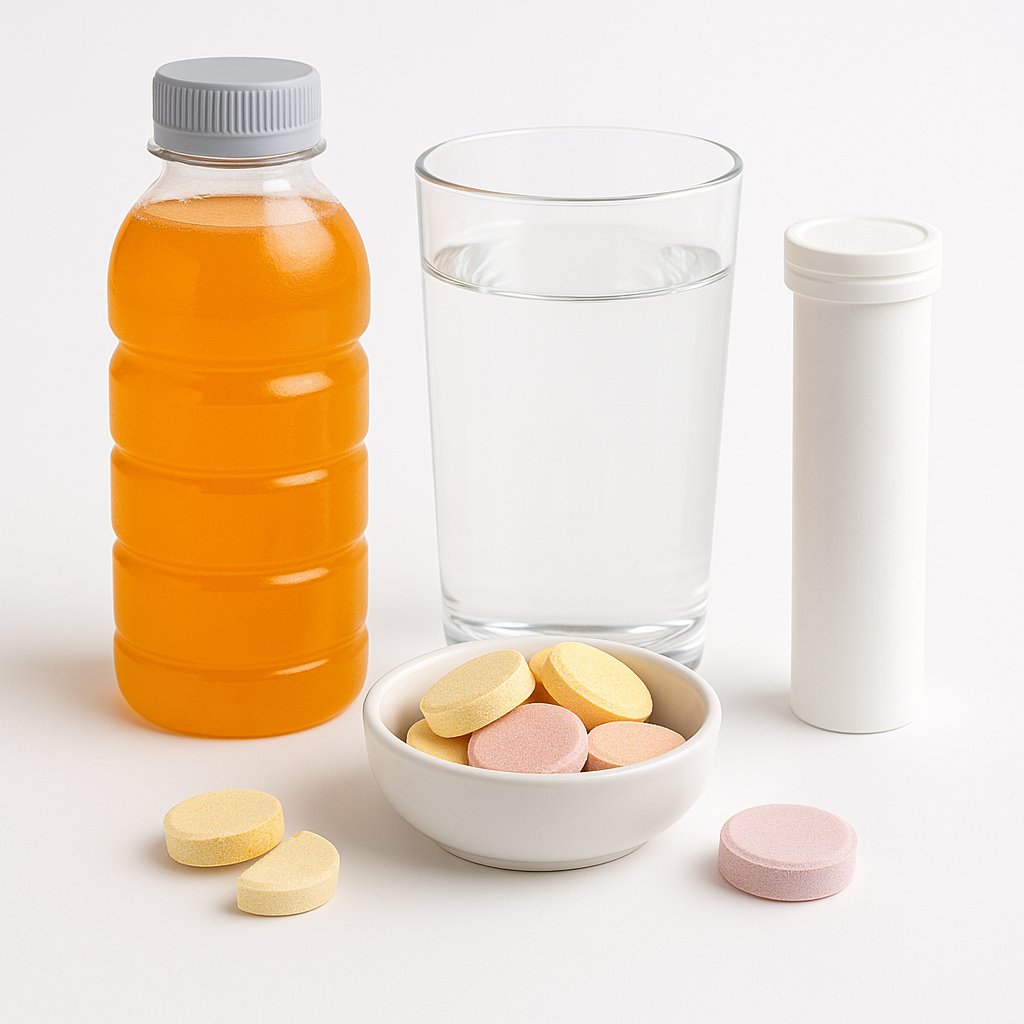
Very sugary sports drinks
They can be fine during prolonged athletic activity, but many are overkill for older adults using them as casual hydration support.
High-potassium formulas without medical context
This is not something to play with in people who have kidney disease, take ACE inhibitors, ARBs, potassium-sparing diuretics, or have a history of high potassium.
“Detox” hydration products
If the label looks like a spa menu, skip it.
When Older Adults Should Use Extra Caution
Talk to a clinician before using regular electrolyte supplements if there is:
- Heart failure
- Chronic kidney disease
- Cirrhosis
- Fluid restrictions
- Hyponatremia history
- Use of diuretics or blood pressure medications
Sometimes the right answer is more electrolytes. Sometimes it is less fluid. Sometimes it is urgent evaluation. Context matters.
FAQ
What is the best hydration supplement for seniors?
For everyday support, a moderate-sodium electrolyte powder is usually best. For dehydration from diarrhea or vomiting, an oral rehydration solution is usually the smarter choice.
Are electrolyte drinks safe for older adults?
Often yes, but not universally. People with kidney disease, heart failure, or fluid restrictions should be more careful.
Is plain water enough for seniors?
Sometimes yes for routine hydration, but not always during illness, heat exposure, or when sodium losses are significant.
What are dehydration signs in older adults?
Common signs include fatigue, dizziness, confusion, dry mouth, constipation, dark urine, weakness, and low blood pressure—but no single sign is perfectly reliable in older adults.
Are sugar-free electrolyte powders always better?
Not always. For routine use, maybe. For actual rehydration after GI illness, glucose-containing ORS often makes more physiological sense.
Sources and Studies
- Hooper L, et al. Hydration Status in Older Adults: Current Knowledge and Future Challenges. Nutrients. 2023. PMCID: PMC10255140.
- Understanding the use of oral rehydration therapy: A narrative review from clinical practice to main recommendations. PMCID: PMC9464461.
- StatPearls / NCBI Bookshelf. Adult Dehydration. Notes that oral rehydration therapy is preferred for mild-to-moderate dehydration in many cases.
Key Takeaways
- Aging reduces thirst signaling and kidney function, making older adults more vulnerable to dehydration — often before they feel thirsty.
- For everyday hydration support, a moderate-sodium electrolyte powder is usually the simplest and safest choice.
- For dehydration from illness, an oral rehydration solution (ORS) with glucose and sodium is often more effective than plain water or zero-sugar formulas.
- Older adults with heart failure, kidney disease, or fluid restrictions should consult a clinician before using electrolyte supplements regularly.
This article is for informational purposes only and does not constitute medical advice. Older adults with confusion, fainting, persistent vomiting, severe diarrhea, or signs of significant dehydration should seek prompt medical care.
Related Articles
- Best Hydration Supplements for Older Adults 2026
- Nitric Oxide Boosters for Older Adults
- Creatine Dosing Guide for Older Adults
Sources
- Volkert D, Beck AM, Cederholm T, et al. ESPEN guideline on clinical nutrition and hydration in geriatrics. Clin Nutr. 2019.
- Hooper L, Bunn D, Jimoh OF, Fairweather-Tait SJ. Dehydration in geriatrics: consequences and practical guidelines. Nutr Rev. 2023.
- Hydration Status in Older Adults: Current Knowledge and Future Challenges. Nutrients. 2023.
- Fluid Intake Recommendation Considering the Physiological Adaptations of Adults Over 65 Years: A Critical Review. Nutrients. 2020.
- Hydration Strategies in Older Adults. Adv Geriatr Med Res. 2025.