Best Iron Supplement: Forms Ranked by Absorption and Tolerability
Quick Answer: Iron bisglycinate is widely considered the best iron supplement form for most people — it absorbs nearly as well as ferrous sulfate but causes significantly fewer gastrointestinal side effects like constipation and nausea. The best choice for you depends on your form of iron deficiency, sensitivity to side effects, and whether you’re managing a condition like anemia or pregnancy.
Iron deficiency is the most common nutritional deficiency in the world, affecting an estimated 1.6 billion people globally according to the World Health Organization. Yet despite this prevalence, iron supplementation remains one of the most confusing areas of the supplement market — largely because the form of iron matters enormously, not just the dose. The difference between the right and wrong iron supplement can mean the difference between actually resolving your deficiency versus spending months dealing with constipation, stomach upset, and darkened stools while barely moving the needle on your iron stores.
This guide ranks and compares the major iron supplement forms based on the clinical evidence — absorption rates, tolerability, cost, and who each form is best suited for.
Do You Actually Need an Iron Supplement?
Before comparing forms, it’s worth establishing whether supplemental iron is actually warranted. Iron is unusual among minerals in that the body has no regulated mechanism for excreting excess iron — once it’s absorbed, it stays. Iron overload (hemochromatosis) is a real clinical concern and can cause organ damage over time. This means iron supplementation should ideally be guided by actual laboratory testing rather than self-diagnosis.
The relevant tests are:
Serum ferritin: The most sensitive indicator of iron stores; levels below 12 ng/mL are diagnostic of deficiency in most guidelines, and levels below 30 ng/mL are increasingly recognized as “functional deficiency” where symptoms can occur
Serum iron and TIBC (total iron binding capacity): Together these show how much iron is circulating and how much more the blood could carry
People who commonly test low in iron and may benefit from supplementation include:
Women with heavy menstrual periods: Blood loss is the most common cause of iron deficiency in premenopausal women
Pregnant and breastfeeding women: Iron requirements increase dramatically during pregnancy (27 mg/day vs. the typical 18 mg/day for adult women)
Vegetarians and vegans: Plant-based non-heme iron is significantly less bioavailable than heme iron from meat
Endurance athletes (especially female runners): Exercise-induced hemolysis and heavy sweating increase iron losses; sports anemia is common
People with gastrointestinal conditions: Crohn’s disease, celiac disease, and gastric bypass surgery all impair iron absorption
Understanding Iron Bioavailability: Why Form Matters So Much
The critical concept in iron supplementation is bioavailability — the fraction of ingested iron that actually makes it into your bloodstream. This varies dramatically between forms:
Not all iron forms are created equal. Ferrous (Fe²⁺) iron is significantly more bioavailable than ferric (Fe³⁺) iron because it doesn’t require reduction by stomach acid before absorption. This is why conditions that reduce stomach acid (like H. pylori infection, proton pump inhibitor use, or achlorhydria) disproportionately impair iron absorption from ferric forms while having less impact on ferrous forms.
The amino acid chelation used in bisglycinate and other chelated forms adds another layer by protecting iron from dietary inhibitors (phytates, tannins, calcium) and from the alkaline conditions of the small intestine that would otherwise cause iron precipitation.
The Major Iron Supplement Forms: A Complete Comparison
Iron Bisglycinate — Best Overall
Iron bisglycinate (also called iron glycinate or ferrous bisglycinate) is iron chelated to two glycine molecules. This chelation accomplishes two important things: it protects the iron molecule from interactions that would reduce absorption, and it appears to use a different absorption pathway (the dipeptide transporter) in addition to the standard iron transporter, potentially enabling absorption even when standard iron absorption pathways are saturated.
A 2019 comparative trial published in Nutrients (Milman et al.) found that iron bisglycinate produced equivalent hemoglobin response to ferrous sulfate but with a significantly higher patient-reported tolerability. A meta-analysis in the European Journal of Haematology (2016) confirmed that bisglycinate forms demonstrated similar efficacy to ferrous sulfate for treating iron deficiency anemia, with fewer GI side effects across pooled data.
The practical advantages are significant: less constipation, less nausea, and no characteristic metallic taste or darkened stools (or at least much less so). For anyone who has failed to tolerate ferrous sulfate — which, anecdotally, describes a large proportion of people who try to supplement iron — bisglycinate is the logical alternative.
Typical dose: 25–36 mg elemental iron daily Best for: General iron deficiency, sensitive stomachs, women with heavy periods, vegetarians
Ferrous Sulfate — The Standard, But Hard to Tolerate
Ferrous sulfate is the most commonly prescribed iron supplement worldwide and the gold standard by which others are measured in clinical trials. It’s highly bioavailable, inexpensive, and well-studied. The problem is that roughly 25–40% of people who take standard doses experience clinically significant GI side effects — constipation, nausea, abdominal pain, and very dark (occasionally black) stools.
Research has also shown that higher doses don’t necessarily increase absorption proportionally. A study by Moretti et al. in Blood (2015) found that fractional iron absorption from ferrous sulfate was paradoxically higher at lower doses (20–40 mg) than at traditional higher doses (80–100 mg), because hepcidin (the hormone that regulates iron absorption) upregulates sharply after a high-dose bolus. This finding has led to some evidence that lower, alternate-day dosing may be more effective than once-daily high doses — and it’s much better tolerated.
Typical dose: 65–200 mg ferrous sulfate (15–65 mg elemental iron) daily Best for: People who can tolerate it, cost-conscious supplementation, clinical anemia under medical supervision
Ferrous Fumarate — A Middle-Ground Option
Ferrous fumarate contains approximately 33% elemental iron by weight (compared to ferrous sulfate’s 20%), making it a more compact option for achieving a target elemental iron dose. Its bioavailability is similar to ferrous sulfate, and its GI tolerability is modestly better, though still inferior to bisglycinate.
It’s a reasonable choice for those who can’t access bisglycinate easily or want a slightly gentler alternative to ferrous sulfate without the cost premium of chelated forms. Often found in prenatal vitamins where a specific elemental iron target is needed in a small number of capsules.
Carbonyl iron is an elemental iron powder produced through a specialized chemical reduction process that results in extremely small, pure iron particles. It’s absorbed more slowly than ferrous salts, requiring reduction by gastric acid before entering circulation. This slow absorption profile actually translates to gentler GI effects, though it also means bioavailability is lower and it’s less effective in people with reduced stomach acid.
Carbonyl iron may be useful in situations where even bisglycinate isn’t well-tolerated, or for people who need very high elemental iron doses and want to distribute the absorption over a longer period.
Typical dose: 45–60 mg elemental iron daily
Liquid Iron Supplements — Good for Absorption, Practical for Some
Liquid iron supplements (typically ferrous sulfate or ferric ammonium citrate in solution) offer some practical advantages: they can be more easily dosed precisely, they may absorb somewhat faster due to the dissolved state, and they’re excellent for children and people who cannot swallow capsules. Some people also find them easier to tolerate than solid-form ferrous sulfate, possibly because the liquid form disperses more readily.
The main downsides are taste (most liquid irons have an unpleasant metallic or tannin-like flavor), tooth staining (should be taken diluted and through a straw), and the inconvenience of liquid form. Floradix and similar products in the “gentle liquid iron” category often combine lower iron doses with herbal cofactors and vitamins, making them genuinely gentler — but their effectiveness for correcting significant iron deficiency may be limited.
Best for: Children, people who cannot swallow pills, mild deficiency with good tolerability
Iron Supplement Comparison Table
Form
Elemental Iron %
Bioavailability
GI Tolerability
Cost
Best For
Iron Bisglycinate
~20%
High
Excellent
Moderate
Most people, sensitive stomachs
Ferrous Sulfate
~20%
High
Poor–Moderate
Very Low
Cost-sensitive, clinical anemia
Ferrous Fumarate
~33%
High
Moderate
Low
Compact dosing, prenatal
Carbonyl Iron
100% elemental
Moderate
Good
Moderate
Very sensitive, high doses
Liquid Iron
Varies
Moderate–High
Good
Low–High
Children, pill-averse
Ferric (Fe³⁺) forms
Varies
Low
Variable
Moderate
Generally not first-choice
Absorption Tips: How to Maximize Iron Uptake
Even with the best-form iron supplement, absorption can be significantly influenced by what you take it with:
Take with Vitamin C
This is the single most important absorption-enhancing strategy for non-heme iron. Vitamin C (ascorbic acid) reduces ferric iron to ferrous iron in the gut, and creates a complex with iron that remains soluble at higher pH values. A study in the American Journal of Clinical Nutrition found that 100 mg of vitamin C taken simultaneously with iron increased non-heme iron absorption by 67% (Hallberg et al., 1989). Taking your iron supplement with a small glass of orange juice or a separate 100–250 mg vitamin C supplement is a simple and effective strategy.
Avoid Iron Inhibitors at the Same Meal
Several common dietary components significantly inhibit iron absorption:
Calcium: Strong inhibitor — avoid dairy and calcium supplements within 2 hours of iron
Tannins: Found in tea, coffee, red wine, and some grains — avoid these beverages around iron dosing
Phytates: Found in whole grains, legumes, and nuts — chelate iron in the gut
Polyphenols: Found in many plant foods; significant inhibitors of non-heme iron
Antacids and PPIs: Reduce stomach acid and impair absorption of ferrous forms
Consider Alternate-Day Dosing
As mentioned in the ferrous sulfate section, the Moretti et al. Blood (2015) study found that alternate-day dosing may paradoxically improve iron absorption by preventing the hepcidin upregulation that blocks iron absorption after a daily dose. This was confirmed in a 2017 follow-up study. For long-term deficiency correction (as opposed to acute anemia), alternate-day dosing is increasingly recommended.
Take on an Empty Stomach (if tolerated)
Iron absorption is typically higher when taken 30 minutes before a meal or between meals when stomach acid is highest and there are fewer dietary inhibitors present. However, many people cannot tolerate iron on a completely empty stomach — in this case, a small snack (but not a full meal with calcium-containing foods) is a reasonable compromise.
Iron Supplementation During Pregnancy
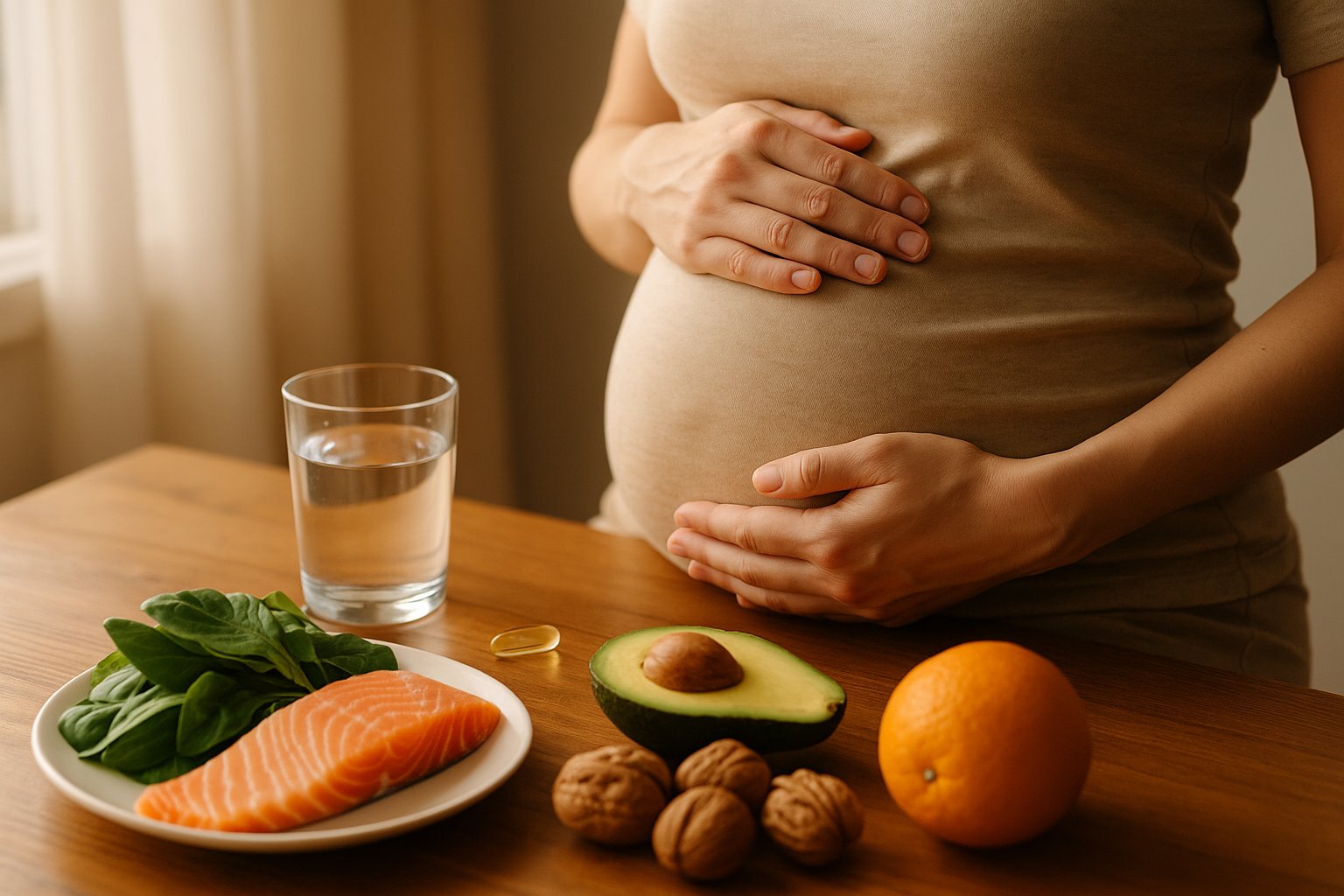
Pregnancy is a situation where iron requirements increase substantially — the RDA jumps from 18 mg/day for non-pregnant adult women to 27 mg/day during pregnancy, and actual absorption requirements are even higher. Iron deficiency anemia during pregnancy is associated with preterm birth, low birth weight, and increased maternal mortality risk, according to WHO data.
Most prenatal vitamins contain iron, typically as ferrous fumarate or ferrous sulfate. For women who cannot tolerate these forms, switching to a prenatal with iron bisglycinate can dramatically improve compliance. Intravenous iron infusion is an option for severe deficiency or very poor oral tolerance, and is now commonly offered as a day-clinic procedure.
Vitamin C supplementation alongside prenatal iron is safe and effective; calcium supplements should be separated by at least 2 hours.
Expected side effects at therapeutic doses of iron include:
Constipation: Very common with ferrous sulfate; much less so with bisglycinate. Staying hydrated and maintaining adequate fiber intake helps.
Dark or black stools: Normal and expected with iron supplementation — it doesn’t indicate GI bleeding. (Note: actual GI bleeding also produces dark stools, so if stools were dark before starting iron, investigate rather than assuming it’s the supplement.)
Nausea and stomach discomfort: Most common on an empty stomach; taking with a small snack usually resolves this.
Metallic taste: More common with liquid forms and ferrous sulfate.
Signs that warrant medical evaluation include:
Stools that are tarry, sticky, or have a very foul odor (possible GI bleed)
Severe abdominal pain
Symptoms that don’t improve after 8–12 weeks of supplementation (may indicate absorption issue or ongoing blood loss)
Symptoms of iron overload: joint pain, fatigue, skin bronzing, abdominal pain (only relevant with very high doses or genetic hemochromatosis)
Iron poisoning from accidental overdose is a serious concern in young children — keep iron supplements out of reach and use child-resistant packaging.
Also see our full guide on iron supplements for a product-level comparison.
Key Takeaways
Iron bisglycinate is the best iron supplement form for most people: similar efficacy to ferrous sulfate with significantly better GI tolerability
Ferrous sulfate is the clinical standard and most affordable, but GI side effects cause many people to discontinue
Taking iron with vitamin C (100 mg or more) can increase non-heme iron absorption by up to 67%
Avoid calcium, tea, coffee, and phytate-rich foods within 2 hours of iron supplementation
Alternate-day dosing may be more effective than daily dosing for long-term iron repletion in some people
Iron supplementation should be guided by laboratory testing — excess iron accumulates and can cause harm
Pregnant women need 27 mg elemental iron daily; bisglycinate forms are preferable for tolerability in this population
Frequently Asked Questions
How long does it take to correct iron deficiency with supplements?
Hemoglobin levels in iron deficiency anemia typically begin responding within 2–4 weeks, with meaningful improvements in 4–8 weeks. However, replenishing iron stores (ferritin) takes considerably longer — typically 3–6 months of consistent supplementation. Recheck labs at 3 months to assess progress.
Can I get enough iron from food alone without supplements?
It depends on the severity of the deficiency and your dietary choices. Heme iron from red meat and organ meats is highly bioavailable (15–35% absorbed); non-heme iron from plant sources is much less so (2–20%). Significant iron deficiency anemia almost always requires supplementation to correct in a practical timeframe, though maintaining iron status long-term through diet is achievable for many people once levels are restored.
Is iron bisglycinate safe for children?
Yes, iron bisglycinate is considered safe for children at age-appropriate doses. Its gentler profile makes it preferable to ferrous sulfate for pediatric use. Liquid iron bisglycinate products are available for infants and toddlers. However, all iron supplements pose overdose risk to young children — store securely and dose according to pediatric guidance from a healthcare provider.
Can I take iron with coffee or tea?
Not at the same time. Tannins in tea and coffee significantly inhibit iron absorption. Allow at least 1–2 hours between iron supplementation and tea or coffee consumption. Herbal teas generally contain fewer tannins (though some do), and coffee inhibits iron less than black tea but should still be separated from iron dosing.
What’s the difference between elemental iron and the total amount listed on a supplement label?
Supplement labels often list the total weight of the iron compound (e.g., “300 mg ferrous sulfate”) rather than the amount of elemental iron it provides. Ferrous sulfate provides about 20% elemental iron, so 300 mg ferrous sulfate = ~60 mg elemental iron. Iron bisglycinate typically provides about 20% elemental iron as well, so 150 mg iron bisglycinate = ~30 mg elemental iron. Focus on elemental iron when comparing doses.
Sources
WHO, “Iron Deficiency Anaemia: Assessment, Prevention and Control,” World Health Organization, 2001.
Milman, N., et al., “Ferrous bisglycinate 25 mg iron is as effective as ferrous sulfate 50 mg iron in prophylactic treatment of iron deficiency in pregnant women,” Nutrients, 2014.
Moretti, D., et al., “Oral iron supplements increase hepcidin and decrease iron absorption from daily or twice-daily doses in iron-depleted young women,” Blood, 2015.
Hallberg, L., et al., “The role of vitamin C in iron absorption,” European Journal of Clinical Nutrition, 1989.
Tolkien, Z., et al., “Ferrous sulfate supplementation causes significant gastrointestinal side-effects in adults,” PLOS One, 2015.
Cancelo-Hidalgo, M.J., et al., “Tolerability of different oral iron supplements,” Current Medical Research and Opinion, 2013.



Leave a Reply