

Quick Answer: Magnesium oxide is the most concentrated form of magnesium by weight but has the lowest absorption rate of any magnesium supplement — around 4% in some studies. It works best as a short-term laxative or occasional antacid rather than for correcting magnesium deficiency or supporting sleep, muscle function, or heart health. For those goals, forms like magnesium glycinate or citrate are far better choices.
Walk into any pharmacy or big-box supplement aisle and you’ll find magnesium oxide on nearly every shelf. It’s cheap, it packs a high elemental magnesium content per capsule, and the label numbers look impressive. Yet among the half-dozen or more common forms of magnesium supplements, magnesium oxide consistently ranks at or near the bottom for bioavailability — the amount your body can actually absorb and use.
That gap between what’s on the label and what actually enters your bloodstream isn’t a minor rounding error. In one of the most-cited comparison studies, magnesium oxide showed only about 4% fractional absorption compared to roughly 54% for magnesium citrate. That means if you’re taking a 500 mg magnesium oxide tablet, your body may absorb as little as 20 mg of actual magnesium — less than what you’d get from a handful of pumpkin seeds.
So why does magnesium oxide still exist? Why is it still sold? And when, if ever, does it make sense to use it? Those are the questions this guide answers — with research, not marketing copy.
Understanding Magnesium Oxide: The Basics
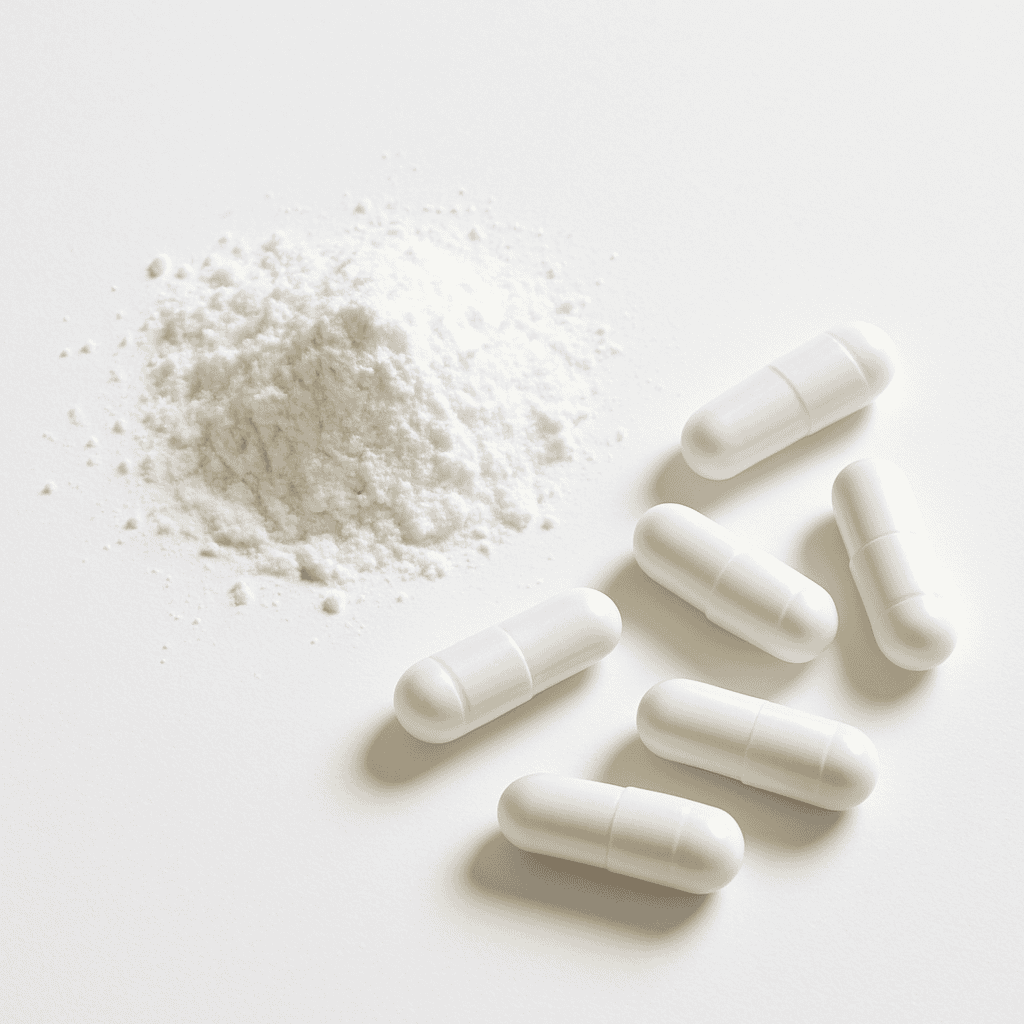
Magnesium oxide (MgO) is formed when magnesium metal is burned in oxygen or when magnesium carbonate or magnesium hydroxide is calcined (heated to high temperatures). The result is a white, powdery compound with one of the highest percentages of elemental magnesium by mass: roughly 60% by weight.
That 60% figure is what makes magnesium oxide look so attractive on paper. By comparison, magnesium glycinate contains about 14% elemental magnesium, and magnesium citrate contains about 16%. So to put 400 mg of elemental magnesium on a label, a manufacturer needs far less magnesium oxide than any other form — which means smaller capsules, lower raw material costs, and higher profit margins.
But elemental magnesium percentage is only relevant if your body can absorb it. The moment you swallow a magnesium oxide tablet, it enters a race against your gut environment. Magnesium oxide is poorly soluble in water and requires a highly acidic environment to dissolve into ionized magnesium that can be absorbed. Most people — especially those over 60, who often have reduced stomach acid — don’t maintain pH low enough for effective dissolution. The poorly soluble MgO passes through the GI tract largely intact, drawing water into the intestine along the way (the osmotic mechanism that makes it an effective laxative), and is excreted in stool rather than absorbed into circulation.
The Bioavailability Problem: What the Research Shows
The definitive study most often cited in this debate is a 2001 paper by Firoz and Graber published in Magnesium Research. They compared the urinary magnesium excretion — a proxy for systemic absorption — of four forms of magnesium: oxide, chloride, lactate, and aspartate. Magnesium oxide showed significantly lower urinary excretion, indicating substantially lower absorption. The fractional absorption estimate of approximately 4% for oxide vs. higher rates for organic forms has been cited in nutritional biochemistry textbooks since.
A more recent 2019 comparison study by Uysal et al., published in Biological Trace Element Research, directly compared magnesium oxide and magnesium citrate in healthy volunteers using serum and urine measurements. Magnesium citrate produced significantly higher serum magnesium increases and higher urinary magnesium excretion, confirming the bioavailability advantage of the organic salt form.
It’s worth noting that “bioavailability” in magnesium research is complicated by the body’s tight homeostatic control of serum magnesium levels. When intake exceeds need, kidneys rapidly excrete the excess — so urinary output overestimates total retained magnesium. But even accounting for these methodological nuances, the consistent finding across studies is that magnesium oxide underperforms other forms for the goal of raising tissue magnesium levels.
When Magnesium Oxide Actually Makes Sense
Despite its poor absorption profile for systemic mineral repletion, magnesium oxide is genuinely effective for two specific, local applications in the gastrointestinal tract:
As a Short-Term Laxative
Because magnesium oxide is poorly absorbed, it retains osmotic activity in the bowel. The unabsorbed magnesium ions draw water into the intestinal lumen, softening stool and stimulating bowel motility. This is the same mechanism as milk of magnesia (magnesium hydroxide) and magnesium citrate solutions used for constipation and bowel prep.
For occasional constipation, magnesium oxide tablets (typically 400–800 mg taken with plenty of water) can produce a bowel movement within 6–12 hours. The FDA has recognized magnesium oxide as a Category I (safe and effective) OTC laxative. For this specific use — not mineral correction, but mechanical relief of constipation — it’s a legitimate choice.
However, chronic use of any osmotic laxative, including magnesium oxide, can create laxative dependency and electrolyte imbalances. It should not be used daily for prolonged periods without medical supervision.
As an Antacid
Magnesium oxide also functions as an antacid, neutralizing stomach acid through the reaction MgO + H₂O → Mg(OH)₂ (magnesium hydroxide), which then reacts with HCl. This can provide temporary relief from heartburn and indigestion. The antacid effect is local and doesn’t depend on systemic absorption.
For infrequent heartburn, magnesium oxide is comparable to other magnesium-based antacids. However, if GI acid suppression is needed regularly, underlying causes should be addressed with a healthcare provider rather than relying on antacids long-term.
What Magnesium Oxide Is NOT Good For
Here’s where the marketing often parts company with the science. Many magnesium oxide supplements are sold with claims about sleep, relaxation, muscle function, heart health, blood pressure, migraines, and cognitive performance. These are real benefits of magnesium — but they depend on magnesium actually entering the bloodstream and tissues, which magnesium oxide does poorly.
Sleep and Relaxation
Magnesium’s role in GABA receptor modulation and neuromuscular relaxation requires adequate tissue levels. Studies on magnesium and sleep quality — including a 2012 RCT by Abbasi et al. in Journal of Research in Medical Sciences — used magnesium oxide but at doses high enough that even 4% absorption may have provided some incremental increase. The results were modest. Studies using better-absorbed forms like magnesium glycinate or magnesium threonate have generally shown stronger sleep effects. If sleep is your goal, oxide is not the optimal choice.
Muscle Cramps and Athletic Recovery
Athletes and active individuals looking to replenish magnesium lost through sweat and support muscle recovery need forms that actually raise plasma and intracellular magnesium. Magnesium glycinate and magnesium malate are better studied and better absorbed for this purpose. Magnesium oxide’s osmotic effect can also cause GI distress — diarrhea or loose stools — which is counterproductive for athletes in training or competition.
Migraine Prevention
A 2012 review in Headache by Sun-Edelstein and Mauskop noted that migraine sufferers often have lower intracellular magnesium and that IV magnesium supplementation can abort acute migraines. Oral supplementation as prophylaxis has mixed evidence but some positive signals. The key: this requires raising tissue magnesium levels, which oxide does inefficiently. The American Headache Society guidelines that reference magnesium supplementation for migraine prevention generally leave form unspecified, but neurologists using magnesium clinically typically reach for better-absorbed forms.
Correcting Magnesium Deficiency
True magnesium deficiency (hypomagnesemia) is documented in roughly 15% of the general population and much higher rates in people with type 2 diabetes, GI conditions, alcoholism, or those taking certain medications (proton pump inhibitors, diuretics). If you’re trying to correct an actual deficiency confirmed by blood testing, magnesium oxide is among the least effective oral options. Your healthcare provider may recommend magnesium glycinate, malate, or in severe cases, IV magnesium.
Forms of Magnesium Compared
Understanding where oxide fits requires a quick tour of the magnesium supplement landscape:
Magnesium glycinate: Magnesium bound to glycine. High absorption, gentle on the GI tract, well-tolerated at higher doses. Best for sleep, anxiety, and general magnesium repletion. Usually the recommendation for people sensitive to the laxative effects of other forms.
Magnesium citrate: Magnesium bound to citric acid. Good bioavailability (significantly better than oxide), mild laxative effect at higher doses, widely available. Good all-purpose choice for general supplementation.
Magnesium malate: Magnesium bound to malic acid. Involved in the Krebs cycle; sometimes preferred by people with fibromyalgia or fatigue. Decent absorption.
Magnesium threonate: Developed specifically to cross the blood-brain barrier. Emerging research suggests potential cognitive benefits. Premium price point.
Magnesium taurate: Magnesium bound to taurine. Proposed cardiovascular benefits; some interest for blood pressure support.
Magnesium chloride: Good bioavailability, used in topical magnesium products (sprays, oils) and some oral supplements.
Magnesium oxide: Highest elemental magnesium content by weight. Lowest absorption. Best for constipation relief and antacid use only.
For anyone shopping based on milligrams alone, magnesium oxide can seem like the obvious value buy. But milligrams of elemental magnesium on a label mean nothing if those milligrams stay in your GI tract.
Dosing and Safety Considerations
The Recommended Dietary Allowance (RDA) for magnesium is 310–320 mg/day for adult women and 400–420 mg/day for adult men. The Tolerable Upper Intake Level (UL) for supplemental magnesium is 350 mg/day — a threshold set not because higher amounts are toxic but because doses above this level frequently cause diarrhea and GI distress.
For magnesium oxide used as a laxative: typical OTC doses are 400–500 mg taken once daily or as directed, with adequate fluid.
For antacid use: as needed, per product labeling.
For anyone trying to use magnesium oxide as a general supplement for health benefits: the research doesn’t support this as an efficient use. You’d need to take very high doses to absorb meaningful amounts, and those doses would likely cause diarrhea before absorption catches up.
Magnesium in general is quite safe for people with normal kidney function — healthy kidneys excrete excess magnesium efficiently. However, in people with kidney disease or renal insufficiency, supplemental magnesium — especially the high doses often used with oxide — can accumulate to dangerous levels. Anyone with kidney impairment should not take magnesium supplements without medical supervision.
Drug interactions worth noting: magnesium can reduce the absorption of certain antibiotics (fluoroquinolones, tetracyclines), bisphosphonates, and some thyroid medications. Space these medications at least 2 hours from magnesium supplementation.
Who Is Most Likely to Actually Benefit from Magnesium Oxide
Given the above, here’s a realistic picture of who genuinely benefits from this specific form:
People with occasional constipation who prefer a non-stimulant laxative. Magnesium oxide is an osmotic laxative without the harsh stimulant action of senna or bisacodyl. For travelers, older adults, or postoperative patients with constipation, it’s a reasonable short-term tool.
People who experience heartburn occasionally and prefer a magnesium-based antacid over calcium carbonate (Tums) or aluminum-containing antacids.
People who cannot afford other forms and are taking it purely for constipation management rather than systemic magnesium support.
For everyone else — the athlete wanting muscle recovery support, the person struggling with sleep, the woman managing PMS symptoms, the person trying to correct a deficiency — a more bioavailable form will simply work better.
What Labels Don’t Tell You (But Should)
The FDA doesn’t require supplement labels to disclose bioavailability or absorption rates. A magnesium oxide label showing 400 mg of elemental magnesium is perfectly legal, even though the realistic absorbed amount is far lower than that of a competing product with the same label claim in magnesium glycinate.
This is a known gap in supplement regulation that leaves consumers to do their own research — or trust whoever is writing the product description. Being an informed buyer means looking past elemental magnesium content to the form listed in the Supplement Facts panel. If it says “magnesium oxide,” you now know what that means.
For a comprehensive look at which magnesium forms to choose for specific health goals, see our Magnesium Complex Guide and Magnesium Benefits for Women.
FAQ
Is magnesium oxide the same as magnesium?
No — magnesium oxide is a specific compound of magnesium bonded with oxygen. “Magnesium” as a supplement category includes many different compounds (oxide, glycinate, citrate, etc.) with very different absorption and effect profiles. Magnesium oxide has the highest elemental magnesium percentage by weight but is one of the least well-absorbed forms.
Can magnesium oxide help with sleep?
The evidence is weak for magnesium oxide specifically. Sleep benefits from magnesium depend on raising tissue magnesium levels, which requires good absorption. Magnesium glycinate or threonate are much better choices for sleep support.
Why is magnesium oxide so commonly sold if it’s poorly absorbed?
It’s significantly cheaper to manufacture than organic magnesium forms. The high elemental magnesium percentage per gram means manufacturers can make impressive label claims with less raw material. Consumer awareness of form-dependent bioavailability is still relatively low.
How much magnesium oxide should I take as a laxative?
Standard OTC laxative doses of magnesium oxide range from 400–800 mg. Always take with a full glass of water and do not use for more than a week without consulting a healthcare provider.
Is magnesium oxide safe to take daily?
For healthy adults with normal kidneys, occasional use is generally safe. Daily long-term use as a laxative can cause dependency and electrolyte issues. For daily magnesium supplementation, a better-absorbed form is recommended.
Does magnesium oxide raise serum magnesium?
It can, at high enough doses, but very inefficiently. The amount absorbed is so small relative to the label dose that you’d need very high supplemental doses to meaningfully raise serum levels — doses that would likely cause diarrhea first.
Key Takeaways
- Magnesium oxide has roughly 60% elemental magnesium by weight — the highest of any magnesium supplement form.
- Despite this, its bioavailability is among the lowest of all magnesium supplements, with some studies showing only ~4% fractional absorption.
- It is genuinely effective as a short-term laxative and as an antacid, where local GI action — not systemic absorption — is the goal.
- For sleep, muscle function, migraine prevention, blood pressure, anxiety, or correcting magnesium deficiency, more bioavailable forms (glycinate, citrate, malate, threonate) are significantly more appropriate.
- People with kidney disease should not take magnesium oxide without medical supervision due to accumulation risk.
- Labels showing elemental magnesium content do not tell you how much your body will actually absorb — form matters as much as dose.
Sources
- Firoz, M., and Graber, M., “Bioavailability of US commercial magnesium preparations,” Magnesium Research, 2001.
- Uysal, N., et al., “Timeline (Bioavailability) of Magnesium Compounds in Hours: Which Magnesium Compound Works Best?” Biological Trace Element Research, 2019.
- Abbasi, B., et al., “The effect of magnesium supplementation on primary insomnia in elderly,” Journal of Research in Medical Sciences, 2012.
- Sun-Edelstein, C., and Mauskop, A., “Role of magnesium in the pathogenesis and treatment of migraine,” Headache, 2009.
- Office of Dietary Supplements, NIH, “Magnesium — Health Professional Fact Sheet,” updated 2022.
- Walker, A.F., et al., “Mg citrate found more bioavailable than other Mg preparations in a randomised, double-blind study,” Magnesium Research, 2003.
- Guerrero-Romero, F., et al., “Oral magnesium supplementation improves insulin sensitivity in non-diabetic subjects with insulin resistance,” Diabetes & Metabolism, 2004.
- Schuchardt, J.P., and Hahn, A., “Intestinal Absorption and Factors Influencing Bioavailability of Magnesium — An Update,” Current Nutrition & Food Science, 2017.



Leave a Reply