
Quick Answer: Liquid iron supplements offer easier dose adjustment and may be better tolerated by people who experience GI side effects from iron tablets. They’re particularly useful for children, pregnant women, elderly individuals, and those with swallowing difficulties. The iron form used in the liquid matters enormously — ferric polymaltose and iron bisglycinate in liquid form have better GI tolerability than liquid ferrous sulfate. However, some research suggests liquid absorption isn’t always better than well-formulated capsules, so the main advantage of liquid iron is tolerability and flexibility, not necessarily superior bioavailability.
Iron deficiency is the world’s most common nutritional deficiency, affecting an estimated 2 billion people globally. In the United States, iron deficiency anemia affects approximately 5 million Americans, disproportionately affecting women of reproductive age, pregnant women, young children, and vegetarians/vegans. The symptom cluster is familiar but often subtle: fatigue, brain fog, shortness of breath on exertion, pale skin, brittle nails, restless legs, cold hands and feet, and poor exercise tolerance.
Treating iron deficiency requires replenishing the body’s iron stores over weeks to months — not just addressing the immediate anemia. And the form of supplemental iron used determines both how effectively that repletion occurs and whether the side effects are tolerable enough to maintain the regimen.
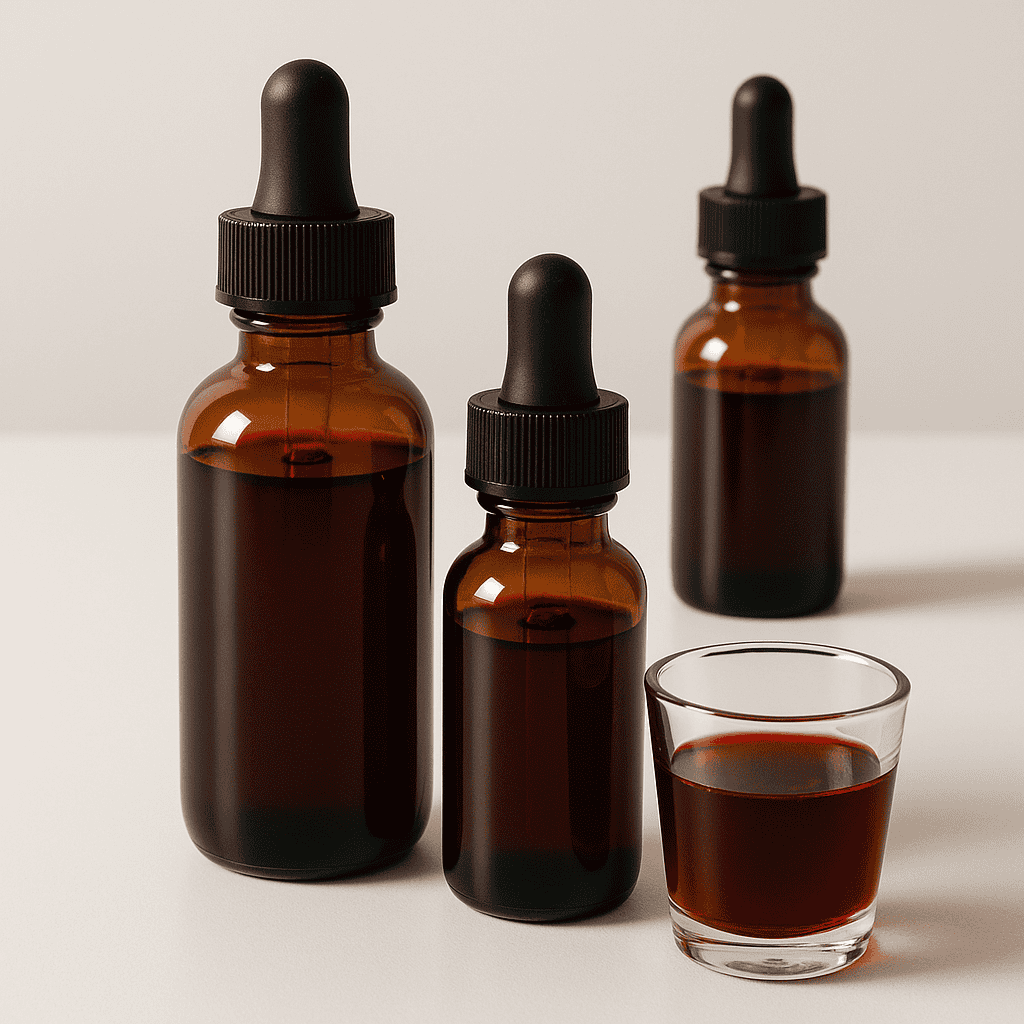
This guide covers liquid iron specifically: who it benefits most, which forms perform best, how to take it for maximum absorption, and how to compare it against iron capsules and tablets.
Why Iron Supplementation Is Often Complicated
The digestive system has a complex relationship with supplemental iron. Unlike some nutrients that absorb passively, iron absorption is tightly regulated — the duodenum controls how much iron enters the bloodstream based on body stores, inflammation status, and competing factors like phytates (from grains and legumes), polyphenols (from coffee and tea), and calcium.
Most oral iron supplements use iron salts that are absorbed in the ferrous (Fe²⁺) form. The most common is ferrous sulfate — cheap, widely used, and effective at raising hemoglobin, but notoriously hard on the gut. Ferrous sulfate generates reactive oxygen species in the GI tract, leading to oxidative stress in the intestinal lining. The result: nausea, constipation, diarrhea (sometimes both in the same person), abdominal cramping, and dark, metallic-smelling stools. These side effects are the primary reason people stop taking iron supplements before completing their repletion course.
This GI tolerability problem is where alternative iron forms and delivery formats — including liquid iron — enter the picture.
What Makes Liquid Iron Different?
The fundamental distinction of liquid iron is the delivery format, not necessarily the iron form itself. Liquid iron supplements can contain various iron forms:
- Ferrous sulfate in liquid: Same form as tablets, same side effect profile, but more flexible dosing. Common in pediatric formulations.
- Ferric polymaltose (IPC) in liquid: Iron bound to a polymaltose complex. Absorbed via a different mechanism than ferrous iron (doesn’t release free iron in the gut), significantly better GI tolerability, and no metallic taste. Trade-off: somewhat lower peak absorption rates in some studies compared to ferrous sulfate, though long-term repletion outcomes are often comparable.
- Iron bisglycinate in liquid: The chelated amino acid form. Among the gentlest on the GI tract and well-absorbed. Available in both capsule and liquid formats. See our detailed Iron Bisglycinate guide.
- Heme iron polypeptide (liquid): Derived from hemoglobin. Absorbed via a separate heme receptor pathway at much higher rates than non-heme iron — 15–35% vs. 1–15% for non-heme forms. Less commonly available in liquid form.
- Ionic iron / ferrous gluconate liquid: Some liquid products use ferrous gluconate, another ferrous salt with somewhat better tolerance than sulfate.
The format being liquid doesn’t automatically improve the iron or change its chemistry — what matters is which iron form the liquid contains.
The Real Advantages of Liquid Iron
Despite the nuance above, liquid iron genuinely offers specific practical advantages:
1. Precise dose titration. Many patients find that the GI side effects of iron supplementation are dose-dependent. Starting at a lower dose and gradually increasing allows the gut to adapt. Liquid formulas make this titration easy — you can start at a quarter or half dose and work up, something that’s awkward with solid tablets unless they’re scored.
2. Better for children. Pediatric iron supplementation almost always uses liquid formulations for obvious reasons. Iron drops and syrups designed for children provide age-appropriate doses without swallowing challenges.
3. Better for people with swallowing difficulties. Elderly individuals, people with dysphagia, or those recovering from oral surgery benefit from liquid options.
4. Faster dissolution. Liquids don’t need to dissolve in the stomach before absorption can begin. For people with low stomach acid (hypochlorhydria) — increasingly common in older adults and those taking proton pump inhibitors — liquid iron may absorb more reliably because the dissolution step is bypassed.
5. Some liquid forms (bisglycinate, IPC) have improved tolerability. When the better-tolerated iron forms are paired with liquid delivery, the result can be a significantly more comfortable supplementation experience.
The Disadvantages of Liquid Iron
Tooth staining. This is a meaningful practical concern. Liquid iron — particularly ferric polymaltose and ferrous sulfate — can stain teeth over time with repeated direct contact. Drinking through a straw, rinsing the mouth after taking liquid iron, or using diluted formulations reduces but doesn’t eliminate this risk.
Shorter shelf stability. Once opened, liquid iron supplements have shorter stability than solid forms, particularly if they contain no preservatives.
Taste. Liquid iron has a distinctive metallic or earthy taste that many people find unpleasant. Flavored versions improve compliance but can add sugar or artificial flavors.
Cost. Liquid iron supplements typically cost more per milligram of elemental iron than equivalent tablet forms.
Not universally superior in absorption. The liquid format alone doesn’t guarantee better absorption. A well-formulated iron bisglycinate capsule may absorb as efficiently as its liquid equivalent.
Dosing and Absorption Optimization
Adult iron deficiency anemia: Typical therapeutic doses are 100–200 mg elemental iron per day in divided doses (e.g., 60–100 mg twice daily). However, some recent research suggests that alternate-day dosing (e.g., every other day rather than daily) may improve total absorbed iron, because daily high-dose iron triggers hepcidin elevation — a hormone that reduces iron absorption for approximately 24 hours. Alternate-day dosing allows hepcidin levels to normalize.
A landmark 2015 study by Moretti et al. in Blood demonstrated that alternate-day iron supplementation in iron-depleted women produced comparable or superior iron absorption to daily dosing with significantly reduced side effects.
For maintenance or mild deficiency: Lower doses (15–65 mg elemental iron daily) are appropriate.
Take on an empty stomach when tolerable — iron absorbs best away from food. If GI side effects are problematic, take with a small amount of food (not dairy, coffee, tea, or antacids, which reduce absorption).
Vitamin C as an absorption enhancer: Vitamin C converts ferric iron (Fe³⁺) to the more absorbable ferrous form (Fe²⁺) and chelates iron in a form that resists phytate binding. Taking liquid iron with 250–500 mg vitamin C (or orange juice) meaningfully improves absorption of non-heme iron forms. This pairing is especially important for ferric polymaltose, which doesn’t spontaneously convert to Fe²⁺.
Avoid combining with: Calcium supplements (competitive absorption), antacids and PPIs (reduce stomach acid needed for ferrous salt conversion), tea and coffee (polyphenols inhibit iron absorption), and certain antibiotics (iron chelates quinolones and tetracyclines).
Who Benefits Most from Liquid Iron
Children and infants: Most pediatric iron supplementation uses liquid drops or syrups for dose accuracy and swallowing ease.
Pregnant women: Iron requirements increase dramatically during pregnancy (27 mg/day RDA vs. 18 mg/day for non-pregnant women). Many pregnant women experience morning sickness that makes large tablets difficult. Liquid iron — particularly bisglycinate or IPC formulations — provides gentler, flexible dosing.
Elderly individuals: Often have reduced stomach acid and swallowing challenges; liquid iron bypasses dissolution concerns.
People with GI conditions: Those with Crohn’s disease, IBD, celiac disease, or post-bariatric surgery have impaired iron absorption and/or GI sensitivity that makes solid iron tablets particularly problematic. Liquid formulations, especially bisglycinate or IPC, are better tolerated.
Anyone who has failed tolerance with tablets: If you’ve tried ferrous sulfate tablets and the side effects stopped your regimen, liquid iron in a better-tolerated form (bisglycinate or IPC) is worth trying before giving up on oral supplementation entirely.
Comparing Popular Liquid Iron Forms
| Form | GI Tolerance | Absorption Rate | Tooth Staining Risk | Best For |
|---|---|---|---|---|
| Liquid ferrous sulfate | Poor | High | Moderate | When cost is primary concern |
| Liquid ferrous gluconate | Moderate | High | Moderate | Budget-conscious, better than sulfate |
| Liquid ferric polymaltose (IPC) | Excellent | Moderate | Higher | Sensitive guts, children |
| Liquid iron bisglycinate | Excellent | High | Low | Best all-round tolerability |
| Liquid heme iron polypeptide | Excellent | Very high | Minimal | Maximum absorption needed |
What to Look for When Buying Liquid Iron
- Iron form disclosed clearly: Avoid products that just say “elemental iron” without specifying the form. Form determines everything about how the product behaves.
- Elemental iron content per dose: Compare on elemental iron (mg), not the compound weight. A product with 325 mg ferrous sulfate provides 65 mg elemental iron — the elemental amount is what matters.
- Vitamin C included or recommended: Some liquid iron products incorporate vitamin C in the formula; others require you to add it.
- Taste and flavoring: If you’ll be taking it daily for months, flavor matters for compliance. Try single-serving formats before committing to a large bottle.
- Preservative disclosure: Check for allergens and additives that might be concerns for your specific situation.
- Third-party testing: Heavy metal contamination (lead, arsenic) is a real concern in some supplement categories including iron; look for third-party certification.
FAQ
Is liquid iron better than iron tablets?
Liquid iron isn’t categorically better — the iron form used matters more than the delivery format. The advantages of liquid are dose flexibility, easier swallowing, and potentially better tolerance for people with low stomach acid. If you need iron and tolerate tablets well, a quality iron bisglycinate capsule is comparable to its liquid counterpart.
Does liquid iron stain teeth?
Yes, liquid iron can stain teeth, particularly iron polymaltose and ferrous sulfate formulations. Drink through a straw, rinse your mouth immediately after taking it, and brush teeth within 30 minutes to minimize staining risk.
How long does it take liquid iron to raise hemoglobin?
With consistent supplementation at therapeutic doses, hemoglobin typically begins to rise within 2–4 weeks. Normalization of hemoglobin takes 1–2 months; replenishing iron stores (ferritin) requires an additional 3–6 months of continued supplementation. Stopping when hemoglobin normalizes without completing ferritin repletion is the most common reason for relapse.
Can I take liquid iron with orange juice?
Yes — this is actually recommended. Orange juice provides vitamin C, which significantly enhances iron absorption by reducing ferric iron to ferrous form. Avoid taking iron with milk, coffee, or tea, which inhibit absorption.
Is liquid iron safe during pregnancy?
Yes, when used at appropriate doses under obstetric guidance. Liquid iron bisglycinate or iron polymaltose formulations are particularly appropriate during pregnancy due to their improved GI tolerability. Most prenatal vitamins contain some iron, but iron-deficient pregnant women typically need additional supplementation beyond the prenatal dose.
Key Takeaways
- Liquid iron’s primary advantages are dose flexibility, ease of swallowing, and better absorption in people with low stomach acid — not categorically superior bioavailability over capsule equivalents.
- The iron form matters more than the delivery format. Liquid ferrous sulfate has the same poor GI tolerability as the tablet. Liquid iron bisglycinate or IPC offers significantly better tolerability.
- Drink liquid iron through a straw and rinse your mouth afterward to minimize tooth staining.
- Take with vitamin C (250–500 mg) for enhanced absorption; avoid concurrent calcium, coffee, tea, and antacids.
- Alternate-day dosing (every other day) may be as effective as daily dosing with fewer side effects, due to hepcidin dynamics.
- Complete the full repletion course through normalized ferritin, not just normalized hemoglobin — this typically takes 4–8 months of supplementation.
- Children, pregnant women, elderly individuals, and those with GI conditions are the best candidates for liquid iron formulations.
Sources
- Moretti, D., et al., “Oral iron supplements increase hepcidin and decrease iron absorption from daily or twice-daily doses in iron-depleted young women,” Blood, 2015.
- Tolkien, Z., et al., “Ferrous sulfate supplementation causes significant gastrointestinal side-effects in adults: a systematic review and meta-analysis,” PLOS ONE, 2015.
- Zijp, I.M., et al., “Effect of tea and other dietary factors on iron absorption,” Critical Reviews in Food Science and Nutrition, 2000.
- Cancelo-Hidalgo, M.J., et al., “Tolerability of different oral iron supplements: a systematic review,” Current Medical Research and Opinion, 2013.
- Bagna, R., et al., “Efficacy of Supplementation with Iron Sulfate Compared to Iron Bisglycinate Chelate in Preterm Infants,” Current Pediatric Reviews, 2018.
- Office of Dietary Supplements, NIH, “Iron — Health Professional Fact Sheet,” updated 2023.
- Lam, J.R., et al., “Proton pump inhibitor and histamine 2 receptor antagonist use and vitamin B12 deficiency,” JAMA, 2013.
Recognizing the Signs of Iron Deficiency Before It Becomes Anemia
Iron deficiency exists on a spectrum. The earliest stage — iron depletion — is when ferritin (iron stores) falls below optimal levels but hemoglobin remains normal. At this stage, many people feel subtly fatigued, have reduced exercise tolerance, and notice brain fog, but standard blood tests may show no anemia. This stage can persist for months or years before progressing.
The second stage — iron-deficient erythropoiesis — occurs when iron stores are insufficient to meet the demands of red blood cell production. Red cells start becoming smaller and paler (microcytic, hypochromic). This is detectable on a complete blood count as reduced MCV and MCH values.
Only the third stage — iron deficiency anemia — shows the classic low hemoglobin that most clinicians recognize and treat. By this point, symptoms are often significant.
Practical implication: Don’t wait for anemia to consider iron supplementation. If ferritin is below 30 ng/mL (or especially below 15 ng/mL) with symptoms of fatigue, cognitive fog, restless legs, or poor exercise recovery, iron supplementation is warranted even with normal hemoglobin. Liquid iron’s dose flexibility makes it particularly useful for the gradual repletion appropriate for the earlier stages.
Iron and Hair Loss: An Underappreciated Connection
Hair loss (telogen effluvium) is one of the more common presentations of iron deficiency that goes unrecognized. Iron is required for cell division in hair follicle matrix cells — when stores are low, hair follicles may shift from the active growth phase (anagen) to the resting phase (telogen) prematurely, causing increased shedding.
Many dermatologists now check ferritin in patients presenting with diffuse hair thinning, and aim to bring ferritin above 70 ng/mL for optimal hair follicle support — well above the 12–15 ng/mL cutoff typically used for anemia diagnosis. For women with hair loss and suboptimal ferritin, liquid iron bisglycinate at a tolerable daily dose with consistent use over 4–6 months is a common approach.

Leave a Reply