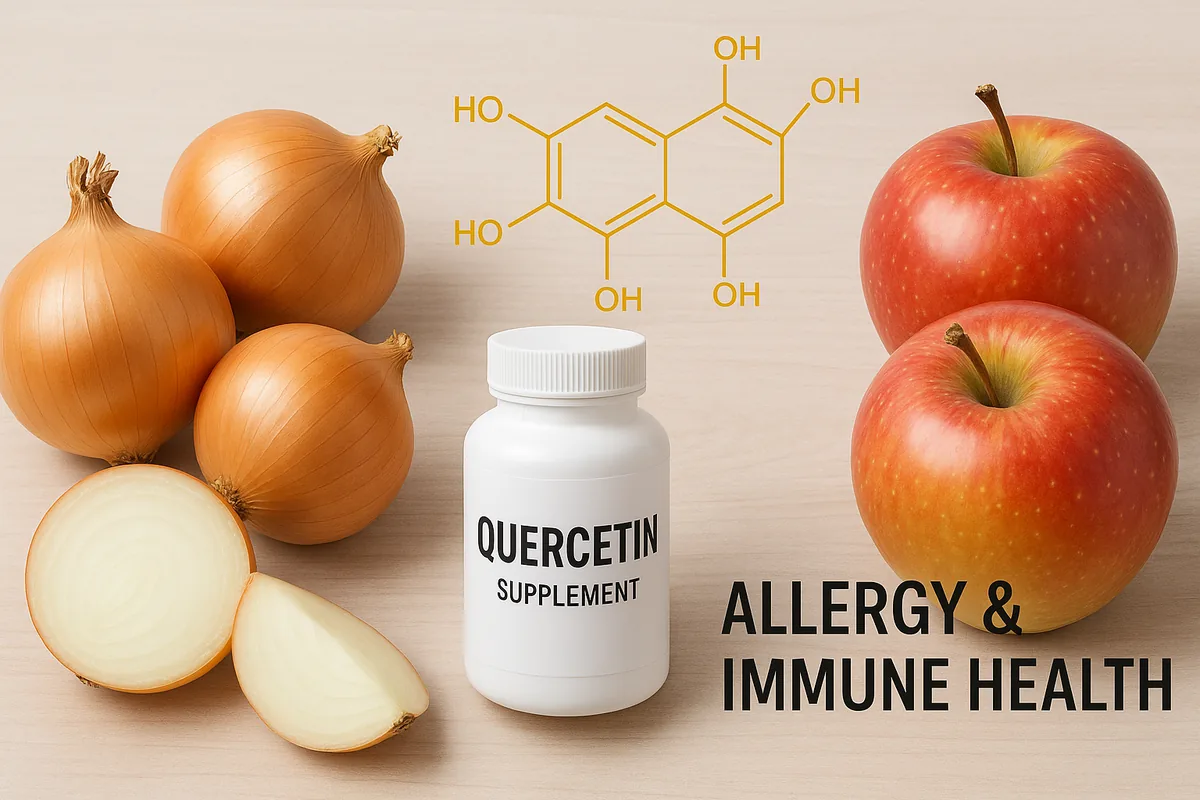

Quercetin is one of the most abundant flavonoids in the human diet – found in onions, apples, berries, green tea, and capers. It’s also one of the most studied natural compounds for antioxidant and anti-inflammatory activity. In the context of stomach protection, the preclinical data is genuinely interesting. But “interesting preclinical data” is not the same thing as “proven clinical benefit,” and that distinction matters when making supplement decisions.

Quercetin is a flavonoid found in onions, apples, and berries with potent antioxidant and anti-inflammatory properties that have shown gastroprotective activity in preclinical models. Animal studies demonstrate that quercetin reduces ethanol-induced and stress-induced gastric mucosal damage, inhibits H. pylori growth in vitro, and suppresses the NF-?B inflammatory pathway in gastric epithelial cells. However, direct human clinical trial evidence specifically for stomach/gastric protection is minimal – most evidence comes from animal models and in vitro cell culture. Quercetin’s bioavailability (2-17% standard absorption) further complicates translation from animal to human efficacy. The practical verdict: quercetin is a reasonable adjunct for general gut health, not a proven gastroprotective treatment.
- Quercetin inhibits NF-?B activation in gastric epithelial cells, reducing pro-inflammatory cytokine production (IL-1?, IL-6, TNF-?) – the same inflammatory cascade that drives gastric mucosal injury from H. pylori and NSAIDs.
- In vitro studies show quercetin inhibits H. pylori adhesion to gastric mucosa by competing for the same Lewis b blood group antigen binding sites used by the bacterium – a potentially meaningful anti-adhesion mechanism that has not been confirmed in human trials.
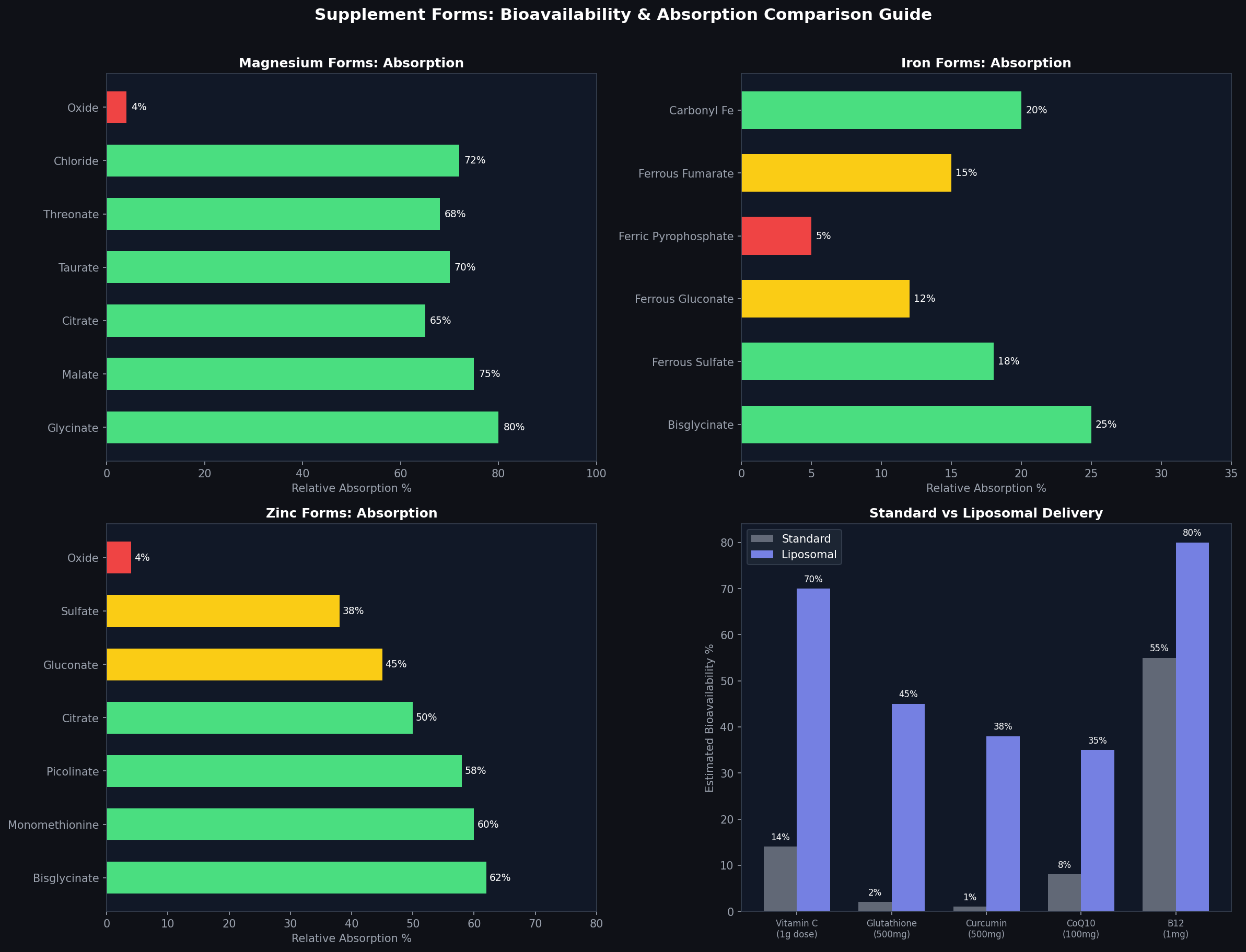
- Quercetin’s standard oral bioavailability is 2-17% – much of the ingested dose is metabolized in the gut before reaching systemic circulation. Quercetin phytosome (complexed with sunflower phospholipids) and liposomal formulations increase absorption 5-20x; food-matrix quercetin (onion, apple) may have different bioavailability than isolated supplemental quercetin.
- Bioflavonoids from citrus (hesperidin, naringenin, rutin) and other plant sources complement quercetin’s gastroprotective potential – hesperidin has independent anti-ulcer activity in rodent models and rutin (quercetin-3-rutinoside) shows strong gastric mucosal protection in stress ulcer models.
- For individuals already taking quercetin for other reasons (allergies, immune support, endurance recovery), the incidental gastric benefits are a reasonable bonus – but quercetin should not be substituted for proven GI treatments (zinc carnosine, PPIs, H. pylori eradication).
What the Animal Research Shows
The gastric-protective case for quercetin is built primarily on animal models, and it’s a reasonably strong foundation at that level.
Ethanol-Induced Ulcer Models
Multiple studies have demonstrated that quercetin at 50-100 mg/kg significantly reduced ethanol-induced gastric injury in rats. The protective effect was dose-dependent and in some assays comparable to established pharmaceutical gastroprotective agents used as controls. These results have been replicated across different labs, which gives them some credibility.
Stress-Induced Ulcer Models
Quercetin has shown protective effects against stress-induced gastric ulcers in animal models, likely through its antioxidant capacity – stress ulcers involve significant oxidative damage to the gastric mucosa, and quercetin is a potent antioxidant.
Mechanisms Identified in Preclinical Research
- Antioxidant activity – quercetin scavenges free radicals and reactive oxygen species at ulcer sites, which are heavily involved in mucosal damage
- Anti-inflammatory effects – reduces pro-inflammatory cytokine expression (including NF-?B activation), which drives much of the tissue destruction in gastric inflammation
- Possible H. pylori inhibition – in vitro studies show quercetin can inhibit H. pylori growth, though the concentrations required may not be realistically achievable through oral supplementation
- Mucosal cell modulation – one study demonstrated quercetin modulated gastric mucosal cell proliferation via the ROS-nitric oxide pathway in an ethanol-injury rat model
The Gap: No Human Ulcer Trials

This is where honesty becomes essential. Despite the promising animal data:
- No randomized controlled trial has tested quercetin specifically for gastric ulcer prevention or healing in humans
- No dose-response data exists for gastric protection in humans
- Bioavailability is a major confound – quercetin has notoriously poor oral absorption (estimated 2-17% in various studies), raising serious questions about whether enough reaches the gastric mucosa to replicate animal model effects
- No pharmacokinetic studies have measured quercetin concentrations at the gastric mucosal level after oral supplementation in humans
The animal model doses (50-100 mg/kg) would translate to extremely high human doses if scaled directly. Species differences in quercetin metabolism make this translation unreliable in either direction.
Quercetin and Bioflavonoids: The Broader Picture
Quercetin doesn’t exist in isolation. In whole foods, it’s consumed alongside other flavonoids – rutin, kaempferol, myricetin, and various anthocyanins – that may have synergistic effects on gut health. Some research suggests the combination of bioflavonoids from whole plant sources outperforms isolated quercetin supplementation, though this hasn’t been well-studied for gastric endpoints specifically.
Rutin, a quercetin glycoside found in buckwheat and citrus, has shown mucosal-protective effects in animal models and has stronger water solubility than aglycone quercetin – which may make it more accessible to the gastric mucosa. But again, human clinical data for this specific endpoint is absent.
What About Quercetin for General Gut Health?
Outside of the specific ulcer context, quercetin has somewhat broader human evidence worth noting. Anti-inflammatory effects have been demonstrated in human supplementation studies for other conditions. Several trials show reduction in inflammatory markers (CRP, IL-6) in metabolic syndrome populations taking quercetin at 500-1000 mg/day. Some practitioners use quercetin clinically as part of anti-inflammatory protocols for food sensitivities and intestinal permeability support.
None of this translates directly to gastric ulcer protection, but it does support quercetin’s general profile as an anti-inflammatory compound with real biological activity in humans.
Practical Guidance If You Want to Try It
Quercetin is generally well-tolerated with a strong safety profile at common supplement doses:
- Typical dose: 500-1,000 mg/day in divided doses
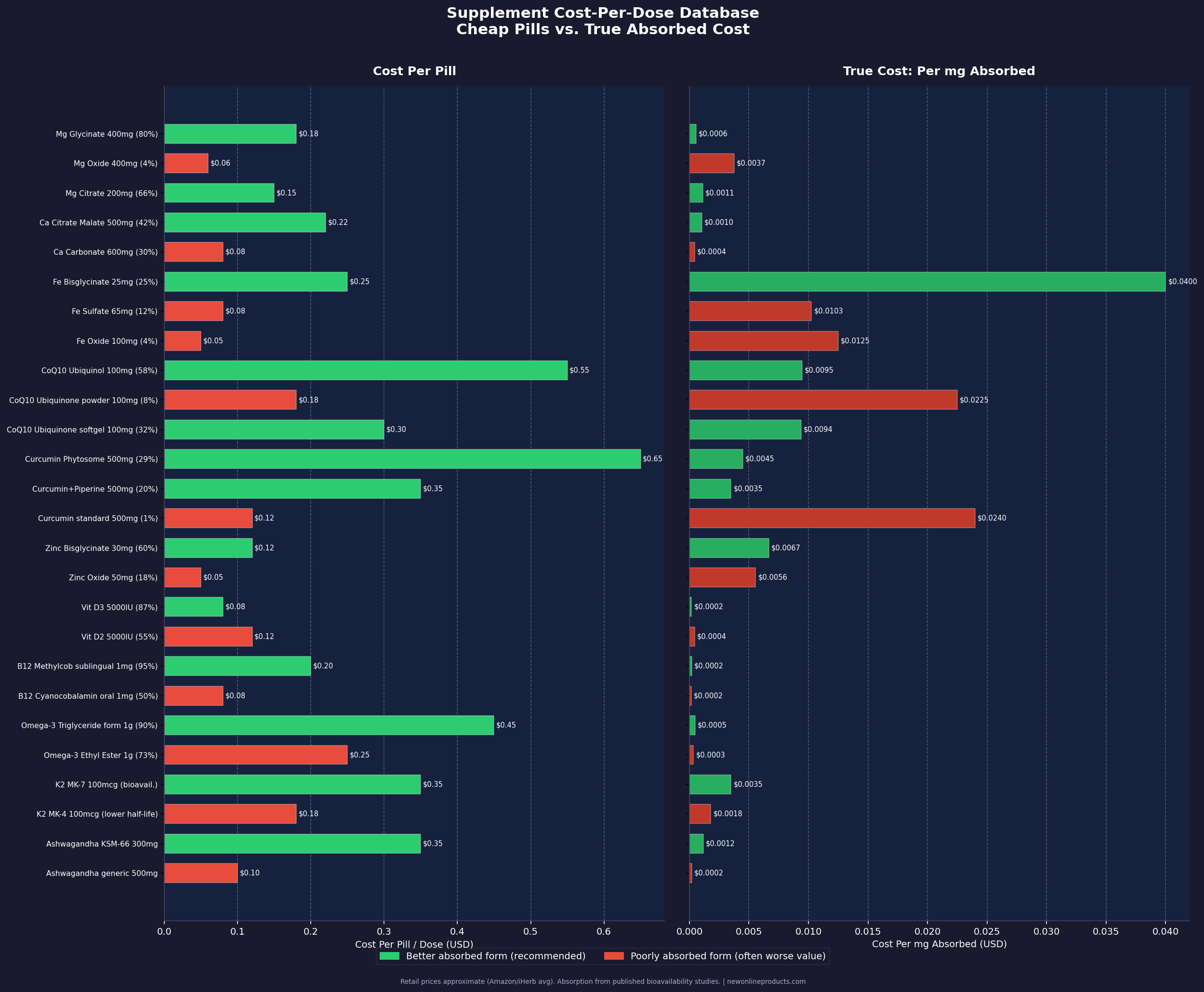
- Bioavailability tip: Take with a fat-containing meal. Products using quercetin phytosome (Quercefit) or paired with bromelain offer 20-50x better absorption than standard quercetin aglycone
- Don’t expect: Ulcer healing or protection comparable to zinc carnosine or PPIs – the evidence doesn’t support that claim
- Reasonable to expect: General antioxidant and anti-inflammatory support; possibly some gastric benefit that is plausible but not yet demonstrated
Drug Interactions to Know
Quercetin can affect the metabolism of certain medications – this isn’t trivial:
- May inhibit CYP3A4 and CYP2C9 enzymes, potentially increasing blood levels of drugs metabolized by these pathways
- May have additive antiplatelet effects with blood thinners
- Check with a pharmacist if you’re on regular prescription medications before starting high-dose quercetin
The Bottom Line
Quercetin for stomach protection is a “watch this space” compound. The biology is real – it genuinely has antioxidant, anti-inflammatory, and potentially gastroprotective properties based on preclinical data. The animal results are more than just theoretical noise. But without human clinical trials for gastric endpoints, recommending quercetin specifically for ulcer prevention or stomach lining support gets ahead of the evidence.
If you’re already taking quercetin for other reasons – allergy management, general inflammation support, or senolytic protocols – any gastric benefit is a plausible bonus. But don’t choose it over zinc carnosine or medical treatment for actual stomach concerns.
This content is for informational purposes only. If you have persistent stomach symptoms or suspect an ulcer, consult a healthcare provider.
FAQ
Does quercetin protect the stomach lining?
Quercetin shows convincing gastroprotective activity in animal models and cell culture – reducing mucosal injury from alcohol, NSAIDs, and H. pylori in preclinical systems. Human clinical trial evidence specifically for gastric protection is minimal. It is reasonable to include quercetin as part of a gut health protocol, but it is not an evidence-based treatment for peptic ulcers or gastritis on its own.
What is the best form of quercetin for absorption?
Quercetin phytosome (quercetin complexed with sunflower-derived phosphatidylcholine) significantly improves bioavailability – studies show 5-20x better absorption than standard quercetin powder. Liposomal quercetin and isoquercetin (quercetin-3-glucoside) also show improved absorption. For general supplementation, 500-1000 mg/day of phytosome or enzymatically-modified quercetin (EMIQ) is more effective per milligram than standard quercetin powder.
Can quercetin help with gastritis?
Quercetin’s anti-inflammatory and mucosal-protective properties are theoretically beneficial for gastritis, but clinical evidence is limited. For H. pylori-associated gastritis, standard medical treatment (antibiotics + PPIs) is required. Quercetin may support mucosal recovery alongside medical treatment as an adjunct. For non-H. pylori gastritis (NSAID-induced, autoimmune), zinc carnosine and DGL licorice have more direct evidence than quercetin.
Are bioflavonoids the same as quercetin?
Bioflavonoids is a broader term encompassing quercetin plus related flavonoids: hesperidin, rutin, naringenin, kaempferol, and others. Quercetin is a member of the flavonol subclass of bioflavonoids. Products labeled ‘bioflavonoid complex’ typically include quercetin alongside hesperidin and rutin, which may provide broader anti-inflammatory and vascular-protective benefits than quercetin alone.
Related Articles
- Zinc Carnosine (PepZin GI) for Stomach Protection
- Slippery Elm for Stomach Issues: Traditional Remedy
- Best Supplements for Stomach Lining Support in 2026
- Postbiotics for Travel and Sensitive Stomachs
- Gut Supplement Stack for Beginners
Sources
- Hybrid nanogel system of quercetin-loaded squalene NLCs with zinc-HA network for dry eye syndrome. International journal of biological macromolecules. 2026. PMID: 41802516.
- Preventing the harmful biofilm increase on the polylactic-acid/Mg surface by the addition of quercetin. International journal of biological macromolecules. 2026. PMID: 41297806.
- Quantum modeling of Stokes-Induced Stark Fields in quercetin-ZnO nanohybrids for bias-free bioelectric repair of chronic diabetic foot ulcers. Journal of molecular modeling. 2026. PMID: 41910795.
- Quercetin-loaded MgO nanoparticles in a chitosan/gelatin/PVA matrix enhance KGF1 expression and accelerate wound healing. Journal of biomaterials applications. 2026. PMID: 41248680.
- Quercetin induces ferroptosis in gastric cancer cells by targeting SLC1A5 and regulating the p-Camk2/p-DRP1 and NRF2/GPX4 Axes. Free radical biology & medicine. 2024. PMID: 38190923.