
Gut Supplement Stack for Beginners

A lot of gut-health advice sounds like you need six powders, three capsules, and a refrigerated subscription box before breakfast. You do not. If you are building a gut supplement stack for beginners, the smartest approach is usually the least glamorous one: start with the basics, add only what fits your symptoms, and avoid changing everything at once.

Most people do better with a simple foundation than an aggressive “microbiome reset.” Gut supplements can absolutely help, but the wrong stack can make bloating, gas, and confusion worse.
The beginner principle: solve the biggest problem first
Quick Answer: A good beginner gut supplement stack starts with one targeted probiotic (not a complex multi-strain blend), adds psyllium husk or a soluble fiber source, and includes magnesium glycinate for regularity. Start with these three before adding anything else. Digestive enzymes can be added at step four if specific food intolerances are an issue.
Before buying anything, ask one question: what is my main gut problem?
- daily bloating?
- constipation?
- post-antibiotic recovery?
- food-triggered discomfort?
- IBS-style symptoms?
Your stack should be built around that answer, not around whatever is trending on social media.
A simple gut supplement stack for beginners

1. Start with one foundational probiotic or one prebiotic fiber
For many beginners, the best first step is either a targeted probiotic or a gentle soluble fiber, not both at full dose on day one.
Good probiotic starting points
- a single-strain or clearly labeled evidence-based formula
- strains such as Lactobacillus rhamnosus GG or Bifidobacterium strains with human data
Good fiber starting points
- psyllium for stool regularity
- partially hydrolyzed guar gum for a gentler, low-bloating option
If constipation is the bigger issue, fiber may deserve priority. If microbiome disruption or antibiotic recovery is the concern, a probiotic may come first.
2. Add digestive enzymes only if meals trigger symptoms
Digestive enzymes are not a mandatory part of every gut stack. They belong in the plan when symptoms happen with specific meals or foods.
Best beginner use cases
- lactase for dairy intolerance
- alpha-galactosidase for beans and cruciferous vegetables
- a meal-time enzyme blend for heavy or fatty meals if clearly helpful
3. Consider postbiotic support if probiotics do not agree with you
Some people feel worse on traditional probiotics, especially when they start with high doses or complicated blends. A postbiotic may be a gentler option because it focuses on beneficial microbial compounds rather than large doses of live organisms.
This area is still newer than basic probiotic and fiber research, but it is worth considering if “more probiotics” has not worked for you.
4. Keep the rest boring and consistent
The best gut stack also includes non-supplement basics:
- enough water
- consistent meal timing
- adequate protein
- gradual fiber intake from food
- walking after meals
That is not exciting, but it is often what makes the supplements work better.
Sample beginner stacks by goal
For constipation-prone digestion
- psyllium or partially hydrolyzed guar gum
- optional probiotic with evidence for regularity
For post-antibiotic recovery
- targeted probiotic
- gentle prebiotic food intake if tolerated
For meal-triggered bloating
- digestive enzymes matched to trigger foods
- consider peppermint oil if IBS-like cramping is also present
For the very sensitive beginner
- start with half-dose soluble fiber or a low-dose targeted probiotic
- wait 1 to 2 weeks before adding anything else
What beginners usually do wrong
Starting with too many products
If you begin probiotics, prebiotics, enzymes, magnesium, greens powder, and apple cider vinegar all at once, you have created a science experiment with no control group.
Using giant probiotic doses too early
More CFUs do not always mean better results. Higher doses and complex blends can increase gas in some people.
Ignoring constipation
A lot of “gut issues” are really slow transit issues. If bowel movements are infrequent or incomplete, handle that first.
Expecting instant microbiome repair
Enzymes can work quickly. Fiber and probiotics usually need time and consistency.
How long to test a beginner gut stack
- digestive enzymes: a few meals to one week
- soluble fiber: 2 to 3 weeks with gradual dose increases
- probiotics: 2 to 4 weeks minimum
- postbiotics: product-dependent, usually a few weeks
Track symptoms simply: bloating, stool frequency, abdominal pain, and how you feel after meals.
Key Takeaways
- Start with one or two supplements rather than a complex multi-product stack.
- A targeted probiotic, soluble fiber (psyllium husk), and magnesium glycinate form a solid foundation.
- Give each supplement 4–8 weeks before judging effectiveness.
- Gut health improves most reliably with dietary changes alongside supplementation—supplements alone have limits.
- Avoid combining too many new products at once—it makes it impossible to identify what is helping.
- Track symptoms consistently so you can objectively assess progress rather than relying on memory.
Why Simplicity Matters for Beginners
The gut supplement market is overwhelming. Starting with too many supplements at once creates two problems: if you experience side effects, you cannot identify which product caused them; and if you feel better, you cannot identify which supplement is responsible. The disciplined approach is to introduce one new supplement, give it 4–6 weeks at a consistent dose, and evaluate before adding the next.
Step One: One Targeted Probiotic
Choose based on your primary complaint. For IBS with bloating and alternating bowel habits, use Lactobacillus plantarum 299v or Bifidobacterium infantis 35624. For post-antibiotic recovery, use Saccharomyces boulardii (a yeast-based probiotic unaffected by antibiotics). For general gut health and immune support, use a moderate-dose Lactobacillus and Bifidobacterium blend (10–30 billion CFU).
Step Two: Soluble Fiber
Supplemental soluble fiber—especially psyllium husk—is one of the most evidence-backed gut health interventions for regularity, healthy stool consistency, and feeding beneficial gut bacteria. Start with 1 teaspoon (3–4 g) mixed in a large glass of water once daily. Increase by 1 teaspoon per week. Always take with plenty of water—psyllium absorbs liquid rapidly and can cause problems if taken without sufficient fluid.
Step Three: Magnesium Glycinate
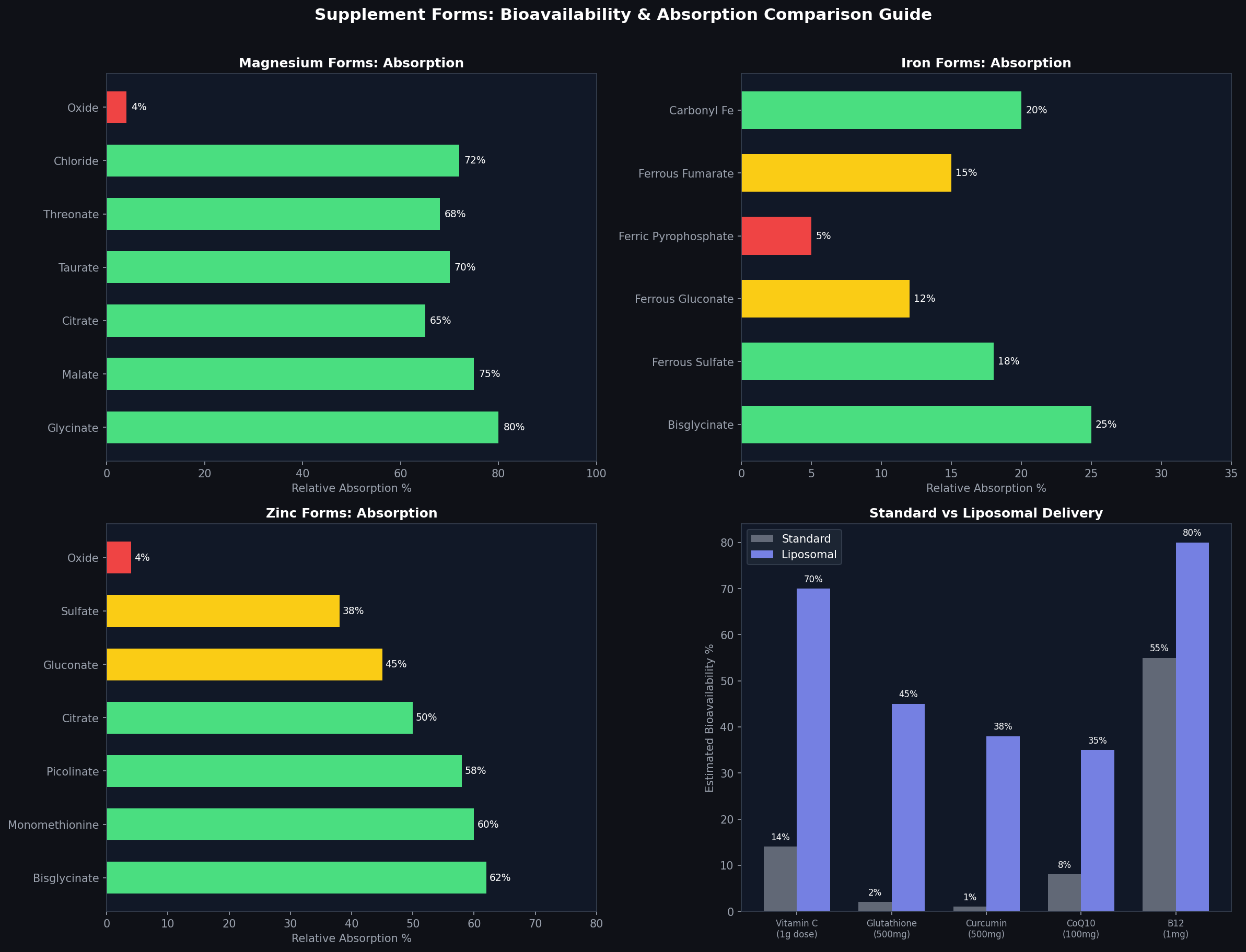
Magnesium glycinate is the most bioavailable and gut-friendly form of magnesium. At doses of 200–400 mg/day, it supports intestinal motility and relieves constipation without the cramping associated with magnesium oxide. Many people report better sleep quality as a side benefit.
Dietary Foundations Matter More Than Supplements
No supplement stack outperforms a diet rich in diverse plant foods, adequate protein, and consistent hydration. The evidence for dietary fiber, fermented foods (yogurt, kefir, sauerkraut), and limiting ultra-processed foods is far stronger than for any single supplement. Use the supplement stack as a support layer on top of dietary improvements, not a substitute for them.
Frequently Asked Questions
What is the best gut supplement for beginners?
Usually a targeted probiotic or gentle soluble fiber, depending on whether your main issue is microbiome disruption or constipation.
Should beginners take probiotics and prebiotics together?
Sometimes, but not always at first. Starting one at a time makes the response easier to interpret.
Is a gut supplement stack necessary if I eat well?
Not always. Supplements are tools, not requirements. Many people need only targeted support.
Can a beginner gut stack make bloating worse at first?
Yes, especially with fiber or high-dose probiotics. That is why slow titration matters.
References
- Gibson GR, et al. Expert consensus document: the International Scientific Association for Probiotics and Prebiotics consensus on the definition and scope of prebiotics. Nat Rev Gastroenterol Hepatol. 2017.
- Hill C, et al. Expert consensus document: the ISAPP consensus statement on the scope and appropriate use of the term probiotic. Nat Rev Gastroenterol Hepatol. 2014.
- Moayyedi P, et al. The effect of fiber supplementation on irritable bowel syndrome. Am J Gastroenterol. 2014.
- Khanna R, et al. AGA technical review on probiotics in gastrointestinal disorders. Gastroenterology. 2020.
- Lacy BE, et al. ACG clinical guideline: management of irritable bowel syndrome. Am J Gastroenterol. 2021.
This article is for educational purposes only and is not medical advice. Severe, persistent, or worsening digestive symptoms deserve proper evaluation rather than endless supplement cycling.
Related Articles
- Best Probiotic Strains for Constipation
- Postbiotic Blends for Gut Barrier Repair
- Prebiotics vs Probiotics: What’s the Difference?
- Butyrate Supplements for Gut Lining Support
- Best Postbiotics for Bloating
Sources
- National Institutes of Health Office of Dietary Supplements. Probiotics fact sheet for health professionals.
- Systematic reviews on probiotics and bloating. PubMed search.
- Reviews on digestive enzyme supplementation. PubMed search.
- Reviews on postbiotics and gut barrier function. PubMed search.
- Reviews on butyrate and gut health. PubMed search.