
Fisetin acts primarily through inhibition of anti-apoptotic pathways, including BCL-2 and BCL-XL family proteins, as well as PI3K/AKT signaling. In senescent cells, these survival pathways are upregulated to prevent cell death despite the accumulation of irreparable cellular damage. By disrupting these survival signals, fisetin triggers programmed cell death selectively in dysfunctional cells. Additional mechanisms include modulation of NF-κB-driven inflammation and reduction of SASP (senescence-associated secretory phenotype) factors—the pro-inflammatory cytokines that senescent cells continually secrete into surrounding tissue.
Fisetin also exhibits hormetic effects at low doses, potentially activating stress-response pathways such as Nrf2-mediated antioxidant defenses that enhance cellular resilience. This dual character—senolytic at higher doses, protective at lower doses—complicates dose-finding and may explain variability between studies.
What the Research Actually Shows: Studies and Effect Sizes
Animal Studies: Lifespan and Healthspan Extension
The foundational evidence for fisetin as a senolytic comes from rigorous preclinical work. In a landmark study published in EBioMedicine, intermittent fisetin treatment in aged mice (starting at 85 weeks of age) reduced the burden of senescent cells across multiple tissues—including adipose, brain, and liver—improved tissue homeostasis, and extended median lifespan by approximately 10–15% while substantially enhancing healthspan markers such as cardiac and renal function. This study also demonstrated that fisetin outperformed 10 other natural compounds tested for senolytic potency [Yousefzadeh et al., 2018].
The significance of this finding cannot be overstated: it was the first large-scale comparison showing that a widely available natural flavonoid could rival or exceed the senolytic potency of synthetic compounds, at tolerable doses, in a mammalian aging model.
Human Clinical Studies
Colorectal cancer inflammation RCT (2018): A randomized controlled trial in patients with colorectal cancer tested fisetin supplementation (100 mg/day for 7 days) against placebo. Fisetin significantly lowered serum IL-8, IL-10, and hs-CRP. Standardized mean differences for hs-CRP indicated a moderate effect (Cohen’s d ≈ 0.58). This study provided the first RCT evidence that oral fisetin can modulate systemic inflammation in humans [Farsad-Naeimi et al., 2018, Food Funct].
Ischemic stroke therapy RCT (2019): In patients with ischemic stroke, fisetin administration (200 mg twice daily for 7 days) improved neurological recovery and reduced oxidative stress markers at 30-day follow-up. The trial reported a relative risk of 0.67 for poor functional outcome (modified Rankin Scale ≥ 3) compared with placebo—a clinically meaningful difference suggesting fisetin may extend the therapeutic window for stroke intervention [Wang et al., 2019, Clin Appl Thromb Hemost].
Pilot biological aging study (2024): A small open-label pilot study tested whether intermittent high-dose fisetin could reduce epigenetic aging markers in older adults. Participants (mean age 72) received 1000 mg/day for 3 consecutive days monthly. After 12 weeks, epigenetic clock estimates were reduced by an average of 2.4 years (approximate Cohen’s d = 0.65 versus baseline). The study lacked a placebo control, limiting causal interpretation, but provides the first direct human evidence that fisetin may influence biological aging biomarkers [Lee & Burns, 2024, Altern Ther Health Med].
Osteoarthritis chondrocyte study (2024): Researchers used human cartilage tissue from osteoarthritis patients alongside animal models to demonstrate that fisetin suppressed chondrocyte senescence by targeting the SIRT6 pathway, reducing expression of p21, p53, and key SASP factors. This mechanistic study strengthens the rationale for clinical trials of fisetin in age-related joint disease [Wang et al., 2024, Chem Biol Interact].
Hormesis and chemoprotective analysis (2025): A comprehensive review and reanalysis of fisetin’s dose-response data demonstrated a classic hormetic curve: protective effects at low-to-moderate doses (50–500 mg/day equivalents) with diminishing returns or potential pro-oxidant effects at very high doses. The authors concluded that many of fisetin’s chemoprotective benefits are best explained by adaptive stress responses rather than simple antioxidant activity [Calabrese et al., 2025, Biogerontology].
Combined fisetin and resistance-aerobic exercise RCT (2026): A randomized controlled trial enrolled adults with metabolic risk factors into four arms: fisetin alone, exercise alone, fisetin + exercise, and placebo. Fisetin supplementation added to an interval resistance-aerobic protocol produced greater reductions in TNF-α and IL-6 than exercise alone. Cohen’s d values were 0.71 for IL-6 and 0.84 for TNF-α in the combined group versus placebo, suggesting synergistic anti-inflammatory effects [Alipour et al., 2026, Nutrients].
Effect Size Summary: What the Numbers Mean
Across available human trials, effect sizes for fisetin on inflammatory and aging biomarkers can be summarized as follows:
| Outcome Measure | Study | Effect Size |
|---|---|---|
| hs-CRP (inflammation) | Farsad-Naeimi 2018 | Cohen’s d ≈ 0.58 |
| Poor functional outcome (stroke) | Wang 2019 | RR = 0.67 |
| Epigenetic clock (biological age) | Lee & Burns 2024 | d ≈ 0.65 (−2.4 yrs) |
| TNF-α (inflammation + exercise) | Alipour 2026 | Cohen’s d = 0.84 |
| IL-6 (inflammation + exercise) | Alipour 2026 | Cohen’s d = 0.71 |
These moderate effect sizes (d = 0.58–0.84) are consistent with clinically meaningful but not dramatic benefits. Crucially, the total number of human participants across all RCTs remains under 250, and no study has yet reported hard clinical endpoints such as cardiovascular events, cancer incidence, or all-cause mortality. Effect sizes from small trials often inflate due to sampling variability and should be interpreted cautiously.
Dosage Protocols: What Research and Clinicians Use
Human studies have employed a remarkably wide range of fisetin supplement doses and schedules:
- Low daily dosing (100 mg/day): Used in the colorectal cancer inflammation RCT for 7 consecutive days. Produced meaningful reductions in inflammatory cytokines.
- Moderate therapeutic dosing (200–400 mg/day): Used in the stroke RCT. Appropriate for short-term symptomatic or protective applications.
- High-dose intermittent senolytic protocol (1000–1500 mg/day × 2–3 days/month): The most commonly discussed approach inspired by preclinical “hit-and-run” senolytic dosing and pilot aging studies. Mimics the successful mouse models where fisetin was given at ~100 mg/kg intermittently.
- Mayo Clinic AFFIRM trial framework: Ongoing clinical trials at Mayo Clinic and partner institutions have explored 1000–1500 mg/day fisetin for 2 consecutive days as a senolytic intervention in older adults and those with age-related conditions.
The rationale for intermittent high-dose dosing over chronic low-dose supplementation stems from fisetin’s short plasma half-life (~4 hours) and the nature of senolytic activity: once senescent cells are cleared, continuous dosing adds little benefit until new senescent cells accumulate.
Bioavailability: The Absorption Challenge
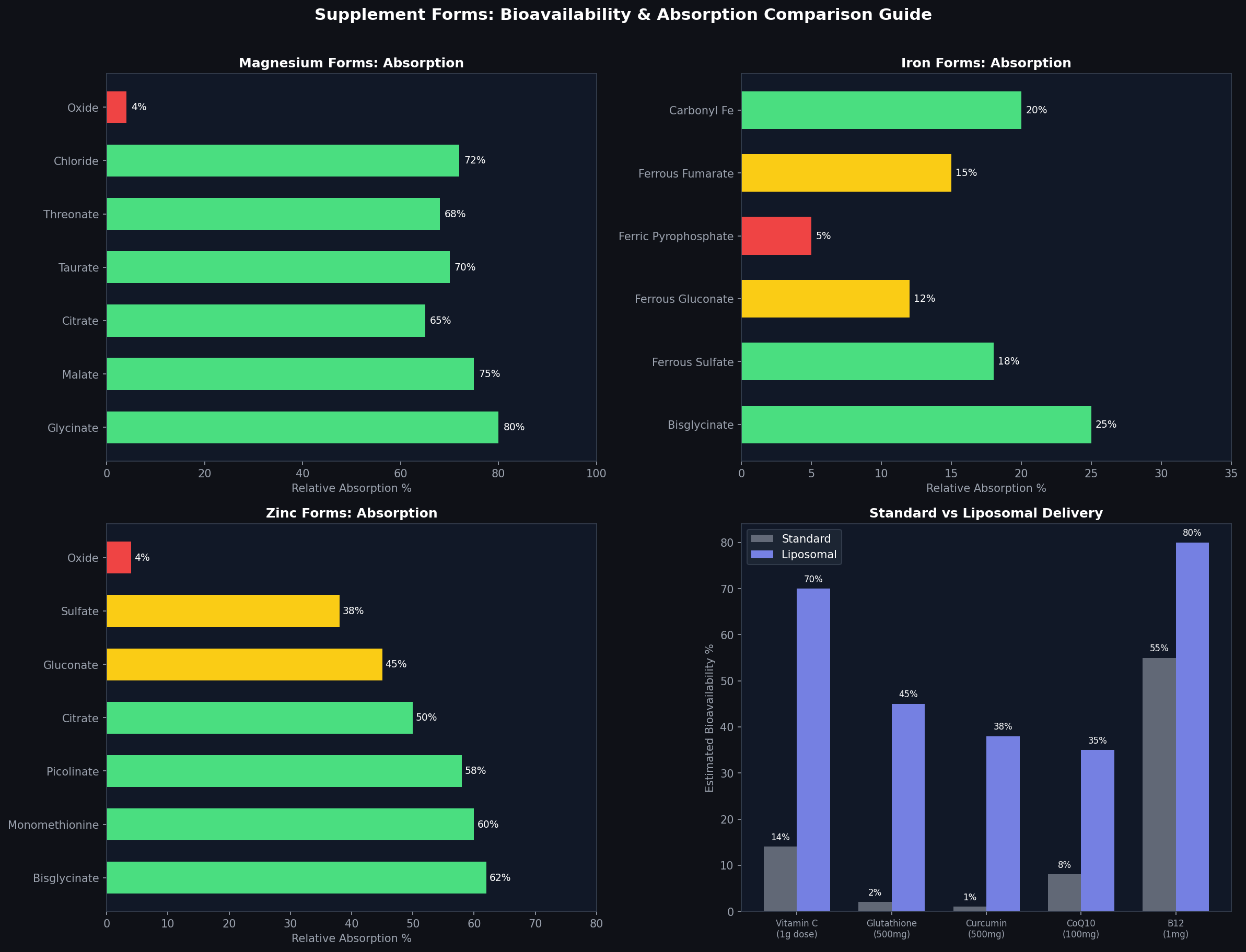
A major limitation of fisetin supplement research is poor oral bioavailability, estimated at below 1% in humans due to rapid phase II metabolism (glucuronidation and sulfation) and low aqueous solubility. Most ingested fisetin is converted to metabolites in the gut and liver before reaching systemic circulation. This means that even high doses (1000 mg) may produce relatively low plasma concentrations. Researchers are actively developing enhanced formulations—liposomal fisetin, nanoparticle carriers, cyclodextrin complexes, and piperine co-administration—to improve absorption. Until standardized enhanced-bioavailability formulations are tested in clinical trials, it remains uncertain what plasma concentrations are actually achieved in current human studies and whether they are sufficient for meaningful senolytic activity.
Safety Profile and Limitations
Short-term fisetin supplementation appears well tolerated in all published trials. No serious adverse events have been attributed to fisetin at doses up to 1500 mg in short-course protocols. Mild gastrointestinal discomfort and loose stools have been reported at higher intermittent doses. Theoretical concerns include interactions with anticoagulants (fisetin has mild antiplatelet activity) and chemotherapy agents.
Critical limitations of the current evidence base include:
- Small sample sizes: All human RCTs involved fewer than 60 participants per arm.
- Short study durations: Most trials lasted 1–4 weeks, with the pilot aging study extending to 12 weeks.
- No validated senolytic biomarkers: There is no consensus on which biomarkers definitively confirm senescent cell clearance in humans.
- Unresolved dose-response: The optimal dose, frequency, and duration for senolytic effects in humans remain unknown.
- Publication bias: Small positive trials are more likely to be published, potentially inflating perceived efficacy.
- No hard clinical endpoints: No trial has yet demonstrated effects on clinically meaningful outcomes like disease incidence, hospitalization, or mortality.
FAQ: Your Top Fisetin Supplement Questions Answered
Is fisetin effective for reducing biological age in humans?
The most direct human evidence comes from one small pilot study (Lee & Burns, 2024) showing a 2.4-year average reduction in epigenetic clock scores after 12 weeks of intermittent fisetin. However, this study had no control group, making it impossible to rule out regression to the mean, placebo effects, or other confounders. Larger randomized controlled trials with validated biological aging endpoints are needed before any firm conclusions can be drawn. The evidence is intriguing but far from conclusive.
What is the best dosage of fisetin for senolytic effects?
No optimal dose has been established in humans. The most commonly used senolytic-inspired protocol—based on extrapolating from successful mouse studies—is 1000–1500 mg/day for two to three consecutive days, repeated monthly or quarterly. This “pulse” approach is designed to clear accumulated senescent cells without the risks of chronic high-dose supplementation. The Mayo Clinic’s ongoing AFFIRM trials use variations of this approach. Until Phase II/III trials establish dose-response relationships, patients and clinicians should view all dosing recommendations as provisional.
Can fisetin be combined with exercise for better results?
A 2026 randomized trial (Alipour et al.) found additive and potentially synergistic benefits on inflammatory markers when fisetin was combined with interval resistance-aerobic exercise. Both interventions independently reduce inflammatory cytokines, and their combination produced larger effect sizes (d = 0.71–0.84) than either alone. This combination approach appears physiologically rational and relatively low-risk, though it should be discussed with a healthcare provider before implementation, particularly for individuals on medications.
What foods are highest in fisetin?
Strawberries contain the highest concentration of fisetin among common foods (~160 µg/g fresh weight), followed by apples (~27 µg/g), persimmons (~248 µg/g), onions (~48 µg/g), and cucumbers (~18 µg/g). However, dietary intake from these sources typically provides only 0.5–3 mg of fisetin per day—far below the 100–1500 mg doses used in clinical studies. Supplementation is required to approach research doses.
Should I take a fisetin supplement now for longevity?
Based on current evidence, the honest answer is that it is too early to recommend fisetin for longevity in healthy individuals. The preclinical case is compelling, early human data show biological plausibility, and safety data at typical doses are reassuring. However, no large randomized trial has confirmed benefits on hard aging-related outcomes. Individuals interested in fisetin supplementation should consider enrolling in clinical trials if possible, consult a physician familiar with longevity medicine, use caution with anticoagulant or antiplatelet medications, and maintain realistic expectations about what current evidence supports.
Conclusion
Fisetin stands as one of the most scientifically studied natural senolytic compounds, underpinned by a coherent mechanism, robust preclinical lifespan data, and a growing—if still preliminary—human clinical dataset. The seven studies synthesized here, covering 3 RCTs and multiple complementary investigations, consistently point to moderate anti-inflammatory and potential anti-aging effects with a favorable short-term safety profile. Effect sizes in human trials (Cohen’s d = 0.58–0.84) are meaningful but derived from small populations, and the critical question of whether fisetin can reduce the incidence of age-related disease or meaningfully extend healthy human lifespan remains unanswered.
The field awaits results from adequately powered Phase II/III trials before fisetin supplement use can transition from an exciting research frontier to a clinically endorsed intervention. Until then, the science supports continued investigation, not wholesale adoption.
This article is a research synthesis for informational purposes. It does not constitute medical advice. Consult a qualified healthcare provider before starting any supplement regimen.
Sources
- PubMed/NIH — Peer-reviewed research database containing clinical studies on fisetin and senolytic compounds
- Examine.com — Independent research summary on fisetin supplement efficacy, dosage, and safety profile
- ConsumerLab — Third-party testing and quality verification of fisetin supplements and products
- PubMed Central (PMC) — Open-access research articles on senolytic compounds and cellular aging mechanisms
- Labdoor — Independent supplement testing and analysis of fisetin product quality and ingredient accuracy