If you want the short answer first, most older adults do well with 3 to 5 grams of creatine monohydrate per day. That is the most practical, evidence-based range for general use.
For older adults (60+), the evidence-supported dose for muscle and cognitive benefits is 3–5 g/day of creatine monohydrate without a loading protocol. The loading phase (20 g/day × 5–7 days) that is common in athletic contexts is not recommended for older adults — it produces greater GI side effects, is unnecessary for the gradual muscle preservation goals relevant to this population, and the rapid fluid shifts can be less well-tolerated than in younger individuals. 3 g/day achieves muscle creatine saturation in approximately 4 weeks; 5 g/day achieves saturation slightly faster. Taking creatine with a carbohydrate-containing meal improves uptake efficiency via insulin-stimulated creatine transporter upregulation.
- Creatine saturation follows the same pharmacokinetics in older adults as younger adults — the transport mechanism (creatine transporter SLC6A8) has the same Km regardless of age, but older adults may have lower baseline muscle creatine levels (due to reduced dietary intake and muscle mass), making the absolute benefit from supplementation potentially larger.
- GI side effects with loading protocols in older adults are more significant than in younger populations: nausea, cramping, and diarrhea at 20 g/day are more likely in older adults with slower gut motility and reduced GI resilience; maintenance dosing without loading sidesteps this risk entirely.
- The insulin-carbohydrate synergy for creatine uptake: consuming creatine with 30–50 g of carbohydrates (fruit, bread, rice) increases insulin-mediated creatine transporter activity, improving muscle creatine retention by approximately 25% versus fasted intake — a practical tip that applies across all ages but is particularly useful when dosing without loading.
- Creatine timing is flexible for older adults: unlike protein (where post-exercise timing is important for muscle protein synthesis), creatine’s effect is accumulative in muscle stores — any consistent daily timing (morning, with a meal, evening) produces equivalent long-term results; consistency matters more than timing precision.
- Kidney function monitoring is reasonable for older adults with pre-existing CKD (chronic kidney disease) who want to supplement creatine — creatine supplementation raises serum creatinine (a kidney function marker) as a pharmacological consequence of creatinine metabolism (creatine to phosphocreatine to creatinine), which can falsely suggest worsening kidney function when none exists; cystatin C is a more reliable kidney function marker for creatine users.
The longer answer is that dose choice depends on goals, body size, tolerance, and whether the person is pairing creatine with resistance training. Still, for most seniors, it does not need to be complicated.
Beyond dosing, timing can influence results. See our guide on creatine timing for cognitive benefits for more.
Why creatine dosing matters in older adults
Creatine is often used by younger athletes for gym performance, but older adults usually take it for a different reason: preserving muscle, strength, and physical function.

Research in older populations suggests creatine can improve strength and lean mass when used alongside resistance training (Devries & Phillips, PLOS ONE, 2014; Chilibeck et al., Med Sci Sports Exerc, 2017). Because the benefits depend on maintaining tissue creatine stores, daily dosing matters more than exact timing.
The simplest dosing strategy
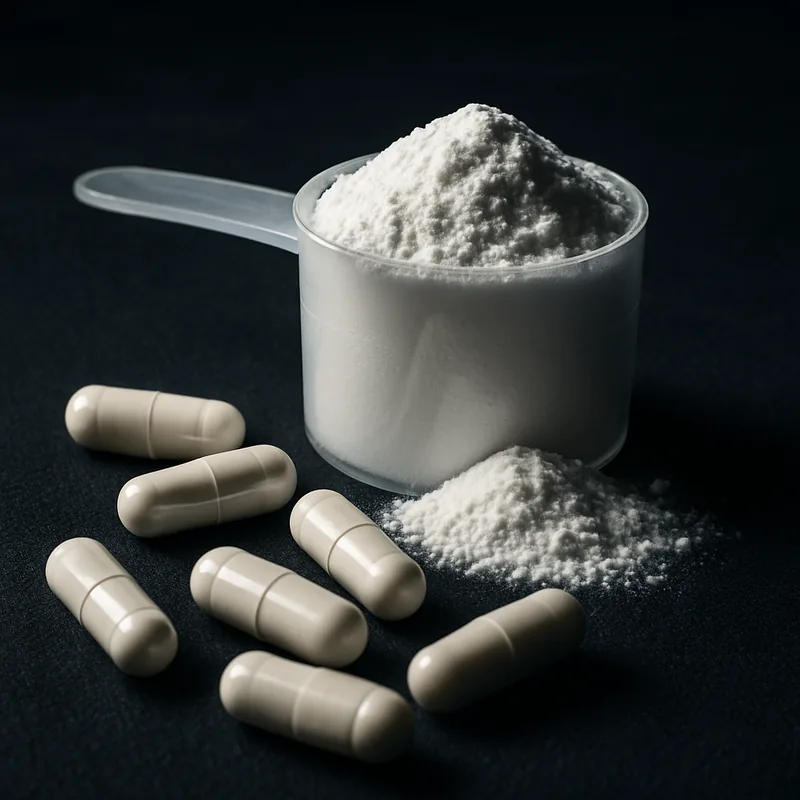
Maintenance-only approach
For most older adults, this is the best starting point:
– 3 grams daily for a gentler start
– 5 grams daily for a standard full maintenance dose
This avoids the digestive stress that sometimes comes with large loading doses.
Is a loading phase necessary?
Usually no
A loading phase typically means around 20 grams daily split into 4 doses for 5 to 7 days, followed by a lower maintenance dose. That can saturate muscle stores faster, but it is not required.
Many older adults care more about steady long-term use than rapid saturation, so skipping loading is often the smarter choice.
When loading might make sense
If someone wants faster tissue saturation and tolerates creatine well, loading is an option. But it is not inherently better for healthy aging goals.
Best time of day to take creatine
Consistency beats timing
Morning, midday, post-workout, or with dinner can all work. The best time is the time a person will actually remember.
With food may improve tolerance
Taking creatine with a meal may reduce stomach discomfort in sensitive users.
What form should older adults use?
Creatine monohydrate is still the default
The ISSN and multiple reviews continue to support creatine monohydrate as the best-studied and most reliable form (Kreider et al., JISSN, 2022).
Cheaper is often fine here as long as the brand is reputable.
Does body size matter?
Yes, somewhat. Larger individuals may land more naturally toward 5 grams daily, while smaller adults may be comfortable at 3 grams. But the difference is not huge for most non-athlete users.
Safety considerations for seniors
Creatine is generally considered safe in healthy adults at recommended doses, but older adults should be more deliberate about screening.
Talk to a clinician first if there is:
– known kidney disease
– unexplained abnormal kidney labs
– major fluid-balance issues
– a complex medication list
That is not alarmism. It is just appropriate caution in medically complicated cases.
FAQ
How much creatine should older adults take each day?
Most older adults can use 3 to 5 grams of creatine monohydrate daily.
Is 10 grams of creatine too much for seniors?
For routine use, it is usually more than necessary. Most people do not need that much outside of special protocols.
Should older adults load creatine?
Usually not. Loading is optional and often unnecessary for healthy-aging goals.
Is 3 grams enough?
Yes, 3 grams daily is a reasonable starting point, especially for smaller adults or those concerned about tolerance.
Related Articles
- Creatine for Women & Seniors: Benefits & Dosing
- Best Hydration Supplements for Older Adults 2026
- Creatine for Adults Over 50: Benefits & Safety
- Nitric Oxide Boosters for Older Adults
- Best Hydration Supplements for Older Adults in 2026
Sources
- Effects of Creatine Monohydrate Supplementation on Muscle, Bone and Brain- Hope or Hype for Older Adults?. Current osteoporosis reports. 2024. PMID: 39509039.
- Meta-Analysis Examining the Importance of Creatine Ingestion Strategies on Lean Tissue Mass and Strength in Older Adults. Nutrients. 2021. PMID: 34199420.
- Forbes SC, et al. Effects of creatine supplementation on brain function and health. Nutrients. 2022;14(5):921.
- Creatine for Adults Over 50: Benefits and Safety
- Antonio J, Candow DG, Forbes SC, Gualano B, Jagim AR, Kreider RB, et al (2021). Common questions and misconceptions about creatine supplementation: what does the scientific evidence really show?. Journal of the International Society of Sports Nutrition. PMID: 33557850.
📚 Part of our Best Creatine Supplements in 2026 hub. Explore all our creatine guides.