
Best Vitamins for Rotating Shift Workers
Rotating shifts are often harder on the body than fixed nights because your sleep, meal timing, light exposure, and hormone rhythms never fully settle. One week you are waking before dawn, the next you are trying to sleep after sunrise. That kind of circadian instability can erode energy, mood, metabolic health, and immune resilience.
Quick Answer
Rotating shift schedules impose compound physiological stress: circadian rhythm disruption, sleep debt accumulation, immune suppression, accelerated oxidative stress, and micronutrient depletion from irregular eating patterns. The most critical nutritional gaps for rotating shift workers include: vitamin D (severely impaired by reduced sunlight exposure), magnesium (depleted by chronic stress and inadequate sleep), B vitamins (B1, B2, B3, B5, B6, B12 – all involved in energy metabolism and fatigue), and omega-3 fatty acids (anti-inflammatory support against the elevated inflammatory tone of shift work).
Key Takeaways

- Rotating shift work is classified by the IARC as a probable human carcinogen (Group 2A) due to chronic circadian disruption – this is partly mediated by suppressed melatonin production, elevated cortisol, impaired DNA repair, and the inflammatory consequences of persistent metabolic desynchronization.
- Vitamin D deficiency rates are markedly higher in shift workers: a cross-sectional study of nurses found 80% with serum 25(OH)D below 20 ng/mL – vitamin D influences circadian gene expression (CLOCK, BMAL1), immune competence, and mood regulation, all of which deteriorate with shift work.
- B12 and folate work synergistically to maintain methylation cycles and reduce homocysteine elevation – chronic sleep restriction and irregular eating on rotating schedules are independent risk factors for elevated homocysteine, which increases cardiovascular risk. Target 1,000 mcg B12 (methylcobalamin) + 400 mcg 5-MTHF daily.
- Adaptogenic herbs – ashwagandha (KSM-66 or Sensoril, 300-600 mg/day) – consistently reduce cortisol awakening response, self-reported fatigue, and sleep-quality disruption in high-stress populations including shift workers in multiple RCTs.
- Coenzyme Q10 (100-300 mg ubiquinol), alpha-lipoic acid (300-600 mg), and NAC (600 mg) together constitute an anti-oxidative stress supplement protocol that counteracts the elevated ROS burden of circadian disruption – shift workers show measurably higher oxidative stress markers than day workers at comparable ages.
No vitamin can fully cancel out a rotating schedule. But the right nutrients can reduce the most common weak points.
A practical vitamin routine for rotating workers
Daily foundation
- Vitamin D3 with a meal containing fat
- B-complex with your first real meal of the wake period
- Vitamin C with food
Optional add-ons
- B12 if intake or absorption may be low
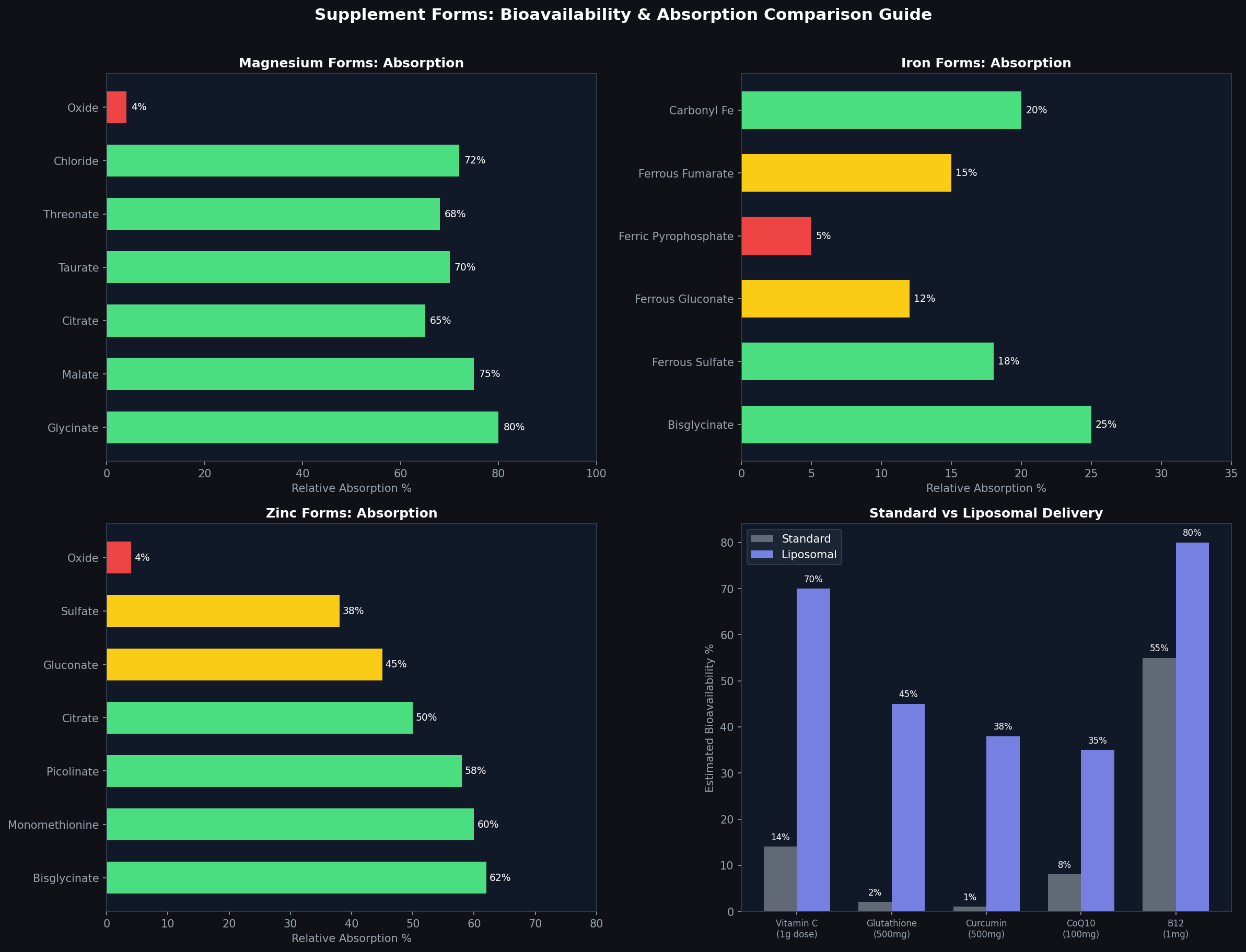
- Magnesium glycinate before sleep
- A lutein/zeaxanthin formula if eye strain is a major issue
Food still matters more than the bottle
The best vitamin stack works better if your meals include eggs or fish for B12, leafy greens for folate, colorful produce for vitamin C and carotenoids, and nuts or seeds for vitamin E and magnesium. Supplements help fill gaps; they do not replace real food.
FAQ
What is the most important vitamin for rotating shift workers?
Vitamin D is the top candidate because rotating schedules often reduce consistent sunlight exposure. It affects immune function, mood, and overall resilience.
Do B vitamins help shift-work fatigue?
They can help if your fatigue is partly related to poor diet, deficiency, or increased stress load. They are not a replacement for sleep, but they do support normal energy metabolism.
Should rotating shift workers take vitamin B12?
Many should at least consider it, especially older adults, people on metformin, people using acid blockers, and anyone eating little animal protein.
Are multivitamins enough for rotating schedules?
Sometimes, but not always. A multivitamin may be a decent base, though many shift workers need more targeted vitamin D, magnesium, or B12 support.
Sources
- Ward M, et al. Vitamin D deficiency in healthcare workers and shift workers. Occup Med (Lond). 2011.
- Kecklund G, Axelsson J. Health consequences of shift work and insufficient sleep. BMJ. 2016;355:i5210.
- National Institutes of Health Office of Dietary Supplements. Vitamin B12 Fact Sheet for Health Professionals.
- Carr AC, Maggini S. Vitamin C and immune function. Nutrients. 2017;9(11):1211.
- Stringham JM, et al. Macular carotenoids and visual performance. Nutr Neurosci. 2017.
This article is for informational purposes only and does not constitute medical advice. Lab testing and individualized guidance are especially important if you have major fatigue, anemia symptoms, neuropathy, or chronic illness.
Related Articles
- Best Vitamins for Rotating Shift Schedules to Support Energy and Recovery
- Best Astaxanthin Supplements in 2026: Eye, Skin, and Recovery Support Without the Hype
- Best Supplements for Night Shift Energy That Wont Destroy Your Day Sleep
- Best L-Tryptophan Supplements for Mood Support in 2026: What the Evidence Actually Shows
- Best Longevity Supplements in 2026: Evidence-Based Picks for Healthy Aging, Energy, and Resilience
📚 Part of our Best Supplements for Shift Workers hub. Explore all our shift worker supplement guides.