Night Shift Energy Supplements: Sleep-Safe Options
Night shift energy is tricky. The goal is not to feel “wired.” The goal is to stay alert, think clearly, and still be able to sleep when the shift ends.
Quick Answer
Supporting sustained energy during night shift work without interfering with post-shift sleep requires a different approach than standard daytime energy supplementation. The challenge is timing: stimulants or high-dose caffeine taken late in the night shift extend their effects into sleep windows. The most useful supplement strategy focuses on: timed low-dose caffeine (if needed, not past the final 3-4 hours of shift), adaptogens (ashwagandha, rhodiola) that support HPA axis resilience without CNS stimulation, B vitamins for energy metabolism, and NAD+ precursors to support the mitochondrial energy systems that are disrupted by circadian misalignment.
Key Takeaways
- Caffeine’s half-life is 5-6 hours (extending to 8-10 hours in people with CYP1A2 slow-metabolizer genetics) — taking 100-200 mg of caffeine in the last 4 hours of a 10-hour night shift can meaningfully suppress sleep quality for the following day’s recovery sleep window.
- Rhodiola rosea (standardized to 3% rosavins + 1% salidroside, 300-600 mg) is adaptogenic — it reduces fatigue and mental error rates in shift workers and night call studies without CNS stimulation or sleep disruption, making it the most practical alertness support that won’t ‘borrow against’ recovery sleep.
- NMN or NR (NAD+ precursors) support the mitochondrial energy production disrupted by circadian misalignment — shift workers show chronically lower NAD+ levels and SIRT1 activity than day workers, contributing to fatigue and metabolic disruption. 250-500 mg NMN in the first half of the shift is a rational strategy.
- Coenzyme Q10 (100-200 mg ubiquinol form) supports mitochondrial electron transport chain function — it reduces fatigue without stimulant effects and has a favorable safety profile for daily use. Most effective when taken with a fat-containing meal.
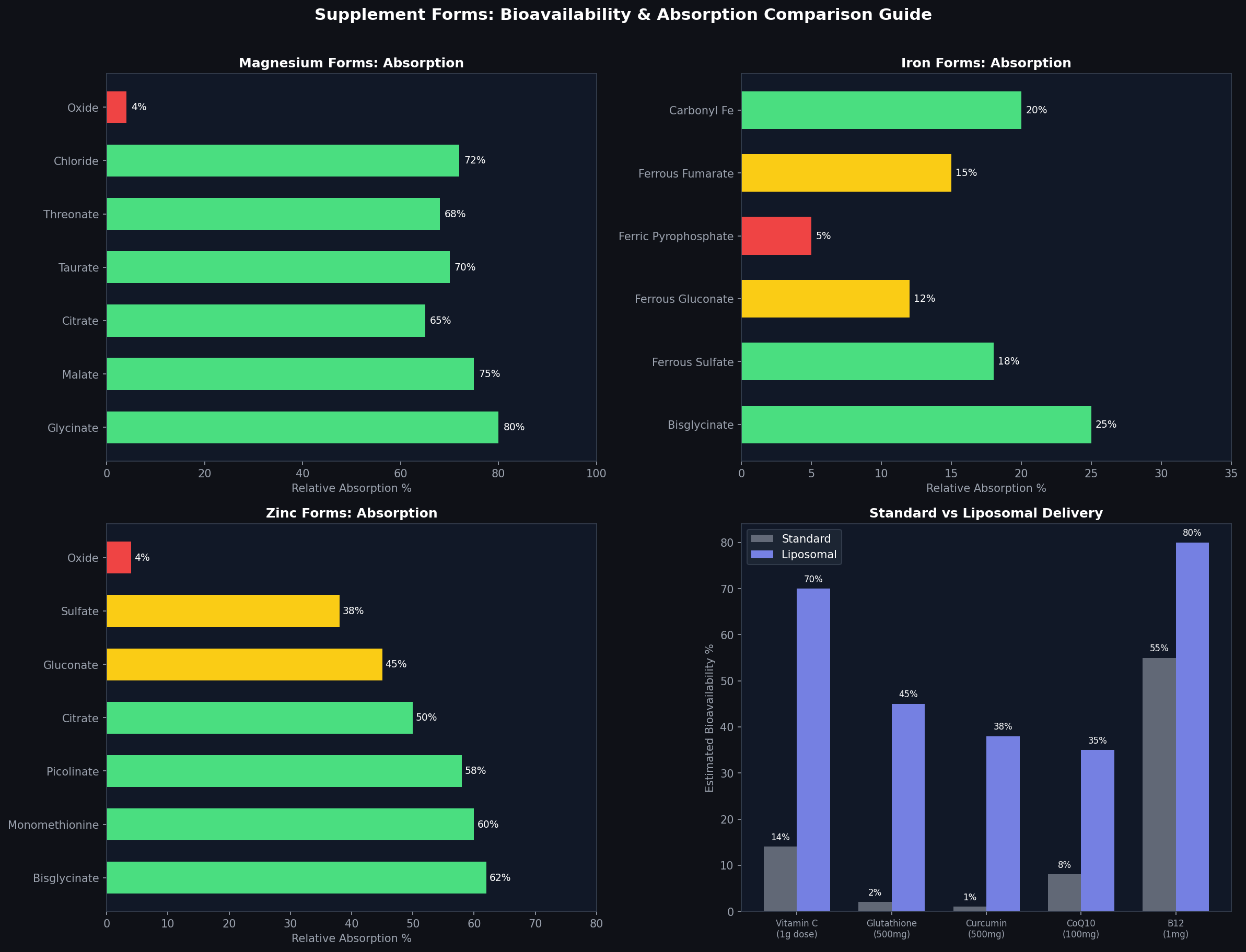
- Magnesium glycinate (200-400 mg) taken at the start of the day sleep window actively aids recovery sleep quality in shift workers — it reduces cortisol-driven sleep fragmentation and supports GABA receptor activity for deeper slow-wave sleep.
That matters because chronic circadian disruption is linked to higher risks of metabolic disease, cardiovascular problems, mood issues, and poor sleep quality. Night workers need smarter support than just pounding coffee.
What night shift workers actually need from a supplement
A useful night-shift supplement should improve alertness, support focus, reduce stress load, and avoid sabotaging post-shift sleep. The best stack is usually modest, not extreme.
Best supplements for night shift energy
1. Caffeine, used strategically
Caffeine is still the most reliable alertness aid. Research consistently shows it improves vigilance, reaction time, and perceived fatigue. The mistake is using too much, too late.
Best use:
- 50 to 150 mg at the start of the shift
- Another small dose early in the middle of the shift if needed
- Stop roughly 8 hours before your planned sleep time
Because caffeine has a long half-life, a “harmless” energy drink near the end of the shift can absolutely wreck daytime sleep.
2. L-theanine for smoother focus
L-theanine, an amino acid found in tea, smooths out caffeine’s rough edges. Studies suggest the combination can improve attention while reducing jitteriness.
Typical dose: 100 to 200 mg with caffeine
This is a strong option for anyone who needs calm concentration rather than adrenaline.
3. Rhodiola rosea for fatigue resistance
Rhodiola is one of the better-studied adaptogens for stress-related fatigue. Clinical data suggest it may improve mental performance under demanding conditions.
Typical dose: 200 to 400 mg standardized extract before the shift
Avoid taking it too close to planned sleep if you find it stimulating.
4. B-complex vitamins when diet quality is shaky
B vitamins do not work like instant stimulants, but they are essential for energy metabolism, nervous system function, and red blood cell production. Shift workers often eat irregularly, which makes nutrient gaps more likely.
Best use: one quality B-complex with the first meal of your wake period, especially if meals are inconsistent or diet quality is poor
5. Electrolytes for “tired but actually dehydrated” shifts
A surprising amount of shift fatigue is dehydration plus under-eating. Mild dehydration can impair attention, mood, and physical performance. An electrolyte mix can help if your job involves heat, PPE, constant walking, or long periods without proper meals.
Best use: during the first half of the shift, especially if you sweat heavily
What to avoid for night shift energy
High-dose stimulants late in the shift
Pre-workouts, mega-dose caffeine powders, and multiple energy drinks may get you through the shift, but often at the cost of worse sleep and higher anxiety.
Sugar-heavy energy products
These can create a quick lift followed by a sharper slump.
“Sleep-support” ingredients taken during the shift
Magnesium glycinate, glycine, and similar calming supplements may be useful later, but they are not for mid-shift alertness.
A simple night shift energy stack
Option 1: Calm focus stack
- Caffeine: 75 to 100 mg
- L-theanine: 200 mg
- Electrolytes: 1 serving in water
Option 2: Stress-heavy shift stack
- Rhodiola rosea: 200 to 300 mg before shift
- Caffeine: 50 to 100 mg early in shift
- L-theanine: 100 to 200 mg with caffeine
Option 3: Nutrition support add-on
- B-complex with first meal
- Electrolytes during shift
The sleep-protection rule
The best supplement for shift-work energy is only a win if you can still sleep afterward. Cut caffeine early enough, reduce morning light exposure after shift, keep the bedroom dark and cool, and avoid chasing fatigue with late-shift stimulants. Many workers solve alertness and accidentally destroy recovery.
FAQ
What is the best supplement for night shift energy?
For most people, the best starting point is strategic caffeine plus L-theanine. It improves alertness and focus more predictably than most exotic formulas, and it is easier to control than high-stimulant products.
Can rhodiola help with night shift fatigue?
It may. Some evidence suggests rhodiola can reduce fatigue and improve performance under stress. It tends to work best for mentally draining shifts rather than as a pure stimulant replacement.
Do B vitamins give immediate energy?
Not usually. B vitamins help energy metabolism, but they do not act like caffeine. They are most useful when your diet is inconsistent or deficiency risk is real.
What should I avoid if I need to sleep after a night shift?
Avoid high-dose caffeine, energy drinks, and stimulant blends late in the shift. Their wake-promoting effects often outlast the workday.
Sources
- Kecklund G, Axelsson J. Health consequences of shift work and insufficient sleep. BMJ. 2016;355:i5210.
- Ker K, Edwards PJ, Felix LM, et al. Caffeine for the prevention of injuries and errors in shift workers. Cochrane Database Syst Rev. 2010.
- Haskell CF, Kennedy DO, Milne AL, et al. The effects of L-theanine, caffeine and their combination on cognition and mood. Biol Psychol. 2008.
- Cropley M, Banks AP, Boyle J. The effects of Rhodiola rosea on fatigue and performance. Phytother Res. 2015.
- Ganio MS, Armstrong LE, Casa DJ, et al. Mild dehydration impairs cognitive performance and mood of men. J Nutr. 2011;141(8):1535-1541.
This article is for informational purposes only and does not constitute medical advice. Consult a qualified healthcare professional before starting any new supplement regimen, especially if you take medications or have a cardiovascular, thyroid, or psychiatric condition.
Related Articles
- Best Supplements for Shift Workers in 2026: Protect Your Health When Your Schedule Wont
- Best Saffron Supplements in 2026: Mood, Cravings, and Sleep Support From a Surprisingly Legit Herb
- Best Psychobiotic Supplements in 2026: Gut-Brain Support for Stress, Mood, and Sleep
- Best Menopause-Specific Supplements for Hot Flashes, Sleep, Mood, and Bone Support