

Recovery after 40 is harder than recovery at 25 — mTOR signaling slows, satellite cell activity declines, inflammation resolution takes longer, and anabolic hormone levels are lower. The supplements with the strongest evidence for supporting post-40 recovery are: creatine monohydrate (3-5 g/day) for ATP resynthesis and satellite cell support; protein (at or above 1.6 g/kg/day with emphasis on leucine-rich complete proteins) for muscle protein synthesis; omega-3 fatty acids (2-4 g/day EPA+DHA) for anti-inflammatory and MPS-augmenting effects; and collagen peptides + vitamin C (15 g collagen + 50 mg vitamin C, 30-60 min pre-exercise) for connective tissue recovery. Tart cherry extract and magnesium glycinate support sleep quality and soreness recovery as practical adjuncts.

For active adults who want a simple stack without overcomplicating things, our guide to supplements for training 3 to 4 times per week provides a grounded starting point.
- Muscle protein synthesis response to protein is preserved after 40 but requires a higher leucine threshold per meal — older adults need approximately 2.5-3 g leucine per meal to maximally stimulate MPS (vs. ~1.7-2 g in young adults), meaning protein quality and density per meal matter more with age.
- Creatine monohydrate is one of the most validated recovery supplements for older adults: beyond ATP resynthesis, creatine supports satellite cell activity, reduces inflammation markers post-exercise, and preserves lean mass during caloric restriction — all increasingly important after 40.
- Omega-3 (2-3 g/day EPA+DHA) has RCT evidence for augmenting muscle protein synthesis in older adults independent of protein intake — the ‘anabolic sensitizing’ effect of omega-3 on mTOR and MPS signaling makes it a practical recovery adjunct even for non-athletes.
- Tart cherry concentrate (480 mg anthocyanins, or ~240 ml twice daily) reduces muscle soreness markers (creatine kinase, IL-6) and perceived soreness in multiple RCTs of middle-aged exercisers, with effects most pronounced in eccentric-load exercise (downhill running, heavy negatives, HIIT).
- Sleep quality is the single most powerful recovery variable — supplements that support sleep architecture (magnesium glycinate 200-400 mg, ashwagandha 300-600 mg, low-dose melatonin 0.5-1 mg for circadian support) yield disproportionate recovery dividends after 40 when sleep disruption and cortisol reactivity increase.
Recovery changes after 40. You can still train hard, build muscle, and improve conditioning, but the margin for sloppy nutrition gets smaller. Sleep quality may dip, connective tissue may feel less forgiving, and missing protein targets hurts more than it did at 25.
That is why the best recovery supplements after 40 are usually not exotic. They are the ones with the strongest evidence for preserving muscle, supporting adaptation, and helping active adults recover consistently.
What Changes About Recovery After 40?
Aging does not make recovery impossible. It does make a few things more relevant:
- lower anabolic sensitivity to small protein doses
- slower recovery from high volumes of unfamiliar training
- greater importance of sleep and total protein intake
- higher likelihood of vitamin D insufficiency, low magnesium intake, or creatine underuse
The result is simple: basics matter more.[1][2]
1. Protein Powder: Still the Recovery Foundation

Protein remains the most important recovery supplement for most active adults. Sports nutrition guidelines consistently support higher protein intake for people training regularly, especially when the goal is muscle retention, body composition, or healthy aging.[1][2]
A useful target after training is often 25 to 40 grams of high-quality protein, depending on body size and the rest of the day’s intake.
Best options
- whey isolate if dairy works for you
- soy isolate
- pea-plus-rice plant blends
2. Creatine Monohydrate: The Best Low-Cost Upgrade
Creatine is not just for younger lifters. It is one of the most evidence-backed supplements for strength, lean mass, and training capacity, and it may be especially useful as people age.[1][3]
A standard daily dose of 3 to 5 grams is enough for most people.
Why it matters after 40
Creatine can help support training quality, which indirectly improves recovery because stronger training adaptations reduce how punishing ordinary sessions feel over time.
3. Omega-3 Fatty Acids: Helpful When Intake Is Low
Omega-3s are not a magic muscle builder, but they may support recovery, joint comfort, and general cardiovascular health. They are most useful when dietary fish intake is low.[4]
The evidence is more mixed than for protein or creatine, so omega-3s belong in the “good support supplement” category rather than the “must-have” category.
4. Vitamin D: Important if You Are Low
Vitamin D is crucial for musculoskeletal health, and low levels are common. If you are deficient or insufficient, correcting that may improve overall function and resilience.[5]
This is a supplement where testing helps. More is not automatically better.
5. Magnesium: Useful for Sleep, Cramps, and Intake Gaps
Magnesium is involved in muscle and nerve function, and many adults do not meet intake targets from food alone.[5] It is not a miracle recovery supplement, but it can be helpful if sleep quality, muscle tension, or low intake are part of the picture.
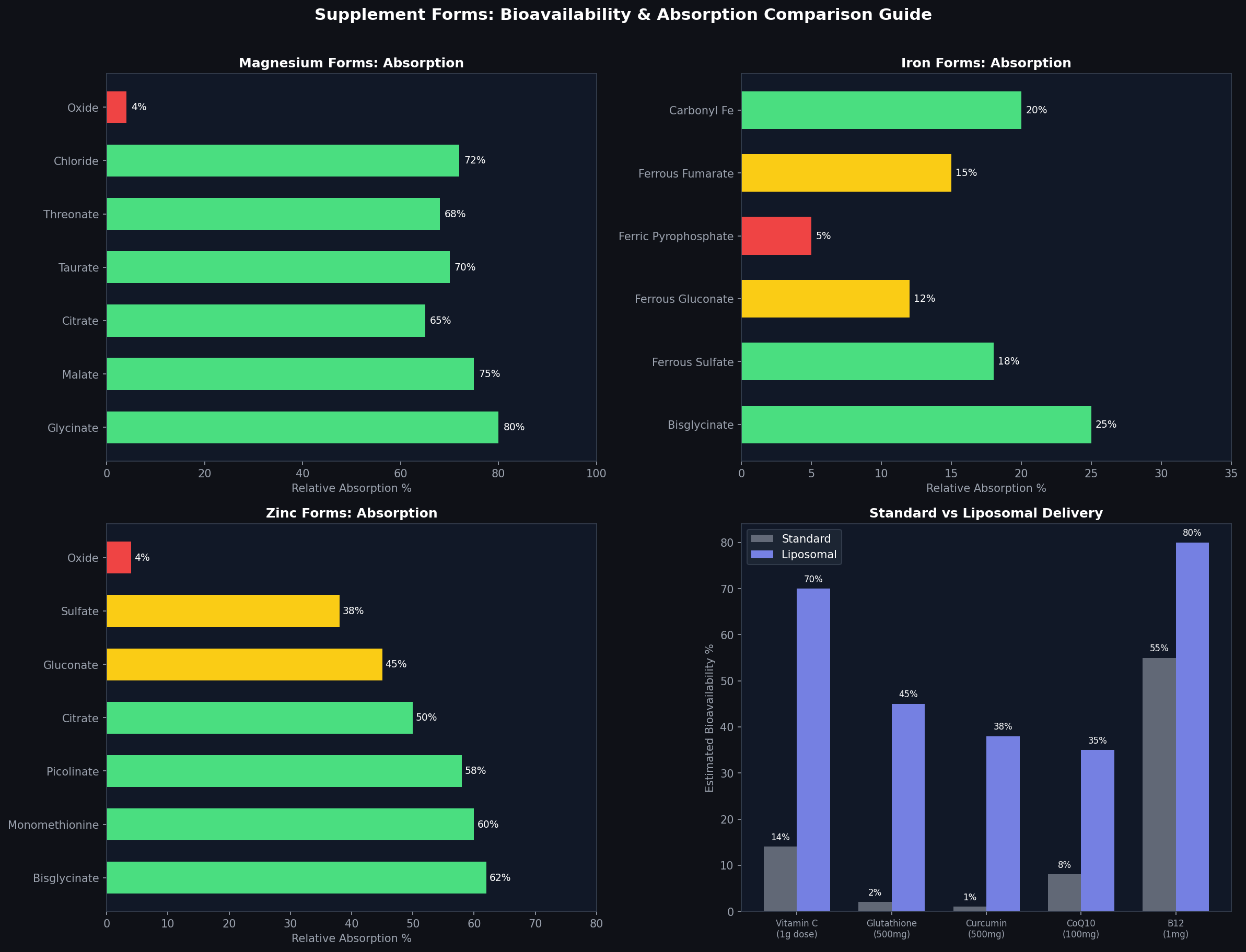
Magnesium glycinate is often a practical option for evening use.
6. Tart Cherry: Good Niche Option for Hard Blocks
Tart cherry has some evidence for reducing soreness and supporting sleep in certain contexts, especially during intense training blocks.[1][6] It is not essential year-round, but it can be worth using strategically.
What to Prioritize First
If budget matters, start here:
- protein
- creatine monohydrate
- vitamin D if labs or low sun suggest a need
- magnesium if intake or sleep is poor
- omega-3s if fish intake is low
- tart cherry for targeted soreness support
Supplements That Usually Matter Less Than Marketing Suggests
- flashy BCAA products when total protein is already adequate
- “test booster” blends with weak evidence
- underdosed proprietary recovery formulas
- expensive collagen-only post-workout products used instead of complete protein
FAQ
What is the single best recovery supplement after 40?
Protein powder is usually the most practical answer because it directly supports recovery and muscle maintenance.
Is creatine safe after 40?
For most healthy adults, creatine monohydrate has a strong safety record at recommended doses. People with kidney disease or other medical concerns should ask a clinician first.
Do I need BCAAs if I already use protein powder?
Usually not. If total daily protein intake is adequate, standalone BCAAs are often redundant.
Can recovery supplements replace sleep and training design?
No. Sleep, total calories, protein intake, hydration, and smart programming still do most of the work.
- NIH Office of Dietary Supplements: Dietary Supplements for Exercise and Athletic Performance — https://ods.od.nih.gov/factsheets/ExerciseAndAthleticPerformance-HealthProfessional/
- PROT-AGE Study Group protein recommendations for older adults.
- International Society of Sports Nutrition position stand: creatine supplementation.
- Dietary Supplements for Health, Adaptation, and Recovery in Athletes — PubMed: https://pubmed.ncbi.nlm.nih.gov/29345167/
- NIH Office of Dietary Supplements fact sheets for Vitamin D and Magnesium — https://ods.od.nih.gov/factsheets/list-all/
- Research reviews on tart cherry and exercise recovery.
—
This article is for informational purposes only and does not replace medical advice.
Related Articles
- Taurine Benefits After 40
- Tart Cherry for Soreness and Sleep
- Creatine Plus Protein: The Recovery Stack
- Supplements for Training 3-4 Times Per Week
- Recovery Stack for Nurses and First Responders
Sources
- Reviews on protein requirements in older adults and healthy aging. PubMed search.
- Reviews on creatine supplementation in older adults. PubMed search.
- Reviews on omega-3 fatty acids and exercise recovery. PubMed search.
- Systematic reviews on tart cherry supplementation and recovery. PubMed search.
- Reviews on aging, muscle recovery, and exercise nutrition. PubMed search.