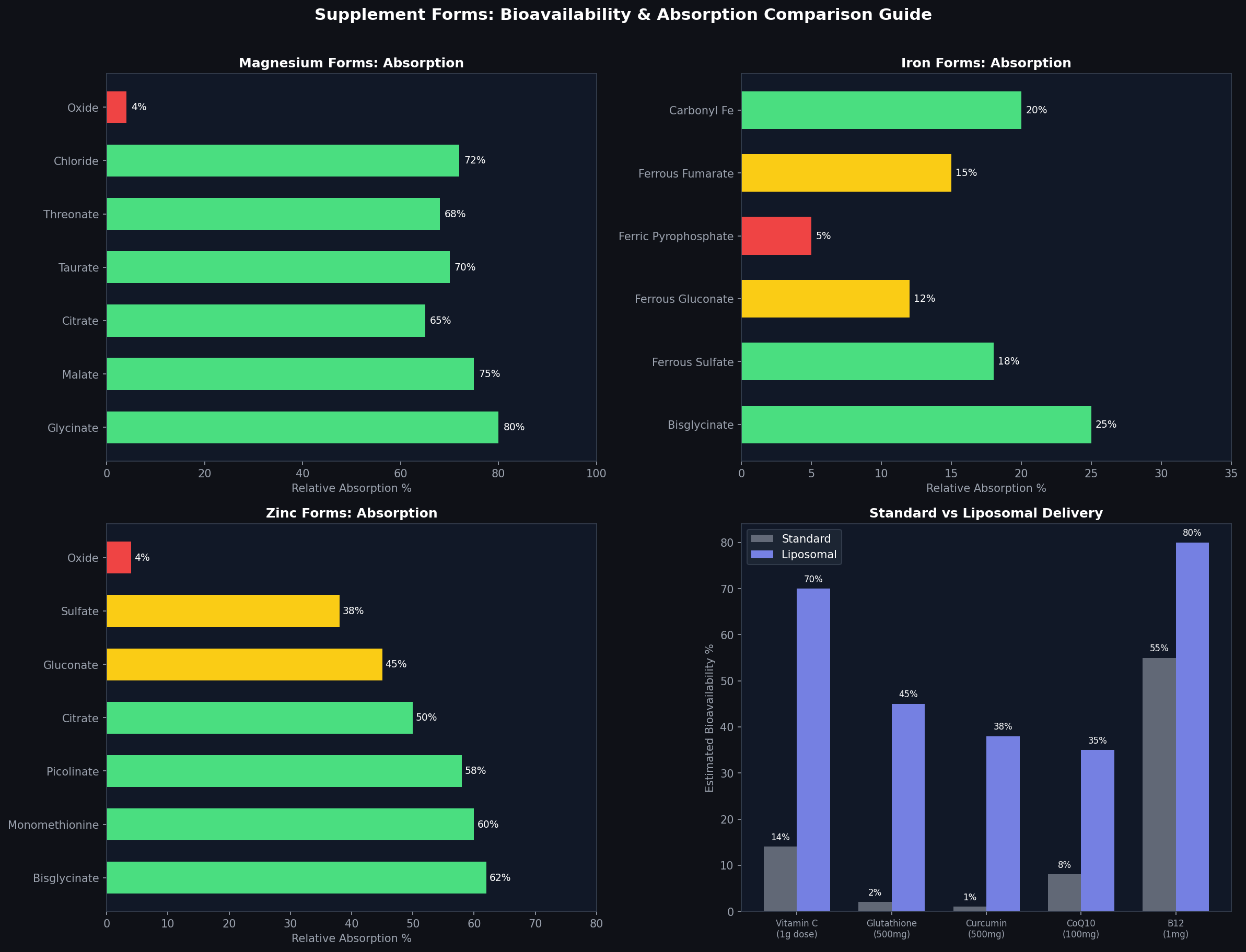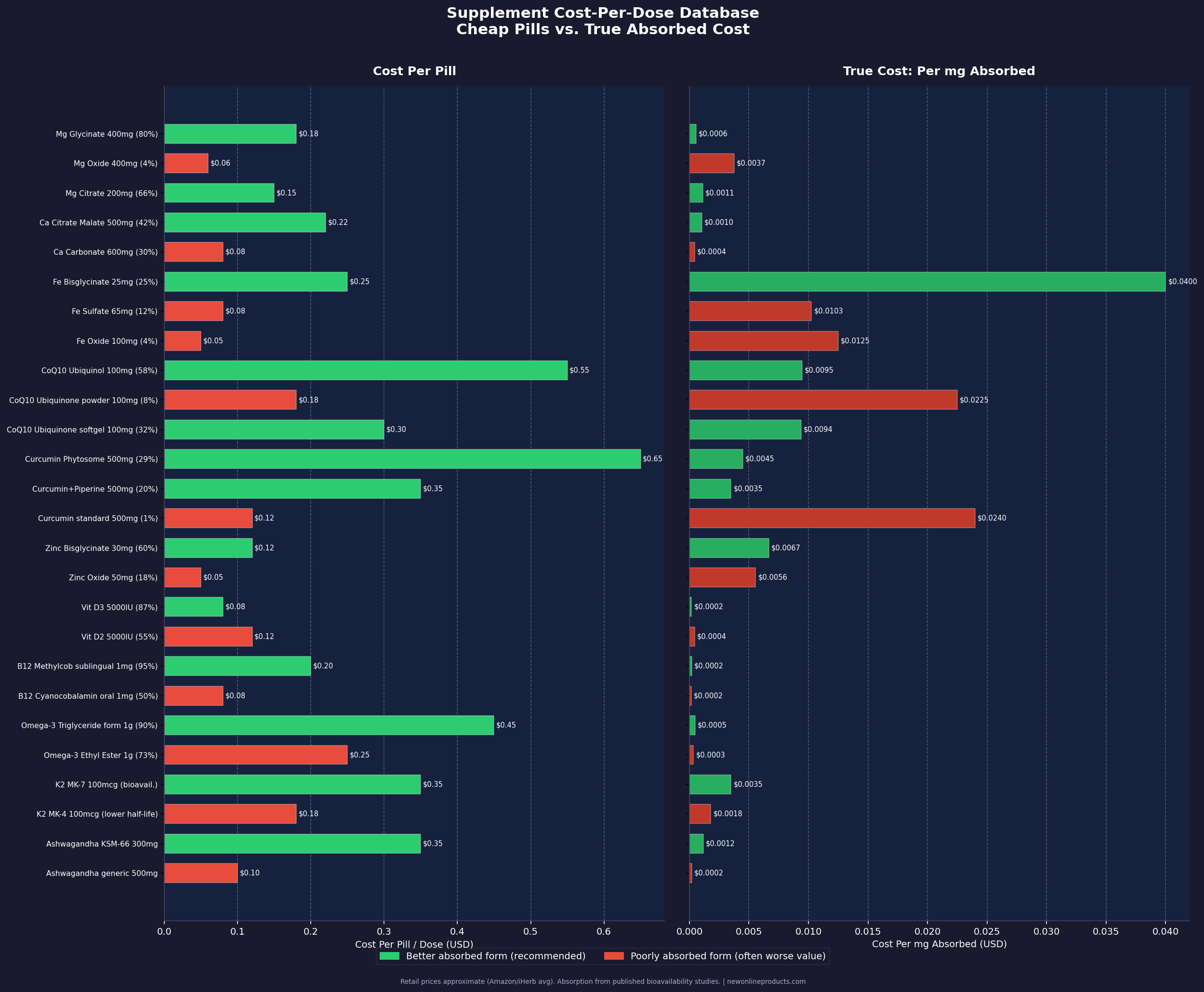
For a training frequency of 3-4 sessions per week, the foundational supplement stack can be kept simple and highly evidence-based. The core: creatine monohydrate (3-5 g/day, taken consistently — timing is flexible), protein (1.6-2 g/kg/day total from food + supplements, prioritizing leucine-rich sources), and omega-3 fatty acids (2 g EPA+DHA daily for anti-inflammatory and MPS support). Add caffeine (100-200 mg) pre-workout for performance if desired. For recovery between sessions at this frequency: magnesium glycinate (300-400 mg nightly) and tart cherry extract around harder sessions. This stack is sufficient for most natural trainees — more complex additions provide marginal returns without this base established.

- At 3-4 sessions per week, recovery between sessions is usually adequate without specialized recovery supplements — the core priority is daily creatine + protein + omega-3 as consistent basics, not elaborate pre/intra/post stacks.
- Creatine monohydrate at 3-5 g/day produces equivalent muscle creatine saturation whether taken pre- or post-workout or at any other time — for a 3-4x/week trainee, simply taking it daily (even on rest days) is the most practical approach.
- Protein timing matters somewhat but less than total daily intake — getting 1.6-2 g/kg/day in 3-4 meals, each with adequate leucine (2-3 g), supports MPS throughout the day rather than relying on a single post-workout spike.
- Caffeine (100-200 mg, 30-60 min pre-workout) improves performance across modalities — strength, endurance, focus — but tolerance develops within 1-2 weeks of daily use. Cycling caffeine (using it only on training days) preserves performance benefits and avoids dependency for a 3-4x/week trainee.
- Magnesium glycinate (300-400 mg nightly) supports sleep quality and muscle relaxation — at 3-4 training sessions per week, adequate sleep quality is often the limiting factor for progress, and magnesium is among the most practical sleep-adjacent recovery supplements.
Most supplement content is written for two extremes: elite athletes or total beginners. But a huge number of people live in the middle. They lift, do classes, walk, run, or train in a home gym about 3 to 4 times per week. They want results, but they also have jobs, families, and finite recovery capacity.
For that group, the best supplement plan is not complicated. It is a small stack that supports consistency.
What Matters Most When You Train 3 to 4 Days Per Week
At this training frequency, the goal is usually one or more of the following:
- build or maintain muscle
- improve body composition
- recover well enough to train again on schedule
- avoid nagging fatigue or cramps
That means the best supplements are the ones that improve the basics rather than “advanced” products that only matter in extreme training blocks.
1. Protein Powder
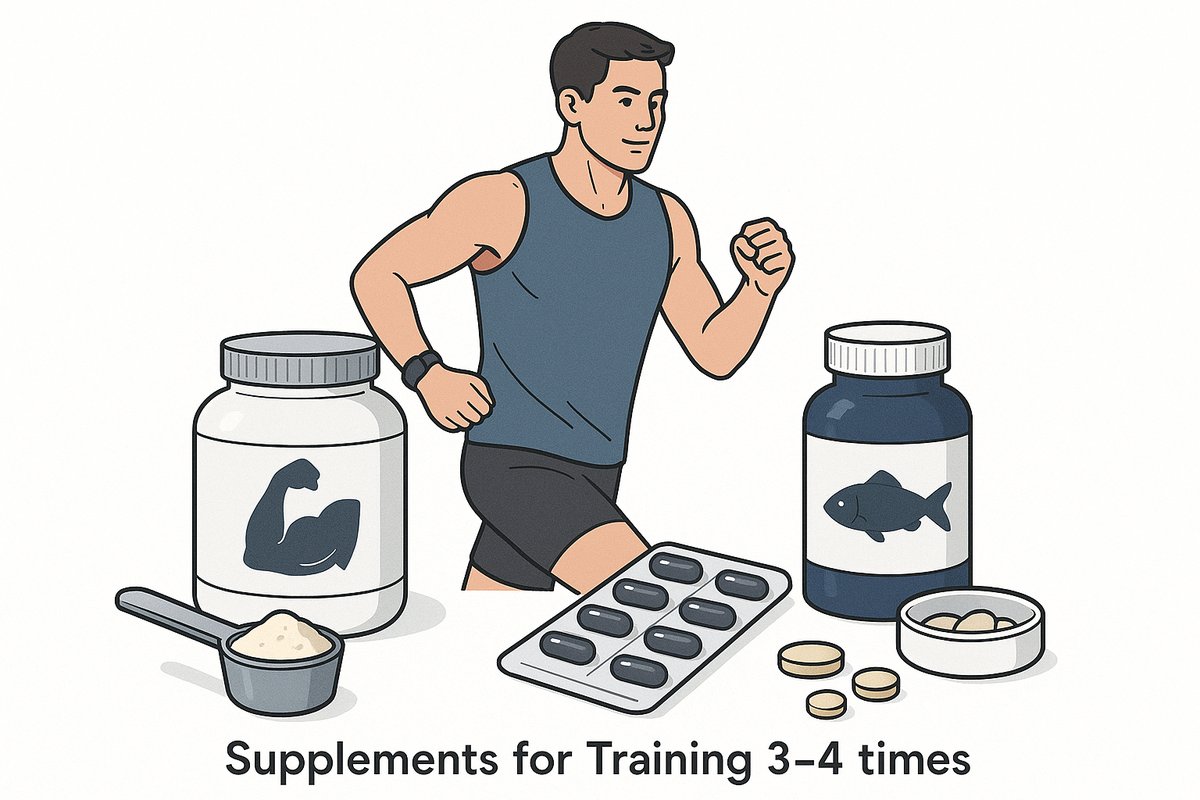
If you already hit your protein goals from food, protein powder is optional. But for most adults, it is the easiest, most reliable supplement for training support.[1][2]
Why it belongs in the stack
- helps cover daily protein targets
- supports recovery between sessions
- convenient after training or at breakfast
A daily intake around 1.4 to 2.0 grams per kilogram of body weight is a common evidence-based range for active adults.[1][2]
2. Creatine Monohydrate
If you use only one performance supplement, creatine should be the favorite. It supports strength, lean mass, and repeated high-intensity effort, and it keeps working even if you are not in the gym every day.[1][3]
Practical dose
- 3 to 5 grams daily
- no fancy timing required
3. Electrolytes When Sweat Loss Is High
Not everyone needs daily electrolyte products. But if your 3 to 4 weekly sessions are hot, long, or very sweaty, replacing sodium can make a real difference in performance and how you feel afterward.[1][4]
People who finish drenched, train outdoors in summer, or get headaches and cramps after sessions are better candidates.
4. Caffeine, Used Intelligently
Caffeine remains one of the most evidence-backed ergogenic aids for performance.[1] But it is only helpful if it does not wreck sleep. For people training 3 to 4 times weekly, caffeine works best as a selective tool, not a daily reflex.
5. Vitamin D or Magnesium if You Actually Need Them
These are support supplements, not universal performance boosters. They matter when an intake gap, low status, poor sleep, or frequent cramping is part of the picture.[5]
The “Nice but Not Necessary” Tier
- omega-3s if fish intake is low
- tart cherry during unusually hard weeks
- carb powders for longer endurance sessions
The “Usually Skip It” Tier
- BCAAs when protein is already adequate
- proprietary pre-workouts with stimulant overload
- testosterone boosters
- tiny-dose “recovery complexes” with 12 ingredients and no clear purpose
A Simple Example Stack
Daily
- protein powder as needed
- creatine monohydrate 3 to 5 grams
Training days only
- electrolytes if sweating is heavy
- caffeine if timing and sleep allow
Only if indicated
- vitamin D
- magnesium
- omega-3s
FAQ
Do I need supplements if I only train 3 days per week?
Not necessarily, but protein powder and creatine are often useful because they support the basics regardless of training frequency.
Is creatine worth it if I am not a bodybuilder?
Yes. Creatine benefits are relevant to general strength training and repeated high-intensity effort, not just bodybuilding.
Should I take electrolytes after every workout?
No. They are most useful when sweat and sodium losses are high.
What is the biggest supplement mistake for casual lifters?
Buying flashy products before fixing protein intake, sleep, hydration, and basic programming.
- NIH Office of Dietary Supplements: Dietary Supplements for Exercise and Athletic Performance — https://ods.od.nih.gov/factsheets/ExerciseAndAthleticPerformance-HealthProfessional/
- International Society of Sports Nutrition position stand: protein and exercise.
- International Society of Sports Nutrition position stand: creatine supplementation.
- American College of Sports Medicine guidance on exercise hydration and fluid replacement.
- NIH Office of Dietary Supplements fact sheets list — https://ods.od.nih.gov/factsheets/list-all/
—
This article is for education only and should not be taken as personal medical advice.
Related Articles
- Best Creatine Supplements in 2026
- Creatine Plus Protein: The Recovery Stack
- Electrolytes for Heavy Sweaters
- Tart Cherry for Soreness and Sleep
- Recovery Stack for Nurses and First Responders
Sources
- International Society of Sports Nutrition position stand on protein and exercise. PubMed search.
- Reviews on creatine supplementation and resistance-training performance. PubMed search.
- Reviews on omega-3 fatty acids and exercise recovery. PubMed search.
- Reviews on electrolyte replacement and exercise hydration. PubMed search.
- Reviews on practical supplement use for recreationally active adults. PubMed search.