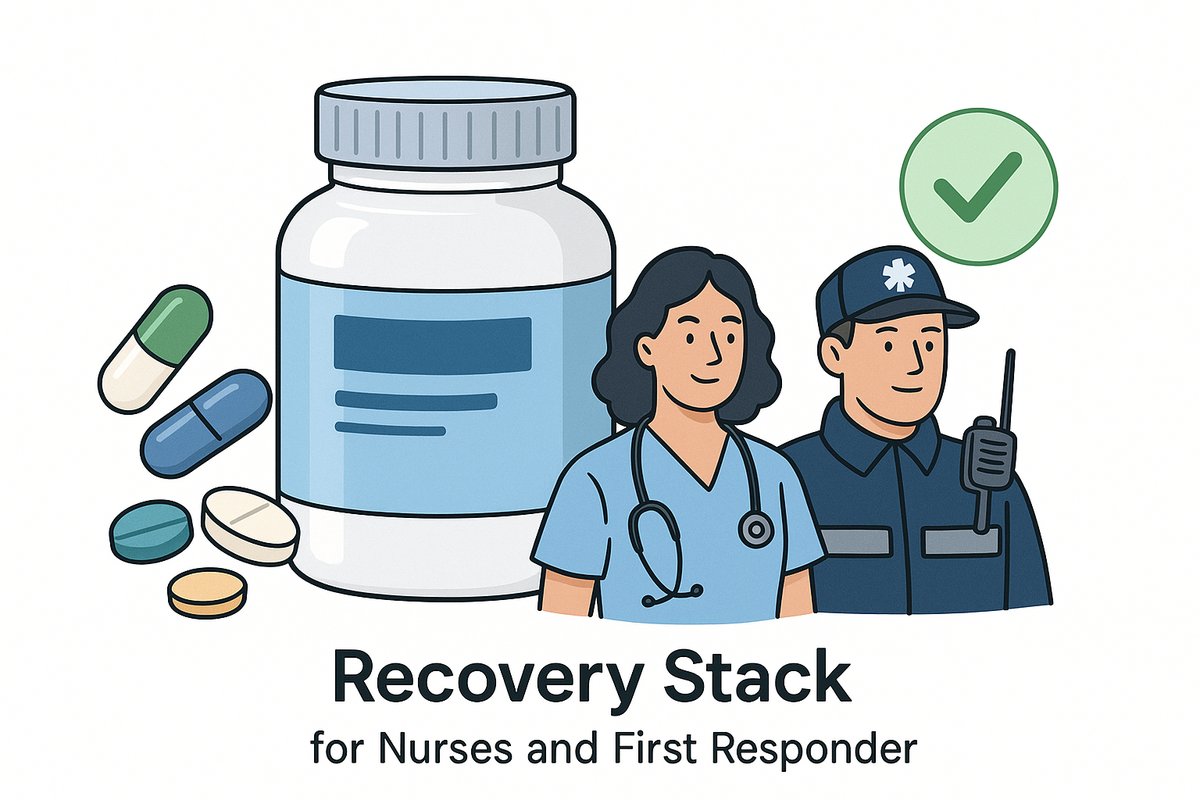
Nurses, paramedics, firefighters, ER staff, and other first responders do not just work long hours. They work long hours under pressure, with interrupted meals, emotional stress, heavy cognitive load, and terrible sleep timing.
Quick Answer
Nurses, paramedics, police officers, and firefighters on extended or rotating shifts accumulate physical stress (standing, lifting, repeated adrenaline responses), psychological stress (trauma, moral injury, high-stakes decision pressure), and physiological stress (sleep fragmentation, immune suppression, cardiovascular strain) simultaneously. An effective recovery supplement stack for this population addresses cortisol normalization, sleep quality, muscle recovery, immune resilience, and cognitive restoration – with timing optimized for post-shift windows rather than conventional supplement timing protocols.
Key Takeaways
- Cortisol dysregulation is the central metabolic dysfunction in high-stress shift workers – chronic activation of the HPA axis produces elevated baseline cortisol, cortisol resistance at target tissues, and downstream testosterone, DHEA-S, and IGF-1 suppression. Ashwagandha KSM-66 (600 mg/day) has the strongest evidence for normalizing HPA axis output in this context.
- Post-shift protein consumption (30-40 g high-quality protein within 60 minutes of finishing the shift) is critical for muscle protein synthesis during the anabolic window – nurses and first responders doing physical work accumulate significant muscle protein breakdown that requires deliberate nutritional repair.
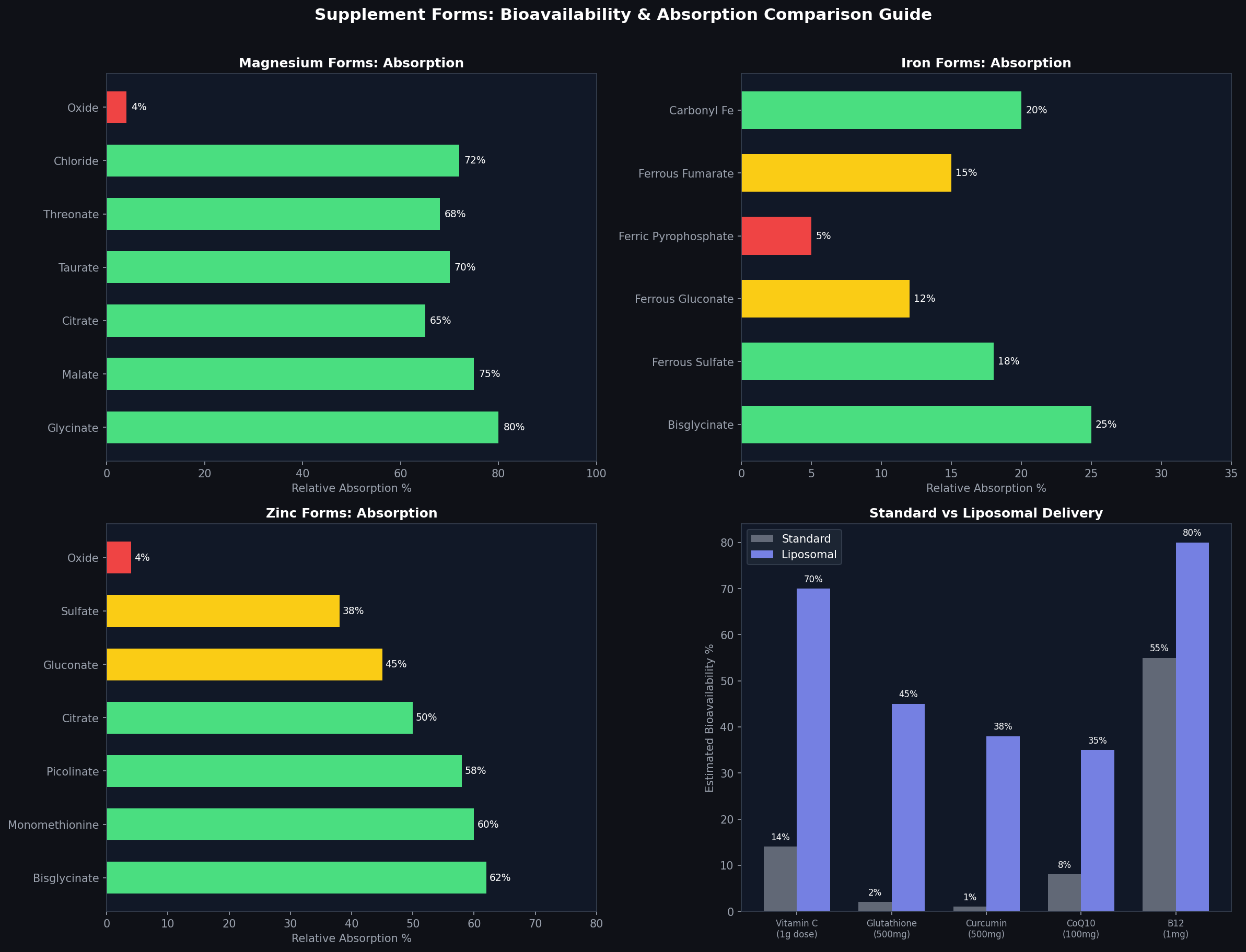
- Magnesium (300-400 mg glycinate or threonate) + zinc (15-30 mg picolinate) in the post-shift meal or before sleep support testosterone production, immune function, and sleep architecture – this ZMA-adjacent combination addresses two of the most common micronutrient depletions in physically and psychologically stressed workers.
- Tart cherry concentrate (480 mg Montmorency extract, twice daily) reduces both muscle soreness (via anti-inflammatory anthocyanins) and supports recovery sleep quality (via melatonin precursor and IDO-pathway support) – addressing two distinct recovery needs with one supplement.
- Omega-3 EPA+DHA (2-3 g/day) reduces post-exercise inflammatory cytokines, blunts DOMS severity, and has documented effects on reducing depression and PTSD symptom severity – a particularly relevant multi-target support for first responders facing both physical and psychological recovery demands.
That combination drives a recovery problem, not just a fatigue problem.

The right supplement stack should help you bounce back between shifts, protect sleep when you finally get the chance, and support the metabolic and nervous-system wear and tear that comes with high-intensity work.
What recovery really means for frontline workers
For people in demanding care and emergency roles, recovery means rehydration, nervous-system downshifting, better sleep quality, muscle recovery, and replacing nutrients after inconsistent eating. You do not need a bodybuilder supplement closet. You need the basics done well.
Best recovery supplements for nurses and first responders
1. Electrolytes and fluids
If you are sweating under gear, walking constantly, lifting patients, or just forgetting to drink for hours, electrolytes are not optional fluff. Even mild dehydration can worsen mood, attention, and physical performance.
Best use: during the shift and immediately afterward
Choose a formula with sodium as the main electrolyte, not just tiny amounts of potassium sprinkled into flavored water.
2. Magnesium glycinate
Magnesium is one of the most useful recovery supplements for stressed professionals. It supports muscle relaxation, nervous-system balance, and sleep quality. Many workers run low from poor diet quality, stress, or both.
Typical dose: 200 to 400 mg before sleep
3. Protein support
Strictly speaking, protein powder is food, not a supplement in the same category as magnesium or taurine, but it belongs here. High-stress shifts often mean low-protein meals and long gaps without eating. That makes recovery harder.
Best use: 20 to 40 grams after shift or as a meal backup
Whey isolate is practical if tolerated. A high-quality beef, egg, or plant protein can also work.
4. Omega-3 fatty acids
Omega-3s support inflammatory balance, cardiovascular health, and brain function. For frontline workers under chronic stress and sleep disruption, this is a strong foundation supplement.
Typical dose: 1 to 2 grams EPA+DHA daily
5. Glycine or taurine for downshifting
Glycine may improve sleep quality and next-day functioning. Taurine supports the nervous system and may feel calming for some people.
Typical dose:
- Glycine: 3 grams before sleep
- Taurine: 1 to 3 grams daily or before the sleep window
Optional add-ons depending on the job
Vitamin D3
If you work indoors or rotate through nights, vitamin D deficiency becomes more likely.
B-complex
Useful when meals are inconsistent and fatigue is compounded by poor nutrition.
Creatine
Creatine supports muscle energy and may have cognitive benefits under stress and sleep deprivation.
Typical dose: 3 to 5 grams daily
A simple real-world recovery stack
Core stack
- Electrolytes during or after shift
- Protein shake or high-protein meal post-shift
- Magnesium glycinate before sleep
- Omega-3 daily
If sleep recovery is poor
- Add glycine before sleep
- Consider taurine if stress feels high and your stack needs a calming edge
If physical strain is intense
- Add creatine daily
What matters more than the supplements
The best recovery stack still loses if you do these things:
- Use caffeine up to the end of the shift
- Skip hydration all day
- Go home into a bright room and stay on your phone
- Treat protein like an optional extra
Frontline recovery is mostly about reducing the damage done by chaos. Supplements help, but the big wins still come from sleep, hydration, food quality, and light control.
FAQ
What is the best recovery supplement for nurses after a 12-hour shift?
Magnesium glycinate is one of the best single choices because it supports both physical relaxation and sleep quality. In practice, though, electrolytes plus protein are often the most immediately useful combination.
Are electrolytes worth it if I am not an athlete?
Yes, especially if you wear PPE, sweat a lot, stand for long periods, or simply do not drink enough during a shift. Many exhausted workers are more dehydrated than they realize.
Does creatine help first responders?
It can. Creatine supports muscle energy and may also help cognitive performance during stress and sleep loss. It is one of the better-researched, lower-risk additions to a recovery stack.
What helps calm down after an emotionally intense shift?
Magnesium, glycine, and taurine can all be useful. The best fit depends on whether the problem is physical tension, mental overactivation, or poor sleep initiation.
Sources
- Ganio MS, et al. Mild dehydration impairs cognitive performance and mood of men. Br J Nutr. 2011.
- Abbasi B, et al. The effect of magnesium supplementation on primary insomnia in elderly: A double-blind placebo-controlled clinical trial. J Res Med Sci. 2012.
- Kreider RB, et al. International Society of Sports Nutrition position stand: safety and efficacy of creatine supplementation in exercise, sport, and medicine. J Int Soc Sports Nutr. 2017.
- Calder PC. Omega-3 fatty acids and inflammatory processes: from molecules to man. Biochem Soc Trans. 2017.
- Bannai M, et al. The effects of glycine on subjective daytime performance in partially sleep-restricted healthy volunteers. Front Neurol. 2012.
This article is for informational purposes only and does not constitute medical advice. If you have hypertension, kidney disease, cardiac arrhythmia, or take prescription sedatives, get individualized medical guidance before using a recovery stack regularly.
Related Articles
- Recovery Stack for Nurses and First Responders Working Brutal Shifts
- Creatine Plus Protein Recovery Stack: The Simplest Two-Supplement Setup That Actually Works
- Best Performance Recovery Supplements in 2026: Train Harder, Recover Faster
- Best Metabolic Stack for Weight Management
- Best Vitamins for Rotating Shift Schedules to Support Energy and Recovery
📚 Part of our Best Supplements for Shift Workers hub. Explore all our shift worker supplement guides.