

Best Probiotic Strains for Constipation
Constipation is one of the most frustrating digestive problems because it is not just about “going less often.” It can also mean hard stools, incomplete evacuation, bloating, abdominal pressure, and a constant sense that the gut is moving too slowly. That is why people often try probiotics. The good news is that some probiotic strains do appear to help bowel regularity. The less-good news is that the evidence is not equal across all products.
If you are unsure whether probiotics alone are the right starting point, our guide on enzymes versus probiotics walks through when each option makes more sense.

If you want the best probiotic strains for constipation, strain identity matters much more than a vague label that says “50 billion CFU.”
Before narrowing down strains, it helps to understand the basics of label reading and quality markers. Our guide on how to choose a probiotic covers what to look for before you buy.
Can probiotics actually help constipation?
Quick Answer: For constipation, the most evidence-supported probiotic strains are Bifidobacterium lactis DN-173 010 (found in Activia), Lactobacillus reuteri DSM 17938, and Bifidobacterium longum BB536. These strains have been specifically studied for improving stool frequency, stool consistency, and gut transit time in clinical trials.
Constipation is just one use case for targeted strains. For a comprehensive overview covering IBS, UTI, mood, and more, see our probiotic strain matching guide.
Sometimes, yes. Reviews of randomized trials suggest that certain probiotics can improve stool frequency, consistency, and whole-gut transit time in some adults. The effects are usually modest, not miraculous, and they work best when constipation is not being driven by an untreated medical disorder, severe pelvic-floor dysfunction, or major medication side effects.
Probiotics should be seen as one tool, often alongside hydration, fiber, movement, and sometimes magnesium or clinician-guided treatment.
Best probiotic strains for constipation support
1. Bifidobacterium lactis HN019
This is one of the better-studied strains for bowel regularity. Human studies suggest it may improve intestinal transit and increase stool frequency in adults with functional constipation or slower transit.
Why it stands out
– evidence for motility support
– often well tolerated
– useful in “sluggish gut” patterns
2. Bifidobacterium animalis subsp. lactis DN-173 010
This strain has been studied in fermented dairy products and has shown potential to shorten colonic transit time in some populations.
Best fit
– mild constipation
– people who tolerate probiotic foods well
3. Lactobacillus casei Shirota
This strain has been studied for digestive regularity and may help stool frequency and consistency in some users, though the evidence is not as consistent as for the best bifidobacteria.
4. Multi-strain formulas with named strains
Some multi-strain probiotics help constipation, but the key is that the formula should list the actual strains and not hide behind marketing language. A named, researched blend is better than a mystery blend with a flashy CFU number.
What probiotics are less likely to help?
Not every probiotic marketed for “gut health” is a constipation probiotic. Some formulas are aimed more at antibiotic-associated diarrhea, immune support, or IBS-related bloating. A generic product may still help, but it is less precise.
How to use probiotics for constipation
Give them enough time
A fair trial is usually 2 to 4 weeks, sometimes longer.
Fix the basics too
Probiotics work better when constipation basics are addressed:
– adequate fluid intake
– enough dietary or supplemental soluble fiber
– walking and movement
– a regular bathroom routine
Watch for the wrong product
If a probiotic worsens bloating significantly without helping stool frequency, it may not be the right formula for you.
When fiber may matter more than probiotics
If you are having infrequent, hard stools and low total fiber intake, psyllium may help more than probiotics alone. Many people chasing probiotics are really under-fibered, under-hydrated, or holding stools too long.
When to get evaluated instead of self-treating longer
Seek medical evaluation if you have
– new constipation after age 50
– rectal bleeding
– unexplained weight loss
– iron-deficiency anemia
– severe or worsening abdominal pain
– constipation alternating with severe diarrhea
Those are not “just microbiome issues.”
Key Takeaways
- Strain specificity matters—not all probiotics improve constipation equally.
- Bifidobacterium lactis DN-173 010, L. reuteri DSM 17938, and B. longum BB536 have the strongest evidence for constipation.
- Probiotics work best for constipation when combined with adequate fiber and hydration.
- Expect 4–8 weeks before meaningful improvement—probiotics require consistent use to show results.
- Magnesium glycinate or citrate is often a faster and more reliable option for acute constipation relief.
- Probiotics are more useful for chronic constipation patterns than occasional episodes.
Why Probiotic Strain Choice Matters for Constipation
Constipation can result from slow gut transit, inadequate fiber, dehydration, medication side effects, gut microbiome disruption, or stress. Probiotics address the microbiome-related component specifically. Different strains interact differently with gut motility pathways—the strains most useful for constipation tend to produce metabolites that increase peristaltic contractions, soften stool through water retention effects, and modulate serotonin pathways in the gut-brain axis.
Evidence-Based Strain Recommendations
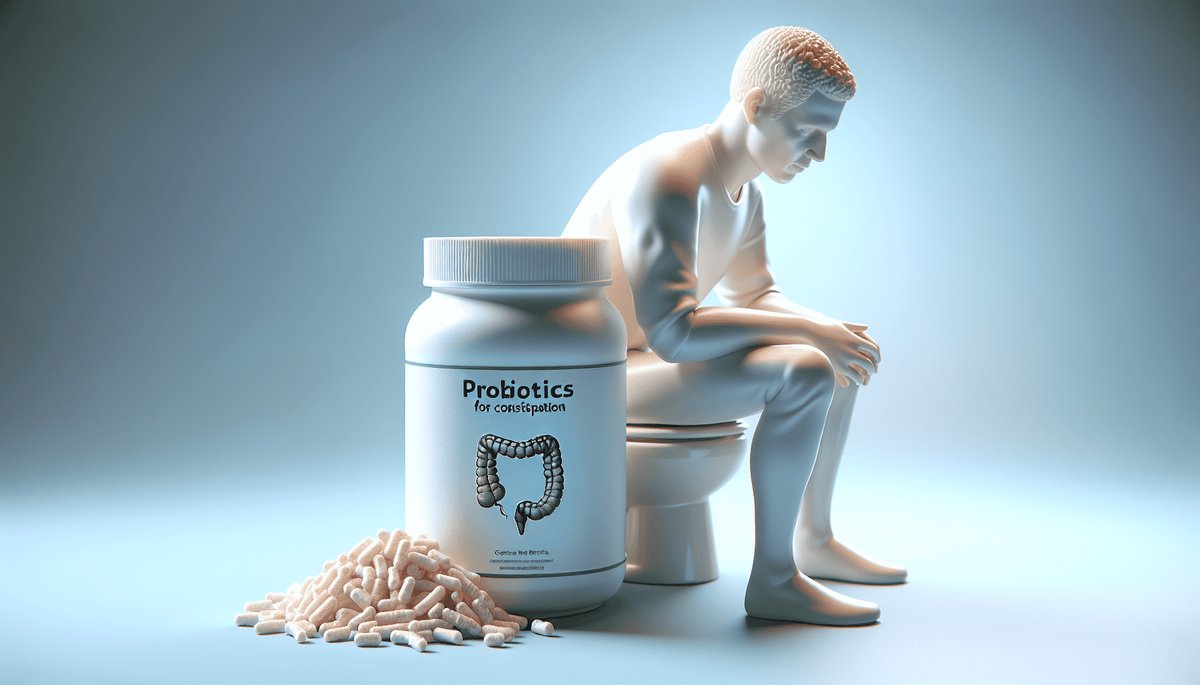
Bifidobacterium lactis DN-173 010 (found in Dannon Activia yogurt) has multiple published clinical trials supporting improvements in gut transit time and stool frequency in adults with functional constipation. Lactobacillus reuteri DSM 17938 has shown improved stool frequency in both infants and adults—available in supplements from BioGaia as Gastrus. Bifidobacterium longum BB536 has shown improvements in stool consistency and frequency across multiple trials—manufactured by Morinaga Milk in Japan.
How to Use Probiotics Effectively for Constipation
Taking a probiotic alone without addressing diet and hydration is unlikely to produce meaningful change. Choose the right strain based on availability, add soluble fiber (psyllium husk 5–10 g/day in adequate water), ensure minimum 8 cups of water daily, add 30+ minutes of weight-bearing activity on most days, and take the probiotic at the same time daily ideally with a small amount of food.
When to Use Magnesium Instead
For acute constipation, probiotics are too slow. Magnesium glycinate (200–400 mg at night) or magnesium citrate draws water into the colon and typically produces results within 24–48 hours. This is often a more practical choice for occasional constipation while probiotics address the chronic pattern over time.
Red Flags That Warrant Medical Evaluation
Chronic constipation that does not respond to dietary changes, fiber, and probiotic support over 6–8 weeks warrants evaluation by a healthcare provider. Particularly if constipation is new, accompanied by blood in stool, significant pain, or weight loss, professional assessment should precede supplement experimentation.
Frequently Asked Questions
What is the best probiotic strain for constipation?
Bifidobacterium lactis HN019 is one of the stronger candidates based on bowel-regularity research, but the best choice still depends on the individual.
How long do probiotics take to help constipation?
Usually at least 2 to 4 weeks.
Are probiotics better than fiber for constipation?
Not always. Fiber, especially psyllium, often deserves priority if intake is low.
Can probiotics make constipation worse?
Some products can increase bloating or discomfort. If the formula is not helping after a fair trial, it may not be the right strain.
References
– Dimidi E, Christodoulides S, Fragkos KC, Scott SM, Whelan K. The effect of probiotics on functional constipation in adults: a systematic review and meta-analysis. Am J Clin Nutr. 2014.
– Miller LE, Ouwehand AC, Ibarra A. Effects of probiotic-containing products on stool frequency and intestinal transit in constipated adults: systematic review and meta-analysis of randomized controlled trials. Ann Gastroenterol. 2017.
– Waller PA, et al. Dose-response effect of Bifidobacterium lactis HN019 on whole gut transit time and functional gastrointestinal symptoms. Scand J Gastroenterol. 2011.
– Marteau P, et al. Effects of fermented milk containing Bifidobacterium animalis DN-173 010 on colonic transit time in adults. Aliment Pharmacol Ther. 2002.
– Moayyedi P, et al. The effect of fiber supplementation on irritable bowel syndrome. Am J Gastroenterol. 2014.
This article is informational only and is not medical advice. Chronic constipation can be related to thyroid disease, medications, pelvic-floor disorders, neurologic disease, or colorectal conditions that should not be missed.
Related Articles
- Postbiotic Blends for Gut Barrier Repair
- Prebiotics vs Probiotics: What’s the Difference?
- Butyrate Supplements for Gut Lining Support
- Heat-Stable Gut Supplements That Actually Work
- Best Postbiotics for Bloating
Sources
- Systematic reviews on probiotics and constipation. PubMed search.
- Reviews on postbiotics and gut barrier function. PubMed search.
- Reviews on butyrate and gut health. PubMed search.
- National Institutes of Health Office of Dietary Supplements. Probiotics fact sheet for health professionals.
- Trials on Bifidobacterium strains and constipation outcomes. PubMed search.
📚 Part of our Best Probiotics in 2026 hub. Explore all our probiotic and gut health guides.



Leave a Reply