Magnesium Spray, Oil & Lotion: Benefits, Absorption & How to Use Them
Quick Answer: Topical magnesium products — sprays, oils, and lotions — may provide modest transdermal magnesium absorption, though the evidence is less robust than for oral supplementation. The strongest case for topical use is for people who experience GI side effects from oral magnesium, those with localized muscle soreness, and individuals looking for a complementary delivery method. For raising systemic magnesium levels, oral supplementation remains the gold standard; topical products can support but likely not replace it.
The magnesium oil spray sitting in the health section of natural food stores represents an interesting intersection of ancient practice and modern biochemistry. Magnesium chloride dissolved in water forms a dense, slightly oily-feeling solution that can be sprayed or rubbed onto skin. Advocates claim it delivers magnesium directly into the body, bypassing the gut entirely and raising tissue magnesium levels more efficiently. Skeptics — including some magnesium researchers — point out that skin is designed to keep things out, and question whether meaningful amounts cross the dermal barrier.
The truth, as is often the case in nutrition science, falls somewhere between the marketing claims and the skeptical dismissal. Transdermal magnesium absorption does appear to occur, based on available evidence, but the magnitude of that absorption is modest compared to oral supplementation and varies considerably by individual, application site, and product concentration.
Here’s what the research actually shows — and how to use topical magnesium productively.
What Is Magnesium Oil, Spray, and Lotion?
Despite the name, magnesium “oil” contains no actual oil. It’s a highly concentrated solution of magnesium chloride (MgCl₂) in water, which takes on a slightly oily texture due to its density and the way it interacts with skin. When sprayed or applied, the water evaporates and a residue of magnesium chloride is left on the skin surface, from which some magnesium may be absorbed.
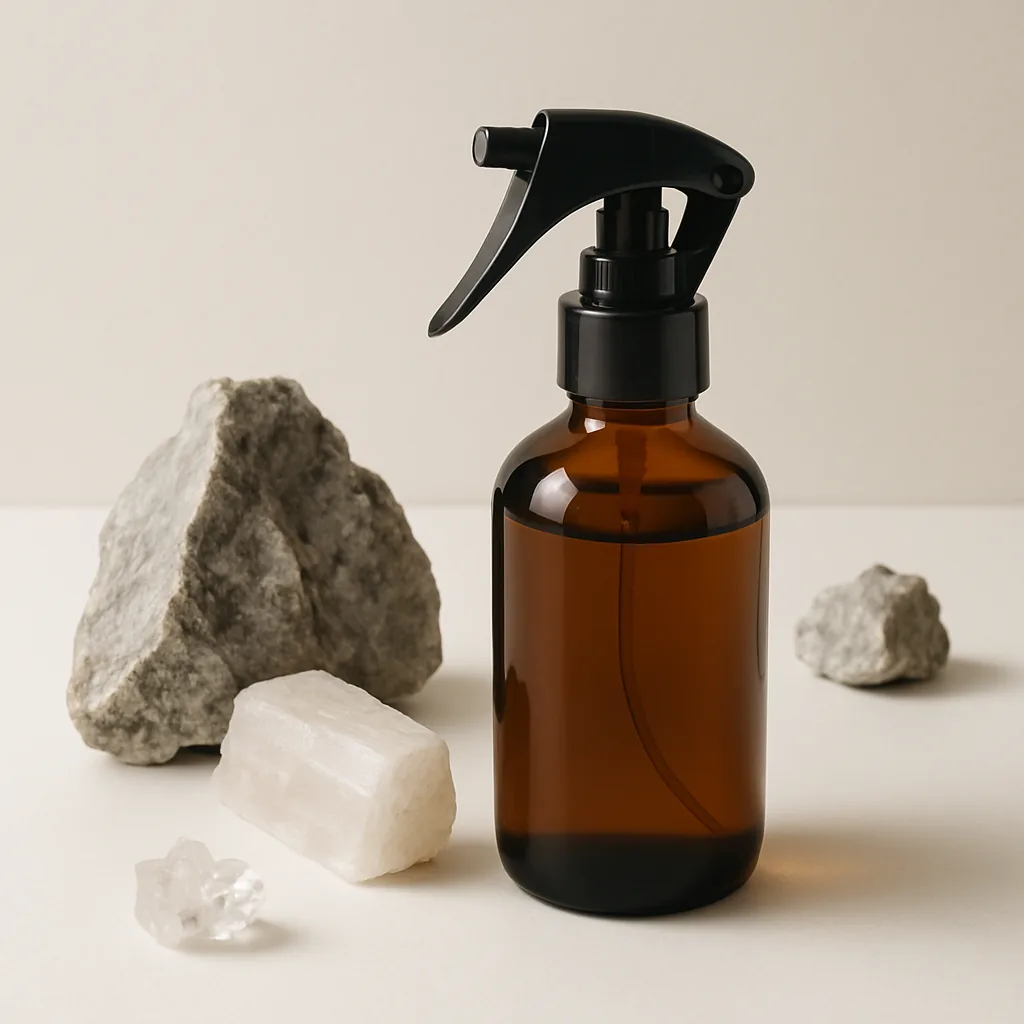
Magnesium sprays are essentially the same product in a spray-bottle format for easier application. Magnesium lotions incorporate the magnesium chloride into an emollient base (typically with skin-conditioning ingredients like shea butter or coconut oil) for a more cosmetically pleasant experience with potentially better skin contact time.
All three formats use magnesium chloride as the active form, which is distinct from the magnesium forms used in oral supplements (glycinate, citrate, oxide, etc.). Magnesium chloride is well-suited for topical use because it’s highly soluble and doesn’t require acidic conversion to ionize — it’s already in ionic form in solution.
The Transdermal Absorption Question
Human skin is a remarkable barrier, designed by evolution specifically to prevent substances from moving freely between the body and the external environment. The stratum corneum — the outermost layer of dead skin cells embedded in lipid bilayers — is the primary barrier. Most hydrophilic (water-attracting) molecules, including magnesium ions, struggle to cross it because they have difficulty penetrating the lipid-rich matrix.
This is the core scientific objection to transdermal magnesium: the ion is too hydrophilic to penetrate the stratum corneum in meaningful amounts through passive diffusion alone. This position was long the consensus among dermatologists and pharmacologists.
However, the story has become more nuanced with closer examination of specific pathways. Research has identified that the hair follicle pathway may bypass the stratum corneum barrier. Magnesium ions can penetrate through follicular orifices (the openings around hair shafts), particularly when skin is warm and pores are dilated — which helps explain the long-standing advice to use magnesium products after a warm bath or shower.
Key Studies on Transdermal Magnesium
Kass et al., 2017 (Biological Trace Element Research): This controlled trial applied magnesium chloride solution to the forearm skin of healthy volunteers for 12 weeks and measured urinary magnesium excretion and serum magnesium. The study found a statistically significant increase in serum and urinary magnesium in the treatment group compared to placebo, suggesting systemic absorption occurred. The magnitude was modest — mean serum magnesium increase was approximately 0.03 mmol/L — but consistent and measurable.
Chandrasekaran et al., 2016 (Nutrients): This study used a human skin model (ex vivo) to examine magnesium chloride penetration. They found that magnesium chloride at high concentrations did cross the epidermis, with penetration enhanced by prolonged contact time and higher concentration of the solution.
Waring, R.J. (University of Birmingham, 2006): This early study had participants soak in magnesium sulfate (Epsom salt) baths for 12 minutes. Post-soak serum and urine magnesium levels were measured and found to be increased in 19 of 19 participants. Critics have noted methodological limitations (no control group, funding source), but the study established the concept of bath-based transdermal magnesium absorption.
The overall picture: transdermal magnesium absorption is real but modest. It is not equivalent to oral supplementation in terms of systemic magnesium delivery, and it is not a reliable primary strategy for correcting significant magnesium deficiency.
The Case for Topical Magnesium (When It Makes Sense)
Despite the limited systemic delivery, there are genuine use cases where topical magnesium makes practical sense:
GI Intolerance to Oral Magnesium
The most compelling use case for topical magnesium is in people who cannot tolerate oral forms. Magnesium’s osmotic laxative effect is dose-dependent — many people experience loose stools or diarrhea at oral doses needed to correct deficiency. Some individuals have GI conditions (IBD, IBS) that further complicate oral supplementation.
For these people, topical magnesium offers a way to increase overall magnesium intake without GI consequences. Even if absorption is modest compared to oral forms, consistent daily application can meaningfully supplement dietary intake over time.
Localized Muscle Recovery and Soreness
Sports massage therapists and athletes have long used Epsom salt soaks and magnesium oil for muscle recovery. The question of whether this is primarily systemic (magnesium entering the bloodstream) or local (topical effect on muscle tissue through the skin) hasn’t been definitively answered, but empirical reports of reduced muscle soreness and faster recovery are consistent and widespread.
Magnesium’s role in muscle relaxation (as a physiological calcium antagonist in smooth and skeletal muscle) is well-established. Whether topical application achieves meaningful local tissue concentrations sufficient to produce muscle relaxation is plausible but unproven. The experience of relief from topical magnesium application may involve local effects, systemic absorption, the warmth of the application process, or all three.
Sleep Ritual Support
Many people find that applying magnesium oil or lotion as part of a bedtime routine — often to the feet or legs — contributes to relaxation and better sleep. Whether this is systemic magnesium absorption, the tactile ritual itself, or some local dermal effect is difficult to disentangle. The practical outcome — a relaxing pre-sleep routine — has value regardless.
Children Who Resist Oral Supplements
Some parents use magnesium lotion or spray on children who won’t take oral supplements. The dosing is inexact and the absorption uncertain, but for children with known magnesium deficiency or anxiety/sleep issues, topical application may be a practical bridge.
How to Use Magnesium Spray and Oil Effectively
If you decide to use topical magnesium, here are evidence-informed guidelines for maximizing absorption:
Apply after a warm shower or bath. Warmth dilates pores and may enhance follicular pathway absorption. This is the most consistently recommended timing in the literature.
Use the inner arms, abdomen, or thighs. Skin thickness varies considerably across the body. Thinner skin with denser follicular distribution — inner arms, abdomen, inner thighs — may allow better absorption than thicker areas like the soles of feet, despite foot application being popular.
Allow adequate contact time. Leave magnesium oil or spray on skin for at least 20–30 minutes before washing off. Lotion formulas with emollient bases provide longer contact time naturally.
Use consistently. One application per week won’t meaningfully supplement magnesium status. Daily use is the standard protocol in studies that showed measurable effects.
Expect a tingling sensation. Magnesium chloride can cause mild tingling or itching on first application, especially on sensitive skin. This typically diminishes with regular use. If itching is significant, a lotion form (which has lower direct MgCl₂ concentration) may be better tolerated, or diluting the spray with water.
Be realistic about systemic effects. If you have a significant magnesium deficiency or are targeting a specific health outcome (PMS, sleep, anxiety), topical magnesium alone is unlikely to be sufficient. Use it alongside dietary improvement and possibly oral supplementation.
Magnesium Flakes and Epsom Salt Baths
Related to magnesium spray are two other topical formats:
Magnesium chloride flakes: These are dissolved in a warm bath for a full-body soak. The higher surface area exposure and warmth make bath-based magnesium delivery potentially more effective than localized spray application. Many people with muscle soreness, fibromyalgia, or stress use magnesium flake baths 2–3 times per week.
Epsom salts (magnesium sulfate): The traditional muscle soak. Magnesium sulfate is less concentrated in magnesium than magnesium chloride (MgSO₄ is about 10% magnesium by weight vs. ~12% for MgCl₂), but is widely available and inexpensive. The Waring study mentioned above used Epsom salts specifically. For cost-effective bathing supplementation, Epsom salts are accessible and reasonable.
Both formats — whether you view them as primarily systemic or primarily local — have a long history of empirical use for muscle recovery and relaxation that is consistent with magnesium’s biological roles.
Magnesium Lotion vs. Magnesium Spray: Which Is Better?
The choice between spray and lotion formats largely comes down to application convenience and skin sensitivity:
Magnesium sprays: Allow targeted application to specific muscle groups. Convenient for travel. Can feel sticky or irritating on sensitive skin.
Magnesium lotions: More skin-friendly, cosmetically elegant, and may provide longer contact time due to the emollient base. Some formulas include additional skin-benefiting ingredients (vitamin E, aloe). Often preferred for daily use as part of a skincare routine.
Neither format has been shown in direct comparative studies to deliver meaningfully different amounts of magnesium systemically. Choose based on your skin type and use pattern.
Comparing Topical vs. Oral Magnesium
Feature
Oral Magnesium
Topical Magnesium
Systemic delivery
High (form-dependent)
Modest (variable)
GI side effects
Possible (dose-dependent)
None
Evidence base
Strong RCT data
Limited but emerging
Best for
Deficiency correction, sleep, PMS
GI-sensitive users, muscle recovery, bath ritual
Dose control
Precise (mg on label)
Approximate
Cost
Low–moderate
Moderate–high per unit
Absorption site
Intestinal
Transdermal (follicular)
The bottom line: oral and topical magnesium are complementary, not competing. Most people who use topical magnesium would benefit from combining it with dietary magnesium sources and possibly oral supplementation at a lower dose.
Addressing the Skeptics’ Concerns
It’s fair to note that some researchers remain skeptical about transdermal magnesium. A 2017 critical review by Gröber et al. in Nutrients examined the evidence and concluded that while some absorption does occur, the amounts are likely too small to correct magnesium deficiency in most people, and they cautioned against marketing claims that overstate the systemic benefits of topical magnesium.
This criticism is valid as applied to those claims. Where I’d push back slightly: “can’t correct deficiency alone” is different from “provides no benefit.” As a complementary strategy, ritual support, and GI-sensitive alternative, topical magnesium has a reasonable place in a comprehensive magnesium intake approach — it just shouldn’t be the only strategy for anyone with meaningful deficiency.
It depends on your goal. For skin-local effects and as part of a relaxation ritual, yes — consistently reported by users. For correcting systemic magnesium deficiency, evidence supports modest absorption but insufficient to rely on topical magnesium alone. For GI-sensitive individuals, it provides a meaningful complementary delivery route.
Where should I spray magnesium oil?
Inner arms, abdomen, thighs, and calves are commonly used sites. Apply after a warm shower, leave on 20–30 minutes, and rinse if the residue is uncomfortable. Avoid broken or irritated skin.
Is magnesium oil the same as magnesium spray?
Essentially yes — both are concentrated magnesium chloride in water. “Oil” refers to the texture, not actual oil content. Spray formats are the same formula in a spray bottle for easier application.
Can topical magnesium help with sleep?
Many users report improved relaxation and sleep quality with nightly magnesium lotion or spray application. Whether this is primarily due to systemic absorption, local skin effects, or the calming ritual is unclear. The practical benefit is consistent across user reports.
Will magnesium oil tingle or burn?
A mild tingling sensation is common on first application, particularly on sensitive skin. This typically decreases with regular use. Diluting the spray with water (1:1) or switching to a lotion format usually eliminates the issue.
How long does it take to see results from magnesium spray?
Consistent daily use for 4–8 weeks is typically needed to assess benefits. The effects are gradual rather than immediate.
Key Takeaways
Topical magnesium products (spray, oil, lotion) use magnesium chloride dissolved in water; “magnesium oil” contains no actual oil.
Transdermal magnesium absorption does occur, primarily through the hair follicle pathway, but is modest compared to oral supplementation.
The strongest use cases for topical magnesium are: GI intolerance to oral forms, localized muscle recovery, and relaxation/sleep rituals.
Apply to thinner-skinned areas (inner arms, abdomen, thighs) after warming the skin with a shower or bath for best absorption.
Magnesium chloride flakes dissolved in a warm bath may provide better systemic delivery than localized spray application.
Topical magnesium is best viewed as a complement to dietary sources and oral supplementation, not a primary strategy for correcting significant deficiency.
Lotion formats are better tolerated by those with skin sensitivity; spray formats allow more targeted application.
Sources
Kass, L., et al., “Effect of transdermal magnesium cream on serum and urinary magnesium levels in humans: A pilot study,” Biological Trace Element Research, 2017.
Chandrasekaran, N.C., et al., “Permeation of topically applied magnesium ions through human skin is facilitated by hair follicles,” Magnesium Research, 2016.
Waring, R.J., “Report on Absorption of Magnesium Sulfate (Epsom Salts) Across the Skin,” University of Birmingham, 2006.
Gröber, U., et al., “Myth or Reality — Transdermal Magnesium?” Nutrients, 2017.
Rosanoff, A., “Magnesium supplements: An Update on the Clinical Significance of Low Magnesium Levels,” Nutrition Reviews, 2012.
Siener, R., and Hesse, A., “Urinary oxalate excretion in subjects on a low-oxalate diet: sources of magnesium supplementation,” Magnesium Research, 2004.
Office of Dietary Supplements, NIH, “Magnesium — Health Professional Fact Sheet,” updated 2022.







Leave a Reply