Fertility Supplements for Women: What the Evidence Actually Shows
Quick Answer: The fertility supplements with the strongest clinical evidence for women include CoQ10 (improves egg quality, particularly for women over 35), myo-inositol (improves ovarian function and insulin sensitivity in PCOS), folate/methylfolate (essential for neural tube prevention and cell division), vitamin D (strongly associated with fertility outcomes), and iron (necessary for ovulatory function). Others like DHEA (for diminished ovarian reserve) and NAC have emerging evidence. No supplement replaces a comprehensive evaluation by a reproductive endocrinologist, but strategic supplementation is part of evidence-based preconception care.
One in eight American couples struggles with infertility, defined as inability to conceive after 12 months of regular unprotected intercourse (or 6 months for women over 35). For women facing this challenge — or for those who are planning to conceive and want to optimize fertility proactively — the supplement landscape is confusing, expensive, and often oversimplified by both conventional medicine (which dismisses most supplements) and the natural fertility community (which sometimes makes unsupportable claims).
The truth is that specific supplements have meaningful clinical evidence for specific fertility-related mechanisms, and the best approach depends on the particular issue: egg quality, ovarian reserve, hormonal balance, PCOS-related anovulation, or general preconception optimization.
This guide covers the evidence-based fertility supplements for women with specific mechanisms, clinical study data, and how they fit into a broader preconception care strategy.
The Biology of Female Fertility: Where Supplements Have Impact
Female fertility depends on several interconnected biological processes, each of which can be influenced by nutritional status:
Egg (oocyte) quality: The oocyte is the largest cell in the human body and has extraordinary mitochondrial energy demands during meiotic division. Mitochondrial dysfunction — which increases with age — is a primary cause of declining egg quality in women over 35. CoQ10 and other mitochondrial support nutrients address this mechanism.
Ovarian reserve: The number of follicles (egg-containing structures) available. Diminished ovarian reserve (DOR) is associated with declining AMH (anti-Müllerian hormone). DHEA and CoQ10 have been studied for DOR.
Ovulation: Regular ovulation requires appropriate gonadotropin signaling, healthy insulin sensitivity (dysregulated in PCOS), and adequate nutrient availability. Myo-inositol, vitamin D, NAC, and magnesium all influence ovulatory function.
Hormonal balance: FSH, LH, estrogen, progesterone, and androgens must be precisely coordinated for a normal cycle. Several nutrients support this hormonal symphony, with vitamin D and zinc playing particularly important roles.
Implantation and early pregnancy: Even after conception, numerous nutrients are needed for successful implantation, placentation, and fetal development. Folate is the non-negotiable priority here.
Thyroid function: Subclinical hypothyroidism is a common and often undiagnosed cause of fertility challenges. Selenium, iodine, and zinc support thyroid function.
CoQ10: The Egg Quality Powerhouse
Coenzyme Q10 is the most evidence-backed supplement for female fertility in women over 35, or any woman with concerns about egg quality or ovarian reserve. Here’s why: oocyte maturation and fertilization require enormous amounts of cellular energy (ATP), generated by mitochondria. CoQ10 is the rate-limiting component of the mitochondrial electron transport chain. As women age, CoQ10 levels in oocytes decline — paralleling the decline in egg quality.
Animal studies first demonstrated this connection dramatically: old mice supplemented with CoQ10 showed reversal of age-related fertility decline, with improved ovarian reserve and oocyte quality comparable to younger mice (Ben-Meir et al., 2015, Aging Cell).
Human evidence:
A 2018 RCT by Xu et al. in Reproductive Biology and Endocrinology examined CoQ10 supplementation (600 mg/day) in poor ovarian responders undergoing IVF. CoQ10-treated women produced more mature oocytes, had higher fertilization rates, and higher-quality embryos compared to controls.
Multiple observational studies have found higher CoQ10 levels in follicular fluid correlate with better embryo quality and IVF outcomes.
A 2015 randomized pilot study by Bentov et al. found 600 mg/day CoQ10 for 2 months improved ovarian response in poor responders.
Practical guidance:
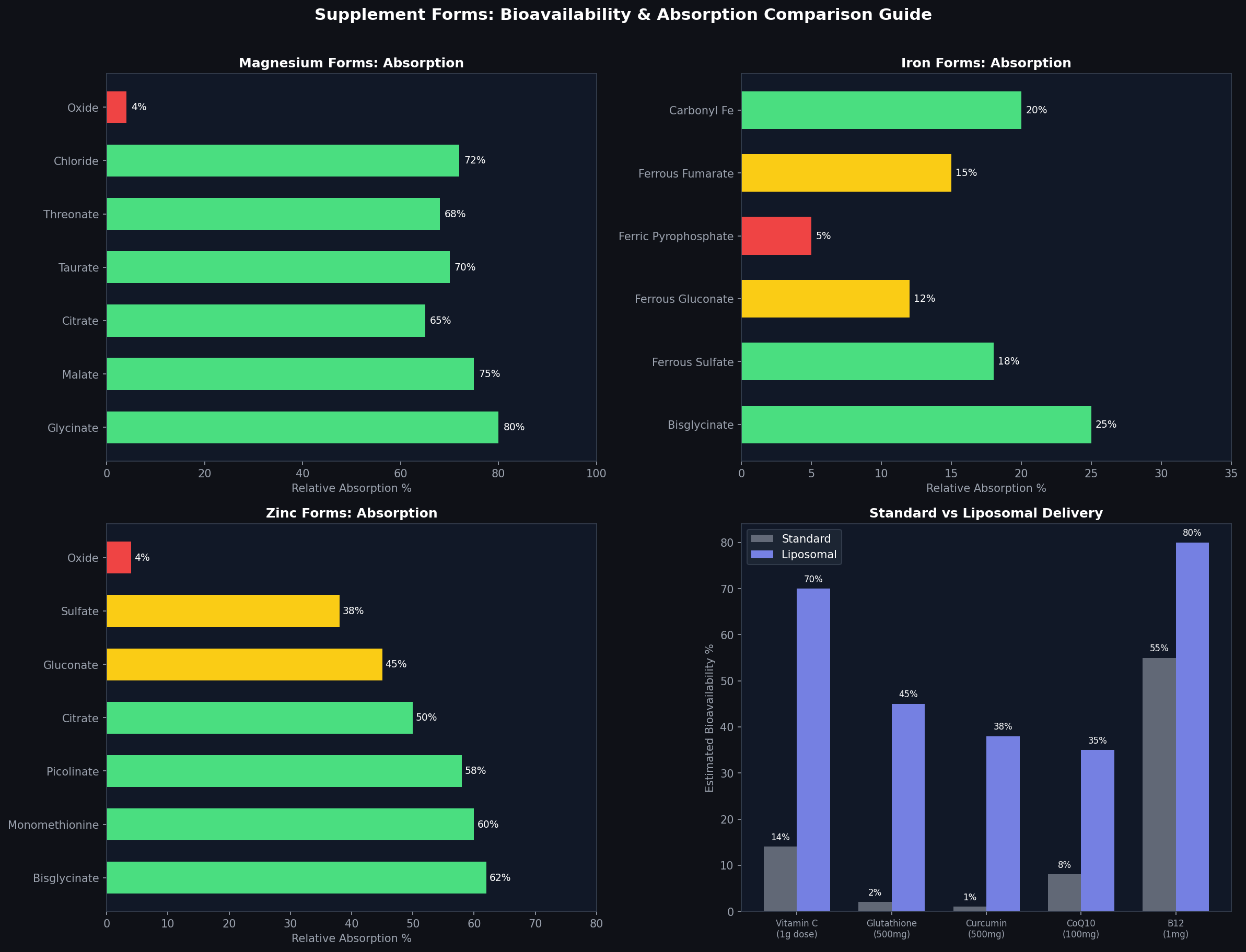
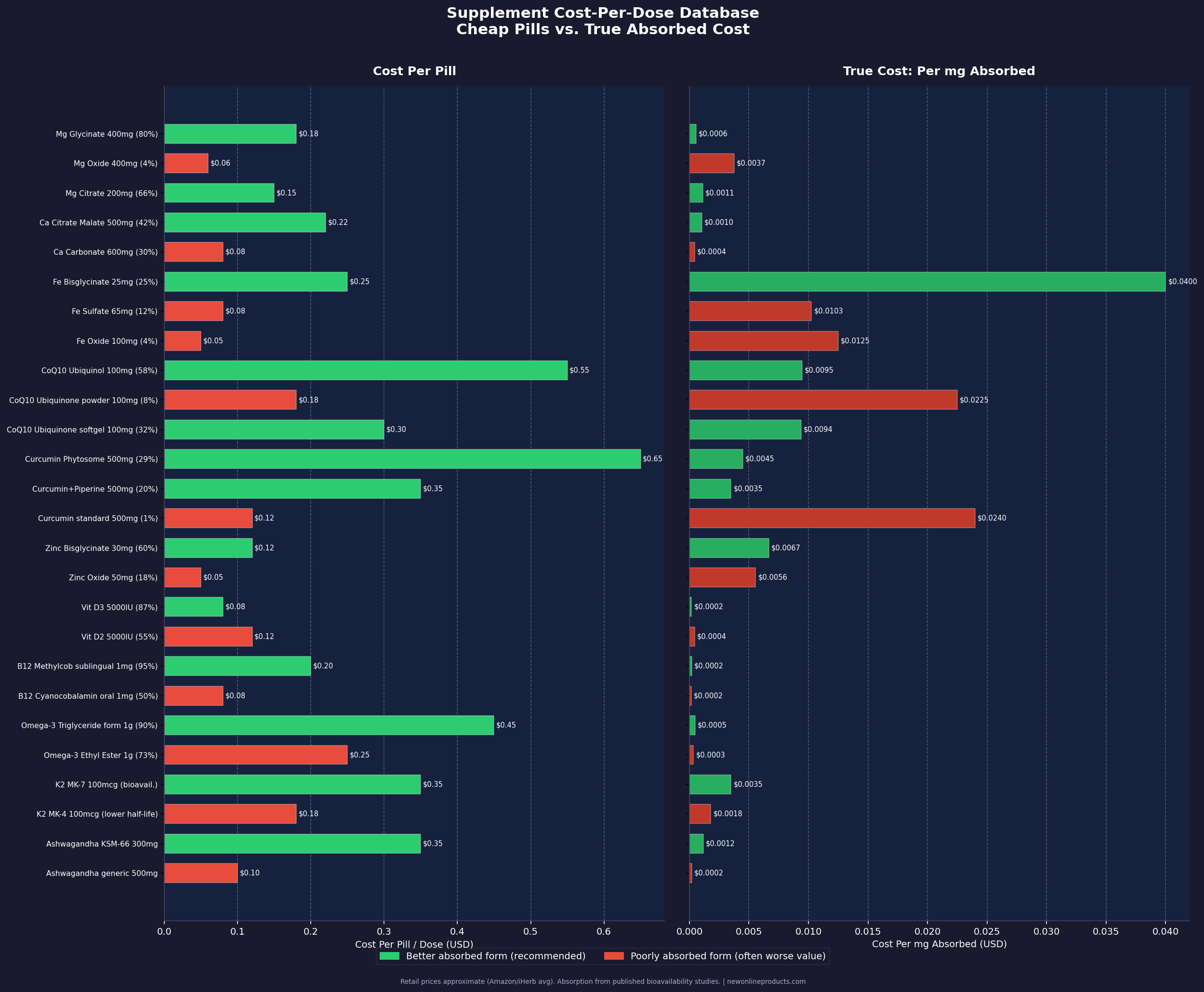
Dose: 400–600 mg/day of ubiquinol (the reduced, active form; better absorbed than ubiquinone, particularly for women over 35).
Timing: Begin supplementation 3 months before trying to conceive or before IVF cycle, as egg maturation takes approximately 90 days.
Form: Ubiquinol (reduced CoQ10) is significantly better absorbed than ubiquinone (oxidized form) in most adults, particularly those with mitochondrial function concerns.
Myo-Inositol: The PCOS Game-Changer
Polycystic ovary syndrome (PCOS) affects approximately 1 in 10 women of reproductive age and is the leading cause of anovulatory infertility. PCOS is characterized by hyperandrogenism, irregular cycles, polycystic ovaries on ultrasound, and typically insulin resistance.
Myo-inositol is a naturally occurring sugar alcohol that functions as a secondary messenger in insulin signaling. In women with PCOS, inositol metabolism is dysregulated — specifically, the ratio of myo-inositol to D-chiro-inositol in ovarian follicular fluid is disrupted. Restoring this balance with supplemental myo-inositol improves ovarian insulin sensitivity, reduces androgen levels, restores more regular cycles, and improves egg quality.
Clinical evidence for myo-inositol in PCOS:
A 1999 landmark RCT by Nestler et al. in New England Journal of Medicine showed that D-chiro-inositol improved ovulation rates and reduced testosterone in PCOS women.
Multiple subsequent studies have established that myo-inositol is superior to D-chiro-inositol for PCOS fertility outcomes, possibly because myo-inositol is the dominant form in follicular fluid.
A 2011 meta-analysis by Cheang et al. confirmed myo-inositol improved menstrual regularity, reduced androgen levels, and improved insulin sensitivity in PCOS women.
A 2012 RCT by Ciotta et al. found myo-inositol supplementation in PCOS women undergoing IVF improved oocyte quality and pregnancy rates vs. metformin.
Dose: 4 g myo-inositol + 400 mcg folic acid daily (the combination used in most trials). The ratio of myo-inositol to D-chiro-inositol of 40:1 has been recommended in consensus guidelines.
For non-PCOS women: Myo-inositol may still support general ovarian function and egg quality but the evidence is strongest for PCOS-related anovulation.
Folate (Methylfolate): The Non-Negotiable Preconception Nutrient
Folate (vitamin B9) is universally recommended in preconception care because folate deficiency in the weeks before and after conception causes neural tube defects (NTDs) — serious birth defects of the brain and spine (spina bifida, anencephaly). NTDs develop in the first 28 days after conception — before most women know they’re pregnant — making pre-conception supplementation critical.
Beyond NTD prevention, folate is required for DNA synthesis, cell division, and homocysteine methylation. Elevated homocysteine is associated with recurrent miscarriage in some studies.
The MTHFR gene variant issue: Approximately 40–60% of the population has a common variant in the MTHFR gene that impairs conversion of folic acid to the active 5-methyltetrahydrofolate (5-MTHF). For these individuals, supplementing with folic acid (the synthetic form in most prenatal vitamins) may be insufficient. Methylfolate (5-MTHF) supplements bypass this conversion step and are increasingly recommended as the preferred form.
Dose: 400 mcg/day methylfolate minimum (standard recommendation for neural tube prevention). Women with MTHFR variants, prior NTD pregnancy, or other risk factors: 800–4000 mcg under obstetric guidance.
Begin supplementation: At least 1–3 months before trying to conceive.
Vitamin D: The Fertility Vitamin That’s Often Deficient
Vitamin D is both a nutrient and a prohormone, with receptors in ovarian tissue, endometrium, and pituitary. Vitamin D deficiency — defined as serum 25-OH-D below 20 ng/mL — is present in an estimated 40–50% of reproductive-age women in the U.S. and is significantly more common in dark-skinned populations.
The association between vitamin D and fertility outcomes:
A 2018 systematic review and meta-analysis by Chu et al. in Human Reproduction found women with 25-OH-D levels above 30 ng/mL had 46% higher live birth rates in IVF cycles than vitamin D-deficient women.
A meta-analysis by Fung et al. (2017) confirmed vitamin D-sufficient women had significantly higher clinical pregnancy and live birth rates in IVF compared to deficient women.
Endometrial receptivity to embryo implantation appears to be vitamin D-dependent — women with higher vitamin D show more favorable endometrial gene expression patterns.
For general fertility optimization: Check serum 25-OH-D levels before supplementing. Most reproductive endocrinologists aim for serum levels of 40–60 ng/mL in women trying to conceive.
Dose: 1000–4000 IU vitamin D3 daily, adjusted based on serum levels. Take with vitamin K2 (MK-7, 100–200 mcg) to direct calcium to bones rather than soft tissues at higher D3 doses.
Iron: The Ovulatory Mineral
Iron deficiency is the world’s most common nutritional deficiency and is strongly associated with ovulatory infertility — a 2006 prospective study by Chavarro et al. (Obstetrics and Gynecology) found that women with the highest non-heme iron intake had 40% lower risk of ovulatory infertility than those with the lowest intake.
Iron is required for ribonucleotide reductase — an enzyme essential for DNA synthesis and cell division. Iron deficiency impairs the rapid cell division required during oocyte maturation and early embryo development.
For women at risk of iron deficiency (vegetarians/vegans, women with heavy menstrual bleeding, those who’ve recently donated blood), iron supplementation before conception addresses a potentially significant fertility-impairing deficiency.
Check ferritin: A serum ferritin test identifies iron store status. Ferritin below 30 ng/mL suggests suboptimal stores even with normal hemoglobin. Many fertility specialists target ferritin above 50 ng/mL in women trying to conceive.
Best form: Iron bisglycinate (see our Iron Bisglycinate guide) at 25–50 mg elemental iron daily with vitamin C. Avoid supplementing if ferritin is already in the higher-normal range — excess iron is pro-oxidative and not benign.
DHEA: For Diminished Ovarian Reserve
DHEA (dehydroepiandrosterone) is an adrenal prohormone and the primary androgen precursor. Somewhat counterintuitively, supplemental DHEA has been studied specifically for women with diminished ovarian reserve (DOR) — low egg quantity — where some evidence suggests androgens actually support follicular development in early stages.
A 2011 pilot study by Gleicher et al. (Reproductive Biology and Endocrinology) found that women with DOR who supplemented with DHEA for 4–5 months before IVF had significantly improved ovarian response, better embryo quality, and higher pregnancy rates than historical controls.
A 2014 meta-analysis by Nagels et al. examined DHEA supplementation in poor responders and found improved live birth rates in women undergoing IVF.
Caution: DHEA is a steroid hormone precursor. Women with PCOS (already androgen-excess) should not take DHEA. It may cause acne, hair growth, and menstrual irregularity. Use only under the guidance of a reproductive endocrinologist. Typical research dose: 25–75 mg/day for 3–4 months pre-IVF.
N-Acetyl Cysteine (NAC): The Antioxidant for PCOS and Endometriosis
NAC is a precursor to glutathione — the body’s master antioxidant. Oxidative stress in the ovarian follicular environment is implicated in poor egg quality, and NAC addresses this by replenishing glutathione.
For PCOS, NAC has evidence as an adjunct to ovulation induction:
A 2007 cross-over trial by Badawy et al. found that NAC (1.8 g/day) combined with clomiphene citrate significantly improved ovulation rates in PCOS women compared to clomiphene alone — supporting NAC as an augmentation strategy for ovulation induction rather than a standalone replacement.
NAC has also shown promise in reducing endometriosis-related dyspareunia and promoting ovulation in endometriosis-related infertility in small trials.
Dose: 600 mg three times daily (1.8 g/day) for PCOS-related fertility support.
Omega-3 Fatty Acids and Fertility
Omega-3 fatty acids — particularly DHA — are essential components of cell membranes in oocytes and early embryos. DHA is concentrated in the egg cell membrane and is required for fertilization signaling and early embryo development. EPA’s anti-inflammatory effects may reduce the inflammatory endometrial environment that impairs implantation.
A 2015 prospective study by Gaskins et al. in Human Reproduction found that higher omega-3 fatty acid intake was associated with better ovarian reserve (higher AMH, higher antral follicle count). A 2018 systematic review confirmed associations between omega-3 status and fertility outcomes.
Dose: 1–2 g EPA+DHA daily. Algae-based DHA is appropriate for vegetarians/vegans and is the original source of marine omega-3s (fish get their DHA from algae). See our Algae Omega-3 guide.
Selenium and Thyroid Function
Selenium is essential for thyroid hormone conversion (T4 → T3) and for selenoprotein P synthesis in thyroid tissue. Subclinical hypothyroidism — with TSH above 2.5 mIU/L — is associated with impaired fertility and early pregnancy loss. Selenium deficiency contributes to thyroid dysfunction and is common in areas with selenium-poor soil.
A 2007 RCT by Negro et al. found selenium supplementation in women with elevated thyroid antibodies during pregnancy significantly reduced antibody titers and postpartum thyroid complications — suggesting a role in autoimmune thyroid management relevant to fertility.
Dose: 200 mcg selenium (as selenomethionine) daily, if not from dietary sources. Brazil nuts are remarkably rich in selenium (1–2 Brazil nuts per day provides 100–200 mcg) — food-first is appropriate here.
A Note on Male Factor Fertility
While this article focuses on female fertility, it’s worth noting that male factor issues account for approximately 50% of infertility cases. CoQ10, zinc, selenium, and antioxidants (vitamin C, E, NAC) have evidence for improving sperm quality. Both partners should be evaluated and considered when approaching fertility optimization.
What Preconception Care Looks Like in Practice
A rational evidence-based supplement protocol for women planning pregnancy:
Foundation (everyone):
Methylfolate: 400–800 mcg/day starting 3 months before conception
Vitamin D3 (based on serum level): 1000–4000 IU/day
Omega-3 DHA: 200–500 mg/day
Add based on age (35+) or concerns about egg quality:
CoQ10 (ubiquinol): 400–600 mg/day starting 3 months before conception
Add for PCOS:
Myo-inositol: 4 g/day + 400 mcg folic acid
Add for iron deficiency:
Iron bisglycinate: 25 mg/day with vitamin C (check ferritin first)
Under physician supervision:
DHEA: only for diagnosed DOR under reproductive endocrinology care
NAC: for PCOS or endometriosis-related infertility support
FAQ
What is the most important supplement for fertility?
Methylfolate/folic acid is universally recommended as the non-negotiable preconception nutrient for its role in neural tube defect prevention. For egg quality specifically — particularly for women over 35 — CoQ10 (ubiquinol 400–600 mg/day, started 3 months before conception) has the strongest clinical evidence.
How long before trying to conceive should I start taking fertility supplements?
Methylfolate: at least 1–3 months before, ideally 3+ months. CoQ10: 3 months before (aligned with the 90-day egg maturation cycle). Myo-inositol and vitamin D: can begin any time; earlier is better to establish adequate status.
Can fertility supplements replace IVF?
No — fertility supplements optimize the biological environment for conception but don’t address structural issues (blocked tubes, fibroid distortion), severe male factor problems, or severe DOR. They’re most valuable as adjuncts to fertility treatment or for people with nutritional deficiencies affecting fertility.
Is vitamin D actually important for fertility?
Yes — women who are vitamin D-sufficient have significantly higher clinical pregnancy and live birth rates in IVF cycles compared to vitamin D-deficient women, across multiple studies. Testing and correcting vitamin D status is a straightforward, evidence-backed intervention.
Should I take a prenatal vitamin or individual supplements?
A quality prenatal vitamin covering methylfolate (not just folic acid), vitamin D, iron (as bisglycinate), and DHA covers the bases for most women. CoQ10, myo-inositol, and additional supplements are typically added on top based on individual needs.
Key Takeaways
CoQ10 (ubiquinol 400–600 mg/day, started 3 months before conception) is the best-evidenced supplement specifically for egg quality — particularly for women 35+.
Myo-inositol (4 g/day with folic acid) has strong clinical evidence for improving ovulation and egg quality in PCOS.
Methylfolate (400–800 mcg/day) is non-negotiable for all preconception women for neural tube defect prevention — start 3+ months before conception.
Vitamin D deficiency is common and associated with significantly lower IVF success rates — test and supplement to achieve 40–60 ng/mL serum 25-OH-D.
Iron deficiency impairs ovulatory function — check ferritin levels and supplement with iron bisglycinate if stores are low.
Omega-3 DHA is essential for oocyte membrane integrity and early embryo development.
DHEA (for DOR) and NAC (for PCOS/endometriosis) have emerging evidence but should be used under physician supervision.
No supplement replaces comprehensive reproductive evaluation — use them as adjuncts to, not replacements for, evidence-based medical fertility care.
Sources
Ben-Meir, A., et al., “Coenzyme Q10 restores oocyte mitochondrial function and fertility during reproductive aging,” Aging Cell, 2015.
Xu, Y., et al., “Pretreatment with coenzyme Q10 improves ovarian response and embryo quality in low-prognosis young women with decreased ovarian reserve: a randomized controlled trial,” Reproductive Biology and Endocrinology, 2018.
Nestler, J.E., et al., “Ovulatory and metabolic effects of D-chiro-inositol in the polycystic ovary syndrome,” New England Journal of Medicine, 1999.
Chavarro, J.E., et al., “Iron intake and the risk of ovulatory infertility,” Obstetrics and Gynecology, 2006.
Chu, J., et al., “Vitamin D and assisted reproductive treatment outcome: a systematic review and meta-analysis,” Human Reproduction, 2018.
Gleicher, N., and Barad, D.H., “Dehydroepiandrosterone (DHEA) supplementation improves ovarian response and pregnancy rates in women with diminished ovarian reserve,” Reproductive Biology and Endocrinology, 2011.
Badawy, A., et al., “N-acetyl cysteine and clomiphene citrate for induction of ovulation in polycystic ovary syndrome: a cross-over trial,” Acta Obstetricia et Gynecologica Scandinavica, 2007.
Gaskins, A.J., et al., “Dietary omega-3 fatty acids and ovarian reserve outcomes in women,” Human Reproduction, 2015.
Negro, R., et al., “The influence of selenium supplementation on postpartum thyroid status in pregnant women with thyroid peroxidase autoantibodies,” Journal of Clinical Endocrinology & Metabolism, 2007.
Bentov, Y., et al., “Coenzyme Q10 supplementation and oocyte quality in poor ovarian responders,” Clinical Medicine Insights: Reproductive Health, 2014.
Cheang, K.I., et al., “Effect of myo-inositol on insulin resistance, hormonal profile, and metabolic parameters in polycystic ovary syndrome,” 2011.
Ciotta, L., et al., “Effects of myo-inositol supplementation on oocyte quality in PCOS patients undergoing assisted reproduction,” European Review for Medical and Pharmacological Sciences, 2011.
Fung, J.L., et al., “Vitamin D status and outcomes of assisted reproductive technology: a systematic review and meta-analysis,” 2017.
Nagels, H.E., et al., “Androgens (dehydroepiandrosterone or testosterone) for women undergoing assisted reproduction,” Cochrane Database of Systematic Reviews, 2015.