Calcium and vitamin D for bone health during menopause is one of those recommendations so universal it’s rarely questioned. But the evidence behind it is more nuanced – and in some cases more controversial – than the standard advice suggests.
The estrogen decline of menopause accelerates bone resorption – women lose 1-2% of bone density per year in the first 5-7 years post-menopause, with cumulative loss of up to 20% of peak bone mass. Calcium and vitamin D are foundational nutritional supports for bone density preservation but have complex, nuanced evidence. A 2006 Women’s Health Initiative RCT (n=36,000) found calcium + vitamin D supplementation modestly increased bone density at the hip but did not significantly reduce hip fracture risk at standard doses (1000 mg calcium + 400 IU D3). Updated guidance emphasizes adequate vitamin D (1500-2000 IU/day to reach 40-60 ng/mL serum 25-OHD), dietary calcium preference over high-dose supplemental calcium (which has cardiovascular concerns), and strength training as the most effective non-pharmacological bone preservation intervention.
- Estrogen suppresses osteoclast activity (bone resorption) – its loss at menopause removes this brake, allowing osteoclasts to outpace osteoblasts (bone formation). This uncoupling drives the rapid early menopausal bone loss that calcium and vitamin D alone cannot fully offset.
- Vitamin D3 (cholecalciferol) is the preferred supplemental form – it raises serum 25-OHD more effectively than D2 and is better retained. Target serum 25-OHD for bone health: 40-60 ng/mL. Most menopausal women need 1500-2000 IU D3 daily to reach and maintain this range.
- The Women’s Health Initiative (2006) found 1000 mg calcium + 400 IU D3 did not significantly reduce hip fracture in community-dwelling postmenopausal women at 7 years – suggesting the dose of vitamin D was inadequate and calcium alone (without estrogen or bisphosphonate) is insufficient for fracture prevention.
- Calcium supplementation above 1000-1200 mg/day from supplements (not food) has been associated with modestly increased cardiovascular event risk in several meta-analyses – current guidance favors meeting calcium needs from dietary sources (dairy, leafy greens, fortified foods) and limiting supplemental calcium to address dietary gaps.
- Progressive resistance training is the most effective non-pharmacological intervention for bone density preservation – mechanical loading of bone stimulates osteoblast activity via Wnt signaling independently of hormonal status, producing 1-3% improvements in lumbar spine BMD in RCTs in postmenopausal women.
Why Menopause Threatens Bone Density
Estrogen is a key regulator of bone remodeling. When estrogen drops during menopause:

- Osteoclast activity increases (more bone breakdown)
- Osteoblast activity doesn’t keep pace (less bone building)
- Women lose 2-3% of bone density per year in the first 5-7 years after menopause
- By age 70, many women have lost 30-40% of their peak bone mass
This bone loss is the primary driver of postmenopausal osteoporosis and the fractures that follow – hip, vertebral, and wrist fractures that significantly impact quality of life and mortality.
Calcium: The Complicated Picture
What the Evidence Shows
For fracture prevention:
- The Women’s Health Initiative (WHI) – the largest trial ever on this topic (36,000+ women) – found that calcium (1,000mg) + vitamin D (400 IU) produced a modest 12% reduction in hip fractures after 7 years. But only in women who actually took the supplements consistently (adherence was poor)
- A 2015 BMJ meta-analysis found calcium supplements (without vitamin D) did NOT significantly reduce fracture risk
- A 2007 Cochrane review concluded that calcium alone has insufficient evidence for fracture prevention
- The combination of calcium + vitamin D is more effective than either alone
The cardiovascular concern:
- A 2010 BMJ meta-analysis (Bolland et al.) raised concerns that calcium supplements increase cardiovascular events (heart attacks, strokes) by ~30%
- This triggered major controversy. Subsequent analyses have been conflicting
- Current thinking: dietary calcium does NOT increase cardiovascular risk. Supplement calcium in excess of needs MIGHT. The dose matters
- The American Heart Association and most guidelines now recommend getting calcium from food first, supplementing only to fill gaps
Practical Calcium Guidance for Menopause
| Recommendation | Detail |
|—|—|
| Daily target | 1,000-1,200mg total (food + supplements) |
| From food first | Dairy, sardines with bones, calcium-fortified foods, leafy greens |
| Supplement only the gap | If you get 600mg from food, supplement 400-600mg |
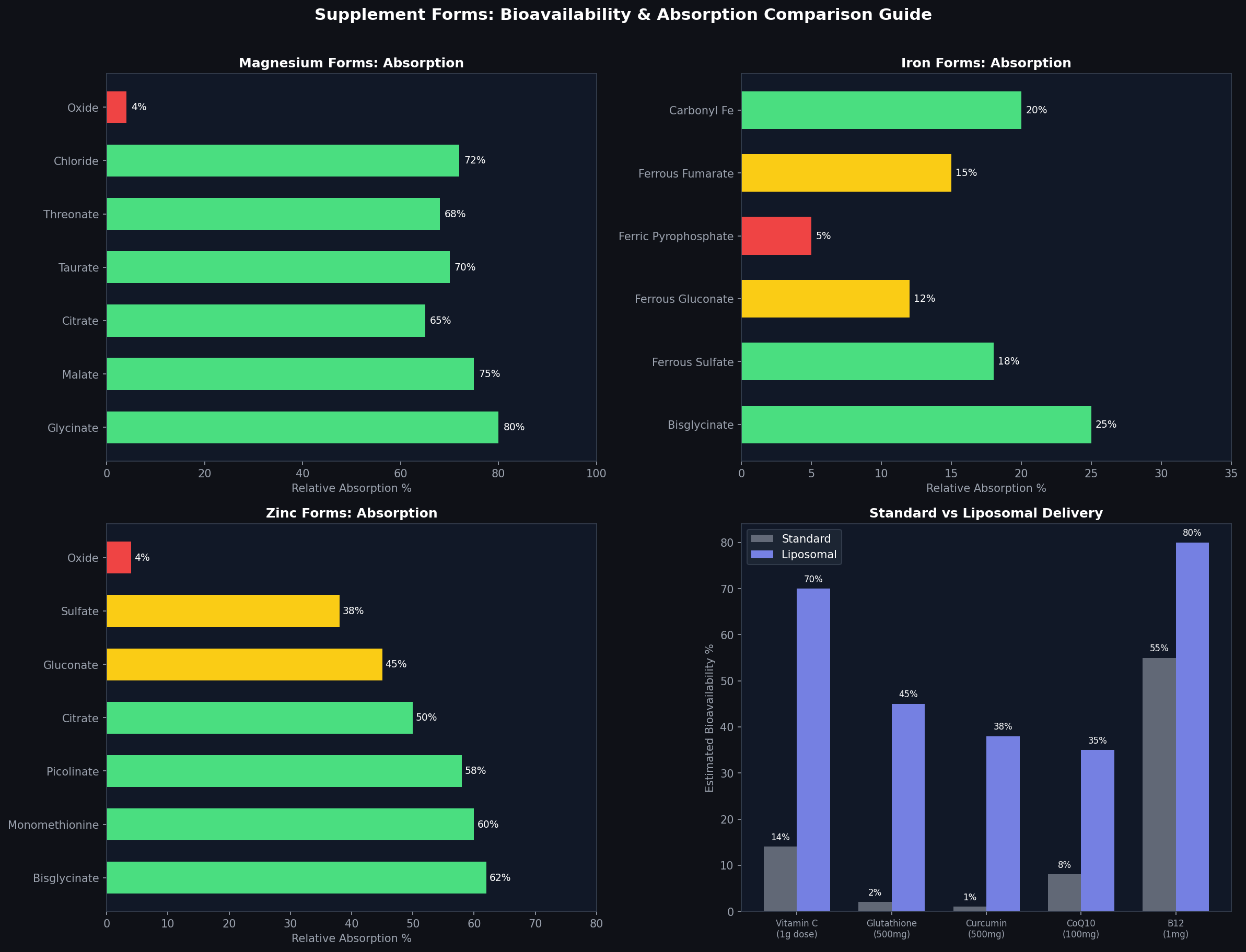
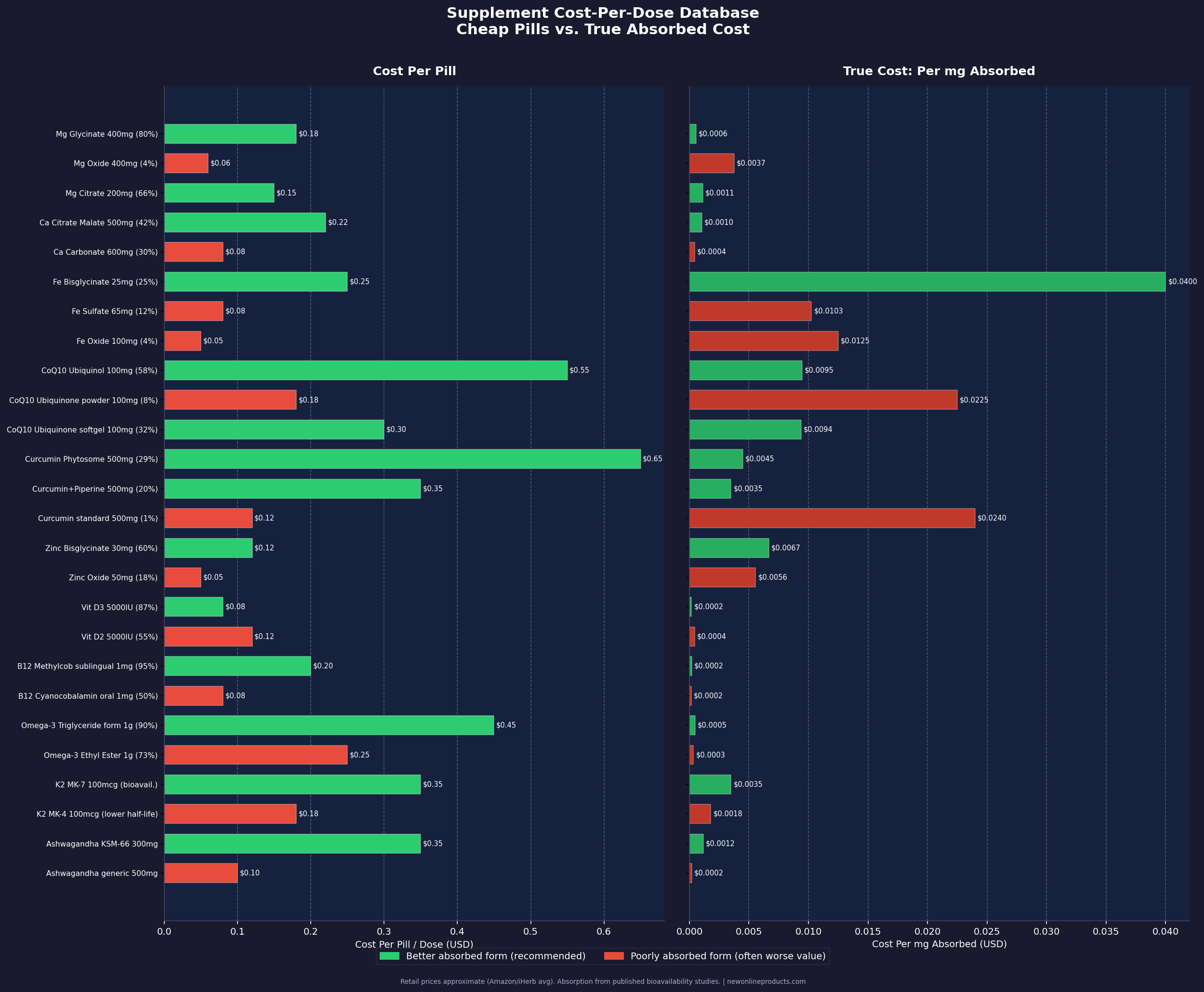
| Form | Calcium citrate (better absorbed, can take on empty stomach) > calcium carbonate (cheaper, take with food) |
| Don’t exceed 1,500mg/day | No additional benefit, possible harm |
| Split doses | Absorb better in doses ?500mg at a time |
Vitamin D: More Straightforward (But Still Nuanced)
What the Evidence Shows
For bone density:
- Vitamin D is essential for calcium absorption. Without adequate vitamin D, you absorb only 10-15% of dietary calcium (vs. 30-40% with adequate D)
- Vitamin D deficiency is extremely common in postmenopausal women – 40-60% are insufficient (<30 ng/mL)
- Correcting deficiency clearly improves calcium absorption and bone mineral density
For fracture prevention:
- A 2012 meta-analysis of 11 RCTs (31,000+ adults) found vitamin D at 800+ IU/day reduced hip fractures by 30% and non-vertebral fractures by 14%
- Doses below 400 IU showed no benefit
- Vitamin D combined with calcium was more effective than vitamin D alone
The mega-dose warning:
- The VITAL study and other recent large trials tested high-dose vitamin D (2,000-4,000 IU) for various outcomes
- For bone specifically, there’s a U-shaped curve: too little is harmful, adequate (800-2,000 IU) is protective, very high doses (>4,000 IU) may actually INCREASE fall and fracture risk in some studies
- A 2019 JAMA study found that 4,000 and 10,000 IU daily resulted in LOWER bone density than 400 IU over 3 years
Practical Vitamin D Guidance
| Recommendation | Detail |
|—|—|
| Test your level | 25(OH)D blood test. Target: 30-50 ng/mL |
| Starting dose | 1,000-2,000 IU/day for most postmenopausal women |
| If deficient (<20 ng/mL) | 4,000-5,000 IU/day for 8-12 weeks, then retest and reduce |
| Form | D3 (cholecalciferol) > D2 (ergocalciferol) |
| Take with fat | Vitamin D is fat-soluble – absorbs better with a meal containing fat |
| Don’t mega-dose without testing | >4,000 IU long-term without monitoring is not recommended |
Vitamin K2: The Emerging Addition
Vitamin K2 (specifically MK-7) directs calcium into bones and away from arteries:
- Activates osteocalcin (deposits calcium in bone matrix)
- Activates matrix GLA protein (prevents arterial calcification)
- A 2013 study in Osteoporosis International found 180mcg/day MK-7 for 3 years slowed age-related bone loss in postmenopausal women
- May address the cardiovascular concern by ensuring supplemental calcium goes to bones, not arteries
Current status: Promising but not yet in major guidelines. Adding 100-200mcg MK-7 to a calcium + D3 regimen is reasonable and safe.

The Complete Bone Health Protocol
Supplements are one piece. The evidence-based bone health protocol for menopause includes:
- Resistance training – the single most effective non-pharmaceutical intervention for bone density. 2-3x/week, focusing on weight-bearing and high-impact exercises
- Adequate protein – 1.0-1.2g/kg/day. Protein is a bone-building nutrient (the “calcium only” focus neglects this)
- Calcium from food (1,000-1,200mg/day total) – supplement only the gap
- Vitamin D3 (1,000-2,000 IU/day, guided by blood levels)
- Consider K2 (100-200mcg MK-7)
- Limit alcohol – >2 drinks/day accelerates bone loss
- Don’t smoke – smoking is independently associated with lower bone density and higher fracture risk
- DEXA screening – baseline at menopause, repeat per doctor’s recommendation
When Supplements Aren’t Enough
If DEXA scores show osteoporosis (T-score ? -2.5) or if you’ve already had a fragility fracture, lifestyle measures and calcium/D alone are usually insufficient. Pharmaceutical options (bisphosphonates, denosumab, romosozumab) should be discussed with your doctor. Supplements complement medication; they don’t replace it.
Related reading:
FAQ
How much calcium do postmenopausal women need?
Postmenopausal women need 1200 mg total calcium daily (dietary + supplemental combined). Prioritize dietary calcium (dairy, leafy greens, sardines, fortified foods) – aim for 800-1000 mg from food and only supplement the gap. Exceeding 1500 mg total from all sources provides no additional bone benefit and may increase cardiovascular risk according to some meta-analyses.
Does vitamin D help with bone density in menopause?
Vitamin D is essential for calcium absorption (without adequate vitamin D, only 10-15% of dietary calcium is absorbed vs. 30-40% with optimal vitamin D status). Vitamin D supplementation reduces fracture risk in vitamin D-deficient postmenopausal women. The key is achieving an optimal serum level (40-60 ng/mL 25-OHD) – most women need 1500-2000 IU D3 daily to reach this range without sun exposure.
What is the best bone supplement for menopause?
No single supplement replaces HRT or bisphosphonates for significant osteoporosis management. For foundational support: vitamin D3 (1500-2000 IU/day), dietary calcium to reach 1200 mg/day total, and vitamin K2 (MK-7, 100-200 mcg/day – directs calcium to bones rather than arteries). Magnesium (300-400 mg/day) supports vitamin D metabolism and bone matrix formation. Strontium ranelate is a pharmaceutical option in Europe with strong fracture evidence.
Does exercise help bone density in menopause?
Yes – resistance training is the most effective non-pharmacological bone density intervention available to menopausal women. Weight-bearing and resistance exercise (not swimming or cycling) stimulates osteoblast activity via mechanical loading. RCTs show 1-3% improvements in lumbar spine BMD over 1-2 years of progressive resistance training, even in postmenopausal women. Aim for 2-3 resistance training sessions per week with progressive overload.
Related Articles
- Phytoestrogens for Menopause: Soy Isoflavones Explained
- Black Cohosh for Hot Flashes: What the Research Shows
- Collagen and Bone Support After Menopause
- Best Vitamin D3 + K2 Supplements for Bone and Heart Health
- Complete Guide to Menopause Supplements in 2026
Sources
- National Institutes of Health Office of Dietary Supplements. Calcium Fact Sheet for Health Professionals.
- National Institutes of Health Office of Dietary Supplements. Vitamin D Fact Sheet for Health Professionals.
- Systematic reviews on calcium, vitamin D, and bone density in postmenopausal women.
- Meta-analyses on calcium/vitamin D and fracture prevention in postmenopausal women.
- Guideline and review literature on calcium and vitamin D for postmenopausal bone health.
📚 Part of our Complete Guide to Menopause Supplements hub. Explore all our menopause supplement evidence reviews.