Quick Answer: Yes – hibiscus tea has genuine clinical trial support for modest blood pressure reduction (~4-7 mmHg systolic). It works best as a complementary approach for people with mild or borderline hypertension. It is not a substitute for medication in moderate-to-severe cases, but it is one of the few herbal beverages with credible, replicable evidence.
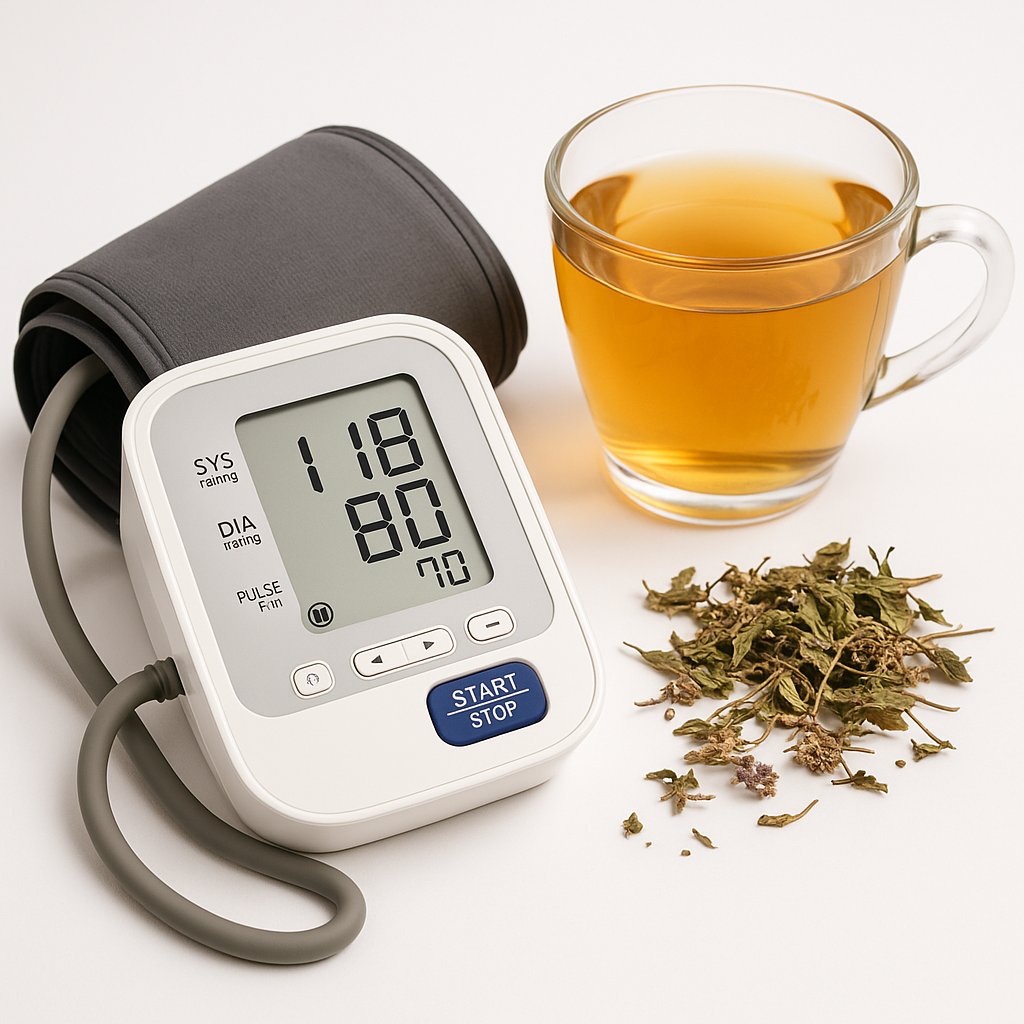
Hibiscus tea (Hibiscus sabdariffa, also called roselle or agua de jamaica) is one of the few herbal remedies with genuine clinical trial support for blood pressure reduction. It’s not miraculous, but the evidence is better than most herbal BP claims – and it’s a pleasant, low-risk daily habit for people who want dietary support alongside lifestyle changes.
Key Takeaways
- Hibiscus tea reduces systolic BP by 4-7 mmHg in most well-designed trials; effects are stronger in hypertensive individuals
- 2-3 cups daily brewed from dried calyces is the most-studied approach; standardized extracts also work
- It acts as a mild ACE inhibitor, vasodilator, and diuretic through its anthocyanins and polyphenols
- Safe for most people at normal consumption levels; caution warranted with antihypertensives, diuretics, and during pregnancy
- Not a monotherapy for anyone with BP consistently ?140/90 – but a reasonable add-on in an overall dietary strategy
What the Research Shows
Ellis et al. (2022, Nutrition Reviews) – A systematic review and meta-analysis of 18 RCTs found hibiscus consumption reduced SBP by ~4-7 mmHg depending on baseline BP and study design [1]. Effects were more pronounced in hypertensive individuals.
McKay et al. (2010) – One of the better individual trials: 65 adults with mild hypertension drank 3 cups of hibiscus tea daily for 6 weeks. Systolic BP decreased by 7.2 mmHg compared to 1.3 mmHg with placebo [2].
Nwachukwu et al. (2015) – A direct comparison trial found hibiscus tea comparable to captopril (a prescription ACE inhibitor) for SBP reduction in mild hypertension, though this was a small Nigerian trial and shouldn’t be over-interpreted [3].
Randomized design quality: Unlike many herbal studies, several hibiscus trials used proper blinding (participants drank a matched-color, non-hibiscus control beverage), making the placebo response less likely to fully explain the results.
How This Compares to Other Approaches
For context, the American Heart Association notes that DASH diet alone reduces SBP by 8-14 mmHg in hypertensive individuals, while sodium restriction contributes another 2-8 mmHg. A 4-7 mmHg contribution from hibiscus tea – used alongside those measures – is clinically meaningful.
How It Works
Hibiscus contains anthocyanins and polyphenols that appear to:
- Act as mild ACE inhibitors – Blocking angiotensin-converting enzyme reduces production of angiotensin II, a potent vasoconstrictor
- Promote vasodilation through nitric oxide pathways – Anthocyanins appear to increase endothelial nitric oxide synthase (eNOS) activity, relaxing blood vessel walls
- Mild diuretic effects – Increased urine output reduces plasma volume, which lowers the pressure the heart must work against
- Antioxidant protection to endothelial cells – Chronic oxidative stress damages endothelium and raises BP; hibiscus polyphenols may blunt this process
The mechanism is plausible, biologically coherent, and consistent with the observed modest reductions in clinical trials.
Dosing and Preparation
Most positive trials used:
- 1-3 cups of hibiscus tea brewed from dried calyces (steep 5-10 minutes in hot water)
- Standardized extracts: ~250-500 mg anthocyanin content per dose
- Duration: Most studies showed effects after 2-6 weeks of daily consumption; best results at 6 weeks
There’s no established “optimal” dose, but 2-3 cups daily appears well-supported. Commercially available hibiscus tea bags are convenient, but loose dried calyces (like those used in traditional agua de jamaica preparations) are often less processed and provide higher polyphenol concentrations.
Does it matter if it’s hot or cold? Not significantly – the anthocyanins survive both preparations, though steeping time matters more than temperature.
Safety and Interactions
Hibiscus tea is generally very safe at normal consumption levels. Concerns to be aware of:
- Hydrochlorothiazide interaction – Hibiscus has mild diuretic properties; combining with thiazide diuretics may cause additive fluid and electrolyte losses. Not necessarily contraindicated, but worth knowing.
- Other antihypertensives – Additive BP lowering could cause hypotension, especially if you’re already on calcium channel blockers, ACE inhibitors, or ARBs. Monitor blood pressure if adding hibiscus to an existing regimen.
- Pregnancy – Some animal data suggests high-dose hibiscus may have emmenagogue (uterine-stimulating) effects. Pregnant women are typically advised to avoid concentrated hibiscus supplements; moderate tea consumption is probably fine, but consult your provider.
- Acetaminophen metabolism – One study suggested hibiscus may alter acetaminophen clearance; the clinical significance is unclear and appears to require very high intake.
- Pre-surgery – Like other mild blood pressure-lowering substances, notify your surgical team if you’re consuming hibiscus regularly.
How to Use Hibiscus Tea as Part of a Blood Pressure Strategy
Hibiscus tea works best as one piece of a broader dietary and lifestyle approach:
- Drink 2-3 cups of hibiscus tea daily – brewed or cold-steeped; unsweetened or lightly sweetened
- Pair with the DASH diet – high potassium (fruits, vegetables, legumes), adequate calcium and magnesium, reduced sodium
- Reduce sodium intake to <2,300 mg/day if possible
- Add potassium-rich foods – bananas, beans, leafy greens (the sodium-to-potassium ratio matters as much as absolute sodium)
- Exercise regularly – aerobic activity produces 3-5 mmHg reductions in its own right
- Monitor your BP at home to see if the combination is working
For context: potassium supplementation and aged garlic extract are other supplement interventions with comparable or stronger evidence. Combining all three with dietary changes can plausibly produce 10-15 mmHg reductions – enough to meaningfully affect cardiovascular risk.
See the full blood pressure supplements guide for a complete comparison of supplement approaches.
The Honest Assessment
Hibiscus tea is a pleasant, low-risk beverage that produces real but modest BP reductions (~4-7 mmHg systolic). It’s a reasonable complement to dietary changes for people with mildly elevated BP. It is not a substitute for medication in moderate-to-severe hypertension.
Best use case: Someone with borderline or early Stage 1 hypertension (SBP 130-149) who enjoys the taste and wants to add a low-risk, evidence-backed beverage to a DASH-style dietary approach. The cumulative effect of several modest dietary interventions – hibiscus tea + potassium + sodium reduction + exercise – is clinically meaningful, even if no single intervention is dramatic.
Who should stick to medication: Anyone with SBP consistently ?150, known cardiovascular disease, or hypertension plus diabetes or CKD. Hibiscus as an adjunct may be fine, but it shouldn’t delay or replace evidence-based treatment.
Frequently Asked Questions
Does hibiscus tea lower blood pressure immediately? No. The clinical trials that showed significant reductions ran 4-6 weeks of daily consumption. Acute (same-day) effects are minor and unreliable. Expect gradual results.
Can I drink hibiscus tea if I’m on lisinopril or losartan? Possibly, but with caution. Hibiscus has mild ACE-inhibitor and vasodilatory effects that could add to your medication’s effect. Monitor your BP more closely when starting. Ask your prescriber.
Is hibiscus tea the same as dried hibiscus flowers? Yes – hibiscus tea is made from the dried calyces (sepals) of Hibiscus sabdariffa. These are the same as “Jamaica” flowers used in Mexican and Caribbean drinks. Hibiscus flowers sold for ornamental use are different and may not have the same properties.
How much anthocyanin does a cup contain? Variable, but typically 15-30 mg anthocyanins per cup of properly brewed tea. Standardized supplements provide 250-500 mg per dose, which is equivalent to many cups.
Does hibiscus tea affect kidney function? At normal consumption (1-3 cups/day), no. Some isolated case reports mention kidney concerns at extremely high intake, but this is not a meaningful risk at typical use levels.
References
- Ellis LR, et al. A systematic review and meta-analysis of the effects of Hibiscus sabdariffa on blood pressure and cardiometabolic markers. Nutr Rev. 2022;80(6):1723-1737.
- McKay DL, et al. Hibiscus sabdariffa L. tea lowers systolic blood pressure and improves diet quality in adults with pre- and mild hypertension. J Nutr. 2010;140(2):298-303.
- Nwachukwu DC, et al. Hibiscus sabdariffa in controlled hypertension. J Pharm Pharmacogn Res. 2015;3:68-73.
Related Articles
- Hibiscus Tea and Blood Pressure: Does It Actually Work?
- Best Supplements for Blood Pressure in 2026
- CoQ10 for Blood Pressure: What the Evidence Shows
- Aged Garlic Extract for Blood Pressure
- Potassium Supplements for Blood Pressure
Sources
- McKay DL, Chen CYO, Saltzman E, Blumberg JB. Hibiscus sabdariffa L. tea (tisane) lowers blood pressure in prehypertensive and mildly hypertensive adults. J Nutr. 2010;140(2):298-303.
- Serban C, Sahebkar A, Ursoniu S, et al. Effect of sour tea (Hibiscus sabdariffa L.) on arterial hypertension: a systematic review and meta-analysis of randomized controlled trials. J Hypertens. 2015;33(6):1119-1127.
- Whelton PK, Carey RM, Aronow WS, et al. 2017 ACC/AHA guideline for the prevention, detection, evaluation, and management of high blood pressure in adults. Hypertension. 2018;71(6):e13-e115.
- National Heart, Lung, and Blood Institute. DASH Eating Plan. NIH.
- Part of our Complete Guide to Blood Pressure Supplements.
- Whelton PK, Carey RM, Aronow WS, et al. 2017 ACC/AHA guideline for the prevention, detection, evaluation, and management of high blood pressure in adults. Hypertension. 2018;71(6):e13-e115.
- Juraschek SP, Guallar E, Appel LJ, Miller ER. Effects of vitamin C supplementation on blood pressure: a meta-analysis. Am J Clin Nutr. 2012;95(5):1079-1088.
- Ried K, Frank OR, Stocks NP. Aged garlic extract reduces blood pressure in hypertensives: a dose-response trial. Eur J Clin Nutr. 2013;67(1):64-70.
- National Heart, Lung, and Blood Institute. DASH Eating Plan. NIH. Accessed 2026.
- McKay DL, Chen CYO, Saltzman E, Blumberg JB. Hibiscus sabdariffa L. tea (tisane) lowers blood pressure in prehypertensive and mildly hypertensive adults. J Nutr. 2010;140(2):298-303.
📚 Part of our Complete Guide to Blood Pressure Supplements hub. Explore all our blood pressure supplement evidence reviews.
Leave a Reply