
- Oil pulling has some evidence for reducing oral bacterial counts and improving bad breath, but the evidence is modest and the studies are small.
- Current evidence does not support oil pulling as a reliable way to whiten teeth or “detox” the body.
- If you enjoy oil pulling, use it as an adjunct to brushing, flossing, and evidence-based oral care, not as a replacement.
- Sesame and coconut oil are the most commonly studied options, but neither has proven magical superiority.
- People with swallowing issues or aspiration risk should skip oil pulling.
Quick Answer: Oil pulling may help bad breath and oral bacterial counts a little, but it is not a proven whitening treatment, detox practice, or substitute for brushing, flossing, fluoride, or professional dental care. The honest evidence-based position is that oil pulling is optional and modest, not essential and transformative.

Oil pulling is one of those habits that sounds either ancient and wise or completely ridiculous, depending on who is talking. The truth is less dramatic. It is not nonsense, but it is also not a miracle.
There is some research suggesting oil pulling can improve certain oral-health markers, especially bad breath and bacterial counts. The problem is that the studies are usually small, short, and heterogeneous. So the right take is not “oil pulling does nothing,” but also not “oil pulling replaces everything in modern dentistry.” If your main concern is odor from tongue coating, a dedicated tongue scraper has more direct logic behind it.
If you came here asking, “Does oil pulling work for bad breath, plaque, or whitening?” the short answer is mixed: maybe a little for bad breath, unclear for plaque, and not convincingly for whitening.
What Does Oil Pulling Do? Claims vs. What the Research Actually Shows
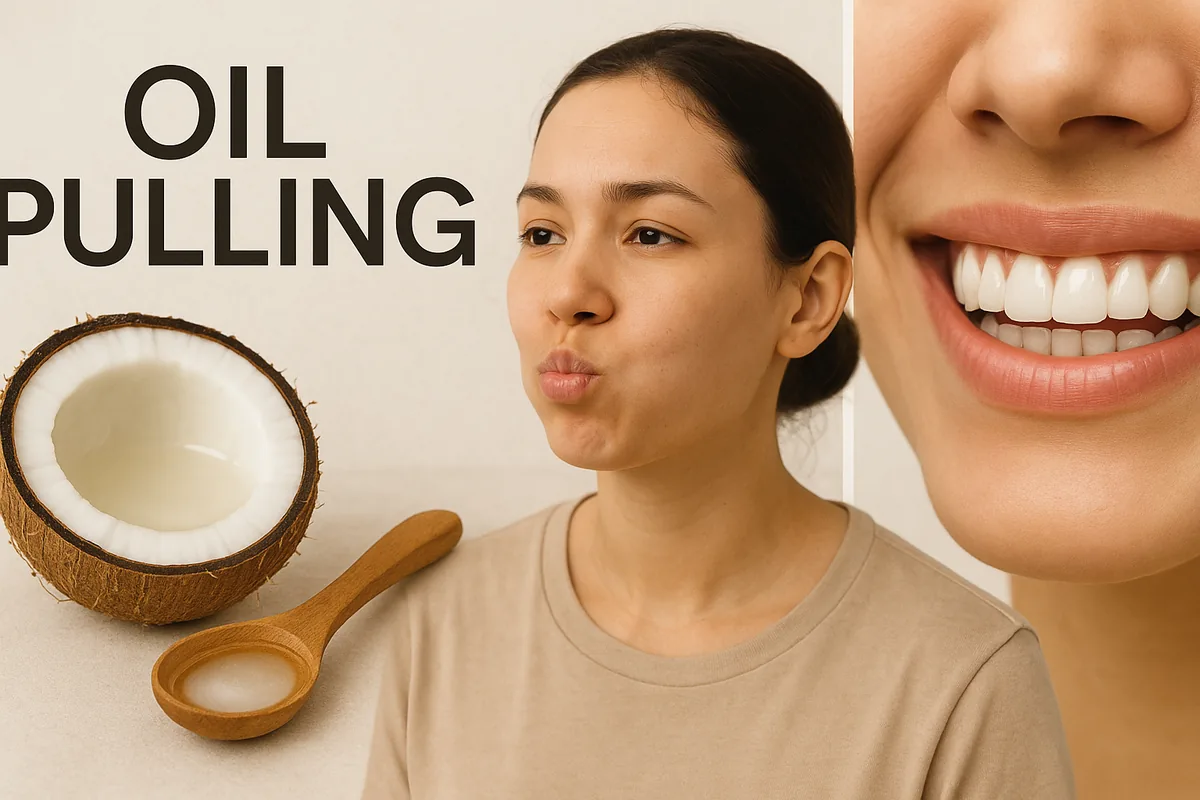
Traditional oil pulling usually means swishing a tablespoon of sesame or coconut oil around the mouth for 5 to 20 minutes before spitting it out. Supporters claim it can whiten teeth, detox the body, reduce plaque, improve gum health, and freshen breath.
Some of those claims are biologically plausible in a limited way. Swishing oil may alter the oral environment and help reduce certain microbes. Claims about “pulling toxins from the blood” are a different story. There is no good evidence that oil swished in the mouth detoxifies the body in any meaningful clinical sense.
Does Oil Pulling Work? The Evidence, Broken Down by Goal

Does oil pulling work for bad breath?
A randomized controlled pilot trial found oil pulling with sesame oil improved plaque scores, gingival scores, and halitosis measures over 14 days, with results that were broadly comparable to chlorhexidine in that small study. That makes oil pulling more than a pure placebo ritual.
Does oil pulling work for plaque and gingivitis?
The broader evidence gets shakier here. A 2022 meta-analysis found oil pulling reduced salivary bacterial counts compared with controls, but it did not show significant differences for plaque index or gingival index. A separate systematic review of coconut-oil pulling suggested there may be benefits, but emphasized that study quality was mixed and risk of bias was high.
So the fairest summary is this: oil pulling probably does something, but not enough to justify replacing standard care or making huge claims.
Oil Pulling Claims vs. Evidence: What It Can and Cannot Do
| Claim | What the evidence says | Verdict |
|---|---|---|
| Helps bad breath | Some small trials show improvement | Reasonable but modest |
| Reduces oral bacteria | Meta-analysis suggests lower bacterial counts | Plausible |
| Improves plaque and gingivitis | Mixed results, not consistently significant | Uncertain |
| Whitens teeth | No convincing evidence for real bleaching | Mostly marketing or anecdote |
| Detoxifies the body | No credible clinical support | Not supported |
Can oil pulling whiten teeth?
Not in the way most people mean “whitening.” Real whitening changes the tooth color chemically, usually with peroxide. Oil pulling may make the mouth feel cleaner and may reduce surface film, but it does not have the evidence base that peroxide strips and trays have for actual bleaching.
If your goal is a brighter smile, oil pulling is a weak substitute for the thing that actually works.
How to Try Oil Pulling Safely (If You Choose To)
- Use a small amount of coconut or sesame oil.
- Swish gently, not aggressively.
- Start with 5 minutes if 15 to 20 feels unrealistic.
- Spit it into the trash, not the sink, to avoid plumbing issues.
- Do not swallow it.
- Still brush, floss, and use evidence-based products afterward.
If you are choosing an evidence-backed add-on for daily care, a good mouthwash, a targeted tongue-cleaning habit, or in some cases oral probiotic lozenges usually has a clearer rationale.
Who should avoid oil pulling?
Skip it if you have trouble swishing liquids without coughing, a risk of aspiration, jaw pain triggered by long swishing, or a habit of believing it can replace dental treatment. It is also a poor fit for children unless a dentist specifically suggests it and they can swish safely.
If your mouth feels dry or acidic after meals, habits that stimulate saliva, such as sugarless gum, may be more practical than standing at the sink with a spoonful of oil every morning.
FAQ
Does oil pulling really work?
Yes, but only modestly. It may help bad breath and bacterial counts, but the evidence is not strong enough to call it a major oral-health intervention.
Is coconut oil better than sesame oil for oil pulling?
Not clearly. Both are commonly used, and neither has proven overwhelming superiority. Coconut oil is mostly popular because people find it easier to tolerate.
Can oil pulling replace mouthwash or brushing?
No. Oil pulling is an adjunct at best. It does not replace brushing, flossing, fluoride, or targeted antimicrobial rinses when those are needed.
Will oil pulling whiten teeth?
Probably not in a meaningful way. It may reduce surface film, but it is not a proven bleaching treatment and should not be sold as one.
How often should you do oil pulling?
Most practitioners recommend once daily, typically first thing in the morning before eating or drinking. That timing is not strictly evidence-mandated—the small studies on oil pulling did not rigorously test frequency—but morning use fits the habit logic of clearing overnight bacterial accumulation before introducing food or drink. Doing it more than once daily is unlikely to add meaningful benefit, and the 15 to 20 minutes per session already makes it a significant time commitment for most people.
How long should you swish oil when oil pulling?
Traditional recommendations suggest 15 to 20 minutes, which is the duration used in most of the small clinical studies on oil pulling. That said, some researchers and practitioners suggest 5 to 10 minutes may capture most of the benefit without requiring a commitment that most people abandon within a week. Starting with 5 minutes and working up is more likely to produce a consistent habit than jumping to 20 minutes and giving up. The oil should feel thin and milky when you spit it out—a sign that it has been mixed with saliva.
Can oil pulling help with receding gums?
Not in any proven way. Oil pulling may slightly reduce plaque or mouth odor for some people, but it does not regrow gum tissue or reverse gum recession. If your gums are pulling back, the more useful next step is a dental evaluation to look for brushing trauma, gum disease, clenching, or other causes that need targeted treatment.
Is oil pulling safe during pregnancy?
Usually, but it is not especially necessary and the evidence for extra benefit is limited. The main concern is accidentally swallowing or aspirating the oil if you feel nauseated or gag easily, which can be more relevant during pregnancy. If you want an oral-care routine with clearer evidence, brushing, flossing, fluoride, and regular dental care matter far more than adding oil pulling.
Can oil pulling damage teeth or enamel?
There is no credible evidence that oil pulling damages teeth or enamel when done correctly. The main risks are aspiration (swallowing or inhaling the oil) and jaw fatigue from aggressive swishing rather than gentle movement. Unlike acidic rinses, oil does not erode enamel. The more realistic danger is treating oil pulling as a substitute for brushing, flossing, or fluoride—the proven protections—which could allow cavity risk to rise while the person believes they are covered.
Sources
- Systematic reviews on oil pulling and oral health. PubMed search.
- Reviews on oil pulling and gingivitis/plaque outcomes. PubMed search.
- Reviews on coconut oil pulling and antibacterial effects. PubMed search.
- American Dental Association. Oral health evidence resources.
- Reviews on oil pulling and halitosis. PubMed search.
Related Articles
- Tongue Scraping: Halitosis Evidence & Best Tools
- Best At-Home Teeth Whitening in 2026
- Best Mouthwash Guide 2026
- Best Oral Probiotics in 2026
- Probiotic Strain Guide
📚 Part of our Best At-Home Teeth Whitening hub. Explore all our oral health guides.