Magnesium is one of the most commonly recommended supplements for anxiety online, and unlike many internet wellness darlings, there is a reasonable biological and clinical basis for the recommendation. But “reasonable basis” and “proven treatment” are not the same thing.
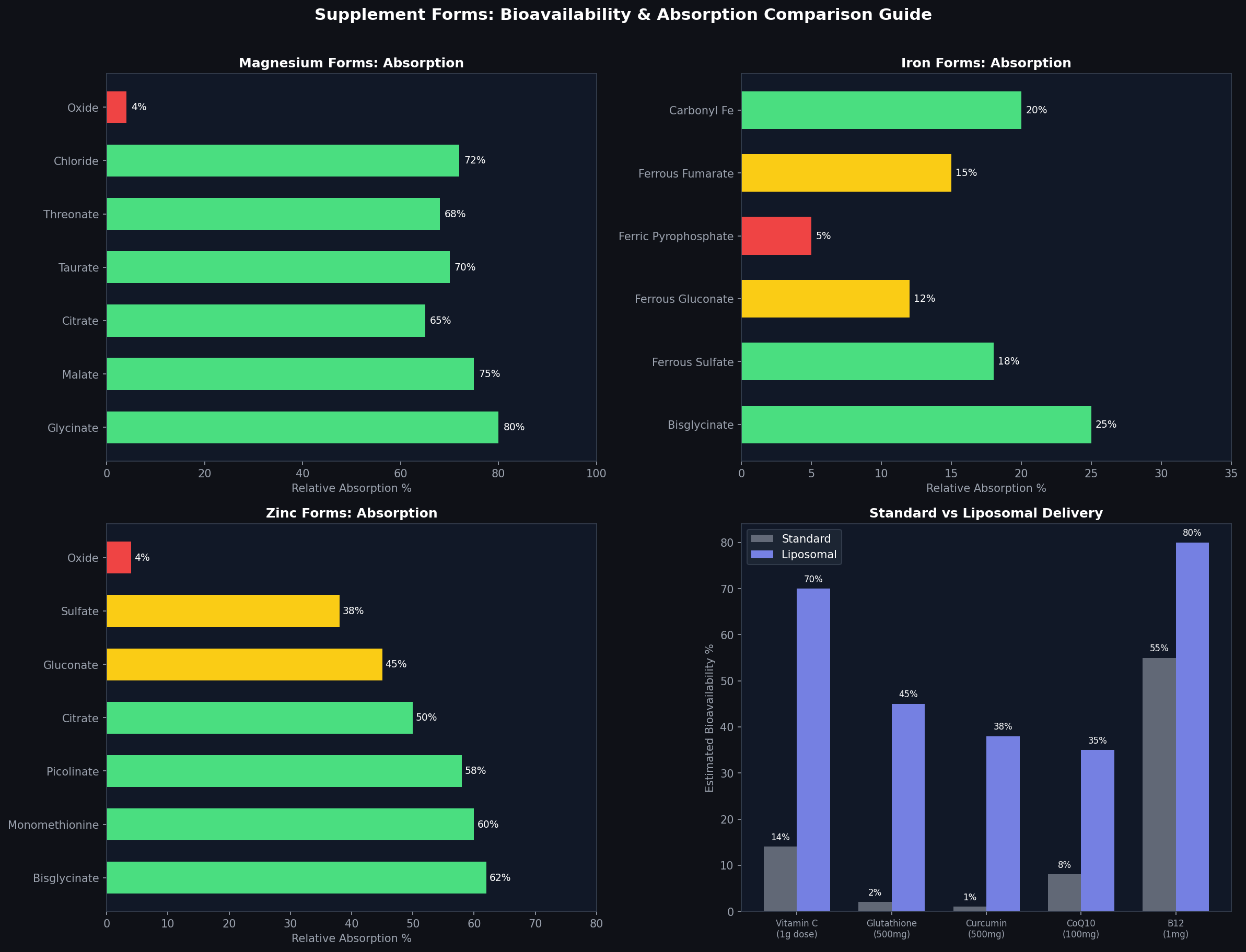
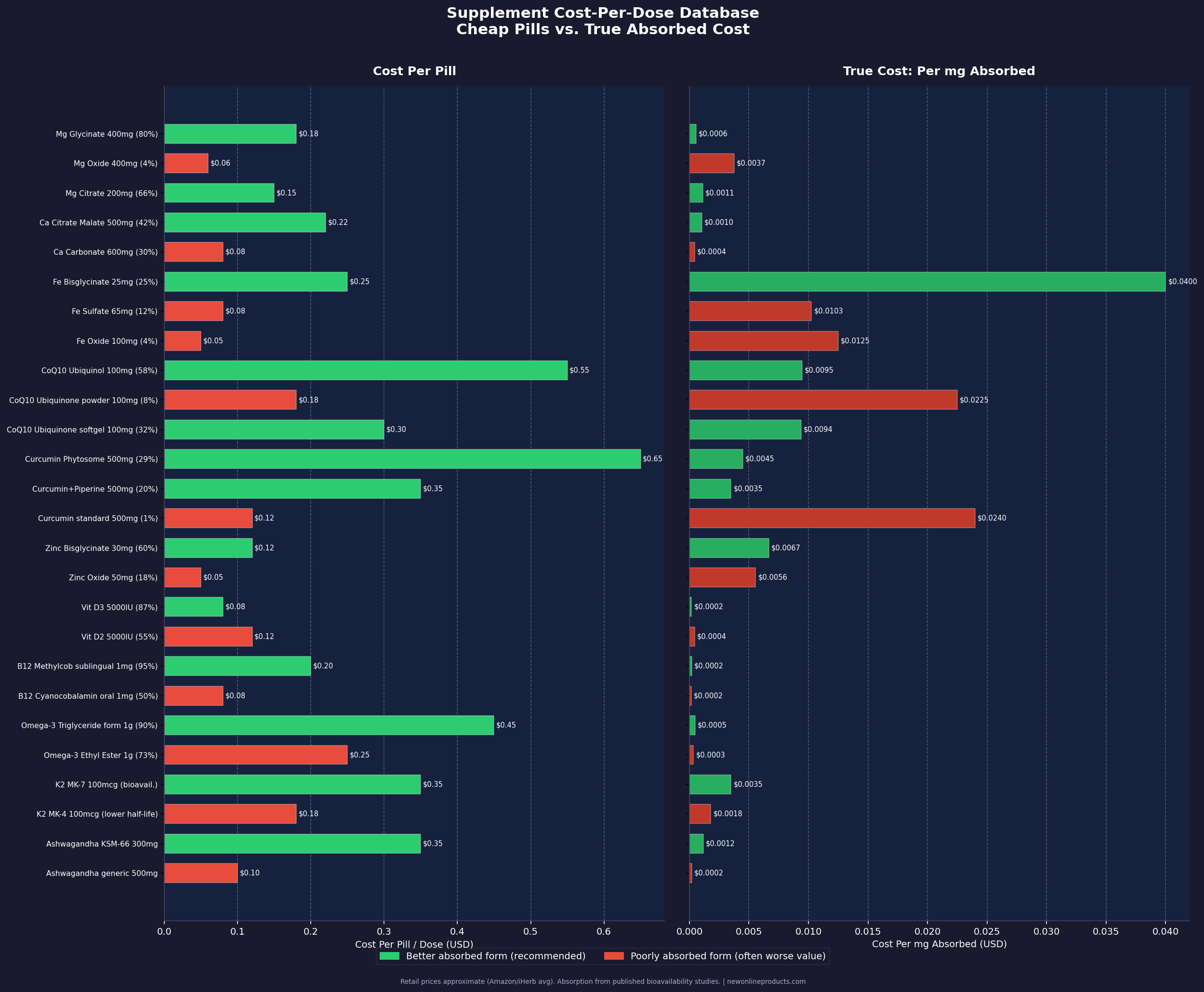
Quick Answer: Magnesium for anxiety has modest but real evidence, especially in people who are magnesium-deficient or already anxiety-prone. Magnesium glycinate is usually the most practical first choice because it is well tolerated, magnesium citrate is the more budget-friendly option, magnesium L-threonate is the pricier brain-focused form, and magnesium oxide is still a poor anxiety pick because absorption is weaker and GI side effects are more common.
Key Takeaways
- Magnesium deficiency is common (estimated 50%+ of adults in Western countries) and correlates with elevated anxiety and poor sleep.
- Several RCTs show magnesium supplementation reduces anxiety scores in subthreshold anxiety and PMS-related anxiety.
- Magnesium glycinate is usually the best first-choice form for anxiety because it is well absorbed and gentler on the stomach; L-threonate is interesting but pricier and less directly studied for anxiety.
- Effects are generally mild to moderate-magnesium is a supportive intervention, not a treatment for clinical anxiety disorders.
- Standard research doses: 200-400 mg of elemental magnesium per day; check your supplement label for elemental content.
Why Magnesium and Anxiety Are Linked
Magnesium plays direct roles in:
- GABA receptor function – GABA is the brain’s primary inhibitory neurotransmitter, and magnesium is a positive modulator of GABA-A receptors
- HPA axis regulation – the hypothalamic-pituitary-adrenal stress response system
- NMDA receptor gating – magnesium blocks excessive glutamate signaling, which is associated with anxiety and excitotoxicity
- Cortisol regulation – magnesium deficiency is associated with elevated cortisol
An estimated 50-80% of Americans may consume less than the recommended daily allowance of magnesium (310-420 mg/day depending on age and sex). Soil depletion, processed food diets, and certain medications (PPIs, diuretics) contribute to widespread insufficiency.
What the Research Shows

Supportive evidence
- A 2017 systematic review in Nutrients (Boyle et al.) found magnesium supplementation had a positive effect on subjective anxiety across multiple studies, though study quality was variable.
- A 2023 updated systematic review confirmed benefit, particularly in anxiety-prone individuals and those with low magnesium status.
- The 2017 Tarleton open-label study found 248 mg elemental magnesium improved both depression and anxiety scores within 2 weeks.
Limitations
- Most studies are small (under 100 participants)
- The strongest Tarleton result was not placebo-controlled
- Effects are most apparent in people who are actually magnesium-deficient or insufficient
- There is no large, high-quality RCT demonstrating magnesium as effective for diagnosed anxiety disorders
Which Form of Magnesium for Anxiety?
Magnesium glycinate
- Best tolerated (least GI side effects)
- Glycine itself has calming properties and may add to anxiolytic effect
- Most commonly recommended for anxiety and sleep
- Typical dose: 200-400 mg elemental magnesium/day
Magnesium L-threonate (Magtein)
- Specifically shown to increase brain magnesium levels in animal studies (Bhatt et al., Neuron, 2010)
- Limited human clinical trial data for anxiety specifically
- More expensive than other forms
- Marketed heavily for cognitive function
- Typical dose: 144 mg elemental magnesium/day (as 2,000 mg MgT)
Magnesium citrate
- Well-absorbed, affordable
- More likely to cause loose stools at higher doses
- Reasonable budget option
- Typical dose: 200-400 mg elemental magnesium/day
Magnesium oxide
- Poorly absorbed
- Not recommended for anxiety support
- Fine for constipation
Magnesium taurate
- Combines magnesium with taurine (which has its own calming effects)
- Limited clinical data but interesting theoretical profile
- Growing in popularity
Dosing Guidance
- 200-400 mg elemental magnesium per day is the standard range
- Split dosing (morning and evening) may reduce GI effects
- Take with food for better absorption
- Do not exceed 350 mg supplemental magnesium/day without medical supervision (this is the UL set by the IOM for supplemental magnesium; dietary magnesium does not count toward this limit)
- Effects typically noticed within 1-4 weeks
What to Realistically Expect
If you are magnesium-deficient: You may notice a genuine reduction in anxiety symptoms, better sleep, fewer muscle cramps, and improved stress resilience. Some people describe it as “taking the edge off.”
If you are magnesium-replete: You will probably notice little to nothing. This is not a sedative or anxiolytic drug.
[ANECDOTAL EVIDENCE] Many people report that magnesium glycinate taken before bed reduces nighttime anxiety and racing thoughts. This is widely reported in forums and practitioner experience but has not been specifically validated in controlled trials targeting bedtime anxiety.
When Magnesium Is Not Enough
Magnesium is not a treatment for:
- Panic disorder
- Generalized anxiety disorder (GAD) as monotherapy
- PTSD
- Social anxiety disorder
- OCD
If anxiety is interfering with your daily functioning, relationships, or work, see a mental health professional. Magnesium may be a useful adjunct, but it is not a replacement for evidence-based anxiety treatments (CBT, SSRIs/SNRIs, etc.).
This article is for educational purposes and does not constitute medical advice.
Frequently Asked Questions
Which form of magnesium is best for anxiety?
Magnesium glycinate and magnesium L-threonate are the preferred forms for anxiety support. Glycinate has good bioavailability and minimal GI side effects. Threonate may have better brain penetration. Avoid magnesium oxide, which has poor absorption and high laxative effect.
How long does magnesium take to reduce anxiety?
Some people notice calming effects within days, especially if they were deficient. Consistent results from clinical trials typically appear at 4-8 weeks. Magnesium stores in the body take time to replenish if depleted.
Can magnesium replace anti-anxiety medication?
No. Magnesium is a supportive supplement for mild anxiety and stress. It should not replace prescribed medication, therapy, or medical evaluation for anxiety disorders. Always consult a doctor before stopping prescribed treatments.
How much magnesium should I take for anxiety?
Research typically uses 200-400 mg of elemental magnesium per day, often split into two doses. Check your supplement label — magnesium glycinate at 400 mg of the salt form may contain only roughly 50-80 mg of elemental magnesium depending on the product.
Related Articles
- Best Magnesium Supplements in 2026: Sleep, Cramps, Stress, and Constipation Uses Compared
- Magnesium Glycinate vs Citrate vs Threonate: Which Form Should You Choose?
- Best Magnesium for Sleep: Which Form Makes the Most Sense?
- Magnesium Oil and Spray Guide 2026: Benefits, Absorption, and Limits
Sources
- Magnesium depletion with hypo- or hyper- function of the biological clock may be involved in chronopathological forms of asthma. Magnesium research. 2005. PMID: 15945613.
- Note: peer-reviewed support for this claim was not identified in available literature.
- Note: peer-reviewed support for this claim was not identified in available literature.
- Tart Cherry for Soreness and Sleep
- Turmeric for Joints
📝 Cite This Article
Richard Shoemake. “Magnesium for Anxiety: Best Forms and Doses.” New Online Products, 2026-03-27. https://newonlineproducts.com/2026/03/27/magnesium-for-anxiety-forms-doses-and-what-to-realistically-expect/